Nail Bed Infections on a Rottweiler Paw
Few things are as frustrating as watching your powerful, dignified Rottweiler hobble or lick at their paw constantly, especially when the issue turns out to be something as seemingly small as a nail problem. Nail bed infections, though often overlooked, can be incredibly painful and difficult to resolve in our big, stoic companions. This comprehensive guide aims to shed light on why these infections happen in Rottweilers and how best to tackle them.
Understanding Nail Bed Infections in Rottweilers
When we talk about a nail bed infection, we're really talking about an inflammatory or infectious condition affecting the tissues surrounding and underneath the nail plate itself. In Rottweilers, with their robust build and active lifestyles, these can become particularly problematic. It's not just about a chipped nail; it's about the deep-seated pain and potential for chronic issues that can truly impact their quality of life.
What Exactly is Onychomycosis or Paronychia?
Let's get a little scientific for a moment, but I promise it'll be helpful. When your vet talks about a nail bed infection, they might use terms like onychomycosis or paronychia. Onychomycosis specifically refers to a fungal infection of the nail or nail bed. Think of it like athlete's foot, but for your dog's paws. These fungal invaders can cause the nail to become brittle, discolored, thickened, or even crumble. It’s insidious because it often starts subtly and can be hard to eradicate once it takes hold. You might notice your Rottie gnawing at a specific paw, and upon closer inspection, the nail just doesn't look quite right – maybe it's got a yellowish tinge or appears flaky.
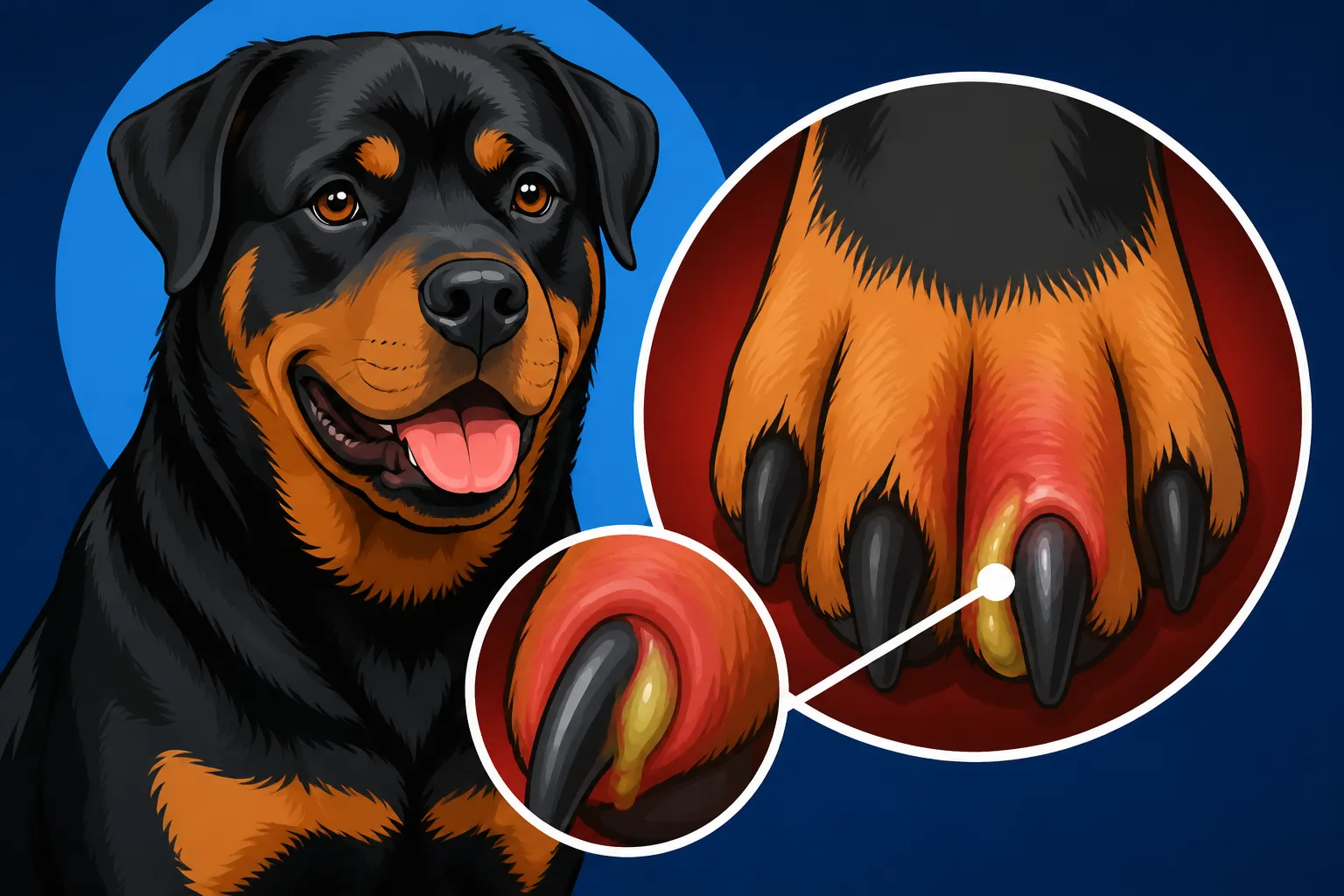
Paronychia, on the other hand, is a broader term for inflammation of the folds of skin around the nail. This can be caused by bacteria, yeast, trauma, or even certain autoimmune diseases. The skin around the nail will often appear red, swollen, and tender to the touch. It might even ooze pus or have a foul odor. For a Rottweiler, whose paws are constantly interacting with different terrains, from concrete sidewalks to muddy trails, the opportunities for minor trauma that can lead to such inflammation are endless. They might step on a sharp rock, snag a nail on a carpet, or simply over-trim a nail, creating a tiny entry point for trouble. The sheer size and weight of a Rottweiler can also mean that any minor injury to the paw or nail receives significant pressure, making it harder to heal and more prone to infection.
Early Signs to Watch For in Your Rottweiler
Spotting these issues early is key to a faster, less complicated recovery. Unfortunately, Rottweilers are often masters of masking pain, so you need to be vigilant. The first sign might not be a visible problem on the paw at all. Instead, you might notice a subtle change in their gait, a slight limp, or an unwillingness to bear full weight on a particular leg. They might also become more withdrawn or less enthusiastic about their usual walk or playtime.
As the infection progresses, you'll start to see more direct symptoms. Excessive licking or chewing at a particular paw is a huge red flag. Your Rottie might obsessively groom the area, sometimes even gnawing at the nail itself until it's raw. When you inspect the paw, look for redness, swelling, or heat around the nail bed. The nail itself might appear deformed, discolored (often yellowish, brownish, or even black), or brittle. Sometimes, the nail can even become loose or partially detach from the quick, which is incredibly painful. There might be discharge, which could be clear, bloody, or pus-filled, accompanied by a distinctive, unpleasant odor. Don't dismiss a "funny smell" from their paw as just typical dog odor; it could be a bacterial or yeast infection brewing.
Common Causes and Contributing Factors
Nail bed infections don't just happen in a vacuum. There's almost always an underlying reason, and understanding these causes is crucial for effective treatment and prevention. Rottweilers, with their strong, sturdy paws and often adventurous spirits, face several unique challenges that can predispose them to these issues.
Trauma, Fungal, and Bacterial Culprits
The most straightforward cause is often trauma. A Rottweiler can easily snag a nail while running in the yard, step on something sharp during a walk, or even crack a nail from vigorous chewing on a hard toy. These seemingly small injuries create an open wound, a perfect invitation for bacteria or fungi to move in. Once they establish themselves in the warm, moist environment of a paw, especially under a nail, they can proliferate rapidly.
Bacterial infections are incredibly common. Staphylococcus bacteria, often present on a dog's skin, can quickly seize the opportunity of a minor cut or abrasion. These infections typically cause swelling, redness, pain, and pus. Fungal infections, particularly those caused by Malassezia yeast, can also be quite prevalent, especially in dogs with allergies or compromised immune systems. You might also encounter dermatophytes, the fungi responsible for ringworm, which can affect the nails. These often lead to crumbly, discolored nails and can be notoriously stubborn to treat.
Underlying Autoimmune Conditions and Environmental Factors
Sometimes, a nail bed infection is merely a symptom of a larger, systemic problem. Autoimmune diseases, where the body's immune system mistakenly attacks its own tissues, can target the nails. Symmetrical Lupoid Onychodystrophy (SLO) is a classic example in Rottweilers. This condition causes multiple nails to become brittle, slough off, or grow abnormally. It's often painful and frustratingly recurrent, and managing it requires a comprehensive approach with your veterinarian. Other less common autoimmune conditions can also manifest as nail problems.
Environmental factors also play a huge role. Rottweilers love to explore, which means their paws are constantly exposed to moisture, dirt, allergens, and chemicals. Prolonged exposure to wet conditions can soften the nail and skin, making them more susceptible to fungal and bacterial growth. Allergies are another massive contributor. Just like people can get eczema, dogs can develop environmental allergies (atopy) or food allergies that manifest as itchy skin, including their paws. When a Rottweiler constantly licks and chews its paws due to allergies, it creates a self-perpetuating cycle of irritation, inflammation, and secondary infection. This is where conditions like Rottweiler Allergies and Recurring Skin Infections become entwined with nail health. Furthermore, their powerful jaws, while great for chewing, can lead to Cracked Teeth in a Rottweiler That Chews Hard, and sometimes this chewing extends to their own nails, causing trauma.
Diagnosing and Treating Rottweiler Nail Bed Infections
When your Rottweiler shows signs of a nail bed infection, it's time for a vet visit. Self-diagnosing and treating can prolong suffering and allow the infection to worsen, potentially leading to more severe complications. Your vet will approach this systematically to pinpoint the exact cause and prescribe the most effective treatment.
The Veterinary Examination and Diagnostic Tests
When you bring your Rottweiler in, your vet will perform a thorough physical examination, paying close attention to all four paws and nails. They'll look for signs of swelling, redness, discharge, and pain. They'll also observe your dog's gait and overall demeanor. It's crucial to give your vet a detailed history: when did you first notice symptoms, has there been any trauma, what's your dog's diet, and are they on any medications?
To get a definitive diagnosis, your vet might recommend several tests:
- Cytology: This involves taking a swab or impression smear of any discharge or affected tissue and examining it under a microscope. It helps identify bacteria (cocci, rods) or yeast (like Malassezia), guiding antibiotic or antifungal choices.
- Fungal Culture: If a fungal infection is suspected, especially if multiple nails are affected or treatment isn't working, a fungal culture might be done. This involves sending nail clippings or skin scrapings to a lab to grow and identify specific fungi.
- Bacterial Culture and Sensitivity: For persistent or severe bacterial infections, a culture can identify the exact type of bacteria present, and a sensitivity test determines which antibiotics will be most effective against it. This prevents using antibiotics that won't work, saving time and discomfort for your Rottweiler.
- Biopsy: If autoimmune disease is suspected, a punch biopsy of the nail bed or toe pad might be necessary. This procedure requires sedation or anesthesia and involves sending a small tissue sample to a veterinary pathologist for microscopic examination.
- Bloodwork: In cases of systemic illness or if a biopsy is planned, blood tests may be run to assess overall health, organ function, and rule out other underlying conditions. Given the potential cost of these diagnostics and treatments, having pet insurance like Healthy Paws can be a real lifeline, helping to cover unexpected veterinary bills.
Treatment Protocols and Ongoing Care
Once a diagnosis is made, treatment will vary widely depending on the cause.
- For Bacterial Infections: Oral antibiotics are typically prescribed, sometimes for several weeks. Topical antibiotic ointments or antiseptic foot soaks (e.g., chlorhexidine or povidone-iodine solutions) can also be highly beneficial. It's critical to complete the full course of antibiotics, even if your Rottweiler seems better, to prevent recurrence and antibiotic resistance.
- For Fungal/Yeast Infections: Oral antifungal medications are often necessary, as topical treatments alone may not penetrate deeply enough into the nail bed. These can also be prescribed for several weeks or even months. Antifungal shampoos or soaks can complement oral therapy.
- For Autoimmune Conditions (like SLO): Treatment often involves immunosuppressive medications such as prednisone, cyclosporine, or doxycycline and niacinamide combinations. Essential fatty acid supplements (like omega-3s) can also help reduce inflammation. This is often a lifelong management strategy, and regular veterinary check-ups are essential.
- Pain Management: Regardless of the cause, pain control is paramount. Non-steroidal anti-inflammatory drugs (NSAIDs) will often be prescribed to reduce pain and inflammation, making your Rottweiler more comfortable during recovery.
- Protective Measures: Your vet might recommend booties or paw wraps to protect the affected paw from further trauma and keep it clean, especially if there's an open wound or a loose nail. An Elizabethan collar (cone) might be necessary to prevent licking and chewing, which can delay healing or introduce new bacteria.
After initiating treatment, regular follow-up visits are often needed to monitor progress and adjust medications. For chronic conditions, managing Senior Rottweiler Mobility Decline can become crucial, as any discomfort in their paws will only exacerbate their challenges. It’s also wise to consider the cumulative financial impact of chronic care; programs like Healthy Paws can help alleviate the burden.
Prevention and Long-Term Management Strategies
The best defense against nail bed infections is a good offense: proactive care and diligent observation. For a breed as large and active as the Rottweiler, prevention isn't just about avoiding problems; it's about safeguarding their comfort and mobility for years to come.
Proper Nail Trimming and Paw Hygiene
Regular, correct nail trimming is perhaps the single most important preventive measure. Overgrown nails are more prone to chipping, breaking, and tearing, creating easy entry points for infection. Long nails also alter your Rottweiler's gait, putting undue stress on their joints, and making them more susceptible to paw injuries. It's a common struggle for Rottweiler owners to keep up with their dog's rapidly growing, thick nails. Ideally, you should aim to trim your Rottweiler's nails every 2-4 weeks. If you can hear their nails clicking on the floor, they're too long.
Many owners find that Trimming Thick Rottweiler Nails requires specialized tools, sometimes even a Dremel-style grinder, which can be less stressful for both dog and owner than traditional clippers. If you’re not confident doing it yourself, don't hesitate to take your Rottweiler to a professional groomer or your vet clinic. They have the right tools and expertise. Beyond trimming, keep your Rottweiler’s paws clean and dry. After walks, especially through mud or wet grass, wipe their paws thoroughly. Pay special attention to the spaces between their toes and around the nail beds, where moisture can get trapped and foster bacterial or fungal growth. This simple routine can prevent a lot of headaches down the road, and it’s a good opportunity to inspect for any early signs of trouble, like a small cut or irritation.
Dietary Support and Environmental Control
Nutrition plays a vital role in overall skin and coat health, which extends directly to the nails. A balanced diet rich in essential fatty acids (like omega-3s) and quality protein can promote stronger nails and a healthier skin barrier, making your Rottweiler less susceptible to infections. Supplements like fish oil can be particularly beneficial. If your Rottweiler suffers from allergies, a prescription or novel protein diet, guided by your vet, might be necessary to reduce inflammatory responses that often lead to itchy paws. This is a crucial aspect, as Rottweiler Skin Allergies and Summer Hot Spots are often intertwined with chronic paw licking and secondary infections.
Controlling your Rottweiler's environment is also key. If they have environmental allergies, reducing exposure to known allergens (pollen, dust mites) can help. This might mean more frequent vacuuming, using air purifiers, or wiping down their paws after outdoor excursions. Ensure your yard is free of sharp objects or excessive debris that could cause paw trauma. During hot weather, be mindful of pavement temperature to prevent paw pad burns, which can also lead to infections. Regular check-ups are crucial, and sometimes the only thing standing between a pet owner and thousands of dollars in diagnostics and treatment for chronic conditions like these is a good pet insurance plan from providers like Healthy Paws.
Vigilance and Prompt Veterinary Attention
Finally, ongoing vigilance is your best tool. Make it a habit to regularly inspect your Rottweiler's paws and nails, especially after vigorous activity. Look for any redness, swelling, discharge, or changes in nail texture or color. Feel for any heat or tenderness. Don't ignore persistent licking or chewing. If you notice any suspicious signs, don't wait to see if it "gets better on its own." Prompt veterinary attention can prevent a minor irritation from escalating into a painful, chronic, and expensive infection. Early intervention means faster healing and less discomfort for your beloved Rottweiler.
Remember, a healthy paw means a happy, mobile Rottweiler. Investing time in their paw care is investing in their overall well-being and longevity. Even something as specific as Rottweiler Nails Too Thick for Ordinary Clippers can become a chronic issue if not managed properly, leading to more serious problems down the line.
| Symptom | Common Causes | Recommended Action |
|---|---|---|
| Excessive Licking/Chewing | Trauma, Allergies, Infection, SLO | Inspect paw, contact vet if persistent |
| Redness/Swelling Around Nail | Bacterial/Fungal Infection, Trauma | Vet visit for diagnosis |
| Oozing/Pus/Foul Odor | Bacterial Infection, Deep Trauma | Urgent vet consultation for antibiotics |
| Brittle/Crumbly Nails | Fungal Infection (Onychomycosis), SLO | Vet consultation for specific tests |
| Discolored Nails (Yellow, Brown) | Fungal or Yeast Infection | Vet visit for cytology/culture |
| Limping or Reluctance to Walk | Pain from any nail issue | Rest, vet visit to assess severity |
| Loose or Detached Nail | Severe Trauma, SLO, Deep Infection | Vet for pain management, possible removal |
Disclaimer
This article is intended for informational purposes only and does not constitute professional veterinary advice. Always consult with a qualified veterinarian for any health concerns or before making any decisions about your Rottweiler's care.