Rottweiler Adolescence and Sudden Testing
You’ve brought home that adorable Rottweiler puppy, navigated the nipping and house-training, and watched them grow into a magnificent, albeit sometimes clumsy, young dog. Just when you start feeling like you've finally got a handle on things, your once-attentive companion seems to hit a wall, suddenly selective about listening and pushing every boundary. This guide is here to shed light on the turbulent waters of Rottweiler adolescence and offer practical, empathetic strategies to help you both navigate this challenging, yet normal, developmental stage.
The Age of Teenage Rottweilers: What to Expect
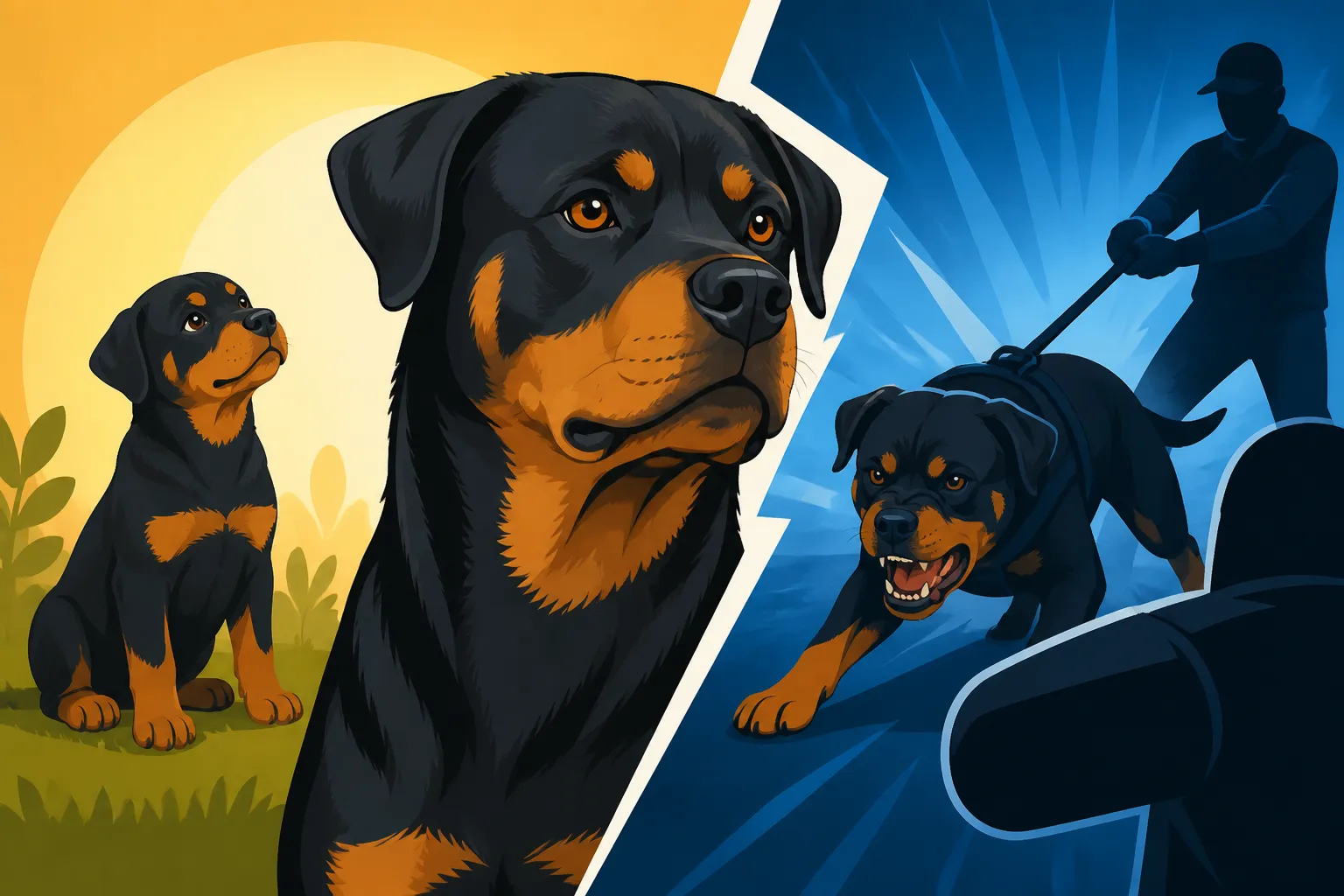
Let's face it, dog adolescence often feels like you've traded your sweet, eager-to-please puppy for a furry teenager who's forgotten everything they ever learned. With a Rottweiler, this phase can feel even more monumental because of their size, strength, and already formidable presence. It's a real shift, and it's okay to feel a bit blindsided by it.
When Rottweiler Adolescence Kicks In
Typically, Rottweilers enter adolescence somewhere around 6 to 8 months of age, and it can stretch out well past their first birthday, sometimes even closer to 18-24 months. Think of it as their "terrible twos" but with four paws and over a hundred pounds of muscle. Hormonal surges play a huge role here, whether your dog is intact or has been spayed or neutered. Their bodies are rapidly changing, their brains are remodeling, and they’re experiencing a burst of independence that makes them question the rules they once readily accepted.
Physically, your Rottweiler might still be growing into their frame. While their height might be mostly set, they'll continue to fill out, gain muscle, and develop that impressive chest and broad head. This continued physical development, especially when their Rottweiler Growth Plates Closing at Eighteen to Twenty-Four Months are still forming, means they're not yet physically mature, even if their attitude suggests otherwise. This can make rough-and-tumble play or demanding physical exercise tricky, as their joints are still vulnerable.
Common Adolescent Behaviors You Might See
During this phase, you might notice a whole host of new behaviors, or a resurgence of old ones you thought you'd successfully trained away. It’s like their internal hard drive has been wiped clean, and they’re downloading a whole new operating system – often with bugs.
One common frustration is the sudden "deafness" to commands they once aced. Your rock-solid recall might suddenly fail when a squirrel zips across the park. Leash pulling, which you thought was under control, can become a battle of wills, especially when your Rottweiler has gained another 20-30 pounds of strength. They might also become more selective about who they greet, exhibiting that classic Why a Rottweiler Waits Before Deciding aloofness more strongly, or even displaying some Rottweiler Reactivity That Starts on Walks towards other dogs or strangers. This isn't necessarily aggression; it's often a mix of fear, insecurity, and testing boundaries. You might also notice an increase in chewing, barking, or even resource guarding, as they mature and their protective instincts come to the forefront.
Why Your Rottweiler Starts "Testing" Boundaries
It's natural to feel frustrated, maybe even a little hurt, when your once-obedient Rottweiler starts acting out. You might wonder if you did something wrong, or if they've suddenly decided they don't like you anymore. Rest assured, this behavior isn't personal; it's a normal part of their development, driven by a complex mix of biological and psychological factors.
The Role of Hormones and Brain Development
Just like human teenagers, adolescent Rottweilers are awash in hormones. These chemical messengers can impact mood, energy levels, and even how they perceive their environment. This internal cocktail can make them more impulsive, more easily distracted, and less capable of self-control. It’s not that they want to defy you; it’s often that their rapidly developing brain can't quite keep up with their urges. The part of their brain responsible for impulse control and decision-making, the prefrontal cortex, is still under construction.
This means they might genuinely struggle to remember or execute commands when highly stimulated. That thrilling scent on the ground, or the sight of another dog across the street, can hijack their focus completely. It’s not wilful disobedience as much as it is a genuine struggle for self-regulation. Understanding this can help you approach their behavior with more patience and less frustration.
Increased Independence and Environmental Curiosity
As your Rottweiler matures, they naturally develop a stronger sense of independence. They're exploring their world with new confidence, pushing boundaries, and figuring out where they fit in the social structure – both with you and the wider world. This increased curiosity means they're more inclined to investigate new smells, sounds, and sights, sometimes to the exclusion of your voice.
They might wander further during off-leash play (if you're lucky enough to have a safe, enclosed space for it), or try to open doors they previously ignored. This is them gaining confidence and attempting to solve problems on their own, rather than always looking to you for direction. It's a sign of a maturing mind, even if it presents challenges. This is also when you might notice that strong The Rottweiler Guarding Instinct and How to Shape It truly starting to develop, as they become more aware of their surroundings and their perceived role in protecting their family and territory.
Learning From Experience: Consequences and Rewards
Dogs are constantly learning, and adolescence is a prime time for them to test the waters of cause and effect. If they pull on the leash and get to sniff that interesting bush, they've learned that pulling works. If they ignore your recall and get to chase a squirrel for a few glorious seconds, that momentary reward outweighs the eventual "consequence" of you finally catching them.
They are testing the consistency of your rules. Are you always going to enforce that "sit" before the door opens, or can they get away with barging through sometimes? This testing isn't malicious; it's how dogs learn the true boundaries of their world. Your reaction, or lack thereof, directly shapes their understanding. This is why consistency is absolutely critical during this phase. If you're struggling with them tuning you out, revisit something like Rottweiler Recall Training That Holds or Rottweiler Leash Pulling at Adult Weight to ensure your training foundations are still solid and you're not inadvertently rewarding the behaviors you don't want.
Practical Strategies for Navigating Adolescent Behavior
Dealing with a teenage Rottweiler can feel like a full-time job, but there are plenty of strategies you can employ to guide them through this stage with grace and firm, consistent leadership. The key is to re-establish yourself as the reliable leader and make good choices rewarding.
Revisit the Basics with Renewed Consistency
Think of adolescence as an opportunity to refresh and solidify all that early training. Your Rottweiler isn't just a puppy anymore; they can handle more complex commands and greater distractions. Go back to basics: sit, stay, come, down, leave it. Practice these commands in increasingly distracting environments. If you've been relying on treats, make sure they're high-value and delivered immediately for desired behaviors. For recall, try using a long line (easily found on Amazon) in a safe, open area to practice calling them back before they can fully ignore you and wander off.
Consistency is your superpower here. If you ask for a sit before meals, make sure everyone in the household asks for a sit, every single time. If you let things slide "just once," your smart Rottweiler will quickly learn that the rule isn't absolute. This also means being consistent with consequences – not punishment, but simply withholding the reward or removing the opportunity for unwanted behavior. For instance, if they jump on guests, turn your back until all four paws are on the floor.
Manage the Environment and Provide Enrichment
Management isn't a failure; it's a smart strategy. If your Rottweiler is counter-surfing, make sure there's nothing on the counters to surf. If they're chewing inappropriate items, invest in durable chew toys designed for powerful jaws (again, Amazon has a great selection of these for large breeds) and keep tempting items out of reach. When you can't actively supervise, crating can be a lifesaver, ensuring both their safety and your peace of mind. Remember, a Rottweiler needs a The Crate Size a Hundred Twenty Pound Rottweiler Needs.
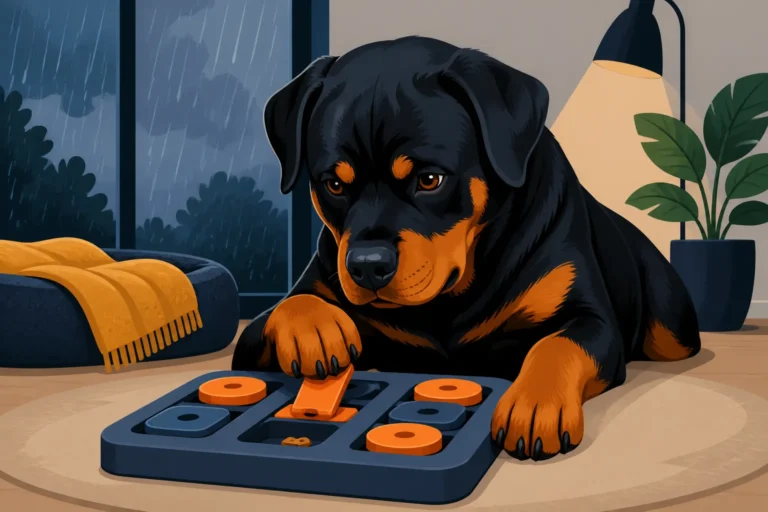
Enrichment is also crucial. Adolescent Rottweilers have boundless energy and developing minds. Physical exercise is important, but remember A Growing Rottweiler's Joints and Overexercise are still a concern. Focus on controlled walks, structured play, and mental stimulation. Puzzle feeders, snuffle mats, and scent games can tire them out mentally, which is often more effective than just physical exertion. Even a simple game of "find it" with their kibble scattered in the yard can be incredibly stimulating. Consider exploring Rottweiler Enrichment Beyond Walks for ideas.
Targeted Training for Specific Challenges
If specific behaviors are becoming problematic, dedicate focused training time to them.
- Leash Manners: If pulling is an issue, consider tools like a front-clip harness or a head halter, as these can give you more control without causing discomfort. Practice structured walks where your Rottweiler learns to walk politely by your side. Reward every step they take without pulling.
- Impulse Control: This is a big one for teenagers. Games like "leave it" (practiced with increasingly tempting items), "wait" before going through a door, or waiting for their food bowl can significantly improve their ability to control their impulses. Look into Rottweiler Impulse Control Games for ideas.
- Socialization: Continue to provide positive, controlled socialization experiences. This might mean parallel walks with a calm, well-behaved dog friend, or short, structured visits to a quiet park during off-peak hours. Avoid dog parks if your Rottweiler is showing signs of reactivity or overexcitement. The goal is positive exposure, not overwhelming them.
This table summarizes some common adolescent Rottweiler challenges and effective responses:
| Adolescent Behavior | Why It Happens | Effective Response |
|---|---|---|
| "Selective Deafness" (Ignoring cues) | Hormonal shifts, brain development, increased independence, distractions | High-value rewards, practice in varied environments, consistency, strong recall training on a long line. |
| Leash Pulling | Increased strength, curiosity, learned reward from pulling, poor impulse control | Front-clip harness or head halter, consistent loose-leash training, reward for slack leash, sudden changes in direction. |
| Chewing/Destructive Behavior | Boredom, anxiety, teething (if still young), energy outlet, testing boundaries | Ample appropriate chew toys, crate training when unsupervised, mental and physical enrichment, manage environment. |
| Reactivity (Barking/lunging at others) | Fear, insecurity, lack of appropriate social skills, overstimulation, guarding instinct | Avoid triggers, counter-conditioning (positive associations with triggers), desensitization, seek professional help if severe. |
| Resource Guarding | Natural instinct, insecurity, learned behavior | "Trade up" game (offer something better), consistent positive reinforcement for sharing, never punish growling, professional help if severe. |
When to Seek Professional Help
While adolescent antics are normal, there's a fine line between typical teenage rebellion and behaviors that require professional intervention. Knowing when to call in the cavalry can make all the difference in shaping your Rottweiler into a well-adjusted adult.
Red Flags That Signal Trouble
Some behaviors, especially in a powerful breed like a Rottweiler, shouldn't be ignored or dismissed as "just a phase." If you notice any of the following, it's time to seek guidance from a certified professional:
- Escalating Aggression: This includes growling, snapping, lunging, or biting at people or other animals, particularly if it's unprovoked or unpredictable. A single incident can be serious with a Rottweiler.
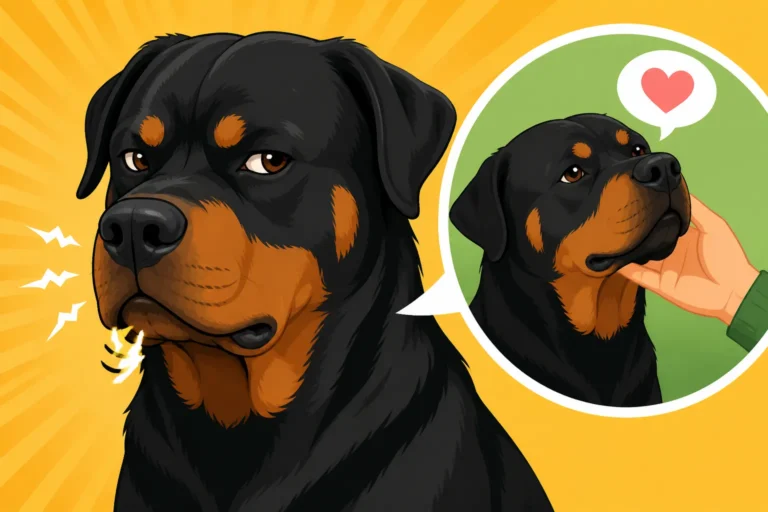
- Intense Resource Guarding: While some level of guarding is natural, if your Rottweiler is aggressively guarding food, toys, beds, or even people, making it unsafe to approach, this needs immediate attention. Punishing a growl will only suppress the warning, not the underlying emotion, making future bites more likely without warning.
- Severe Anxiety or Fear: Extreme fear of new situations, people, or objects, manifesting as panic attacks, destructive behavior when left alone, or withdrawal, are signs your dog is struggling.
- Uncontrollable Reactivity: If your Rottweiler's reactivity on walks or in public is severe – lunging, barking, and unable to be redirected – and you feel unsafe or unable to manage them, a professional can provide tailored strategies.
- Regressive Behavior: While some regression is normal, a sudden and persistent loss of all house-training, severe separation anxiety that was previously managed, or a complete shutdown in training can indicate an underlying issue.
If you're finding yourself overwhelmed, constantly stressed, or worried about your Rottweiler's behavior, that's also a valid reason to get help. You don't have to wait for a crisis.
Finding the Right Support
When it comes to professional help, look for certified positive reinforcement trainers, behavior consultants, or veterinary behaviorists. Avoid anyone who relies heavily on punishment, fear, or harsh corrections, as these methods can damage your bond with your Rottweiler and often exacerbate behavioral issues.
Online platforms like BAXTER & Bella offer comprehensive puppy and dog training programs that can be a fantastic resource for re-engaging with your adolescent Rottweiler. Their structured approach can help you reinforce good habits and introduce new skills from the comfort of your home, and their lifetime membership often provides access to trainers who can offer advice. For more severe issues, a local, Finding a Rottweiler-Experienced Trainer Near You is invaluable. Ask for their credentials, experience with large breeds, and references. A good trainer will observe your dog, listen to your concerns, and develop a customized plan that fits your family's needs and your Rottweiler's temperament. They can also help you understand the nuances of Rottweiler Behavior Changes That Mean Pain, as sometimes a sudden shift in demeanor can be linked to physical discomfort rather than just "bad behavior."
Navigating Rottweiler adolescence is a journey, not a sprint. There will be good days and challenging days. With patience, consistency, and a willingness to seek help when needed, you can guide your teenage Rottweiler through this phase, strengthening your bond and setting them up to be the magnificent, well-behaved adult you know they can be.
Disclaimer
This article is for general informational purposes only and does not constitute professional advice. Laws, prices and regulations vary by location and change over time. Consult a qualified professional for guidance on your specific situation.