Rottweiler Impulse Control Games
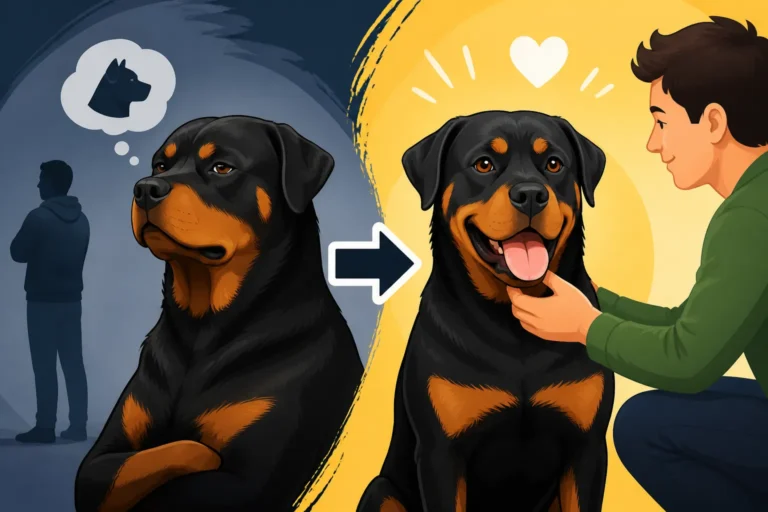
Living with a Rottweiler, as wonderful as it is, means living with a powerful dog whose instincts run deep. When these natural urges, like guarding, chasing, or exploring, aren't managed with a strong foundation of impulse control, you can find yourself in tricky, even dangerous, situations. This guide dives into practical games and strategies designed to teach your Rottweiler to think before acting, giving you both a more harmonious and safer life together.
Why Impulse Control is Non-Negotiable for a Rottweiler
Let's be real: a Rottweiler isn't a tiny lap dog. They are substantial, strong animals, and while their loyalty and calm demeanor within their family are legendary, their innate drives are equally powerful. Ignoring these drives, or failing to channel them correctly, is a recipe for trouble. Impulse control isn't just about good manners; it's a critical safety measure when you have a dog that can easily outweigh an adult human and move with surprising speed.
The "Metzgerhund" Legacy and Modern Living
Our beloved Rottweilers carry the legacy of their ancestors, the "Metzgerhund" or "butcher's dog" from Rottweil, Germany. These dogs were bred to drive cattle and guard valuable possessions, which means they have strong instincts for herding, protecting, and making quick decisions to control their environment. In a modern suburban or urban setting, these instincts don't just disappear. That sudden lunge at a squirrel during a walk, the uninvited lean or bump when a stranger approaches, or the intense focus on a dropped piece of food – these are all manifestations of those strong, historical impulses. Without deliberate training, that powerful drive to go after something or guard a space can easily translate into a dog pulling you off your feet, knocking over a child, or developing resource guarding tendencies. It's not about stifling their nature, but about teaching them the when and how to engage those instincts appropriately, and more often, to defer to your direction instead.
Safety First: Preventing Accidents with a Powerful Breed
Imagine trying to stop a 110-pound dog from bolting across a busy street after a cat, or preventing them from jumping excitedly on a fragile elderly relative. The sheer physics of a full-grown Rottweiler mean that mistakes in impulse control have bigger consequences. A small dog might get away with a quick dash or a minor jump, but a Rottweiler doing the same can cause serious injury or even put their own life in jeopardy. This is why we absolutely cannot afford to skip this foundational training. It's about empowering your dog to make better choices, giving you the peace of mind that you can safely manage them in any situation, and ensuring their overall well-being. From managing doorways to polite greetings, consistent impulse control training ensures that your big, loving Rottweiler is a joy, not a hazard, in your home and out in the world. It’s also why we strongly advocate for Training a Rottweiler Before It Outweighs You.
Foundation Games for Young Rottweilers
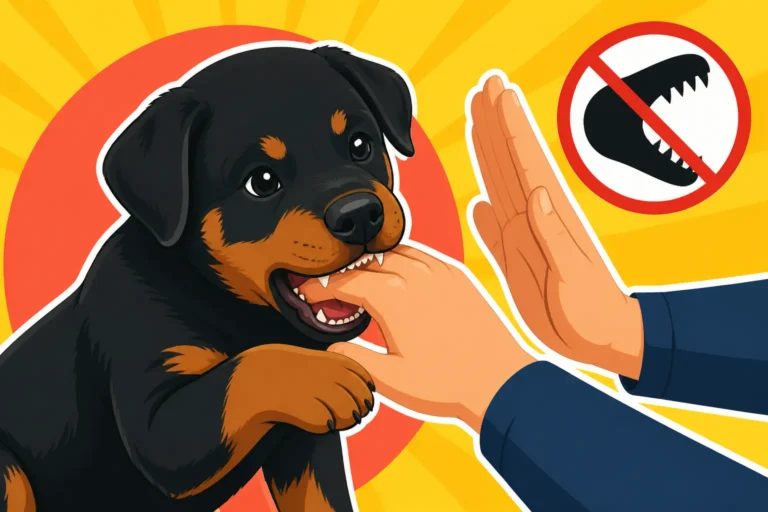
Starting early with impulse control games is perhaps the single most important thing you can do for your Rottweiler puppy. Their brains are sponges, and setting these patterns of patience and self-control while they're still small and manageable makes all the difference in their adult behavior. These aren't just tricks; they're life skills disguised as fun activities.
"Wait" and "Release" for Food and Doors
The "Wait" command, paired with a "Release" cue, is your golden ticket to a calmer, more controlled Rottweiler. This game teaches them that good things come to those who wait, and that your signal is what makes the good thing happen.
For Food:
Start with your puppy's meal. Place their bowl on the floor, but before you set it down completely, ask for a "Wait." Your puppy will likely try to dive in. Gently block them with your hand or body, without saying anything, until they show even a brief moment of stillness – perhaps their bottom touches the ground, or they simply pause and look at you. The instant they offer that stillness, say your "Release" word (like "Okay!" or "Free!") and let them eat. Gradually, increase the duration of the "Wait." You can put the bowl down, step back, and wait a few seconds before giving the release. Practice this for every meal. This isn't about being mean; it's about building a neural pathway that says, "Human has the resources, I need to look to them for permission."
For Doors:
This applies to any threshold – crates, house doors, car doors. As you approach a door, ask your Rottweiler to "Wait." If they try to barge through, gently close the door a little (or step in front of them) and ask for "Wait" again. The moment they pause, even for a split second, open the door a little wider and give your "Release" cue. The goal is for them to stand politely at the threshold, waiting for your permission to pass. This is crucial for safety, preventing them from bolting out into traffic or barging past guests. It also teaches them to think before acting on the impulse to rush ahead. For ongoing development, this ties in perfectly with comprehensive Rottweiler Puppy Training Through the First Year.
The "Take It, Leave It" Game
This game is a cornerstone for preventing common Rottweiler issues like resource guarding or ingesting dangerous items found on walks. It teaches them that ignoring something tempting in favor of focusing on you brings an even better reward.
How to Play:
- Start simple: Hold a less desirable treat (like a piece of kibble) in your closed fist. Present your fist to your puppy. They will sniff, paw, and maybe even mouth at your hand. Do not open your hand.
- Wait for disengagement: The instant your puppy pulls their head away from your hand, or even just looks away, mark that behavior with a verbal "Yes!" or clicker, and then immediately offer a much higher value treat from your other hand. This teaches them, "Ignoring that thing leads to something even better from my human."
- Add the cue: Once they reliably disengage, start adding the "Leave It" cue. Say "Leave It" as you present your closed fist. When they disengage, mark and reward.
- Introduce an open hand: Now, place the less desirable treat on the floor, cover it with your hand, and say "Leave It." If they try to get it, keep your hand covering it. When they look at you, mark and reward with a high-value treat from your other hand.
- Remove the hand: Gradually, place the less desirable treat on the floor and say "Leave It" without immediately covering it. If they move towards it, quickly cover it with your hand. When they back off or look at you, mark and reward. If they ignore it completely and look at you right away, that's a jackpot!
This game is transformative. Imagine walking past dropped food on the sidewalk, or a child’s toy. "Leave It" can literally be a lifesaver. This skill also directly impacts issues like The Rottweiler Guarding Instinct and How to Shape It. Many online training programs, like those offered by BAXTER & Bella, incorporate comprehensive 'Leave It' exercises as part of their core curriculum, offering guided steps and video demonstrations to help you master this with your pup.
Advanced Impulse Control Challenges for Adult Rottweilers
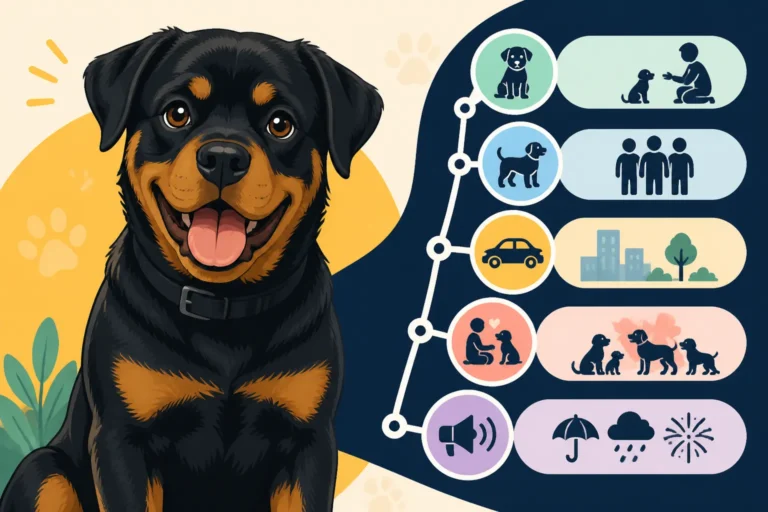
Once your Rottweiler has mastered the foundational games, it’s time to take their impulse control to the next level. This means adding distractions, increasing duration, and practicing in real-world scenarios where their natural instincts might be strongest. It's about moving from controlled environments to the chaos of everyday life.
Structured Walks and Leash Reactivity
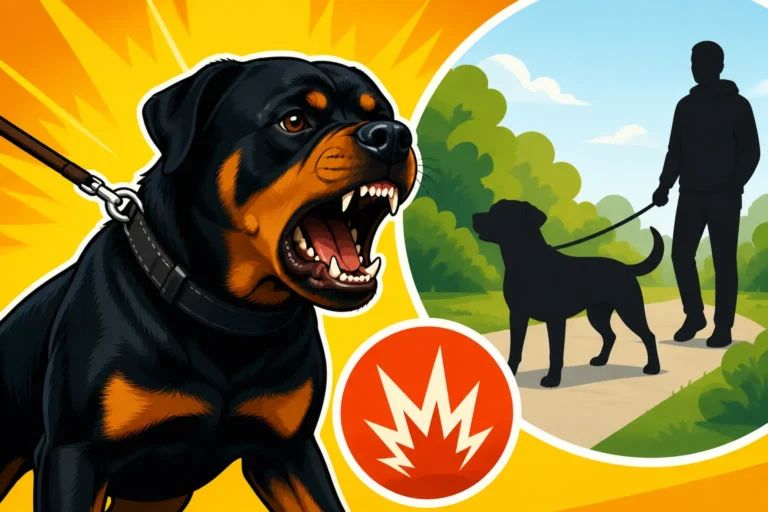
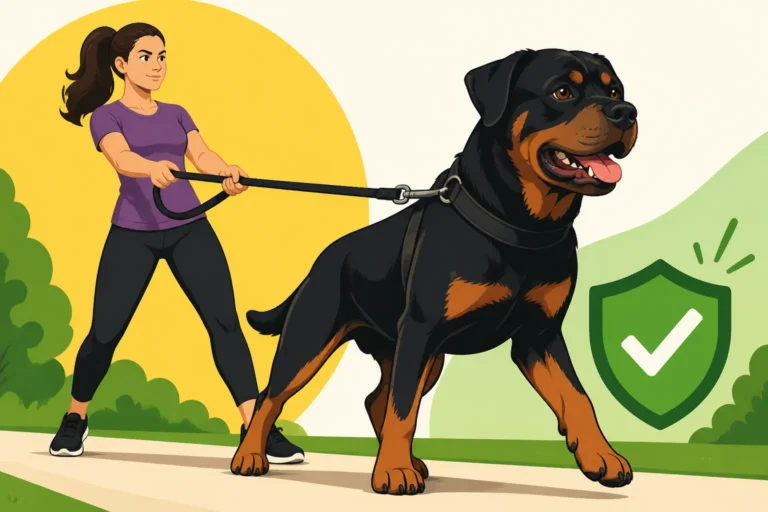
A Rottweiler who pulls or reacts on leash isn't just a nuisance; they're a massive force to contend with. Teaching them to maintain a loose leash and ignore distractions is a prime example of advanced impulse control. It's not enough for them to know how to walk politely; they need to choose to do it even when a tempting squirrel or another dog passes by.
The "Look at That" Game:
This game is brilliant for dogs who react to triggers (like other dogs or people) on walks. The goal is to change their emotional response from excitement or fear to a calm, "Oh, that's just a thing" response, associated with a treat.
- Identify triggers: What makes your Rottweiler pull, bark, or lunge? Other dogs, bicycles, kids, squirrels?
- Start at a distance: Find a spot where your dog can see their trigger, but is far enough away that they don't react strongly – just notice it.
- Mark and treat: The moment your Rottweiler looks at the trigger, say "Yes!" (or click) and immediately give them a high-value treat. Don't wait for them to look away; reward the observation.
- Repeat: Do this several times. The goal is for them to see the trigger, look at it, and then automatically turn to you for their reward. They learn: "Trigger appears = treat from human."
- Gradually decrease distance: As your dog becomes more comfortable and turns to you more readily, slowly decrease the distance to the trigger. If they start reacting, you've moved too close, too fast. Back up and try again.
This game systematically builds a positive association and encourages them to look to you instead of reacting to the distraction. Mastering this is key to enjoying walks with your big dog and is directly addressed in guides like Rottweiler Leash Manners at a Hundred Pounds.
"Zen Dog" and Stay Commands with Distractions
The "Zen Dog" exercise builds on "Leave It" but takes it to a higher plane of patience. It’s about teaching your Rottweiler to ignore temptations even when they're easily accessible, and combines beautifully with advanced "Stay" commands.
"Zen Dog" Exercise:
- Place a treat: Put a medium-value treat on the floor right in front of your Rottweiler.
- Give the "Leave It" command: As they look at it, give your "Leave It" cue.
- Wait for disengagement: When they look away or show indifference, reward them with a different, higher-value treat from your hand. The treat on the floor remains untouched.
- Increase duration and difficulty: Gradually increase the time the treat sits there and eventually, place several treats on the floor. The ultimate goal is for them to ignore the visible treats completely until you give a "Take It" or "Release" command.
This exercise is a true test of self-control and can be practiced anywhere – in the living room, in the yard, even at a coffee shop. You can even try placing a favorite toy from Amazon on the floor and asking them to leave it before playing.
Advanced "Stay" with Distractions:
Once your Rottweiler has a solid "Stay" command in a calm environment, it's time to proof it against real-world distractions.
- Start with low distractions: Have your Rottweiler "Stay" while you walk a few steps away. Return and reward.
- Add movement: While they "Stay," have a family member walk by, or bounce a ball quietly in the distance.
- Increase intensity: Progress to dropping a tempting toy, jingling keys, or having another person walk closer. The moment they break the stay, calmly reset them to their original position and restart. The key is to reward heavily for successful duration and successful ignoring of distractions. This requires a lot of patience from you, but the payoff for a calm, controlled Rottweiler is immense. This type of mental work is also excellent enrichment, as discussed in Rottweiler Mental Work on a Rainy Day.
Integrating Impulse Control into Daily Life
Teaching impulse control isn't a one-time class or a series of isolated games. For a Rottweiler, it needs to be an ongoing, seamless part of their daily life. This consistency transforms training from an exercise into ingrained habits and a reliable temperament.
Consistency is Key
I cannot stress this enough: consistency is the bedrock of successful Rottweiler training. Every member of the household, from adults to older children, needs to understand and enforce the same rules and cues. If one person lets your Rottweiler barge through the door, while another insists on a "Wait," you're sending mixed signals that undermine all your hard work.
Establish Clear Rules:
Decide on a few key impulse control rules that apply to everyone and every situation. For example:
- "Wait" at all doors (house, crate, car).
- "Leave It" for dropped food or items on walks.
- "Sit" before greeting any person or receiving anything (food, toys, leash).
These aren't suggestions; they are non-negotiable rules. When your Rottweiler approaches you for attention, wait for them to offer a sit before giving a pet. When you put their leash on, ask for a sit and a moment of calm before clipping it on and heading out. Make impulse control a part of every interaction, every day. It's often the small, daily habits that add up to big changes in behavior. Without this consistency, even the most dedicated training sessions will be fleeting, a point often made in articles like What Rottweiler Owners Get Wrong in the First Year.
Enrichment Beyond Training Sessions
While structured games are vital, a significant portion of a Rottweiler's impulse control comes from having their mental and physical needs met. A bored, under-stimulated Rottweiler is far more likely to engage in impulsive, destructive, or reactive behaviors. Think of it this way: if their brain isn't busy with appropriate activities, it will find its own (often undesirable) ways to stay active.
Puzzle Toys and Sniffing Games:
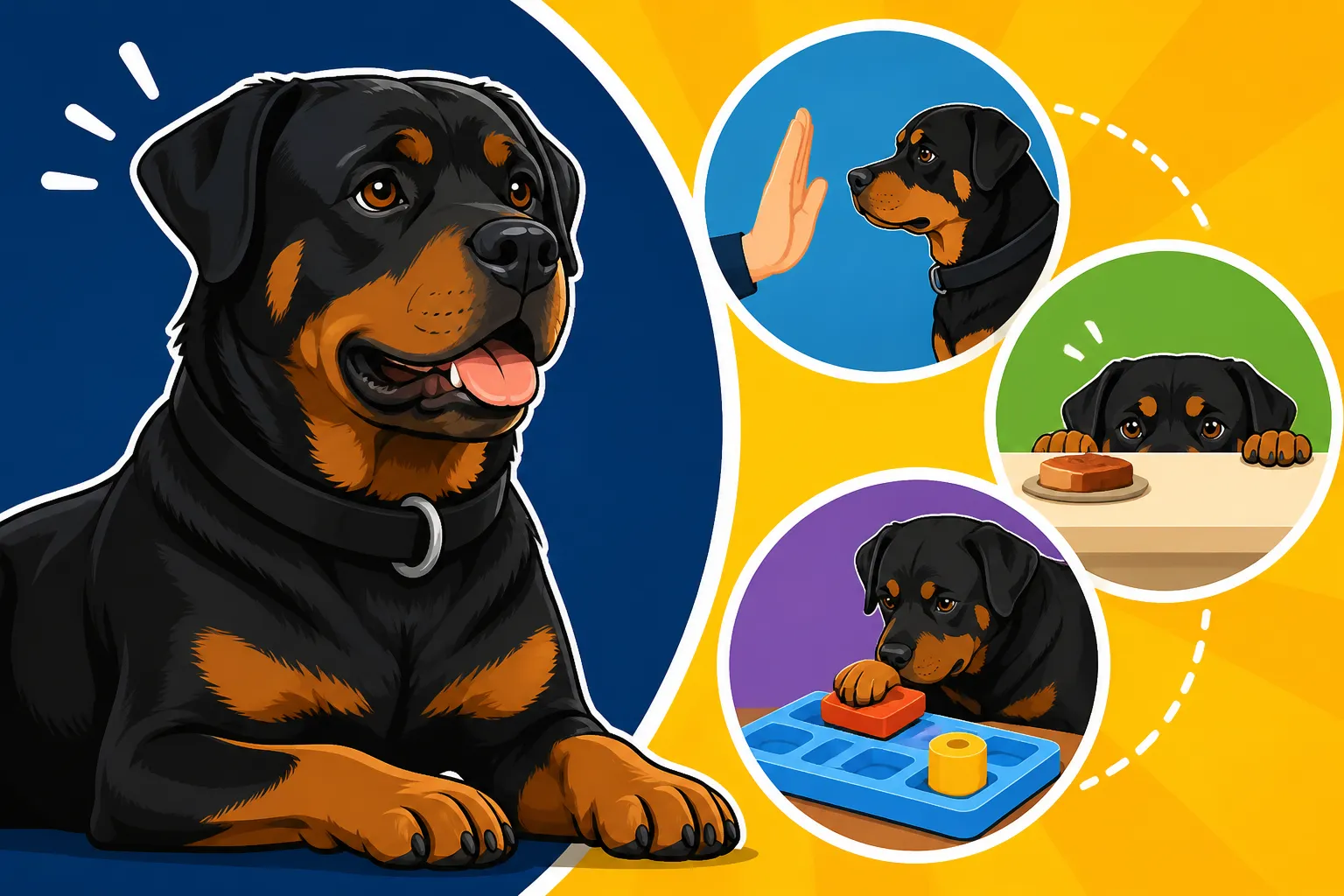
Invest in a variety of puzzle toys that make your Rottweiler work for their food or treats. These aren't just toys; they're mental challenges that encourage problem-solving and patience. Filling a KONG or a similar durable toy with frozen wet food or peanut butter can keep a Rottweiler engaged for a good chunk of time, teaching them to settle and focus. Sniffing games, where you hide treats around the house or yard, engage their powerful noses and provide incredible mental enrichment. This "scent work" is naturally calming and taps into their innate drives in a constructive way. You can find a vast array of options for Puzzle Feeders Built for a Rottweiler on platforms like Amazon, from simple treat balls to more complex interactive feeders. Providing these outlets reduces the likelihood of them seeking out inappropriate, impulsive behaviors. For more ideas on how to keep your Rottweiler engaged, check out Rottweiler Enrichment Beyond Walks.
When to Seek Professional Guidance
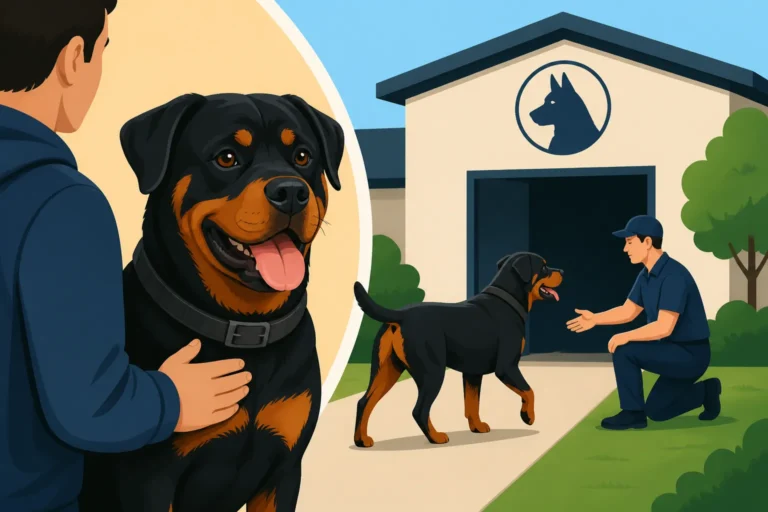
Even with the best intentions and consistent effort, some Rottweilers may present challenges that feel overwhelming. It’s important to recognize when professional help is not just beneficial, but necessary. There's no shame in seeking expert advice; it shows you're a responsible owner dedicated to your dog's well-being.
Signs You Might Need a Behaviorist:
- Persistent Aggression: If your Rottweiler displays aggression towards people or other animals that you cannot manage or predict, a certified professional dog behaviorist is crucial.
- Severe Reactivity: Beyond a few barks, if your dog is lunging, growling, or becoming uncontrollable on walks despite consistent training, specialized intervention may be needed.
- Deep-Seated Resource Guarding: While "Leave It" helps, if your Rottweiler is showing strong, dangerous guarding behaviors over food, toys, or even family members, this needs professional assessment.
- Overwhelm and Frustration: If you feel completely stuck, frustrated, or fearful of your dog's behavior, it's time to call in a professional.
A certified professional dog trainer or a veterinary behaviorist can assess the root cause of the behavior, rule out underlying medical issues (which often contribute to behavioral changes), and develop a tailored training plan. They can also teach you advanced techniques and provide crucial support. Sometimes, an outside, expert perspective is exactly what's needed to unlock your Rottweiler's full potential for calm, controlled behavior, helping them to master commands like Teaching a Rottweiler to Settle Indoors.
Table of Impulse Control Games and Their Benefits
Here's a quick overview of some essential impulse control games and what they teach your Rottweiler:
| Game Name | Primary Skill Taught | Example Scenario | Benefit for Rottweilers |
|---|---|---|---|
| Wait & Release | Patience, deference to owner | Waiting for food bowl, waiting at doorways, getting out of car | Prevents bolting, barging, promotes calm and respectful behavior |
| Take It, Leave It | Ignoring temptations, focus on handler | Ignoring dropped food, discarded trash, other dogs' toys | Prevents scavenging, resource guarding, protects from dangerous items, builds trust |
| Zen Dog | Sustained self-control, impulse suppression | Ignoring treats placed on the floor for extended periods | Strengthens self-control in tempting situations, builds mental fortitude |
| Structured Stays | Duration, focus amidst distraction | Staying in place while people walk by, or objects move | Builds reliability in commands, promotes a calm mindset in various environments |
| "Look at That" Game | Changing emotional response to triggers | Seeing another dog or squirrel and looking back at handler for treat | Reduces reactivity, builds positive associations with triggers, improves leash manners |
| Recall (Emergency) | Immediate response to command | Recalling away from an exciting distraction or potential danger | Critical for off-leash safety, overriding strong prey drive, builds strong bond |
Building a strong foundation of impulse control through these games transforms a powerful, instinct-driven Rottweiler into a confident, cooperative companion. It’s about building a partnership based on trust, respect, and clear communication, making every day a little bit smoother and a lot more enjoyable for everyone involved. Rottweiler Recall Training That Holds is a particular game-changer for safety.
Disclaimer
This article is for general informational purposes only and does not constitute professional advice. Laws, prices and regulations vary by location and change over time. Consult a qualified professional for guidance on your specific situation.