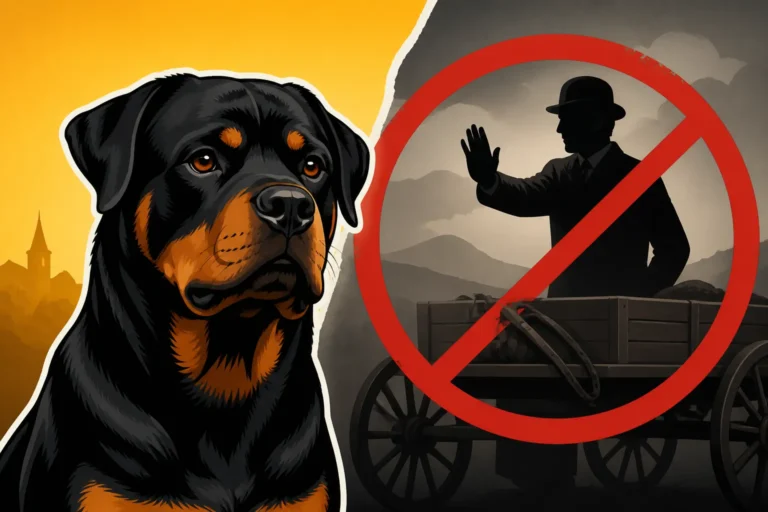
Why a Rottweiler Waits Before Deciding
It can be unsettling, even a little intimidating, when your big, powerful Rottweiler doesn't immediately bound up to a new person or situation with tail wags and enthusiastic greetings. Instead, they might stand still, observing intently, seemingly taking everything in without a clear reaction. This isn't rudeness or a sign of aggression; it's a deeply ingrained trait, a deliberate "wait-and-see" approach that has defined the breed for centuries. Understanding this inherent behavior is key to truly knowing and connecting with your Rottweiler, dispelling common misconceptions, and building a foundation of trust that allows their true, loyal nature to shine.
The Deep Roots of Rottweiler Deliberation
To truly understand why your Rottweiler approaches new experiences with such thoughtful consideration, we have to look back at their history. These aren't dogs bred for instant, frantic action or effusive greetings. Their purpose was far more serious and demanded a different kind of intelligence and composure.
The Drover's Eye: Observation and Assessment
Imagine the bustling Roman markets and the cattle drives that brought the original ancestors of the Rottweiler across the Alps into what is now Germany. These dogs weren't just herding; they were managing large, often unruly livestock, protecting them from rustlers, and later, guarding the butcher's hard-earned takings. This job required an incredible degree of situational awareness, patience, and the ability to assess threats and opportunities before acting. A rash move could scatter the herd, or worse, endanger the dog or its owner.
Therefore, the dogs that excelled in these roles were the ones who watched, processed, and then responded with deliberate, effective action. This wasn't about being quick to react with a bark or a lunge; it was about understanding the nuances of a situation. They needed to gauge the mood of the cattle, the intentions of passersby, and the overall dynamics of their environment. This inherent need for assessment became hardwired into their DNA. When your Rottweiler stands there, seemingly frozen, watching a new person or another dog, they're channeling generations of ancestors who excelled at this very observation. They're gathering data, evaluating potential threats or friendships, and formulating their response.
Guard Dog Instincts: Weighing the Risks
Beyond droving, the Rottweiler also served as a formidable personal and property guardian, earning them the name "Metzgerhund" or "butcher's dog" in their namesake town of Rottweil. A good guard dog doesn't bark at every leaf that blows by. That's a nuisance, not effective protection. Instead, a truly effective guardian differentiates between normal occurrences and genuine threats. They need to understand what constitutes a real danger and what is merely a new, but harmless, element in their territory.
This discerning nature is central to the "wait-and-see" temperament. When a stranger approaches the home or a new dog enters the park, your Rottweiler isn't just seeing a figure; they're analyzing posture, intent, sound, and movement. Is this person a threat or a welcome guest? Is the other dog playful or aggressive? Their calm, collected demeanor allows them to make these critical distinctions without jumping to conclusions. This isn't aloofness; it's a highly intelligent form of risk assessment. Their initial silence is often a form of data collection, a moment to decide whether an interaction is warranted or if the situation simply requires continued vigilance.
Understanding the "Wait-and-See" Temperament
So, what exactly does this "wait-and-see" behavior look like in your everyday life with a Rottweiler? It's often misunderstood, leading people to think Rottweilers are unfriendly, slow, or even aggressive, when in fact, they're simply being true to their breed's intelligent and discerning nature.
Observing the Environment and Processing Information
A Rottweiler's world is a constant stream of information, and they are masters at processing it. When you take your Rottweiler to a new place – say, a busy outdoor cafe or a friend's house – they won't typically rush in. Instead, they'll likely stand calmly by your side, head up, ears slightly attentive, eyes scanning. They might take a deep sniff of the air, registering all the new smells. This isn't hesitation; it's active observation. They're mapping out the space, identifying exits, entry points, potential resources, and, most importantly, all the individuals present.
They're taking mental notes: who is moving quickly, who is sitting still, what sounds are unusual, what objects are out of place. This detailed reconnaissance mission allows them to establish a baseline of normalcy for that environment. Only after they've processed this information do they generally start to relax or decide how to interact. It's a testament to their deep intelligence and self-assured nature that they feel no pressure to immediately engage. The Rottweiler Wait-and-See Response Explained delves deeper into this fascinating characteristic.
Assessing New Situations and Strangers
When your Rottweiler meets a new person, don't expect an instant greeting. Many times, they will maintain a respectful distance, or remain close to you, and simply watch. Their gaze might be steady, but not aggressive. They're observing body language, vocal tones, and overall demeanor. They might even appear to ignore the person for a moment or two, but rest assured, they're not. They are registering every detail.
This assessment period can feel awkward for the unfamiliar person, who might try to force an interaction, which is the absolute worst thing to do with a Rottweiler. Instead, give your dog the space and time to evaluate. A calm, non-threatening approach from the new person, ideally ignoring the dog at first or offering a treat gently (if permitted), is usually best. Only when the Rottweiler has decided that the person is not a threat and is worthy of attention will they often offer a tentative sniff, a soft lean, or even a slow tail wag. This isn't a sign of shyness; it's a sign of a Rottweiler's inherent caution and discernment, which is a key part of their The Calm Confidence a Rottweiler Standard Asks For. They truly live by the motto, "measure twice, cut once."
Processing Information Before Reaction: The Internal Monologue
Think of it like this: most dogs have an instant, external reaction to new stimuli. A Golden Retriever sees a new person, WAG WAG WAG, then greets. A Rottweiler sees a new person, observe, process, consider, decide, then maybe offers a calm greeting. There’s an internal monologue happening. "Is this a threat? Is this person safe? Are they bringing anything with them? How does my human feel about them?"
This internal processing means their reactions are often delayed compared to more effusive breeds, but they are typically well-thought-out and appropriate. This is why consistent training and clear communication from you are so crucial. If you've established yourself as the reliable leader, your Rottweiler will often look to you for cues. If you're relaxed and welcoming to a new guest, your Rottweiler will register that and adjust their assessment accordingly. If you're nervous, they'll pick up on that too and heighten their own vigilance. This complex internal process is why Training a Rottweiler Before It Outweighs You is so critical; you need to be able to guide that deliberation effectively.
Reading Your Rottweiler's Subtle Cues
Since Rottweilers are not always overtly expressive, especially in new situations, learning to read their subtle body language is crucial. Their "wait-and-see" isn't a blank slate; it's a nuanced communication.
Subtle Cues of Assessment: What to Look For
While a Rottweiler might appear still or even indifferent, there's a lot happening beneath the surface. Pay attention to their eyes: are they soft and curious, or hard and focused? A soft, blinking eye indicates a more relaxed dog. A hard, unblinking stare might suggest heightened vigilance or even discomfort. Watch their ears; they might subtly swivel, listening intently, even if their head doesn't move. Their mouth might be closed, but if you look closely, is there any tension around the lips? Is the tongue flicking in and out, or is the jaw tight?
Their posture, while often still, can also speak volumes. A Rottweiler standing tall and squarely, but with a loose tail and relaxed muscles, is observing calmly. If their weight shifts slightly back, or their tail is tucked in any way, even slightly, they might be feeling uncertain. When they eventually approach, observe if it's a slow, confident walk or a more hesitant, low-to-the-ground movement. Reading a Still Rottweiler That Is Not Relaxed can help you differentiate between calm observation and underlying tension.
Recognizing Warning Signs and Stress Signals
It's vital to differentiate a calm, assessing Rottweiler from one that is feeling overwhelmed or threatened. While their initial "wait-and-see" is normal, prolonged tension, combined with specific body language signals, should always be taken seriously.
Look for:
- "Whale eye": When you can see the whites of their eyes around the iris, especially if they're looking sideways without turning their head fully. This indicates stress or discomfort.
- Yawning or lip licking: Out of context, not after waking up or eating, these are often appeasement signals, indicating mild stress.
- Stiff body: A rigid stance, often with hackles slightly raised, signals heightened alert or potential defensiveness.
- Low growl or rumble: While Rottweilers have a characteristic "grumble" that can sometimes be misinterpreted, a low, guttural growl or The Rottweiler Grumble That Is Not a Growl that is accompanied by stiff body language is a serious warning that should never be ignored or punished.
If you observe these signs, it's your cue to intervene and remove your Rottweiler from the stressful situation. Never push them into an interaction they're clearly uncomfortable with, as this can erode trust and potentially lead to a defensive reaction.
The Critical Role of Early Socialization and Training
Given their inherent "wait-and-see" nature and powerful presence, proper socialization and training are not just important for Rottweilers; they are absolutely paramount. This breed needs guidance to channel their natural discernment into appropriate, confident interactions.
Building Positive Associations from the Start
For a Rottweiler puppy, the world can be a big, overwhelming place. Their natural inclination to observe and assess needs to be guided towards positive outcomes. This means introducing them to a wide variety of sights, sounds, people, and other dogs before they develop an ingrained fear or suspicion. Think of it as building a robust library of positive experiences. Every new person, every different type of dog, every novel sound or surface, should be associated with something good – a tasty treat, a favorite toy, or gentle praise.
Start young, ideally between 8 and 16 weeks, which is a critical socialization window. Take your puppy to safe, controlled environments. This might mean quiet walks in a park where you can observe from a distance, or carefully managed puppy playdates with vaccinated, friendly dogs. The goal is exposure, not forced interaction. Let them watch, process, and then decide to engage if they feel comfortable. Reward their calm observation and relaxed curiosity. Providing high-value treats from a trusted brand like Chewy during these exposures can create powerful positive associations. Remember, Rottweiler Socialization Before Sixteen Weeks is absolutely non-negotiable for a well-adjusted adult.
Structured Training to Guide Deliberate Behavior
Training a Rottweiler isn't just about teaching commands; it's about teaching them how to think and how to respond appropriately in various situations. Their "wait-and-see" temperament can be harnessed beautifully through obedience training. For example, teaching a solid "stay" or "place" command is incredibly useful when new guests arrive. It allows your Rottweiler to fulfill their natural observational role from a designated spot, without feeling the need to patrol or engage until released by you.
Classes like Puppy Classes That Accept Rottweilers are invaluable, not just for the basic commands, but for exposing your puppy to other dogs and people in a structured, positive setting. Advanced obedience can further refine their impulse control and decision-making. Since Rottweilers continue to grow and mature mentally until around two years of age, Rottweiler Puppy Training Through the First Year should be seen as a continuous process, building on fundamentals as they develop. Investing in professional training helps you understand how to communicate effectively with your discerning companion and provides them with the clear boundaries and expectations they thrive on.
Common Misinterpretations and How to Avoid Them
The Rottweiler's deliberate nature is frequently misunderstood, leading to unfair labels and potentially problematic interactions. As an owner, it's your responsibility to be an ambassador for your breed and clarify these nuances.
Aloofness Versus Aggression
One of the most common misinterpretations is mistaking a Rottweiler's natural aloofness for aggression or unfriendliness. As we've discussed, their "wait-and-see" approach means they don't immediately greet everyone with open paws. They are selective in their affections, and earning a Rottweiler's trust is a privilege. This doesn't mean they are inherently aggressive; it means they are discerning.
An aggressive dog often displays clear warning signs – growling, snarling, snapping, lunging. A truly aloof Rottweiler, on the other hand, might simply ignore someone, turn their head away, or move to create distance. They are often calm and self-contained, rather than agitated. It's crucial for owners to understand this difference. If your Rottweiler is calmly observing, allow them that space. If they are showing signs of genuine discomfort or aggression, that's a different issue that requires immediate intervention from a qualified professional. Why a Rottweiler Does Not Greet Everyone explains this distinction in more detail.
The "Unresponsive" Rottweiler: Patience is Key
Another common frustration for owners, especially those new to the breed, is when their Rottweiler seems to "ignore" commands in a novel or stimulating environment. You might think, "He knows 'sit' perfectly at home, why isn't he doing it now?" This isn't necessarily defiance. It's often their deep-seated tendency to process everything. In a new situation, their brain is busy analyzing the environment, the people, the sounds, and then, finally, your command.
Because of this, their reaction time might be slower than you expect. It requires patience and consistency on your part. Don't repeat the command endlessly; instead, give the command once, then wait. Give them a few seconds to process and respond. If they still don't comply, calmly guide them into the position, praise them, and then release. Over time, as they learn to trust your leadership and understand that your commands are consistent regardless of the environment, their response time will improve. Always carry high-value, small treats from a brand like Chewy during training outings to reinforce immediate compliance.
Building Trust and Effective Communication
The "wait-and-see" temperament means your Rottweiler needs a leader they can trust implicitly. They look to you for guidance, reassurance, and clear direction in navigating their world. Establishing this bond is the cornerstone of a happy, well-adjusted Rottweiler.
Consistent Leadership and Clear Expectations
Rottweilers thrive on consistency and clear expectations. They are powerful, intelligent dogs, and they need to know that you are a capable and fair leader. This doesn't mean being harsh or punitive; it means being firm, consistent, and predictable. If a rule applies sometimes, it must apply all the time. If "off-limits" means off-limits, it means that for every person in the household, every time.
When your Rottweiler knows what to expect from you, and understands that you are in control of the situation, they are better able to relax and trust your judgment. Their "wait-and-see" will shift from a defensive posture to a curious one, knowing that you will signal whether a new person or situation is safe. This applies to everything from feeding routines to walking manners, like preventing Rottweiler Leaning and Body Blocking. When they see you confidently handling new experiences, they learn to defer to your assessment.
Respecting Their Space and Boundaries
Just as you appreciate time to observe and process, your Rottweiler needs their own space and boundaries to feel secure. Never force a Rottweiler into an interaction they are clearly uncomfortable with, especially with strangers or children. Respect their cues if they try to move away or show signs of unease. Instead of pushing them, calmly remove them from the situation or redirect their attention.
Create a safe haven for your Rottweiler at home, like a comfortable crate or a designated bed where they can retreat when they need a break. Teach children to respect this space and not bother the dog when they are resting. Understanding and honoring your Rottweiler's need for personal space is a critical component of building a trusting relationship. It shows them that you understand and respect their individual personality, which is vital for a breed that often seeks to Whether a Rottweiler Should Sleep in Your Bedroom.
Positive Reinforcement to Encourage Desired Behaviors
Given their intelligent and deliberate nature, Rottweilers respond exceptionally well to positive reinforcement. They want to please you, but they also want to understand why they should do something. When you use rewards – whether it's treats, praise, or a favorite toy – you're clearly communicating that their actions are correct and desirable. This builds confidence and strengthens your bond.
Avoid harsh corrections or punishment, especially when they are simply observing or processing. This can make a discerning Rottweiler shut down, become fearful, or even defensive. Instead, reward their calm behavior, their quick response to commands, and their relaxed acceptance of new people or situations. For instance, if a new person enters your home and your Rottweiler sits calmly and observes instead of barking or lunging, immediately reward that behavior. This teaches them that their thoughtful "wait-and-see" approach, when followed by your guidance, is exactly what you want.
Here's a quick comparison of common "wait-and-see" scenarios and how to interpret them:
| Scenario | Initial Human Impression | Rottweiler's Internal Process | Correct Interpretation for Owners |
|---|---|---|---|
| Stranger approaches | "He's ignoring them, unfriendly." | "Assessing threat level, body language, intent." | Patiently allow observation, don't force interaction. |
| New dog in the park | "He's stiff, might be aggressive." | "Evaluating play style, energy, potential for conflict." | Observe closely; ensure space, reward calm disinterest or relaxed curiosity. |
| New object (e.g., vacuum) | "He's scared or stubborn." | "Is this a threat? Is it moving? What does it sound like?" | Introduce calmly, allow investigation, pair with positive rewards. |
| Asked to sit in a busy place | "He's being stubborn, knows the command." | "Processing environment, then your command." | Give command, wait patiently for processing, then guide if needed. |
| Meeting a new child | "He seems cold, doesn't like kids." | "Are they predictable? Loud? Grabby? Safe to approach?" | Supervise closely, ensure child is calm, reward gentle observation, never force. |
The Rottweiler's "wait-and-see" approach is a beautiful and intelligent part of their heritage. It speaks volumes about their discernment, their loyalty, and their deep desire to understand their world and their place within it. By embracing this trait with patience, consistent leadership, and positive guidance, you won't just have a well-behaved dog; you'll have a truly understood and cherished companion.
Disclaimer
This article is for general informational purposes only and does not constitute professional advice. Laws, prices and regulations vary by location and change over time. Consult a qualified professional for guidance on your specific situation.