Adding a JLPP Swab to a Rottweiler Panel Price
It's incredibly frustrating when you're trying to do right by your Rottweiler, especially when it comes to health testing, and you're met with a confusing array of panels, tests, and prices. Understanding exactly what you're paying for, and why a specific test like a JLPP swab is so important, can feel like navigating a maze. This guide is here to untangle the complexities, clearly outlining what adding a JLPP swab entails in terms of cost and its critical role in your Rottweiler's health panel.
Understanding the JLPP Test and Its Importance
Bringing a Rottweiler into your home means preparing for a large, powerful, and deeply loyal companion. But it also means being proactive about their health, and few genetic conditions are as devastating for Rottweilers as Juvenile Laryngeal Paralysis & Polyneuropathy, or JLPP. This isn't just a minor issue; it's a serious neurological disease that can severely impact a puppy's quality of life and even its survival.
What JLPP Actually Does to a Rottweiler
JLPP is a genetic disorder that primarily affects the nerves controlling the larynx (voice box) and, in more severe cases, other parts of the nervous system. Imagine a puppy that starts off seemingly normal, full of playful energy. Then, typically between three and five months of age, subtle changes begin. One of the earliest signs can be a change in their bark—it might sound hoarse or weak, or even completely absent. This happens because the nerves to the laryngeal muscles aren't working correctly, making it hard for the vocal cords to open and close.
As the disease progresses, puppies struggle with breathing, especially during exercise or excitement. They might start making a high-pitched, stridorous noise when they inhale, known as laryngeal stridor. Eating and drinking can become hazardous, as the lack of laryngeal control increases the risk of food or water going down the wrong pipe, leading to aspiration pneumonia. Beyond the larynx, polyneuropathy can cause weakness and coordination problems in the limbs, making walking unsteady and eventually leading to paralysis. It's truly heart-wrenching to witness, and for most affected puppies, the prognosis is grim, often requiring heartbreaking decisions by the time they are a year old. This is precisely why understanding What JLPP Actually Does to a Rottweiler is so important for every owner.
Why Genetic Testing is Crucial for Rottweilers
The insidious nature of JLPP is that it's an autosomal recessive condition. This means a puppy only develops the disease if it inherits two copies of the faulty gene – one from each parent. A dog that inherits only one copy is a "carrier." Carriers don't show any symptoms of the disease themselves, but they can pass the faulty gene on to their offspring. If two carriers are bred together, there's a 25% chance with each puppy that it will be affected by JLPP. There's also a 50% chance it will be a carrier, and a 25% chance it will be completely clear.
This genetic lottery is why testing is absolutely non-negotiable for responsible Rottweiler breeders. Knowing the genetic status of breeding dogs allows breeders to make informed decisions, preventing the heartbreaking birth of affected puppies. If one parent is a carrier, it must be bred to a dog that has tested "clear" of the gene. This ensures that no puppy in the litter will ever be affected by JLPP, although some might still be carriers themselves. This understanding is key to ensuring Why One Rottweiler Parent Must Test Clear before any breeding takes place. For prospective puppy owners, asking for proof of JLPP clearance for both parents is a fundamental step in ensuring you bring home a healthy puppy.
Breaking Down Rottweiler Health Panel Costs
When you're looking at the cost of a Rottweiler, especially from a reputable breeder, you'll notice that a significant portion often goes towards health testing. This isn't just a single test; it's a comprehensive suite of evaluations designed to screen for the genetic and congenital conditions prevalent in the breed.
Standard Health Clearances Beyond JLPP
A well-bred Rottweiler comes from parents that have undergone a battery of health screenings, often documented through the Orthopedic Foundation for Animals (OFA) or the Canine Health Information Center (CHIC) program. These standard clearances typically include:
- Hip Dysplasia Evaluation: Usually done via X-rays after the dog is 24 months old. This screens for a malformation of the hip joint that can lead to arthritis and pain. Rottweiler Hip Dysplasia and the OFA Grade is something every owner should be familiar with.
- Elbow Dysplasia Evaluation: Also X-rays taken after 24 months, looking for abnormalities in the elbow joint.
- Cardiac Evaluation: Often a specialized echocardiogram performed by a veterinary cardiologist to screen for inherited heart conditions like subaortic stenosis (SAS). Rottweiler Heart Disease and Subaortic Stenosis is a serious concern in the breed.
- Eye Examination: Performed by a board-certified veterinary ophthalmologist to check for inherited eye diseases, and often recertified every few years. Rottweiler Eye Certification and the Three Year Rule is a common practice.
These evaluations, which include physical exams, specialized imaging, and expert interpretations, collectively form the backbone of a responsible breeder's health program. They are crucial for reducing the incidence of debilitating conditions that can dramatically impact a Rottweiler's Rottweiler Lifespan and the Eight to Ten Year Average.
Where Genetic Tests Fit into the Panel
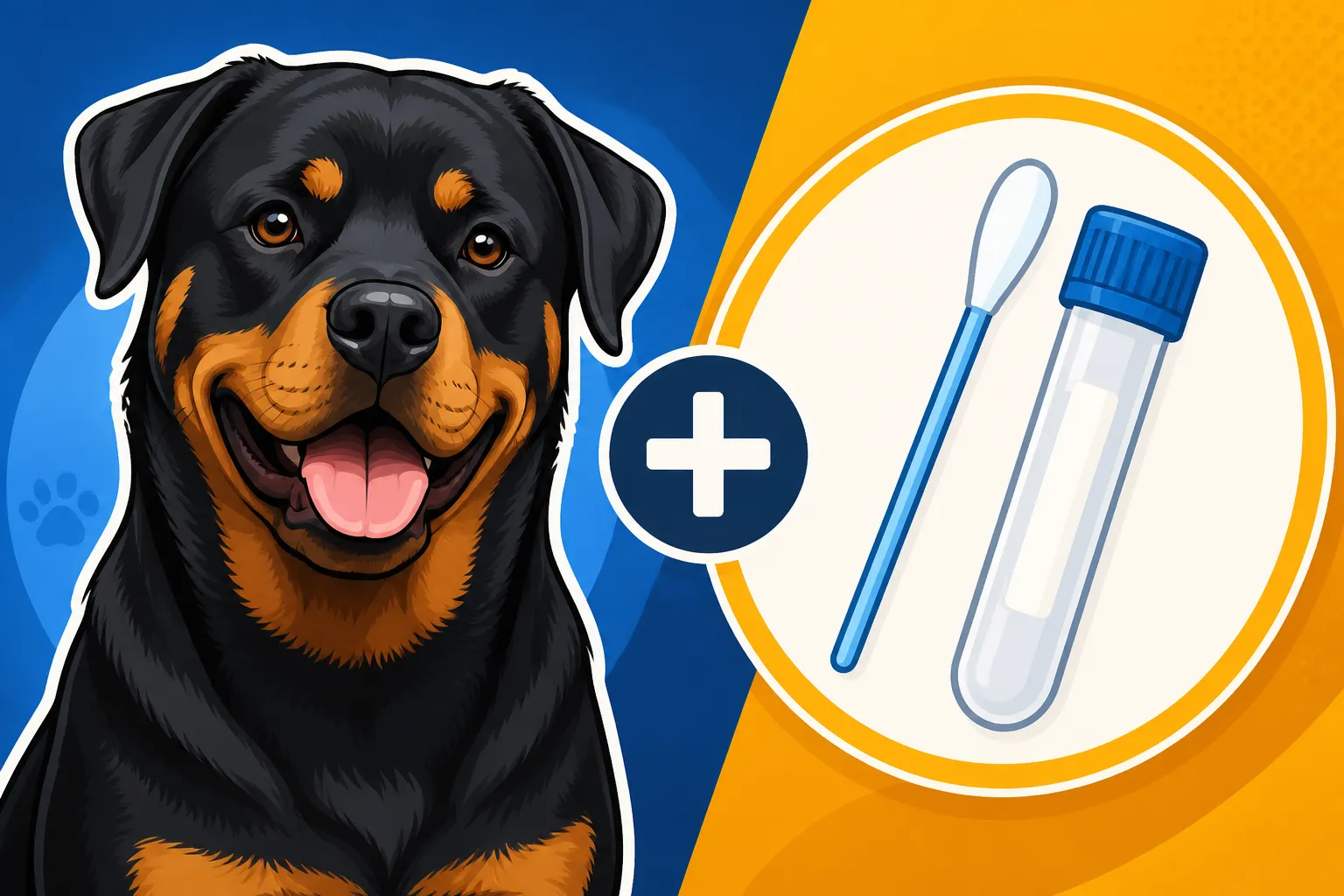
While conditions like hip and elbow dysplasia require physical evaluations at a mature age, genetic tests like the one for JLPP can be performed at any age, often even on young puppies or prior to breeding. These tests are typically done using a cheek swab, making them non-invasive and easy to collect.
Genetic panels have become increasingly sophisticated, often bundling multiple tests into one convenient kit. For Rottweilers, beyond JLPP, breeders might also screen for other inherited conditions, though JLPP is certainly one of the most critical. These genetic tests represent a different category of screening from the OFA hip/elbow X-rays or cardiac echocardiograms. They target specific genes, providing a clear "clear," "carrier," or "affected" result, which is invaluable for making breeding decisions and giving puppy buyers peace of mind.
The Cost of Adding a JLPP Swab to a Rottweiler Panel
So, what does it actually cost to get that crucial JLPP swab done, either as a standalone test or as part of a larger genetic panel? The price can vary based on several factors, including the testing laboratory, whether it's part of a bundled panel, and any associated vet fees for sample collection.
Specific Costs and Variations by Lab
Standalone JLPP tests are available, but many owners and breeders opt for comprehensive genetic panels that include JLPP along with other breed-relevant genetic markers. Reputable genetic testing companies like Embark Veterinary, Optimal Selection (MyDogDNA), and Paw Print Genetics are popular choices. These labs often offer different tiers of testing:
- Individual JLPP Test: If you're only focused on JLPP, some labs will offer this as a single test. The cost for a single genetic test like JLPP can range anywhere from $50 to $100. This might be an option if you have an older dog whose parents were never tested, and you just want to know their status, or if a breeder already has all other clearances and just needs this specific one.
- Basic Genetic Panel (including JLPP): Many labs offer panels that cover several common genetic conditions for Rottweilers, with JLPP usually included. These panels might cost between $100 to $200. This is a very common choice for breeders, as it provides a broader overview of a dog's genetic health for multiple conditions with one swab.
- Comprehensive Genetic Health Panel: The most thorough option, these panels test for hundreds of genetic markers, including JLPP, and often provide insights into traits, diversity, and even ancestry. Prices for these extensive panels can range from $150 to $300 or more. These are often chosen by breeders who want the most complete picture of their dog's genetic makeup, to ensure they're producing the healthiest puppies possible.
You might also incur a small veterinary fee (perhaps $20-$50) if your vet assists with collecting the cheek swab, though many owners comfortably do this themselves at home following the kit instructions. The lab provides a detailed report, often online, which explains the results for each tested condition. Understanding The RAB3GAP1 Test and What Clear Means is crucial for interpreting these results.
Bundled Panels Versus Individual Tests
The clear advantage of a bundled panel is efficiency and often cost savings. Instead of sending multiple swabs to different labs or paying for individual tests separately, a single cheek swab can yield results for numerous genetic conditions. This simplifies the process for breeders, ensuring they have comprehensive data for all their breeding stock.
Here's a quick comparison of what you might expect:
| Testing Approach | Typical Cost Range (USD) | Included Tests (Example) | Pros | Cons |
|---|---|---|---|---|
| Individual JLPP Swab | $50 – $100 | JLPP only | Cheapest if only JLPP is needed | May miss other important genetic conditions |
| Basic Rottweiler Panel | $100 – $200 | JLPP, LEMP, DM, potentially others | Good balance of cost and coverage for key breed-specific diseases | May not cover all possible genetic markers |
| Comprehensive Panel | $150 – $300+ | JLPP, hundreds of other genetic diseases, traits, diversity, etc. | Most thorough genetic screening available | Highest initial cost, potentially more information than strictly needed for breeding decision |
While the upfront cost might seem like another expense in the long list of What a Health-Tested Rottweiler Puppy Costs, it's a small investment with huge returns in terms of preventing suffering and ensuring the long-term health of the breed. Reputable breeders will be transparent about these costs and willing to share Health Papers to Ask a Rottweiler Breeder For.
Long-Term Value of Genetic Testing
Considering the average Rottweiler Lifespan and the Eight to Ten Year Average, the small upfront cost of a JLPP swab and other genetic testing truly offers significant long-term value. Imagine the emotional and financial burden of caring for a Rottweiler affected by JLPP – the constant vet visits, specialized care, potential emergency treatments, and the heartbreaking reality of such a severe condition. These costs far outweigh the price of prevention.
For example, without proper genetic testing, an affected JLPP puppy could lead to thousands of dollars in veterinary bills for diagnostics, supportive care, and potential palliative treatments. Even with a robust pet insurance plan from a provider like Healthy Paws, congenital and hereditary conditions might have specific waiting periods or exclusions, and continuous treatment for a severe condition would quickly eat into annual limits. Investing in health testing, including the JLPP swab, is a foundational step, much like choosing high-quality nutrition from places like Chewy or a tailored meal plan from Ollie to support your Rottweiler's overall well-being from puppyhood. It's about proactive care that contributes to What Actually Adds Years to a Rottweiler by avoiding known genetic pitfalls.
Ensuring your puppy comes from health-tested parents means you're not just buying a dog; you're investing in a future of companionship with fewer unexpected medical surprises related to genetic diseases. It's a critical component of responsible breeding and ownership, safeguarding the health and happiness of these magnificent dogs. This helps minimize the likelihood of devastating issues popping up later in your dog's life, significantly impacting The First Month With a Rottweiler Puppy and Its Bills and beyond.
Disclaimer
This article is for general informational purposes only and does not constitute professional advice. Laws, prices and regulations vary by location and change over time. Consult a qualified professional for guidance on your specific situation.