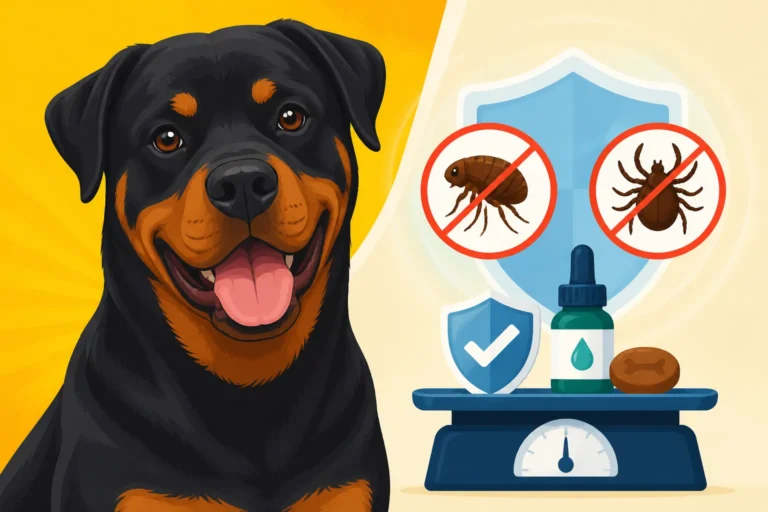
Wellness Add-Ons Worth Having for a Rottweiler
It's no secret that owning a Rottweiler comes with significant responsibilities, and let's be honest, the costs can sometimes feel like a punch to the gut. Beyond the initial puppy price and the endless bags of premium food, budgeting for routine veterinary care can be daunting. You want to give your beloved companion the best, but those regular check-ups, vaccinations, and preventive medications really add up. This guide aims to demystify wellness add-ons, exploring what they are, what they cover, and whether they genuinely offer a valuable way to manage the ongoing health expenses for your Rottweiler.
Understanding Wellness Add-Ons and Their Place in Rottweiler Care
When you first hear about "wellness add-ons" for your pet, it's easy to confuse them with pet insurance, but they’re actually quite different. Most pet insurance policies, like those offered by Healthy Paws, are designed to cover unexpected accidents, illnesses, surgeries, and sometimes chronic conditions. They're there for the big, sudden, and often heartbreaking bills, like if your Rottweiler needs emergency surgery for bloat or treatment for cancer. Wellness add-ons, on the other hand, are focused squarely on the routine, predictable aspects of your pet's healthcare.
Think of it this way: pet insurance is for the 'what if,' while wellness plans are for the 'what will be.' These plans aim to help spread out or reduce the cost of preventive care, which is absolutely crucial for a large, robust breed like a Rottweiler. From those initial puppy vaccinations to annual exams, dental cleanings, and parasite prevention, these are costs you know are coming. The frustration often stems from these predictable costs still feeling high, especially when you have a big dog whose medication dosages and annual procedures naturally cost more than a small terrier. Many providers now offer these plans, often as standalone options or as riders to an existing pet insurance policy, giving owners more flexibility in how they budget for their Rottweiler's health.
The Distinction Between Insurance and Wellness Plans
The core difference boils down to what they’re designed to protect against. Standard pet insurance policies primarily kick in for unforeseen circumstances. Imagine your Rottweiler suddenly developing a limp that turns out to be bone cancer, or experiencing a sudden collapse due to a heart condition. That's where pet insurance shines, covering a significant portion of those exorbitant, unplanned bills. These policies typically have deductibles, reimbursement percentages (like 80% or 90%), and annual limits. They aren't meant for your yearly vet visit or flea medicine.
Wellness plans, conversely, are structured more like a budgeting tool for routine care. They often operate on a reimbursement model or offer pre-paid discounts for a set list of services. You might pay a monthly fee, and in return, the plan covers or heavily discounts things like annual physicals, routine vaccinations, or even a spay or neuter procedure. For a Rottweiler owner, this distinction is vital. You absolutely need insurance for the potential major health crises common in the breed, such as sudden and severe orthopedic issues or the very real threat of bloat. But you also have predictable, recurring costs for maintaining their day-to-day health, and that's where a wellness plan might come into play to ease that burden. It’s about being prepared for both the expected and the unexpected.
Why Routine Care Is Non-Negotiable for Rottweilers
Rottweilers, magnificent as they are, come with their own set of potential health challenges that make consistent, high-quality routine care absolutely non-negotiable. Their rapid growth as puppies necessitates careful monitoring to prevent developmental orthopedic diseases. Regular vet visits ensure that their Rottweiler Growth Plates and Why They Close So Late are developing correctly and that they aren't being over-exercised. As they mature, annual exams are critical for early detection of issues like heart murmurs, which could indicate conditions like Subaortic Stenosis in Rottweiler Puppies, or the first subtle signs of joint problems that can lead to debilitating conditions such as hip and elbow dysplasia.
Moreover, preventive measures like regular parasite control and vaccinations are fundamental to keeping a large, active dog healthy and safe from common diseases. Rottweilers can also be prone to certain cancers, making regular check-ups and early screenings as they age particularly important. Even something as seemingly minor as good dental hygiene can prevent serious systemic health problems down the line; their powerful jaws mean they need strong, healthy teeth, and neglecting Rottweiler Dental Disease and Cracked Teeth can lead to painful infections and expensive extractions. By investing in routine care, you’re not just treating problems; you’re proactively safeguarding your Rottweiler’s health and potentially extending their Rottweiler Lifespan and the Eight to Ten Year Average.
Common Wellness Services Covered by Add-Ons
When you're looking at wellness add-ons, you'll find they typically group services into tiers or specific packages. The beauty of these plans for a Rottweiler owner is that they often address the very things that cause a steady outflow from your wallet. These aren't just minor costs; a single annual exam, a round of vaccinations, and a few months of parasite prevention can easily run into several hundred dollars. For a large breed like ours, everything from routine bloodwork to anesthetic costs for a dental cleaning will be on the higher end, simply due to their size.
It’s worth digging into the details of what each plan offers, because not all wellness add-ons are created equal. Some might focus heavily on puppy care, making them an excellent choice for new Rottweiler families, while others are geared towards adult maintenance or even the specific needs of a senior Rottweiler. Understanding these covered services helps you align a plan with your dog's current life stage and anticipated health needs.
Routine Examinations and Vaccinations
Every Rottweiler, from a clumsy puppy to a wise old senior, needs regular veterinary check-ups. These routine examinations are the cornerstone of preventive care. For puppies, these visits are frequent in the first few months, involving a series of vaccinations against common diseases like distemper, parvovirus, and rabies. Each visit also includes a thorough physical exam, where the vet checks for things like heart murmurs, signs of parasites, and proper growth. A wellness add-on can bundle these initial, multiple visits and their associated vaccine costs, which for a Rottweiler puppy can quickly add up.
For adult Rottweilers, annual wellness exams are essential. These are opportunities for your vet to perform a comprehensive physical, listen to their heart and lungs, check their joints, and generally assess their overall health. Many plans will cover the cost of this annual visit and any booster vaccinations your dog needs, such as a kennel cough vaccine if they frequent dog parks or boarding facilities. Some advanced plans might even include yearly bloodwork, which is a fantastic proactive measure, especially as your Rottweiler approaches middle age, helping to catch issues like Thyroid Disease Behind a Rottweiler's Dull Coat or early kidney changes before they become more serious. This kind of consistent monitoring is invaluable for catching health concerns early in a breed where rapid intervention can be critical.
Parasite Prevention and Basic Screenings
Living with a Rottweiler means being diligent about protecting them from internal and external parasites. Fleas, ticks, and heartworms aren't just annoying; they can cause serious health problems, from skin allergies and anemia to potentially fatal heart and lung disease. Most wellness add-ons will include coverage for a significant portion, if not all, of your monthly or quarterly Parasite Prevention Dosed for a Rottweiler's Weight. Given the higher cost of these medications for a large dog, this can represent substantial savings over the course of a year.
Beyond prevention, many plans also cover basic screenings, which are particularly relevant for Rottweilers. This might include annual heartworm tests, fecal exams to check for intestinal parasites, and sometimes even urinalysis. These screenings are quick, relatively inexpensive, but incredibly effective tools for maintaining your dog’s health. They provide a baseline for your vet and can flag issues long before your dog shows obvious symptoms. For instance, detecting intestinal worms early means a simpler, less expensive treatment and less discomfort for your Rottweiler. Some plans even offer coverage for specific genetic tests or early screenings for breed-specific concerns if that aligns with the plan's offerings and your dog's age.
Dental Care and Spay/Neuter Procedures
Dental health is often overlooked, but it's paramount for a Rottweiler's overall well-being. Large breeds are just as susceptible to plaque and tartar buildup as smaller dogs, and neglecting it can lead to painful infections, tooth loss, and even systemic health issues affecting the heart and kidneys. A professional dental cleaning requires anesthesia, and for a big dog, that means higher costs for both the anesthesia itself and the scaling and polishing procedure. Many wellness add-ons include a benefit for an annual dental cleaning, which can be a huge relief to your budget. Keeping up with your Rottweiler’s dental health can also prevent the need for more invasive and costly procedures down the line.
For Rottweiler puppies, the spay or neuter procedure is one of the most significant initial veterinary expenses. This surgery is often covered or heavily discounted by many wellness plans, especially those geared towards younger dogs. Getting this done not only helps with population control but can also reduce the risk of certain health issues later in life, such as mammary cancer in females or prostate problems in males. Having this major expense accounted for in a wellness plan can make the first year of Rottweiler ownership feel much more manageable.
Evaluating Different Wellness Plans and Providers
Choosing a wellness add-on isn't quite as straightforward as picking a bag of kibble off the shelf at Chewy. You really have to look closely at the details, because what sounds great on paper might not actually fit the needs of your particular Rottweiler or your budget. Different providers structure their plans in various ways, and the services covered can vary wildly. It’s not just about the monthly premium; it’s about the overall value, the convenience, and how well it aligns with your vet’s recommendations for your specific dog.
For instance, some plans might have a fixed annual payout for each service, while others offer a percentage reimbursement or a flat co-pay. You also need to consider network restrictions – does your current trusted veterinarian accept the plan? Or will you need to switch providers to utilize the benefits? These are all crucial questions to ask before committing to a plan, especially when dealing with a large breed that requires specialized care and sometimes specific veterinary expertise.
Comparing Coverage Tiers and Benefits
Most wellness plan providers will offer different tiers of coverage, often labeled as "Essential," "Plus," or "Premium." Each tier usually includes an increasing number of covered services and higher reimbursement limits for those services. When evaluating these, consider your Rottweiler's age and health status. A young puppy might benefit most from a plan that heavily covers multiple vaccination visits, deworming, and a spay/neuter. An adult Rottweiler might need a plan that prioritizes annual exams, comprehensive bloodwork, and a yearly dental cleaning. For a Senior Rottweiler Care After the Age of Seven, you'd want to look for plans that cover more frequent exams, senior blood panels, and perhaps even some joint supplements.
Take the time to list out the specific routine services you anticipate needing for your Rottweiler over the next year, and then compare that list against what each plan's tier offers. Don't be swayed by plans that cover obscure services you'll never use. Instead, focus on the big-ticket routine items that you know you'll pay for out of pocket anyway. For example, if your Rottweiler gets regular Rottweiler Ear Care Under a Drop Ear due to recurring infections, look for a plan that might include ear flushes or specific medication costs. It’s all about matching the plan to your Rottweiler’s unique health profile and your veterinary care philosophy.
Understanding Reimbursement and Payment Structures
Wellness plans aren't generally "pay and forget" like some human health insurance. Most operate on a reimbursement model. This means you typically pay your veterinarian directly at the time of service, and then submit a claim to your wellness plan provider for reimbursement. The amount you get back will depend on the plan's specific terms: it could be a fixed dollar amount for a particular service, a percentage of the vet bill, or a co-pay system where you pay a small fixed amount and the plan covers the rest.
It's vital to clarify these structures upfront. For example, if a dental cleaning for your Rottweiler costs $800, and your wellness plan offers a $300 reimbursement for dental cleanings, you’re still responsible for $500. This is very different from a plan that might offer 80% reimbursement, leaving you to pay $160. Also, check for waiting periods before certain services are covered, and any annual limits on specific benefits or the total annual payout. Many pet insurance companies, like those that offer wellness add-ons, also have online portals or apps where you can manage claims, which can be very convenient. Some providers might even integrate directly with certain vet clinics for easier processing. Understanding these financial mechanics ensures you won't be surprised when it's time to pay the bill.
What to Watch Out For: Exclusions and Hidden Costs
Even the most comprehensive wellness add-ons can have exclusions, and it’s important to read the fine print carefully. Common exclusions might include pre-existing conditions (though less common for wellness than for insurance, it’s still worth checking), specific types of experimental treatments, or services that aren't deemed "medically necessary" by the provider. For Rottweilers, this could mean that certain specialized joint evaluations not typically part of a routine exam might not be covered, even if recommended by your vet to monitor for issues like Rottweiler Hip Dysplasia and the OFA Grade.
Hidden costs can also pop up. Does the monthly premium increase significantly each year as your Rottweiler ages? Are there administrative fees for processing claims? What if you decide to cancel the plan early? Some plans may require you to fulfill the entire annual payment even if you cancel mid-year. It’s also important to confirm if any dietary foods or supplements, even those prescribed by your vet for health management, are covered. For example, if your Rottweiler needs Joint Supplements Started Before a Rottweiler Turns Two, will the plan contribute to that cost? Brands like Chewy and Ollie make it easy to get specialty foods and supplements delivered, but the cost of the actual products might not be part of your wellness plan’s coverage. Always ask for a sample policy and go through it with a fine-tooth comb before signing up.
Making the Decision: Are Wellness Add-Ons Right for Your Rottweiler?
The decision to invest in a wellness add-on for your Rottweiler really boils down to your personal financial situation, your dog's specific health needs, and your overall approach to budgeting for pet care. There’s no universal "yes" or "no" answer, because every family and every dog is unique. For some, the peace of mind and the predictable monthly payment make it an excellent tool for managing expenses. For others, particularly those who are adept at self-budgeting or have very healthy dogs with minimal routine costs, it might not offer enough value to justify the recurring premium.
Ultimately, it’s about evaluating whether the sum of the benefits outweighs the cost of the premiums over a year. Will you actually utilize all the covered services? And will the reimbursement amounts genuinely save you money compared to paying out of pocket? For a large breed like a Rottweiler, whose standard vet bills are often higher across the board, the savings potential from covered items like vaccinations, bloodwork, and a yearly dental cleaning can be quite significant.
Weighing the Pros and Cons
Let’s break down the advantages and disadvantages to help you decide:
Pros:
- Predictable Budgeting: A fixed monthly payment helps you budget for routine veterinary expenses, avoiding large, unexpected bills for things like annual exams or vaccinations.
- Encourages Preventive Care: Knowing that routine services are covered or discounted might encourage more consistent vet visits and preventive measures, which are crucial for early detection of problems in Rottweilers.
- Potential Savings: For pet parents who diligently utilize all the covered services, the total value of reimbursements can sometimes exceed the annual premium, leading to genuine savings.
- Comprehensive Health Approach: Encourages a holistic approach to your Rottweiler’s health, ensuring they receive regular check-ups, screenings, and preventive treatments.
Cons:
- Cost vs. Usage: If you don't utilize all the covered services, you might end up paying more in premiums than you receive in benefits.
- Limited Coverage: Wellness plans do not cover unexpected accidents or illnesses, which are often the most expensive veterinary events. You still need separate pet insurance for this.
- Exclusions and Limits: Plans can have caps on how much they'll reimburse for specific services, or exclude certain procedures or medications.
- Network Restrictions: Some plans might limit you to a specific network of veterinarians, which might not include your preferred vet.
For example, if you know your Rottweiler will need yearly vaccines, an annual exam, a heartworm test, and a dental cleaning, add up the typical costs for these procedures in your area (consider that Rottweiler Vaccination Costs at a Clinic can vary). Then, compare that total to the annual cost of the wellness plan's premium plus any deductibles or co-pays.
| Service | Typical Out-of-Pocket Cost (Rottweiler) | Wellness Plan Coverage (Example) | Net Cost with Plan |
|---|---|---|---|
| Annual Exam | $80 – $150 | 100% covered | $0 |
| Core Vaccinations (e.g., DHPP, Rabies) | $70 – $120 | 100% covered | $0 |
| Heartworm Test | $40 – $70 | 100% covered | $0 |
| Fecal Exam | $30 – $60 | 100% covered | $0 |
| Annual Dental Cleaning (anesthesia) | $600 – $1200 | $400 reimbursement | $200 – $800 |
| Total Routine Care | $820 – $1600+ | $670+ | |
| Monthly Premium | N/A | $40 – $70 | |
| Annual Premium | N/A | $480 – $840 |
(Note: These are estimated costs and coverage examples. Actual costs and benefits vary significantly by location, vet clinic, and specific plan.)
This table highlights how, even with a plan, you might still have out-of-pocket costs, especially for higher-ticket items like dental cleanings, but the total net cost for routine care is generally reduced.
Who Benefits Most from a Wellness Add-On?
Wellness add-ons tend to be most beneficial for specific types of Rottweiler owners and at certain stages of a Rottweiler's life.
- New Puppy Owners: The first year of a Rottweiler's life involves multiple vet visits for vaccinations, deworming, and a spay or neuter procedure. A wellness plan designed for puppies can consolidate these costs and make them more predictable.
- Owners Who Prioritize Proactive Care: If you’re committed to regular check-ups, all recommended vaccinations, and annual dental cleanings, a wellness plan ensures you won't skip these vital services due to cost concerns.
- Budget-Conscious Owners: For those who prefer to spread out their veterinary expenses into predictable monthly payments rather than face larger, lump-sum bills throughout the year.
- Rottweilers with Specific Routine Needs: Some Rottweilers might have ongoing needs that fall under wellness, such as regular anal gland expressions, or frequent Rottweiler Allergies and Recurring Skin Infections that require consistent vet visits and sometimes specific diagnostic tests.
- Senior Rottweiler Owners: As your Rottweiler ages, Vet Visit Frequency for a Senior Rottweiler tends to increase, often including more comprehensive bloodwork and screenings. A good wellness plan can help manage these rising routine costs.
If you are the type of owner who might occasionally delay a routine vet visit or dental cleaning due to budget concerns, a wellness add-on could provide the motivation and financial support to ensure your Rottweiler consistently receives the preventive care they deserve. This proactive approach can lead to a healthier, happier, and potentially longer life for your cherished companion.
Disclaimer
The information provided in this article is for general informational purposes only and does not constitute veterinary advice. Always consult with a qualified veterinarian for any health concerns or before making any decisions about your Rottweiler's medical care or insurance plans. Specific costs and coverage details for wellness add-ons vary by provider and location; thorough research and direct inquiry are highly recommended.