Registering a Rottweiler Microchip in Your Own Name
There's a special kind of gut-wrenching panic that sets in when your big, beloved Rottweiler is suddenly nowhere to be found. Your mind races: did they slip out the gate? Did they bolt after a squirrel on a walk? In those terrifying moments, you pray for a lifeline, and often, that lifeline is supposed to be their microchip. But here’s the thing many owners only learn after the scare: a microchip is only as good as its registration. This guide will walk you through the absolute essentials of making sure your Rottweiler's microchip is correctly registered in your name, offering the best chance for a happy reunion should the unthinkable happen.
Understanding Your Rottweiler's Microchip
When you first bring home your Rottweiler, whether as a tiny, wobbly puppy or a dignified adult from a rescue, you often hear they're "chipped." It sounds like a complete solution, right? Like some invisible force field that ensures their safe return. The reality is a bit more nuanced.
What Is a Microchip, Really?
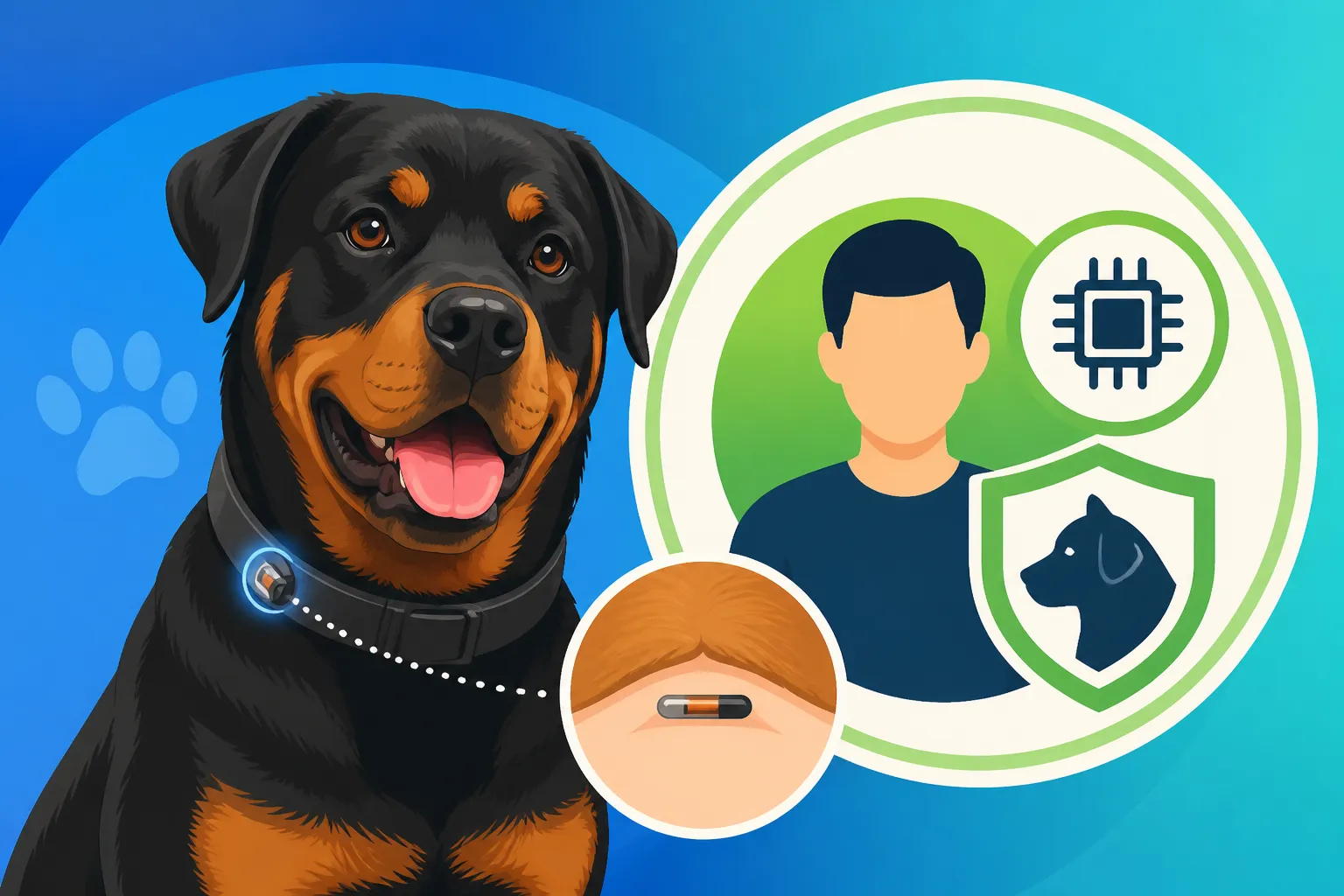
A microchip is a tiny, rice-grain-sized transponder that's typically injected under your Rottweiler's skin, usually between the shoulder blades. It’s a simple, quick procedure that feels much like a routine vaccination. This little chip holds a unique identification number, nothing more. It doesn't have a battery, it doesn't emit a signal, and it certainly isn't a GPS tracker – a common misconception! Think of it less like a beacon and more like a tiny barcode that a scanner can read. When a vet, shelter, or animal control officer scans your dog with a special device, that unique number appears. Without that number being linked to your current contact information in a database, it’s just a number, not a homecoming ticket.
Why Microchips are Essential for Rottweilers
For a breed like the Rottweiler, microchips are arguably even more critical than for smaller, less imposing dogs. Your Rottweiler, while a gentle giant to you, can appear intimidating to strangers if they're lost and alone. People might be hesitant to approach them, making it harder for someone to read a collar tag or guide them to safety. A lost Rottweiler might also be more prone to wandering further, especially if their guarding instincts kick in and they decide to patrol an unfamiliar area.
Beyond the initial fear of loss, there's a layer of responsibility that comes with owning a large, powerful breed. If your lost Rottweiler, through no fault of their own, ends up in a situation where they intimidate someone or cause an incident, having immediate and verifiable identification can be crucial. It helps establish ownership quickly and responsibly. Also, considering the average Rottweiler Lifespan and the Eight to Ten Year Average, you want every possible tool to keep them safe throughout their life. Many facilities, from boarding kennels to vet clinics, also require microchips for their own identification and safety protocols, making it a standard part of responsible pet ownership.
The Critical Step: Registering Your Rottweiler's Microchip
This is where the rubber meets the road. Getting a microchip implanted is just the first half of the equation. The second, and arguably most important, half is registration. This is the step that many people either forget, misunderstand, or assume someone else has handled.
Why "Chipped" Doesn't Mean "Registered"
It’s a tale as old as time: you get your Rottweiler, the vet or breeder tells you they're "chipped," and you think you're all set. But here's the harsh truth: the chip itself is a passive device. Its unique ID number needs to be actively linked to your personal information in a national or manufacturer's database. Without that link, when a shelter scans your lost dog, they'll just get a number with no corresponding owner details. It's like having a social security number but never registering with the government for benefits or taxes – it exists, but it's not doing its job for you.
Often, when a breeder or rescue "chips" a dog, they might register it temporarily in their own name, or sometimes not at all. It's then your responsibility as the new owner to transfer that registration into your name and keep it updated. Don't fall into the trap of assuming; always verify! This is a proactive step that will save you immense heartache later.
The Information You'll Need to Register
Before you even begin the registration process, gather all the necessary details. Having them on hand will make the process smooth and quick, allowing you to get your Rottweiler's information securely linked to you.
Here's a checklist of what you'll typically need:
- Your Rottweiler's Microchip Number: This is the most crucial piece of information. It's usually a 9 to 15-digit alphanumeric code. You can find it on their adoption papers, vet records, or often on a sticker provided by the microchip company.
- Your Full Name and Current Address: Make sure this matches your official records.
- Your Primary Phone Number: Include your cell phone, as this is often the fastest way for a shelter to reach you.
- An Alternate Phone Number: This could be a partner's phone, a trusted family member, or a close friend who knows your dog well.
- Your Email Address: Another fast way for communication.
- Your Veterinarian's Name and Clinic Information: This provides another point of contact for verification if you can't be reached immediately.
- An Emergency Contact Person: Someone you trust who can be reached if you are unavailable, and who knows your dog's routines.
- Your Rottweiler's Details: Their name, breed, color, sex, and any distinguishing marks can help with identification.
Step-by-Step Registration Process
Alright, let's get down to the nitty-gritty of actually getting your Rottweiler's chip registered in your name. It's not as daunting as it sounds, but it does require attention to detail.
- Locate the Microchip Number: This is your starting point. Check your adoption paperwork, your breeder's records, or your veterinarian's files. Many vets will provide you with a sticker with the microchip number to place on your pet's records. If you can't find it, your vet can scan your Rottweiler and give you the number. While you're at the vet, it's also a great time to discuss The Yearly Cost of Feeding and Keeping a Rottweiler and other routine care.
- Identify the Microchip Manufacturer/Registry: Once you have the number, you need to know which company manufactured the chip. Sometimes this is indicated on the paperwork, or your vet can tell you. If not, there are online universal microchip lookup tools where you can enter the number, and it will tell you which company holds the registration. A good example is the AAHA Universal Pet Microchip Lookup Tool, which doesn't directly access records but tells you which registry to call.
- Initiate Registration or Transfer:
- New Registration: If the chip was never registered, you'll go to the manufacturer's website (e.g., PetLink, HomeAgain, AKC Reunite) and follow their instructions for new pet registration. You'll input all the information you gathered in the previous step.
- Transfer of Ownership: If your Rottweiler was previously registered (e.g., by the breeder or rescue), you'll need to initiate a transfer. This usually involves contacting the original registry, providing proof of ownership (like your adoption contract), and paying a transfer fee. The breeder or rescue should ideally provide you with the necessary transfer forms or instructions.
- Understand Fee Structures: Some registries offer "lifetime" registration with a one-time fee, meaning you pay once and never pay an annual fee to that specific database. Others might have a small yearly maintenance fee. Be sure to understand what you're signing up for. Many excellent companies offer reliable services, so choose one that fits your needs and budget.
- Confirm and Verify: After completing the registration, you should receive a confirmation email or physical mail. Don't just file it away. Log back into the system a few days later to confirm all your information is correct and up-to-date. This step is often overlooked but crucial.
Common Pitfalls and How to Avoid Them
Even with the best intentions, it's easy to make mistakes or overlook details when it comes to microchip registration. Understanding these common pitfalls can help you avoid them and ensure your Rottweiler's safety net is always functional.
Expired or Outdated Contact Information
This is, by far, the most common reason microchips fail to reunite lost pets with their families. Life happens! You move to a new house, change your cell phone number, or even switch email providers. Every single one of these changes requires an update to your microchip registry. Imagine the scenario: your Rottweiler, known for its stoic loyalty but also its love for a good chase, bolts after a rabbit. A kind stranger finds them, takes them to the local shelter, and they're scanned. The shelter gets a phone number that's been disconnected for three years. All that effort, all that technology, rendered useless by an outdated entry.
Make it a habit to check your microchip registration information annually, perhaps around the time of your Rottweiler's yearly vet check-up. A quick login to the registry's website is all it takes. Many registries also offer email reminders, so make sure their emails aren't going to your spam folder.
Multiple Registries and Confusion
It's not uncommon for a microchip number to be associated with more than one database. For instance, the manufacturer of the chip might have their own registry, but you might also register with a national registry for broader coverage. While having your dog in multiple databases isn't inherently bad, it can lead to confusion if you're not meticulous about keeping all entries updated.
The best practice is to understand which registry is considered primary for your specific chip. Use the universal lookup tools to identify the original manufacturer's database, and ensure that entry is always current. If you choose to register with additional national registries for extra peace of mind, just be diligent in updating each one whenever your information changes. Services like Healthy Paws, while focused on pet insurance, also highlight the comprehensive care aspects, including microchip importance.
The Myth of "Lifetime Registration"
The phrase "lifetime registration" sounds incredibly reassuring, doesn't it? It conjures images of registering once and never having to worry about it again. While many microchip companies do offer "lifetime registration" in terms of no annual fees, what it almost universally means is "lifetime of the chip registration with this specific database, for no additional fee." It does not mean that your contact information will magically update itself, nor does it guarantee you won't incur a fee if you need to transfer ownership or make significant changes later down the line, especially if you're switching to a new primary database.
Always read the fine print. Assume you always need to verify and update your contact details yourself. This vigilant approach ensures that even if you've had your Rottweiler for years, their microchip remains a reliable tool for their safe return. Regular check-ins are key, just like you would monitor their diet, even if they're on a consistent meal plan from a brand like Ollie.
Beyond Initial Registration: Keeping Your Rottweiler Safe
A microchip is a fantastic tool, but it's just one piece of a larger puzzle when it comes to keeping your Rottweiler safe and ensuring their return if they get lost. Layering identification methods and being proactive in emergencies are paramount.
Regular Microchip Checks at Vet Visits
Think of your Rottweiler’s microchip like a car's oil change – it needs a regular check-up. It's an excellent habit to ask your veterinarian to scan your Rottweiler's microchip at every single annual check-up. Why? While extremely rare, chips can sometimes migrate from their original placement, or in even rarer cases, fail. A quick scan confirms the chip is still present, readable, and in its expected location.
This simple act takes less than a minute but provides immense peace of mind. If the vet finds the chip has migrated, they can note it in your records. If it's not reading, you can discuss options for re-chipping or registering a new one. This routine vigilance ensures that the chip, your last line of defense, is always ready when needed. This is part of the holistic care that contributes to a long, healthy Rottweiler Lifespan and the Eight to Ten Year Average.
Combining Microchips with Other IDs
While microchips are fantastic, they're not visible. If someone finds your lost Rottweiler, they might not know to take them to a vet or shelter to be scanned immediately. This is where visible identification comes in.
Always ensure your Rottweiler wears a collar with up-to-date ID tags. At a minimum, this tag should include:
- Your Rottweiler's Name: Optional, but can make people more comfortable approaching.
- Your Current Phone Number: A primary number that is always answered.
- "Microchipped" or "Scannable for ID": This alerts anyone who finds them to the presence of the chip.
You can also opt for engraved buckles on their collars for added durability. Think about a custom tag you can easily order from a retailer like Chewy when you're stocking up on food or toys. These visible tags offer the quickest route home, allowing a finder to simply make a phone call without needing to involve a third party. The microchip then acts as the backup, the permanent ID that cannot be lost, removed, or worn out.
What to Do if Your Rottweiler Goes Missing
Despite all precautions, sometimes dogs still manage to get lost. If your Rottweiler goes missing, swift action is crucial.
Here's a checklist of immediate steps:
- Search Your Immediate Area Thoroughly: Call their name, check common hiding spots or places they might have explored.
- Contact Your Microchip Registry IMMEDIATELY: Report your Rottweiler as lost. They can flag the chip number and often provide resources or send out alerts.
- Notify Local Animal Shelters and Animal Control: Provide a detailed description, a photo, and their microchip number. Even if your Rottweiler is found far away, they might end up in a local shelter.
- Inform Local Veterinarian Clinics: Especially those in your immediate vicinity.
- Utilize Social Media: Post clear photos and details on local lost pet groups, Nextdoor, and your personal pages. Include the last known location and your contact information.
- Create and Post Flyers: Print clear, concise flyers with a picture, description, and your phone number. Post them in the area where your Rottweiler went missing, and in local businesses (with permission).
- Don't Give Up: Many lost pets are reunited weeks or even months later, thanks to diligent owners and their microchips.
A registered microchip significantly increases the odds of a happy ending. It's a small investment in time and effort that can prevent unimaginable heartache.
Comparing Microchip Registration Options
When it comes to registering your Rottweiler's microchip, you'll find there are a few different avenues. It's important to understand the distinctions so you can make an informed choice that best protects your pet.
| Feature | Manufacturer-Specific Registry | National/Universal Registry | Vet/Shelter-Provided Service |
|---|---|---|---|
| Primary Purpose | Links chip number directly to the manufacturer's database. | Centralized database for chips from various manufacturers. | Often a temporary registration or transfer service. |
| Cost Structure | Often a one-time fee for "lifetime" registration, or a small annual fee. | Can be free, one-time fee, or annual fee, varies by provider. | May be included in adoption fee, or a small fee for transfer/initial setup. |
| Updates Required | Yes, owner is responsible for all contact info changes. | Yes, owner is responsible for all contact info changes. | Yes, must be updated by the owner after initial setup. |
| Ease of Lookup | Direct lookup via manufacturer's own tool, or via universal lookup. | Accessed through their own database or universal lookup. | Often directs to the manufacturer's registry. |
| Benefit | Direct link to chip origin, often included when chip is purchased. | Can provide a broader search net, potentially covering more scanner types. | Convenient initial setup, but still requires owner follow-up. |
| Consideration | Crucial to identify the correct manufacturer for your chip. | Not all chips are automatically linked to these; requires active registration. | Ensure transfer to your name is complete and records are permanent. |
It's generally recommended to register with the manufacturer's database first, as that is the primary point of truth for that specific microchip number. Then, if you wish, you can add your Rottweiler's information to a national registry as a secondary measure. The goal is redundancy and ease of access for anyone who finds your lost dog.
Disclaimer
This article is for general informational purposes only and does not constitute professional advice. Laws, prices and regulations vary by location and change over time. Consult a qualified professional for guidance on your specific situation.