Rottweiler Digging and Yard Damage
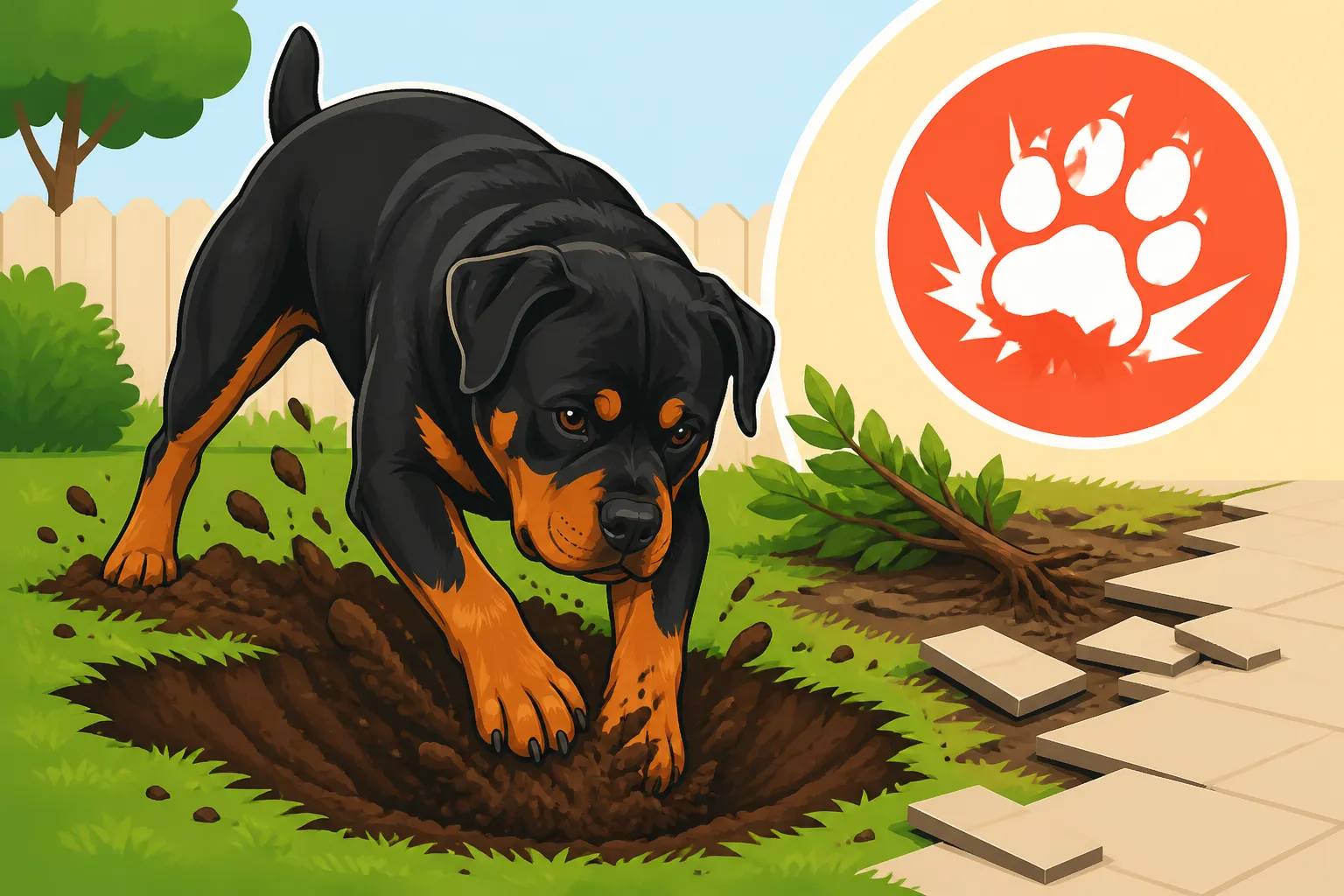
It’s incredibly frustrating, isn't it? You spend time and effort making your yard a lovely space, only to wake up one morning to find it looking like a lunar landscape, complete with craters dug by your beloved Rottweiler. This guide is here to walk you through the common reasons why Rottweilers turn into canine excavators and, more importantly, equip you with practical, realistic strategies to protect your yard and redirect that digging instinct in a more constructive direction.
Understanding Why Your Rottweiler Digs
When you look out at your freshly aerated lawn, it's easy to just see "naughty dog," but digging is almost always driven by a deeply ingrained instinct or an unmet need. Rottweilers, with their working heritage and impressive intellect, often have very specific reasons for their excavation projects. It's rarely out of spite.
Instinctual Roots of Rottweiler Digging
Rottweilers descend from drover dogs, powerful animals bred to move cattle and guard their charges. While not traditionally "diggers" in the same way a terrier might be, their working intelligence means they need mental and physical stimulation. A bored Rottweiler is a creative Rottweiler, and sometimes, that creativity manifests as digging. They might be trying to "hunt" something underground, even if it's just a phantom scent, or simply creating a more comfortable spot. Think about it: in the wild, dogs might dig a den for shelter or to hide food. These ancient impulses are still very much present, even in our well-fed, indoor companions. For many Rottweilers, digging is a self-rewarding activity – the act itself provides stimulation, releases energy, and can feel incredibly satisfying. It's a primal outlet, and if they don't have other appropriate outlets, they'll make their own.
Digging for Comfort or Escape
Imagine it's a hot summer day, and your big, black-coated Rottweiler is lounging in the yard. Asphalt and even sun-baked grass can get uncomfortably warm. What's a smart dog to do? Dig down to the cooler, damp earth beneath the surface, of course! This is a very common reason for crater-like holes appearing under bushes or in shady spots. They're simply trying to regulate their body temperature and find a cozy, cool respite. Keeping a Black-Coated Rottweiler Cool is a constant challenge, and digging is one of their solutions.
Then there's the escape artist. A fascinating scent on the other side of the fence, a neighborhood cat strolling by, or simply the desire for adventure can motivate a Rottweiler to test the boundaries. They might start by sniffing intensely at the base of the fence, then a tentative paw, and before you know it, they've sculpted an impressive tunnel to freedom. This kind of digging often comes from a strong prey drive or a lack of proper containment and can pose serious safety risks, not just for your Rottweiler but for anything they might encounter outside your property.
Burying Treasures and Hunting Pests
Does your Rottweiler stash bones or toys? It's a classic canine behavior, harkening back to a time when food scarcity was a real threat, and burying reserves was a survival tactic. Even if your dog has a never-ending supply of kibble and chews, that instinct to "save for a rainy day" can be incredibly strong. They'll excavate a perfect spot, carefully deposit their treasure, and then meticulously cover it up, often with their nose. These "burial sites" can pop up all over your yard, creating a minefield of unearthed and re-buried goodies.
Another common digging motivation is the thrill of the hunt. If you have moles, voles, gophers, or other small critters tunneling under your lawn, your Rottweiler's keen sense of smell and prey drive will kick in. They'll detect the scent or hear the subtle movements of these underground residents and go to town trying to unearth them. This type of digging is often frenzied and focused, leaving behind tunnels and overturned sod where they've clearly been on a mission. It's hard to fault a dog for doing what nature intended, but it can certainly wreak havoc on your landscaping!
Assessing the Damage and Its Impact
The immediate aftermath of a Rottweiler's digging spree is usually quite visible: holes. But the impact of this behavior goes much deeper than just aesthetics, affecting your wallet, your dog's safety, and even your peace of mind within your community.
Aesthetic and Financial Cost of Digging
Let's be honest, those carefully tended flower beds and that perfectly manicured lawn are a source of pride for many of us. A Rottweiler with a digging habit can quickly turn a picturesque garden into a chaotic construction zone. Delicate plants get uprooted, irrigation lines can be severed, and sprinkler heads become chew toys. The financial cost of repairing this damage can add up quickly. You might find yourself replacing turf, replanting shrubs, fixing broken sprinkler systems, or even having to re-level entire sections of your yard. Beyond the direct costs, there's the intangible cost of your time and effort spent trying to restore order, often feeling like you're fighting a losing battle against a very determined furry landscaper.
Safety Concerns for Your Rottweiler
While the holes in your yard are annoying, the biggest concern should always be your Rottweiler's safety. Digging can expose them to all sorts of hazards. They might unearth and ingest toxic plants, fertilizers, or even forgotten gardening tools. If they're digging to escape, the dangers multiply exponentially. A Rottweiler wandering loose can get hit by a car, become involved in an altercation with another animal, or even encounter people who are fearful of the breed. Furthermore, the act of digging itself can lead to injuries: scraped paw pads, strained muscles, or even more serious joint issues if they're twisting and contorting their large bodies into tight spaces. Keeping them contained and safe is paramount. A Growing Rottweiler's Joints and Overexercise is an important consideration, as intense digging can be hard on their developing bodies.
Neighborhood Relations and Property Lines
A Rottweiler is a large, powerful dog, and their presence alone can sometimes create concerns for neighbors, regardless of how well-behaved your individual dog is. When that Rottweiler starts digging under fences and venturing into a neighbor's yard, those concerns can escalate quickly. Even if your dog is just exploring or chasing a squirrel, a neighbor might interpret it as aggressive or unruly behavior. This can lead to tension, formal complaints, or even legal issues, especially if your dog damages their property or frightens their children or pets. Maintaining good relations with your neighbors is essential, and a Rottweiler that respects property lines is a vital part of that. It requires a secure perimeter and a proactive approach to prevent such incursions.
Strategies to Stop or Redirect Rottweiler Digging
So, you've identified why your Rottweiler is digging. Now what? The good news is that most digging behaviors can be managed and redirected with consistent effort, understanding, and the right strategies. It's about giving them an appropriate outlet for their natural instincts.
Addressing Boredom and Lack of Mental Stimulation
One of the most common drivers for digging in an intelligent breed like a Rottweiler is sheer boredom. If your dog isn't getting enough physical exercise or mental challenges, they'll find ways to entertain themselves, and digging is a readily available option. Think about their ancestors: they had jobs to do all day! Our modern Rottweilers need that same sense of purpose.
- Increased Exercise: This doesn't just mean letting them out in the yard. Structured walks, like the kind discussed in Rottweiler Leash Manners at a Hundred Pounds, are crucial. Incorporate varied terrains, speed changes, and opportunities to sniff. Play sessions with flirt poles, tug ropes, or fetch can also burn off excess energy. Remember, a tired Rottweiler is often a well-behaved Rottweiler.
- Mental Enrichment: This is just as important as physical exercise. Puzzle toys, like those you can find on Amazon, that dispense kibble or treats can keep their minds engaged. Scent work, where you hide treats around the house or yard for them to find, taps into their natural tracking abilities. Regular training sessions, even short ones, reinforce good manners and provide mental stimulation. Consider an online training program like BAXTER & Bella, which offers structured learning that can help you introduce new commands and brain games, making them less likely to resort to digging out of sheer boredom. Teaching them Rottweiler Impulse Control Games can also help them learn to manage their urges. For more ideas on keeping their brains busy, check out Rottweiler Enrichment Beyond Walks and Rottweiler Mental Work on a Rainy Day.
Managing Environmental Triggers
Sometimes, the yard itself is sending an invitation to dig. Taking a look at your outdoor space through your Rottweiler's eyes can help you identify and address these triggers.
- Creating a Shaded, Cool Spot: If your Rottweiler is digging for comfort in the heat, proactive measures are key. Ensure they have access to ample shade, fresh water, and perhaps even a kiddy pool or a cooling mat. Placing a thick, sturdy outdoor bed in a perpetually shady spot can give them an appealing alternative to digging a cool depression in the earth.
- Securing Fences: For the escape artists, fence reinforcement is non-negotiable. Burying chicken wire or L-shaped footer extensions along the bottom of the fence can deter digging underneath. Regularly inspect your fence line for weak spots or areas where they've started to excavate. Patching these immediately prevents them from becoming full-blown escape tunnels.
- Pest Control Considerations: If critters are the culprits, consider humane and dog-safe pest control methods. Traps, sonic deterrents, or natural repellents can help reduce the temptation without posing a risk to your Rottweiler. Always consult with a professional to ensure any pest treatment used in your yard is absolutely safe for pets.
- Dealing with Buried Items: If your Rottweiler is burying treasures, try not to leave high-value items like chew bones or favorite toys unattended in the yard. Encourage them to enjoy these items indoors under supervision, or provide specific, easily accessible "storage" like a toy box that doesn't require excavation.
Providing an Approved Digging Zone
Sometimes, the best way to stop an unwanted behavior isn't to prevent it entirely, but to redirect it to an acceptable outlet. For many Rottweilers, a designated digging pit can be a game-changer.
- Building a Sandbox or Designated Digging Pit: This can be as simple as a child's sandbox or a dedicated corner of the yard filled with sand or loose soil. Make it appealing by burying some of their favorite toys or high-value treats (like a stuffed KONG or a new chew bone) just shallowly enough for them to discover. The excitement of finding a "treasure" will reinforce digging in that specific spot. You can find ready-made sandboxes or large durable tubs on Amazon that can serve this purpose perfectly.
- Teaching Your Rottweiler to Use This Area: When you catch your Rottweiler digging in an inappropriate spot, calmly interrupt them and immediately lead them to their designated digging pit. Encourage them to dig there, praise them lavishly when they do, and let them discover the buried treats. Consistency is crucial here. Every time they go to dig somewhere else, redirect them to their pit.
- Making It Appealing: Regularly "refresh" the pit with new surprises. A fresh layer of sand or soil, new scents, and different toys can keep it interesting and maintain its appeal over other parts of the yard. This becomes their special place to indulge a natural instinct without ruining your landscaping.
Long-Term Solutions and Professional Help
Successfully managing Rottweiler digging isn't a one-and-done deal. It requires dedication, patience, and sometimes, a bit of extra help.
Consistency and Patience in Training
Rottweilers are intelligent, but they are also creatures of habit. If digging has become a deeply ingrained behavior, it will take time and consistent effort to change it. Don't expect miracles overnight. There will be setbacks, and you might find a new hole the day after you thought you had everything under control. The key is to remain patient, avoid punishment (which can simply make a dog sneakier about their digging), and consistently reinforce the desired behaviors and the use of the designated digging area. Remember, Training a Rottweiler Before It Outweighs You is crucial for all behaviors, including curbing destructive habits like digging.
| Digging Motivation | Why They Do It | Solutions |
|---|---|---|
| Boredom/Energy | Lack of mental or physical stimulation; self-entertainment | More exercise, puzzle toys, training, scent work, active play |
| Comfort | Seeking a cool spot in heat; creating a den | Provide shade, cool mats, kiddy pool, sturdy outdoor bed |
| Escape | Smells outside, desire to explore, separation anxiety | Fence reinforcement, supervision, training for Rottweiler Separation Anxiety in the First Month |
| Prey Drive | Hunting underground rodents or insects | Professional pest control, active supervision, redirect with appropriate prey-like toys |
| Burying | Stashing bones, toys, food | Supervise high-value items, designated digging pit, provide indoor chews |
Consulting a Professional Behaviorist
If you've tried all the strategies above with consistency and are still struggling, or if the digging seems extreme, obsessive, or accompanied by other concerning behaviors (like extreme Rottweiler Barking and When It Means Something or aggression), it might be time to call in the cavalry. A certified professional dog trainer or a veterinary behaviorist can help you understand the root cause of the digging and develop a tailored behavior modification plan. They can observe your Rottweiler in their environment, assess underlying anxiety or compulsive tendencies, and provide expert guidance that you might not get from general advice. Finding a Rottweiler-Experienced Trainer Near You is a great first step, as they often have specific experience with large, working breeds.
Fence Reinforcement and Yard Security
Ultimately, a secure yard is your first line of defense against digging-related escapes. For a powerful dog like a Rottweiler, "secure" often means more than just a standard picket fence. Consider options like L-footers or concrete runners buried along the fence line to prevent digging under the fence. For jumpers or climbers, increasing the height of the fence or adding roll bars to the top can prevent them from going over. Double-checking gates and latches regularly is also vital. Think about what your Rottweiler could potentially accomplish if left to their own devices, and then design your yard security to be one step ahead. A strong, secure yard also allows you to utilize tools like a spacious, outdoor-rated crate (like The Crate Size a Hundred Twenty Pound Rottweiler Needs refers to) or a fully secure kennel run if you need to leave your dog unsupervised for short periods and are concerned about digging. This comprehensive approach to containment provides peace of mind and keeps your Rottweiler safe.
Disclaimer
This article is for general informational purposes only and does not constitute professional advice. Laws, prices and regulations vary by location and change over time. Consult a qualified professional for guidance on your specific situation.