Muzzle Training a Rottweiler Before You Need It
For many Rottweiler owners, the thought of a muzzle immediately conjures images of aggression, fear, or a "problem dog." But let me tell you, that couldn't be further from the truth. In reality, muzzle training your magnificent Rottweiler before you ever truly need it is one of the smartest, most responsible things you can do for your dog, your family, and your peace of mind. This guide will walk you through why a muzzle is a tool, not a punishment, and how to introduce it positively to your loyal companion.
Why Muzzle Training Is a Smart, Proactive Choice
It's natural to feel a pang of worry or even embarrassment at the idea of your Rottweiler wearing a muzzle. Society often associates muzzles with dangerous dogs, leading to misconceptions and judgment. But let's be realistic: you own a large, powerful breed. Even the most loving, well-behaved Rottweiler can have an off day, be in pain, or react unexpectedly in a stressful situation. Preparing for these possibilities isn't about admitting your dog is "bad;" it's about being a diligent, forward-thinking owner who prioritizes safety above all else.
Dispelling the Stigma: A Muzzle as a Safety Tool
Think of a muzzle not as a sign of aggression, but as a safety belt for your dog. We put seatbelts on children not because we expect an accident, but because it's a responsible precaution. The same goes for muzzle training. For a Rottweiler, with their sheer size and strength, even a minor nip can have significant consequences. A muzzle provides a barrier, preventing accidental bites in high-stress or unpredictable scenarios.
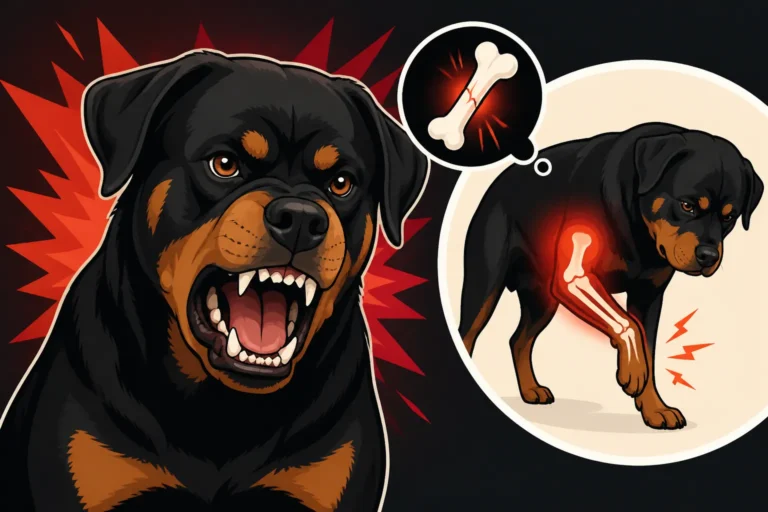
Consider situations like a sudden, painful injury during a hike where your dog, disoriented and hurting, might snap at you or a well-meaning stranger trying to help. Or imagine an emergency vet visit where your dog is in immense pain, and the vet needs to examine them without risking injury to themselves or their staff. A dog that is already comfortable and calm wearing a muzzle in these moments is a dog that can receive quicker, safer care. It's a testament to your proactive care, not a mark of shame. This preparation can also be crucial if you ever need to understand Rottweiler Behavior Changes That Mean Pain.
Proactive Training Versus Reactive Scrambling
The biggest mistake many owners make is waiting until an emergency or a behavioral issue forces them to introduce a muzzle. Trying to desensitize a stressed, anxious, or frightened dog to a muzzle in the moment is incredibly difficult, often traumatic for the dog, and rarely successful. It teaches your dog to associate the muzzle with fear and discomfort, solidifying negative feelings.
Instead, when you train proactively, the muzzle becomes just another piece of gear, like their collar or harness. You introduce it slowly, positively, and patiently, turning it into a non-event. This builds a positive association, meaning that when a real-world scenario arises – be it a vet emergency, a required public setting, or a grooming session – your Rottweiler already sees the muzzle as familiar and unthreatening. It's about empowering your dog with comfort in diverse situations, rather than suddenly imposing a restrictive device when they're already overwhelmed. This groundwork is part of comprehensive Socializing a Rottweiler Puppy Properly.
Choosing the Right Muzzle for Your Rottweiler
Not all muzzles are created equal, especially for a breed as substantial as a Rottweiler. The wrong muzzle can cause discomfort, panic, overheating, and even injury. Your goal is to find a muzzle that allows your dog to pant, drink, and even take treats comfortably, ensuring their welfare while providing the necessary safety.
The Superiority of the Basket Muzzle
For almost all long-term or functional muzzle use, a basket muzzle is the gold standard for a Rottweiler. These muzzles, typically made of plastic, wire, or sometimes coated wire, sit away from your dog's snout, forming a "basket" around their mouth.
Here's why they are crucial:
- Panting: Rottweilers, like all dogs, regulate their body temperature primarily through panting. A basket muzzle allows for full panting, which is absolutely vital to prevent overheating, especially for a black-coated breed.
- Drinking: Your dog can drink water while wearing a basket muzzle, which is essential for hydration during walks, training sessions, or longer wear times.
- Treats: You can easily feed small treats through the gaps in a basket muzzle, allowing you to continue positive reinforcement and keep your dog comfortable during training or stressful events.
- Durability and Fit: A well-fitted basket muzzle for a Rottweiler will be sturdy enough to withstand their strength. Sizing is paramount – it should be snug enough to prevent removal, but roomy enough for panting. Measure your dog's snout length and circumference carefully, and don't be afraid to try a few different brands or sizes to get the perfect fit. You can often find a wide selection of good quality basket muzzles on platforms like
Amazon, allowing for easy comparison of different materials and styles to suit your Rottweiler's unique facial structure.
What to Absolutely Avoid: Fabric Muzzles and Improper Fit
While fabric or "grooming" muzzles might seem convenient, they are generally not safe for anything other than very brief, highly supervised use. These muzzles hold your dog's mouth closed, preventing them from panting, drinking, or even vomiting if they become nauseous. Restricting panting can quickly lead to overheating, which is a severe medical emergency, particularly for a large dog like a Rottweiler. Imagine taking your dog to the vet and they're muzzled so tightly they can't cool themselves – that's a dangerous situation.
An improperly fitted muzzle, regardless of type, is also a problem. Too tight, and it pinches, rubs, and restricts breathing. Too loose, and your clever Rottweiler will likely remove it in seconds, rendering it useless. Always prioritize comfort and function over aesthetics or perceived convenience.
Step-by-Step Guide to Positive Muzzle Training
The key to successful muzzle training is making it a positive, rewarding, and gradual experience. This isn't about forcing the muzzle on your Rottweiler; it's about teaching them to love it, or at the very least, tolerate it comfortably. Remember, patience is your most valuable tool here.
Creating Positive Associations: High-Value Rewards
Before you even think about putting the muzzle on your Rottweiler, you need to change their perception of it. The muzzle should predict good things! Gather your dog's absolute favorite, high-value treats – think cheese, boiled chicken, liverwurst, or anything that makes them practically vibrate with excitement. For training, especially with a powerful breed like a Rottweiler, you'll need Training Treats Small Enough for a Rottweiler Session so you can dole out frequent rewards.
Phase 1: Introducing the Muzzle
- Present and Treat: Hold the muzzle in your hand. Every time your Rottweiler looks at it, sniffs it, or even shows mild curiosity, immediately give them a high-value treat. Repeat this many times over several short sessions. The goal is for them to see the muzzle and think, "Yay, treats!"
- Nose in the Basket: Smear a tiny bit of peanut butter, cream cheese, or wet food inside the front of the basket muzzle. Present the muzzle, allowing your Rottweiler to voluntarily stick their nose inside to lick the treat. Do not try to fasten it. Let them pull their nose out whenever they want. Repeat this many, many times. Keep the sessions short and fun. If your dog hesitates, go back to just presenting the muzzle and treating.
Gradually Increasing Duration and Comfort
Once your Rottweiler is happily sticking their nose into the muzzle for treats, you can start increasing the duration.
Phase 2: Securing the Muzzle (Briefly)
- Nose in, Buckle, Treat, Remove: With a treat smeared inside, encourage your dog to put their nose in the muzzle. As they lick, quickly bring the straps over their head and buckle them briefly. Immediately give a super high-value treat through the gaps, unbuckle, and remove the muzzle. The entire process should take only a second or two. The treat should happen while the muzzle is on, and the removal should be the reward for accepting it.
- Gradual Increase: Slowly, over many sessions, increase the time the muzzle is buckled. Start with just a few seconds, then five, then ten, always pairing it with continuous treats. Play some Rottweiler Impulse Control Games while they wear it, or ask for simple cues like "sit" or "down," rewarding them heavily. The more positive experiences your dog has with the muzzle on, the better.
Phase 3: Muzzle as Normal Gear
- Wear Around the House: Once your Rottweiler is comfortable wearing the muzzle for a minute or two, start having them wear it while doing normal activities around the house. Put it on, give a treat, then let them wander while you continue to offer occasional treats. Take it off after a few minutes, always before they show any signs of discomfort or trying to remove it.
- Short Walks: Introduce the muzzle on very short, pleasant walks in familiar, low-stress environments. Again, praise and treat frequently. Make the muzzle predict fun outings.
- Increase Duration: Continue to gradually increase the duration of wear, both at home and outside. Aim for them to be able to wear it comfortably for 10-15 minutes, then 30, then longer. If at any point your dog shows signs of stress, go back a step.
Remember that positive reinforcement is key. Never use the muzzle as a punishment. If you're looking for structured, comprehensive online training resources that emphasize positive methods, some reputable options like BAXTER & Bella offer programs that can complement your muzzle training journey with expert guidance.
| Muzzle Type | Pros for a Rottweiler | Cons for a Rottweiler | Ideal Use Cases |
|---|---|---|---|
| Basket Muzzle | Allows panting, drinking, and treat-feeding; durable. | Can be bulky; requires careful fitting; initial training. | Vet visits, grooming, public transport, emergencies. |
| Fabric Muzzle | Compact; temporary use for specific procedures. | Restricts panting (risk of overheating); cannot drink. | Only for very brief, supervised vet/grooming tasks. |
| Custom Muzzle | Perfect fit; often lighter materials (easker to wear). | Expensive; longer wait times for creation; still needs training. | Specialized needs, long-term wear, sensitive skin. |
Real-World Scenarios Where a Muzzle Saves the Day
Having a Rottweiler that is comfortable with a muzzle is like having an insurance policy. You hope you never need to cash it in, but you're profoundly grateful it's there if you do. There are countless situations where this simple piece of equipment can prevent a bad day from becoming a catastrophic one.
Vet Visits and Emergency Situations
Let's face it, most dogs don't love going to the vet. Add pain, fear, or a traumatic injury, and even the most docile Rottweiler can become unpredictable. Imagine your dog suffers a sudden leg injury and needs immediate examination or a bandage. In their pain and fear, they might snap or bite, not out of malice, but pure instinct. If your dog is already muzzle-trained, the vet and techs can safely examine and treat them without fear of being bitten. This not only protects the staff but allows your dog to receive care faster and with less stress overall. This proactive step ties into being prepared for The Emergency Signs That Send a Rottweiler In. Similarly, for complex procedures under sedation, understanding Anesthesia Risk for a Dog a Rottweiler's Size highlights the importance of safe handling throughout the entire veterinary process.
Grooming and Nail Trims
Even if your Rottweiler tolerates baths and brushing, procedures like nail trims can be a source of anxiety for many dogs. Those big, dark nails on a Rottweiler can be tough to trim, and a quicked nail is incredibly painful. For a groomer or even for you at home, having your dog comfortable in a muzzle during nail trims for Rottweiler Nail Trimming at Size or other sensitive grooming tasks like ear cleaning ensures everyone's safety. It removes the risk of an accidental bite if they react suddenly to discomfort, making the experience calmer for everyone involved, especially when considering Rottweiler Behavior at the Groomer.
Public Transport and Travel
Many cities, states, or even countries have regulations regarding muzzles for large or specific breeds on public transportation. If you ever need to travel with your Rottweiler, especially internationally, a muzzle might be a legal requirement. Having your dog already accustomed to wearing it makes this a stress-free part of the journey, rather than a frantic scramble at the train station. It’s also often required by airlines for large breeds to travel in cargo. Beyond legalities, simply walking a large Rottweiler in a crowded area can make some people nervous. A muzzle, even on a perfectly friendly dog, can provide reassurance to strangers and help you navigate public spaces with greater ease, complementing your efforts in achieving stellar Rottweiler Leash Manners at a Hundred Pounds.
New Introductions and Off-Leash Areas
While ideally, all introductions should be carefully managed, sometimes unexpected encounters happen. If you're introducing your Rottweiler to a new dog or a new person, particularly if there are any uncertainties about temperaments, a muzzle provides a crucial safety net. It allows the dogs or people to interact without the risk of an escalating incident. While not a substitute for proper supervision, it's a valuable tool in controlled environments, such as a managed group class, or if you are deliberately working on Introducing a Rottweiler to Other Dogs with a known, friendly helper dog. It's about layers of safety, not about predicting aggression, but acknowledging that accidents can happen, especially with powerful dogs.
Disclaimer
This article is for general informational purposes only and does not constitute professional advice. Laws, prices and regulations vary by location and change over time. Consult a qualified professional for guidance on your specific situation.