Rottweiler Behavior Changes That Mean Pain
It’s a heartbreaking and often confusing experience when your loyal, steadfast Rottweiler suddenly starts acting… different. You know your dog better than anyone, and those subtle shifts – a reluctance to play, a grumpy growl where there once was a nudge, or a sudden disinterest in food – can send a wave of worry through you. This guide is here to help you decipher those behavioral changes, understand how they can signal underlying pain, and empower you to advocate for your beloved Rottweiler's health.
Recognizing Subtle Behavioral Cues in a Rottweiler
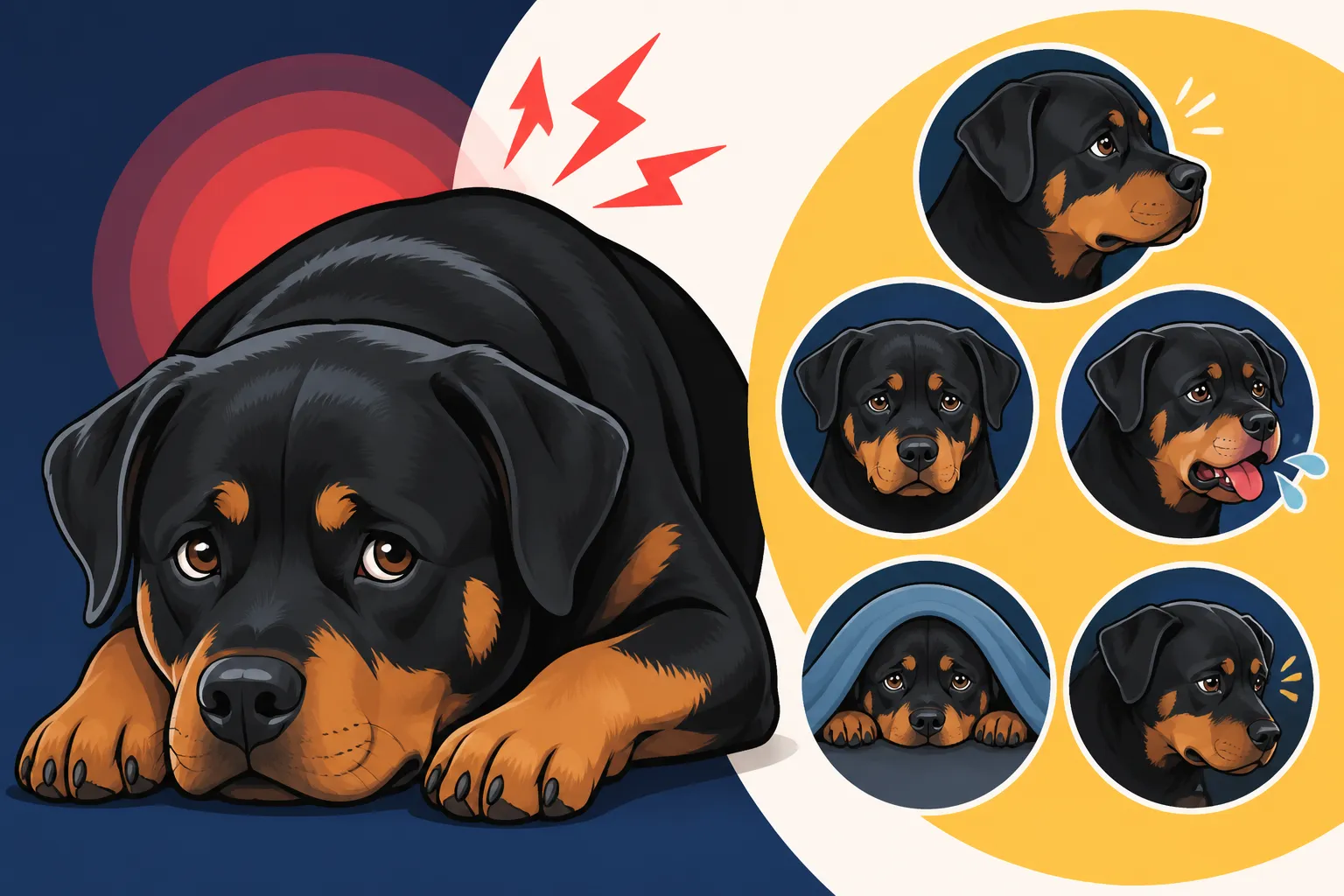
Rottweilers are stoic by nature, and they often try to hide their pain, a trait likely inherited from their ancestors who needed to appear strong to survive. This means their signals can be incredibly subtle, like a whisper in a hurricane. You won't always see an obvious limp or hear a yelp. Instead, you'll need to pay close attention to the nuances of their daily routine and personality. It’s like they’re trying to tell you something, but they don’t speak human.
Shifts in Activity Levels and Play
One of the most common indicators of discomfort in a Rottweiler is a noticeable change in their willingness or ability to engage in activities they once loved. Think about your Rottweiler's usual routine. Do they bound out the door for walks, eager to sniff every lamppost? Do they enthusiastically grab their favorite rope toy for a game of tug?
If you notice a gradual decrease in their enthusiasm, or if they seem to tire more quickly than before, pain could be the culprit. Perhaps your typically energetic dog now prefers to lie down after only a few minutes of fetch. Or maybe they used to love sprawling on the living room rug, inviting you to play, but now they simply watch the ball roll by with a distant look in their eyes. This isn't just "getting old" – it could be something like developing arthritis, making those quick movements uncomfortable. Sometimes, even a slight shift in how they jump into the car or onto the couch can indicate an issue. For instance, if they used to leap gracefully but now hesitate or brace themselves, their joints might be complaining. Owners often report seeing their dogs avoid stairs or the once-favorite high jumping game in the yard. These are not signs of laziness, but often genuine attempts to avoid movements that cause sharp or dull aches. Managing Arthritis in an Older Rottweiler is a common concern for these large breeds.
Changes in Appetite and Eating Habits
A Rottweiler who typically devours their meals with gusto but suddenly turns up their nose at food is sending a clear message. Pain can significantly impact a dog's appetite, even in a breed known for its robust eating. It's not just about refusing to eat, either; it can also manifest in how they eat.
Consider if your Rottweiler is chewing more slowly, dropping food from their mouth, or suddenly showing a preference for softer foods. Dental pain, for example, can make crunchy kibble agony. If your dog has a cracked tooth or a severe gum infection, every bite could be a painful ordeal, leading them to eat less or simply refuse altogether. Rottweiler Dental Disease and Cracked Teeth is more common than many owners realize and can be a silent source of immense discomfort. Beyond dental issues, pain in the neck or back could make bending down to a food bowl uncomfortable. In such cases, you might notice them adjusting their posture awkwardly or eating only a few bites before stepping away. Even stomach discomfort or nausea associated with an internal issue or medication side effect can make them hesitant to eat. It’s crucial to observe if they seem to be trying to eat but are physically inhibited, or if they simply have no interest in food at all.
Altered Sleep Patterns and Resting Positions
Sleep is a time for rest and recovery, but for a Rottweiler in pain, it can become another source of discomfort. You might notice your dog struggling to get comfortable, constantly shifting positions, or waking up frequently throughout the night.
A Rottweiler experiencing joint pain, particularly in the hips or shoulders, might avoid lying on certain sides or struggle to settle into a deep sleep. They might stand and circle several times before gingerly lowering themselves, or they might change their sleeping spot more often, trying to find a position that offers relief. You could see them favoring a specific limb when they lie down, or stretching out in unusual ways that seem designed to alleviate pressure on a sore spot. Furthermore, the act of getting up can be just as telling. If your Rottweiler groans, struggles, or takes a long time to unfold themselves from a resting position, especially after a long nap, it’s a strong indicator of pain or stiffness. Watch their favorite resting spots too. If they suddenly abandon a beloved hard floor for a plush bed, it could be their way of seeking cushioning for aching joints. A comfortable orthopedic bed, readily available on platforms like Amazon, can often provide noticeable relief for dogs with joint issues.
When Social Interactions Take a Turn
A Rottweiler's temperament is often described as confident and self-assured, but beneath that calm exterior lies a deep bond with their family. When pain enters the picture, it can severely impact their willingness and ability to interact with the world around them, even with the people they love most. These changes can be particularly distressing for owners, as they strike at the heart of their dog's personality.
Increased Irritability or Aggression
This is one of the most concerning behavioral changes and one that owners sometimes misinterpret as a sudden temperament shift. A Rottweiler who is normally tolerant and friendly might suddenly snap, growl, or even nip when touched in a particular area, or when approached unexpectedly. This isn't usually a sign of malice; it's a desperate plea for space and a warning that they are hurting.
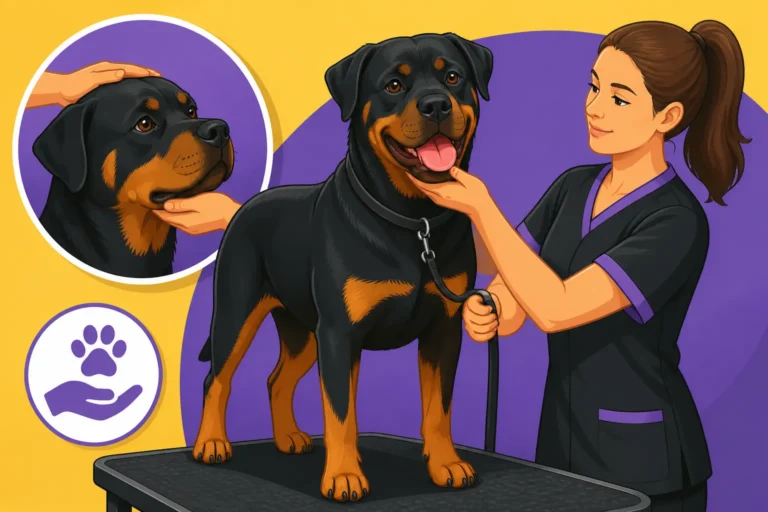
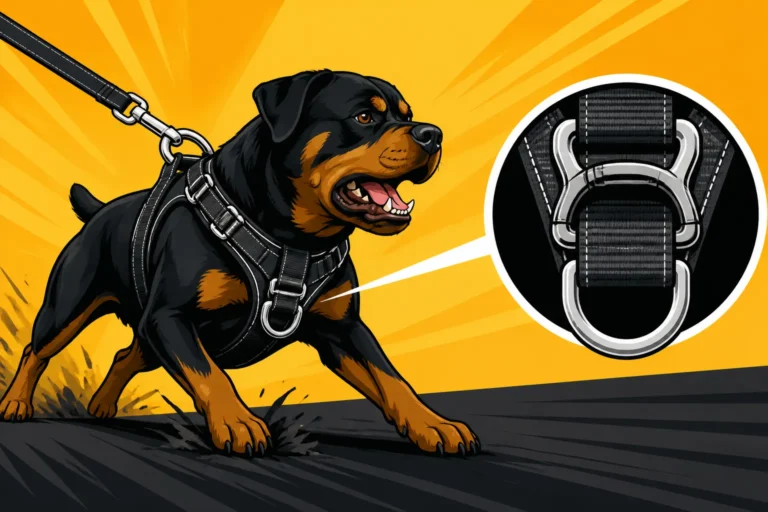
Imagine your Rottweiler lying peacefully, and a child unknowingly steps on a paw or bumps into their sore back. Their immediate, instinctive reaction might be a sharp growl or a quick snap because the pain response overrides their usual patient nature. This type of "aggression" is often rooted in fear or the inability to tolerate physical contact when they are vulnerable. Aggression in a Rottweiler That Hides Bone Pain is a real and dangerous situation, both for the dog and for those around them. This behavior can be particularly evident during grooming, petting, or even when trying to put on a collar or harness. They might flinch, pull away, or become rigid and tense, sending clear signals that they don't want to be touched. It's crucial not to punish these responses, as it can escalate the problem and teach your dog to suppress warning signs, making future interactions even riskier. Instead, recognize it as a potential sign of distress and seek veterinary attention promptly.
Retreating from Affection or Contact
Just as some Rottweilers might lash out, others might completely withdraw. If your typically cuddly Rottweiler suddenly avoids your touch, moves away when you try to pet them, or stops leaning into you for affection, it could be a sign that physical contact causes them pain.
This can be incredibly difficult for owners, as the absence of their dog's usual warmth and presence feels like a personal rejection. However, it's far more likely that they are simply trying to protect themselves from an anticipated painful touch. If your dog used to love having their ears rubbed, but now pulls their head away, or if they no longer jump onto the couch to snuggle, consider that their body might be aching. Perhaps they love a good chest rub but shy away if you reach for their back or hips. This retreat isn't about not loving you; it's about avoiding pain. They might also start spending more time alone, in a quiet corner of the house, away from the hustle and bustle, where they can rest undisturbed. This can also be an indicator of overall discomfort or even nausea.
Avoidance of Specific People or Pets
Pain can also alter a Rottweiler's social hierarchy and comfort zones. They might start avoiding interactions with certain family members or other pets, especially those who are more rambunctious or prone to accidental bumps and jostles.
For instance, if your Rottweiler normally tolerates the energetic puppy in the house but suddenly snaps at it for coming too close, it might be because they fear the puppy will accidentally hurt a sore joint. Similarly, a dog who once loved playing with children might begin to retreat to another room when the kids get too boisterous, knowing that an accidental knock could be agonizing. This isn't about disliking the individual; it's about self-preservation. They are proactively trying to prevent painful encounters. They might also change their greeting rituals, perhaps no longer jumping up (if they used to) or offering a less enthusiastic tail wag. Observing who they avoid and when can provide valuable clues about the location or nature of their pain. If they consistently avoid the person who usually handles their paws, perhaps their paws are sore, or they anticipate a painful nail trim.
Navigating Mobility Issues and Body Language
Rottweilers are powerful, athletic dogs, and changes in their mobility are often glaring red flags for pain. However, even here, their stoicism can make the signs less dramatic than you might expect from a smaller, more outwardly expressive dog. Learning to read their physical cues and how they navigate their environment is essential.
Reluctance to Move or Use Stairs
One of the most immediate and visible signs of pain in a large dog like a Rottweiler is a reluctance to move, or a marked difficulty with actions that require significant joint effort, such as climbing stairs, jumping, or even standing up.
If your Rottweiler hesitates at the base of the stairs, whines, or attempts to navigate them one step at a time when they used to bound up, it's a strong indicator of discomfort, likely in their hips, knees, or spine. This can be particularly true for conditions like Rottweiler Hip Dysplasia Symptoms Before Age Two, which can start subtly in younger dogs. You might also notice them being slower on walks, lagging behind, or refusing to go as far as they once did. Jumping into the car, onto furniture, or even into their dog bed might become a struggle, sometimes accompanied by a grunt or groan. They might try to use their front legs more to pull themselves up, shifting weight off their hindquarters, or vice-versa. Observe how they lie down too; a dog in pain might take a long time to lower themselves to the ground, collapsing rather than gently easing down. Similarly, getting up can be a slow, deliberate, and sometimes shaky process.
Guarding Specific Body Parts
When a Rottweiler is in pain, they will instinctively try to protect the affected area. This "guarding" behavior can manifest in several ways, from obvious flinching to subtle postural adjustments.
If you try to pet your Rottweiler along their spine and they tense up, flatten their ears, or even turn their head to nip, they are telling you that area is sore. This can be indicative of conditions like Spondylosis Along a Rottweiler's Spine or other spinal issues. They might also hold a limb in an unusual position, keep a paw lifted slightly, or avoid putting full weight on one side. For example, a dog with elbow pain might tuck that elbow in tightly against their chest when resting. If you gently try to palpate their legs, back, or abdomen, they might pull away, yelp, or show defensive behavior. This isn't them being difficult; it's their primitive instinct to protect a vulnerable, painful spot. Even licking or chewing excessively at a particular area can be a sign of discomfort, indicating a localized ache or irritation. You might see them favor one side when walking, or even limp slightly, but sometimes the limp is so subtle that it's just a stiff gait. Pay attention if they become reluctant to let you clean their ears or examine their teeth, as this could signal an ear infection or dental pain.
Postural Changes and Shifting Weight
A Rottweiler's posture and how they distribute their weight are critical clues to their comfort level. Pain can cause them to adopt unusual stances or shift their weight in an attempt to alleviate pressure on a sore area.
A dog with abdominal pain might stand with an arched back or a "praying position" – front legs down, hindquarters up – as if trying to stretch out their belly. This can be a sign of anything from an upset stomach to something far more serious, like bloat. If you see their back appearing more hunched or their tail carried lower than usual, it can indicate discomfort. Joint pain often leads to an uneven gait or a tendency to lean heavily on one side while standing. For instance, a Rottweiler with hip issues might stand with their hind legs closer together, or shift their weight predominantly to their front legs, trying to offload pressure from their hips. Rottweiler Obesity and the Load It Adds only exacerbates these kinds of postural problems, as extra weight puts more strain on already compromised joints. When they sit, they might "side-sit" rather than sitting squarely, or avoid sitting altogether, preferring to stand or lie down instead. Even their head carriage can change; a dog with neck pain might hold their head lower or be reluctant to turn it from side to side. These subtle adjustments are their body's way of finding a less painful equilibrium.
The Importance of Early Veterinary Intervention
Spotting these changes is the first crucial step. The next is taking action. Waiting to see if things improve on their own can lead to prolonged suffering for your Rottweiler and potentially allow an underlying condition to worsen. Your vet is your best partner in deciphering these clues and getting your dog the relief they need.
Documenting Behavioral Changes for Your Vet
When you notice your Rottweiler exhibiting new or worsening behaviors, a detailed account can be incredibly helpful for your veterinarian. Don't rely solely on memory; start keeping a log.
Note down specific dates, times, and descriptions of the behaviors you observe. For example, instead of just saying "he's limping," write: "On Tuesday morning, after our walk, he favored his right hind leg when standing up from his bed, then limped for about 5 minutes, easing into a normal gait after that." Or, "She growled when my son tried to pet her back on Sunday evening, which she's never done before." This kind of specific information helps your vet narrow down possibilities. Mention any changes in appetite, water intake, sleep patterns, or bathroom habits. Think about the duration, frequency, and intensity of the changes. Did the behavior start suddenly or gradually? Does it happen at certain times of day, or after specific activities? BAXTER & Bella, for example, offers various online resources and training programs that can help owners document behavior and understand their dog's needs, even if not directly pain-related, the observational skills they teach are invaluable. If you can, take short videos of the concerning behavior (e.g., struggling to get up, reluctance to use stairs) to show your vet. Sometimes, seeing is believing, and a video can capture a nuanced movement that might not occur during the examination itself.
The Diagnostic Process for Pain
Once you arrive at the vet, they will conduct a thorough physical examination, but your detailed observations are the roadmap. The diagnostic process for pain can be multi-faceted, involving several steps to pinpoint the cause.
Your vet will likely start with a comprehensive physical exam, palpating your Rottweiler's joints, muscles, and spine, checking for tenderness, swelling, or heat. They'll assess their gait, range of motion, and neurological responses. Don't be surprised if they ask you to walk your dog in the clinic corridor. Based on these findings and your observations, they might recommend further diagnostics. X-rays are a common tool for assessing bone and joint issues like Rottweiler Hip Dysplasia and the OFA Grade, Rottweiler Elbow Dysplasia and Front Leg Lameness, or even searching for signs of The First Limp That Turns Out to Be Bone Cancer. Blood work might be recommended to rule out systemic illnesses, infections, or organ dysfunction that could contribute to pain or lethargy. In some cases, more advanced imaging like ultrasound, CT scans, or MRI might be necessary to visualize soft tissues, spinal cord issues, or subtle joint problems that X-rays can't fully capture. The goal is always to get a clear picture of what's happening internally so an accurate diagnosis can be made.
Managing Pain and Improving Quality of Life
Once a diagnosis is made, your vet will work with you to create a pain management plan tailored to your Rottweiler's specific needs. This often involves a combination of approaches designed to reduce pain, improve mobility, and enhance their overall quality of life.
Medication is a primary tool, often including non-steroidal anti-inflammatory drugs (NSAIDs) for inflammation and pain, or other analgesics depending on the type and severity of the pain. These medications can make a significant difference in comfort levels, allowing your dog to move more freely and resume some normal activities. Beyond medication, physical therapy can be incredibly beneficial. This might include hydrotherapy (swimming), therapeutic exercises, massage, or even laser therapy to reduce inflammation and promote healing. Joint supplements like glucosamine and chondroitin, often found in various forms on Amazon, are also frequently recommended, especially for conditions like arthritis, to support joint health. Dietary adjustments, such as switching to a joint-supportive formula or managing weight to reduce stress on joints, play a critical role. For severe cases, surgical interventions might be considered, such as in Total Hip Replacement in a Rottweiler or TPLO Surgery on a Rottweiler Knee. The aim is not just to extend life, but to ensure that the years your Rottweiler has are filled with comfort and joy. Regular follow-up appointments with your vet are essential to monitor your dog's progress and adjust their pain management plan as needed.
| Behavioral Change Category | Common Indicators | Potential Pain Sources | Action to Take |
|---|---|---|---|
| Activity/Play | Reduced play, tiring quickly, reluctance to walk/run, difficulty jumping/climbing stairs, avoiding favorite activities. | Arthritis, hip/elbow dysplasia, cruciate tears, panosteitis, spinal issues, bone cancer. | Consult vet for orthopedic exam, imaging (X-rays). |
| Appetite/Eating | Eating less, chewing slowly, dropping food, preferring soft food, groaning while eating, avoiding food bowl. | Dental disease, neck pain, jaw injury, stomach upset, organ pain. | Dental check-up, vet exam of head/neck, abdominal ultrasound if suspected. |
| Sleep/Resting | Restlessness, frequent position changes, difficulty settling, struggling to lie down or get up, unusual resting postures. | Joint pain (hips, elbows, spine), muscle soreness, generalized discomfort. | Observe specific struggle points, vet exam, consider orthopedic bedding. |
| Social Interaction | Increased irritability, growling/snapping when touched, retreating from affection, avoiding specific people/pets. | Localized pain, widespread arthritis, neurological pain, fear of injury. | Note specific triggers, vet exam of suspected painful areas. |
| Mobility/Posture | Limping, stiff gait, favoring a limb, arched back, "praying position," holding head low, uneven weight distribution. | Any musculo-skeletal pain (joints, muscles, ligaments, spine), abdominal pain. | Detailed vet exam, gait analysis, X-rays, possibly advanced imaging. |
Disclaimer
This article is for general informational purposes only and does not constitute professional advice. Laws, prices and regulations vary by location and change over time. Consult a qualified professional for guidance on your specific situation.