Rottweiler Handling Practice for Grooming
Anyone who has tried to wrestle a reluctant Rottweiler into a bath or convince them to sit still for a nail trim knows it's no small feat. With their impressive size and unwavering determination, a Rottweiler who isn't on board with grooming can turn a simple chore into an epic battle. This guide is all about making grooming a cooperative, even pleasant, experience for both you and your strong, loving companion, focusing on positive, consistent handling from puppyhood right through their senior years.
Why Early and Consistent Handling Is Non-Negotiable for Rottweilers
Let's be real: a hundred-pound dog who decides they don't want their nails clipped isn't something you can easily overpower. The sheer physical presence of a Rottweiler makes early and consistent handling practice not just a good idea, but an absolute necessity for their safety, your safety, and the peace of mind of any groomer or vet tech who works with them.
The Size and Strength Factor
Imagine trying to hold down a powerful, athletic dog the size of a small human, who is perfectly capable of out-muscling you if they truly resist. That's the reality of a grown Rottweiler. It's not just about a little wriggle; it's about a hundred pounds of determined muscle that can make even simple tasks like drying paws or brushing teeth feel monumental if they haven't been prepared. If a Rottweiler learns that resistance works, or if they're scared, those grooming sessions become a high-stakes struggle. You risk injury to yourself, potential harm to your dog if they thrash and get hurt, and a rapidly deteriorating relationship built on conflict rather than trust. Many professional groomers will outright refuse a large, untrained or aggressive dog, which then leaves you in a tough spot for essential care. This isn't just about vanity; it's about maintaining their health, catching potential issues early, and ensuring they can receive necessary veterinary care without undue stress or sedation.
Building Trust, Not Fear
The goal of handling practice isn't to force your Rottweiler into submission. It's to build a foundation of trust where they understand that grooming procedures are predictable, gentle, and always end with a reward. When you start early, introducing touches and tools gradually and positively, you create a dog that tolerates, or even genuinely enjoys, the attention. Think about it: if every time you reached for their paw, it led to a tasty treat and gentle praise, why would they fight you? Conversely, if they associate grooming with being held down, pain, or discomfort, their natural guarding instincts might kick in, escalating into growling, snapping, or trying to escape. This fear-based response is much harder to undo than it is to prevent. A calm, cooperative dog for routine care translates to less stress at vet visits, easier application of topical medications, and generally a more pleasant life for everyone involved. It helps solidify their generally self-assured but sometimes Rottweiler Aloofness and Why It Reads as Cold into a confident acceptance of necessary handling.
Essential Tools and Techniques for a Smooth Grooming Session
Having the right equipment and a systematic approach can make all the difference in turning grooming into a manageable, even enjoyable, routine. You wouldn't try to chop down a tree with a butter knife, and you shouldn't try to groom a Rottweiler with tools meant for a chihuahua.
Gathering Your Grooming Arsenal
Before you even start, make sure you have everything you need within arm's reach. For Rottweilers, this means durable, appropriately sized tools. You'll want a good quality undercoat rake to deal with their surprisingly dense double coat, especially during shedding seasons. A slicker brush is also excellent for removing loose hair and stimulating the skin. For nails, consider sturdy guillotine-style clippers, large scissor-style clippers, or, my personal preference, a Dremel-style rotary tool, which can smooth and shorten nails gradually without the risk of cutting the quick. You can find excellent, heavy-duty options for these tools on platforms like Amazon. Don't forget dog-specific shampoo and conditioner, ear cleaner, cotton balls, and a soft towel or two. Having treats – high-value ones, mind you – is non-negotiable for positive reinforcement.
| Tool Type | Recommended for Rottweilers | Why It's Important |
|---|---|---|
| Undercoat Rake | Heavy-duty, ergonomic handle, varied tooth lengths | Essential for removing dead undercoat, preventing matting and hot spots. |
| Slicker Brush | Large head, firm pins, comfortable grip | Good for surface brushing, distributing oils, and general coat health. |
| Nail Clippers | Large guillotine or scissor-style for thick nails | Necessary for quick trims, but requires precision to avoid the quick. |
| Dremel/Grinder | Cordless, quiet model with multiple speed settings | Safer for gradual nail shortening, less risk of quicking, smoother finish. |
| Ear Cleaner | Veterinarian-approved, gentle, pH-balanced formula | Keeps ear canals clean, prevents infections under their drop ears. |
| Dog Shampoo | Hypoallergenic, moisturizing, formulated for sensitive skin | Cleans without stripping natural oils, prevents dryness and irritation. |
| High-Value Treats | Small, soft, easily digestible, irresistible to your dog | Crucial for positive reinforcement, making grooming a rewarding experience. |
Creating a Positive Association with Each Tool
This is where the magic happens. Don't just spring a nail clipper on your unsuspecting Rottweiler. Instead, engage in a process called desensitization. Start by simply letting your dog sniff the tool. As they investigate, offer calm praise and a treat. Place the tool on the floor near them while they eat. Then, gently touch the tool to their body – perhaps their shoulder, then their leg, then their paw. Each touch, no matter how brief, is followed by a treat and praise. For something like a Dremel, introduce the sound first. Turn it on in another room, then closer, then in the same room. Never aim it directly at them initially. Once they are calm with the sound, touch the unmoving Dremel to their paw, then briefly turn it on and touch it to a thick part of their nail, or even just your own fingernail, immediately rewarding them for their calm reaction. The key is to go slowly, keep sessions short (just a minute or two), and always end on a positive note. This consistent, rewarding approach is similar to the structured programs you find in places like BAXTER & Bella, which emphasize building confidence through positive reinforcement.
The Importance of Physical Comfort and Restraint (Positive Kind)
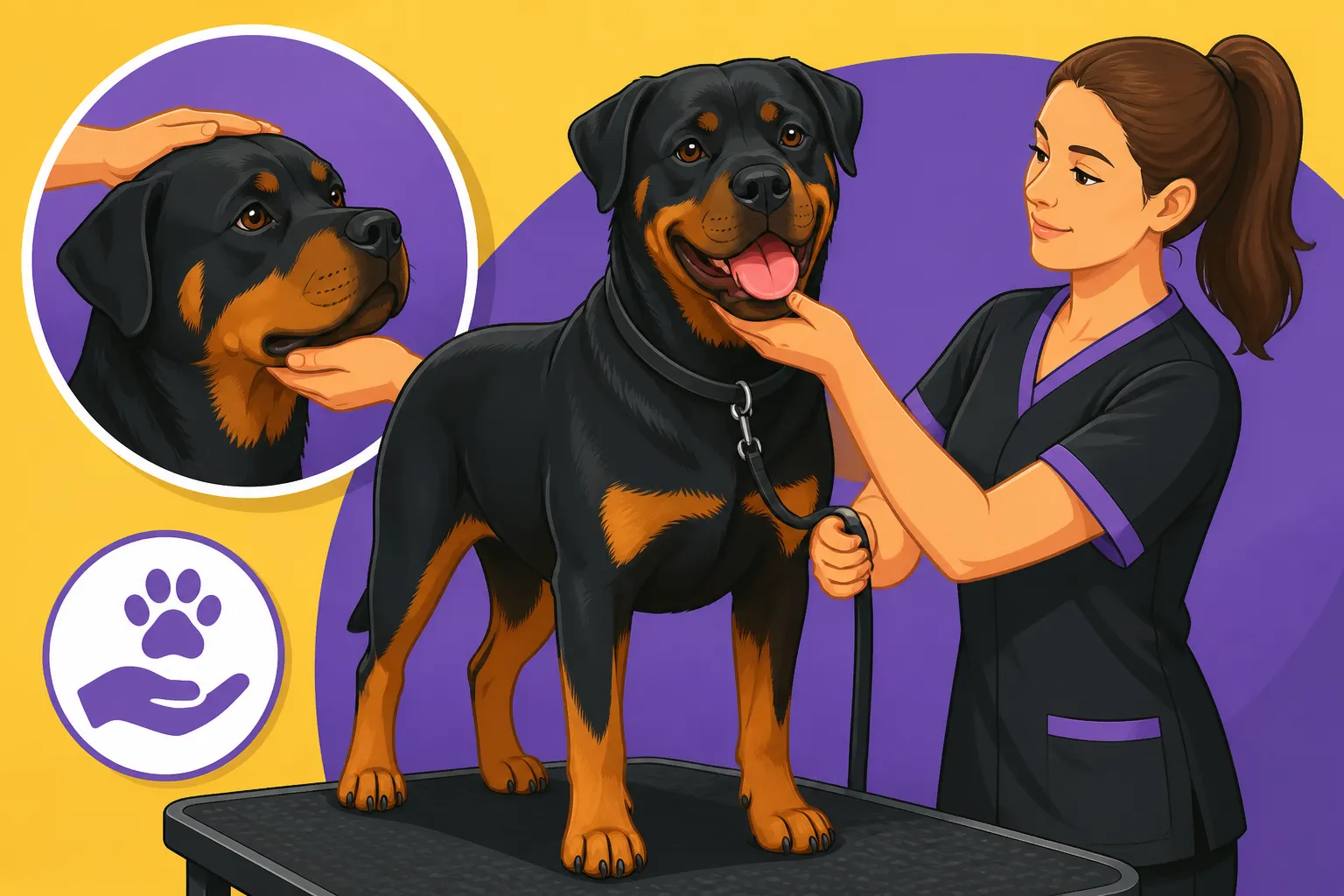
When you're handling a large dog, stability and comfort are paramount. If you're grooming on a table, ensure it's sturdy and has a non-slip surface. Many people opt to groom on the floor, especially for tasks like nail trims, where the dog can lie down or stand comfortably. Use a leash if necessary, not for force, but to gently guide and keep them in position, providing a sense of predictable boundaries. A helper can be invaluable, especially in the early stages, to hold the leash or dispense treats while you focus on the task. If your Rottweiler shows signs of discomfort or tries to pull away, don't escalate the struggle. Take a break. Re-evaluate. Perhaps the session was too long, or you pushed too far. End on a positive note with a final treat, then try again later, starting from an easier point. Remember, positive restraint means gentle guidance and management, not brute force. It’s about being firm but fair, understanding that a Reading a Calm Rottweiler That Is Actually Alert might be experiencing stress even if they aren't overtly struggling.
Step-by-Step Handling Practice for Key Grooming Tasks
Breaking down grooming into individual, manageable steps makes the process less daunting for both you and your Rottweiler. Consistent practice of each component will lead to a calm, accepting dog who understands what's expected.
Paw Handling and Nail Trims
Paw handling is often one of the trickiest parts of grooming, partly because dogs are naturally protective of their feet and partly because a bad experience with clippers can create lasting fear. Start by simply touching your Rottweiler's leg, then gently massaging their paw. Reward profusely for even a moment of acceptance. Gradually work your way up to holding a paw, spreading their toes, and gently touching each nail. Do this often, even when you're not clipping nails. Once they're comfortable with this, introduce the clippers or Dremel.
For clippers, gently touch the clipper to a nail, then release and treat. Repeat this several times. Then, take off just the very tip of one nail – a tiny sliver – and immediately reward. If they tolerate it, do another. If not, stop and try again later. The key is to avoid cutting the quick, the sensitive pink part of the nail that contains blood vessels and nerves. A quicked nail is painful and can create a lasting aversion to nail trims.
With a Dremel, the process is similar: desensitize to the sound, then touch the spinning tool to a non-sensitive object, then briefly to a nail, lifting quickly. Reward after each successful, calm touch. The Dremel allows you to grind down the nail gradually, which can be less intimidating for some dogs than the sharp snip of clippers. Over time, you can even train them to accept filing all their nails in one sitting. For a more detailed approach to their substantial claws, check out Trimming Thick Rottweiler Nails.
Ear Cleaning and Inspection
Rottweilers have drop ears, which can create a warm, moist environment perfect for yeast and bacteria to thrive. Regular ear care is vital. Start by gently lifting their ear flap and looking inside. Praise and treat. Then, gently touch the outside of their ear, then the inside of the flap. Get them used to you holding their ear open for a few seconds.
Next, introduce the ear cleaning solution. Let them sniff the bottle. Put a drop on your finger and let them lick it. Then, gently apply a small amount of solution into the ear canal (following your vet's instructions). Massage the base of the ear for 30 seconds, which helps break up wax and debris. Let them shake their head – this is crucial for the solution to work its way out. Finally, gently wipe the visible parts of the ear with a cotton ball or gauze wrapped around your finger. Never insert Q-tips deep into the ear canal, as this can push debris further in or damage the eardrum. Always check for redness, swelling, or unusual odors, as these can indicate an infection that needs veterinary attention. Regular practice makes this a routine part of their life, ensuring their ears stay healthy. For deeper insights into managing ear health, refer to Rottweiler Ear Care Under a Drop Ear.
Brushing and Coat Care
Rottweilers have a short, dense double coat that sheds more than many people expect, especially twice a year when they "blow" their coat. Regular brushing helps manage shedding, keeps their skin healthy, and allows you to check for lumps, bumps, or parasites. Start with short brushing sessions. Begin with areas your dog is most comfortable with, like their back or sides. Use gentle strokes with an undercoat rake or slicker brush.
As they relax, gradually extend your brushing to more sensitive areas, such as their belly, legs, and tail. Always use positive reinforcement: a treat for calm behavior, a moment of praise for letting you brush a tricky spot. Take your time to systematically work through their coat, removing loose hair and checking their skin condition. Pay attention to their elbows and hips, as Rottweiler Skin Folds and Pressure Sores can sometimes develop in these areas if not monitored. These sessions also offer a great opportunity for bonding and a gentle massage. Maintaining a regular brushing routine is key, so having the right equipment for it is discussed in Rottweiler Grooming and Shedding Supplies.
Bathing and Drying Routines
Bathing a large dog like a Rottweiler can be a wet and wild experience if they're not accustomed to it. Introduce the bath environment gradually. Start by simply taking them into the bathroom or designated bathing area, without any water, and giving treats. Then, introduce the sound of the running water. Once they're comfortable, wet their paws, then their legs, slowly increasing the amount of water contact. Use a non-slip mat in the tub or shower to prevent falls and make them feel more secure.
When shampooing, ensure you use a dog-specific shampoo, as human products can irritate their skin. Work up a good lather, making sure to get down to the skin, especially in their dense undercoat. Rinse thoroughly – residual shampoo can cause skin irritation. Many Rottweilers tolerate bath time better if you provide a distraction, such as a lick mat smeared with peanut butter stuck to the side of the tub. After the bath, towel dry them thoroughly. If you use a forced-air dryer, introduce the sound and sensation slowly, starting on a low setting and holding it some distance away, gradually bringing it closer as they acclimate. Always reward calm behavior throughout the bathing and drying process.
Troubleshooting Common Handling Challenges
Even with the best intentions and early training, every Rottweiler will have moments of resistance. Understanding how to navigate these challenges positively is crucial for long-term success.
Dealing with Resistance and Fear
If your Rottweiler actively resists a grooming task – pulls away, whines, growls, or tries to snap – it's a clear signal that something is wrong. First, never punish a growl. A growl is a warning, and if you punish it, you risk suppressing that warning, potentially leading to a bite without preamble in the future. Instead, respect the growl as communication. Step back. Re-evaluate.
Go back to basics: shorter sessions, higher-value treats, and breaking the task into even smaller steps. If it's a particular tool, re-start the desensitization process. If the resistance is rooted in fear, you might need to consult with a professional dog groomer experienced with large breeds, or even a veterinary behaviorist. They can offer tailored strategies and help identify underlying anxieties. Consistency and patience are your best friends here. Don't expect perfection overnight. Small, consistent wins add up to a confident dog who trusts you during grooming. This approach is paramount, as detailed in Why You Should Never Punish a Rottweiler Growl.
Overcoming Specific Sensitivities
Some Rottweilers are particularly sensitive about certain areas: their paws, their tail, or their muzzle. These sensitivities often require extra patience and specific counter-conditioning. For paws, practice daily gentle massages, pairing each touch with a treat. When you touch a paw, say "paw," treat, and release. Build up the duration of the touch.
For the muzzle area, which is important for teeth brushing and general handling, gently lift their lip, offer a treat, then release. Gradually introduce a soft cloth or a finger brush. If your Rottweiler is particularly reactive or nervous about strangers handling them, even a well-socialized dog can benefit from Muzzle Training a Rottweiler Before You Need It. This isn't about aggression; it's a safety tool that can make vet visits or emergency handling much less stressful for everyone involved, as the dog is already accustomed to wearing it. It creates a calm compliance.
Maintaining the Routine for Life
Grooming practice isn't a one-and-done deal. It's an ongoing commitment throughout your Rottweiler's life. Regular, short handling sessions, even when they don't need a full groom, reinforce positive associations and keep them accustomed to being touched, examined, and handled. Brushing for five minutes a day, giving a treat for allowing you to look in their ears, or doing a quick paw massage—these small, consistent efforts pay huge dividends.
This routine becomes even more critical as your Rottweiler ages. Senior Rottweiler Mobility Decline can make traditional grooming positions uncomfortable or even painful. A dog accustomed to gentle handling from a young age will be much more tolerant of adaptations you might need to make, like lying down for nail trims or accepting help to stand in the bath. Keeping these skills sharp ensures that their comfort and health can be maintained easily, no matter what stage of life they are in. It's about building a lifelong partnership where grooming is just another normal, positive interaction.
Disclaimer
This article is for general informational purposes only and does not constitute professional advice. Laws, prices and regulations vary by location and change over time. Consult a qualified professional for guidance on your specific situation.