Introducing a Rottweiler to a Resident Dog
Bringing a new dog into a home where another beloved pet already resides can be a wonderfully exciting time, but it also comes with a unique set of anxieties. When that new arrival is a Rottweiler – a powerful, self-assured breed known for its protective instincts – the thought of introducing them to your resident dog can feel particularly daunting. You want them to be friends, or at least coexist peacefully, but the path to that harmony isn't always clear. This comprehensive guide will walk you through the careful, considered steps to introduce your new Rottweiler to your existing canine companion, aiming for a smooth and positive integration for everyone involved.
Understanding the Dynamics of Dog Introductions, Especially with a Rottweiler
The first few interactions between dogs can set the tone for their entire relationship, and with a breed as imposing and intelligent as a Rottweiler, these dynamics are even more pronounced. It's not just about size; it's about temperament, instincts, and how both dogs perceive their space and status.
Why Initial Impressions Matter So Much
Think of a dog introduction like a first date – you want to put your best foot forward, be calm, and avoid any immediate red flags. For dogs, these initial impressions are heavily driven by scent, body language, and energy levels. A clumsy, overly excited, or fearful first encounter can create lasting negative associations. With a Rottweiler, their sheer size and strength mean that even well-intentioned boisterousness can be overwhelming or even perceived as threatening by a smaller or more sensitive resident dog. A bad first impression isn't necessarily a permanent sentence, but it makes the road to comfortable cohabitation much longer and more challenging. It's far better to err on the side of caution, managing every aspect of the initial meeting to ensure it's as low-stress and positive as possible.
Assessing Your Resident Dog's Temperament
Before you even think about bringing your new Rottweiler home, take a really honest look at your current dog. What kind of personality do they have when it comes to other canines? Are they a social butterfly who loves every dog they meet, or are they more reserved, perhaps even a bit anxious or reactive? Do they have a history of resource guarding their toys, food, or even your attention? Understanding your resident dog's baseline temperament is absolutely critical, as it will inform every step of your introduction strategy. A highly social dog might tolerate more direct interaction sooner, while an anxious dog will need a much slower, more structured approach to prevent overwhelm. If your current dog tends to be dominant, you'll need to be extra vigilant about managing resources and interactions to avoid conflict. Consider if your current dog shows Rottweiler Reactivity Toward Other Dogs and plan accordingly.
The Rottweiler's Natural Instincts and Social Cues
Rottweilers, by nature, are often described as self-assured, confident, and sometimes aloof. This "wait-and-see" approach they often have towards strangers, both human and canine, can sometimes be misinterpreted. They aren't necessarily unfriendly, but they tend to be discerning and take their time sizing up a new situation or individual. This natural Rottweiler Aloofness and Why It Reads as Cold can actually be an asset during introductions, as it means they're less likely to rush in with overwhelming excitement. However, their strong guarding instincts, which historically made them excellent cattle drovers and protectors, mean they can be very territorial about their space, their people, and their possessions. Understanding their breed-specific play style is also important; they can play quite roughly, and a larger, heavier Rottweiler might not instinctively know how to dial it down for a smaller, more delicate resident dog. This is something to monitor closely, especially if you have a significant size difference between your new Rottweiler and your existing dog. It's worth learning about Rottweiler Play Style With Smaller Dogs beforehand.
Step-by-Step Guide to a Successful Rottweiler Introduction
A successful dog introduction is rarely a spontaneous event. It requires careful planning, patience, and a phased approach that allows both dogs to acclimate to each other at their own pace. Rushing things is almost always a recipe for disaster.
The Importance of Neutral Territory and Scent Swapping
The very first "meeting" shouldn't even be a meeting at all, but rather a subtle exchange of information. Scent is a dog's primary sense, and allowing them to get used to each other's smell before a physical meeting can significantly reduce anxiety. Start by simply swapping items – a blanket from your resident dog's bed can go into the new Rottweiler's crate (or vice-versa), or you can rub a towel on one dog and let the other sniff it. This gentle introduction to each other's scent helps to normalize the presence of the "new" dog without any visual pressure.
Once you've done some scent swapping, the first actual visual meeting should always happen on neutral territory. This means a place where neither dog feels they need to defend their home, their yard, or their belongings. A local park (at an off-peak time), a quiet schoolyard after hours, or even a friend's large, fenced yard can work. The key is that it's a completely new environment for both, leveling the playing field. Avoid places that might have too many distractions or other dogs that could interfere with the delicate process. You want their focus to be on each other, under controlled circumstances.
Controlled Visual and Leashed Meetings
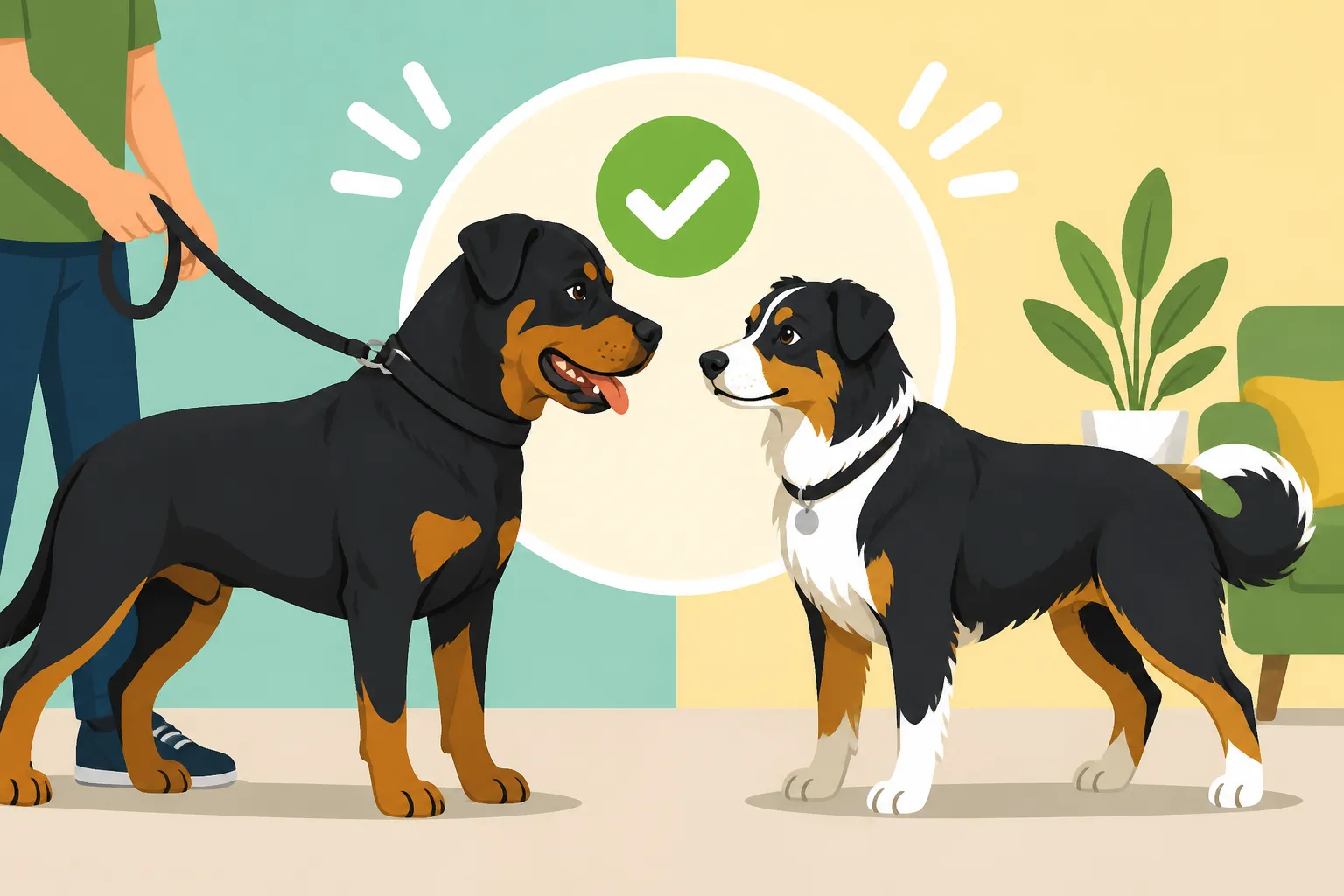
With scent swapping done and a neutral location chosen, it's time for the first visual introduction. Both dogs should be on leashes, handled by separate, calm individuals. The goal here is not to force interaction, but to allow them to see each other from a distance and observe each other's body language without direct pressure. Start far enough apart that neither dog is reacting negatively – perhaps 20-30 feet. Walk them parallel to each other, maintaining loose leashes. A tight leash communicates tension and can escalate anxieties.
Gradually, as both dogs remain calm, you can slowly decrease the distance between them. Look for relaxed body language: loose tails, sniffing the ground, looking away, soft eyes. Avoid direct, head-on approaches, which can be confrontational in dog language. Instead, walk them in wide arcs, allowing them to approach each other from the side. When they do approach, keep it brief and positive. Allow for a quick sniff, then calmly redirect them away with praise and treats. The idea is to create multiple short, positive encounters rather than one long, potentially stressful one. These Rottweiler Meetings on Leash Versus Off should always be calm and supervised. For walking gear, you can find a wide range of reliable long lines and harnesses on Amazon that will give you the control you need without feeling like you're hauling them around.
Gradual Integration in the Home Environment
Once both dogs are comfortable and calm during leashed meetings on neutral ground, you can begin the slow process of integration into your home. This is where patience is truly a virtue. Initially, keep them separated when unsupervised – baby gates are your best friend here, allowing them to see and smell each other without direct contact. You can even consider a "crate and rotate" system where one dog is crated while the other has free roam, then they switch. This helps them get used to each other's presence in the house.
Supervised interactions can start with very short periods, gradually increasing duration. Always have an exit strategy if things get tense. Feed them in separate rooms or behind baby gates to prevent any potential Rottweiler Resource Guarding at Home. This also applies to high-value treats and toys; always provide these separately, or put them away when the dogs are together. Practice recall and other basic obedience commands with both dogs present to reinforce your leadership and their responsiveness even with distractions. For detailed guidance on building a strong obedience foundation, especially with a young dog, resources from BAXTER & Bella can be incredibly helpful, setting the stage for smoother transitions in a multi-dog household. Remember, the goal is not immediate best friends, but comfortable cohabitation. Feeding a Rottweiler Away From Other Dogs is a simple rule that can prevent big problems.
Common Pitfalls and Troubleshooting During Integration
Even with the best planning, integrating two dogs can present challenges. It's crucial to be observant, proactive, and know when to seek professional help.
Recognizing Stress Signals in Both Dogs
Dogs communicate constantly through their body language, and it's up to us to learn their nuanced signals. During introductions and integration, watch for subtle signs of stress or discomfort. This might include lip licking, yawning (when not tired), turning the head away, freezing, whale eye (showing the whites of their eyes), a stiff tail, panting when not hot, or pinning their ears back. If you see these, it's a clear signal that one or both dogs are feeling overwhelmed or threatened. An often-overlooked sign is when a dog becomes Reading a Still Rottweiler That Is Not Relaxed, which can be a precursor to snapping.
It’s also important to differentiate between appropriate play (loose, bouncy, taking turns) and play that’s escalating into something more serious (stiff body, constant pinning, one dog trying to disengage but being pursued). If you notice these stress signals, immediately and calmly separate the dogs before the situation escalates. Don't punish the dogs; simply create space. This might mean going back to an earlier stage of introduction or shortening the duration of their time together. The key is to prevent negative experiences, so always intervene before a fight breaks out.
Managing Resource Guarding and Jealousy
Resource guarding is a common behavior, especially among breeds with protective instincts like Rottweilers, but any dog can develop it. It manifests as a dog becoming possessive over food, toys, sleeping spots, or even people. To prevent issues, always feed dogs separately, ensuring each has their own space and nobody feels threatened. This might mean using crates, different rooms, or baby gates. Never leave high-value items like chew bones or favorite toys unattended with both dogs present, especially in the early stages of integration.
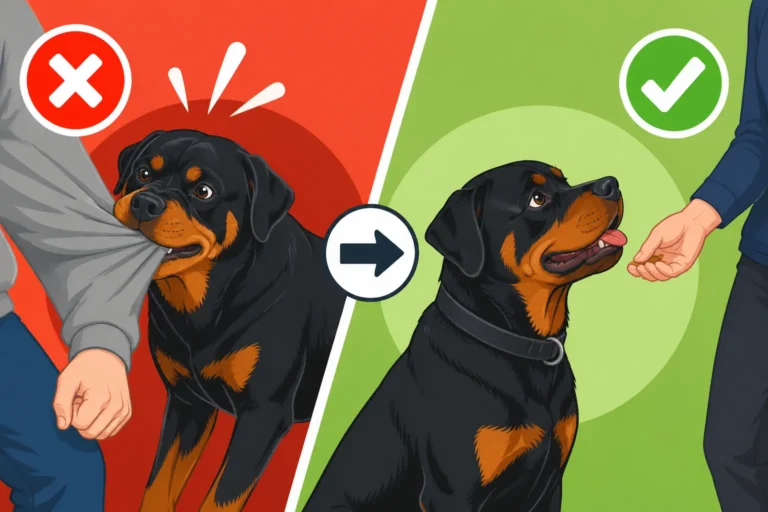
For guarding a person, ensure you give both dogs individual attention. This prevents one dog from feeling the need to "claim" you. If one dog is showing signs of guarding an item, calmly trade them for something even more desirable, teaching them that giving up an item leads to a positive outcome. Never try to snatch an item away, as this can reinforce the guarding behavior or provoke a bite. Learning how to safely manage situations like Taking a Bone Back From a Rottweiler Safely is essential for a peaceful household. Consistency and proactive management are your best tools here.
When to Seek Professional Help
There are times when even the most diligent owner needs an expert eye. If introductions are consistently tense, if one or both dogs are showing signs of fear or aggression, or if you're simply feeling overwhelmed and unsure how to proceed, it's time to call in a professional. Look for a certified professional dog trainer (CPDT-KA) or a certified dog behavior consultant (CDBC) who has experience with multi-dog households and large breeds.
A good professional can assess the specific dynamics between your dogs, read their body language, and provide a tailored plan that you might not have considered. They can also provide hands-on guidance and demonstrate techniques to help bridge the gap. Sometimes, just having an unbiased expert observe your dogs can reveal underlying issues or miscommunications that you've missed. Don't view seeking help as a failure; it's a responsible choice that prioritizes the safety and well-being of all your pets. Many online platforms, including BAXTER & Bella, offer virtual consultations or can help you find reputable trainers in your local area. You can also find many excellent books on positive reinforcement training and dog body language on Amazon, which can complement professional guidance.
Long-Term Harmony and Continued Management
Achieving a peaceful multi-dog household isn't a one-time event; it's an ongoing commitment to understanding, managing, and nurturing the relationship between your canine companions.
Maintaining Fair and Consistent Boundaries
Once your Rottweiler and resident dog are coexisting peacefully, maintaining harmony requires continued vigilance and consistency. Establish clear rules and boundaries for both dogs and enforce them fairly. This means consistent expectations for behavior, whether it's waiting at the door, polite greetings, or respecting each other's space. Each dog should have their own designated resting spot, bed, or crate where they can retreat and feel safe without interruption. This is particularly important for a Rottweiler, as they thrive on structure and knowing their place within the "pack."
Routines can also greatly contribute to household stability. Predictable meal times, walk schedules, and playtime help both dogs feel secure and reduce anxiety, minimizing opportunities for conflict. Avoid unintentionally creating a hierarchy or favoritism, as this can breed resentment or competition. Ensure both dogs feel equally valued and receive attention, treats, and affection. The goal is a balanced household where all members, canine and human, understand and respect each other. Consider reading up on how to manage Adding a Second Rottweiler to the House for further tips.
Ongoing Socialization and Individual Attention
While your main goal is for your dogs to get along, it's also important that they remain well-socialized individuals beyond just each other. Continue exposing both dogs to positive experiences with other calm, friendly dogs outside the home, to prevent them from becoming overly reliant or territorial with their housemate. Structured, supervised outings, like group walks or controlled playdates, can maintain their social skills. However, understand their limits; not every dog enjoys dog parks, and a powerful breed like a Rottweiler might be better suited to smaller, more controlled interactions. Learning how to properly manage Introducing a Rottweiler to Other Dogs outside the home is an ongoing process.
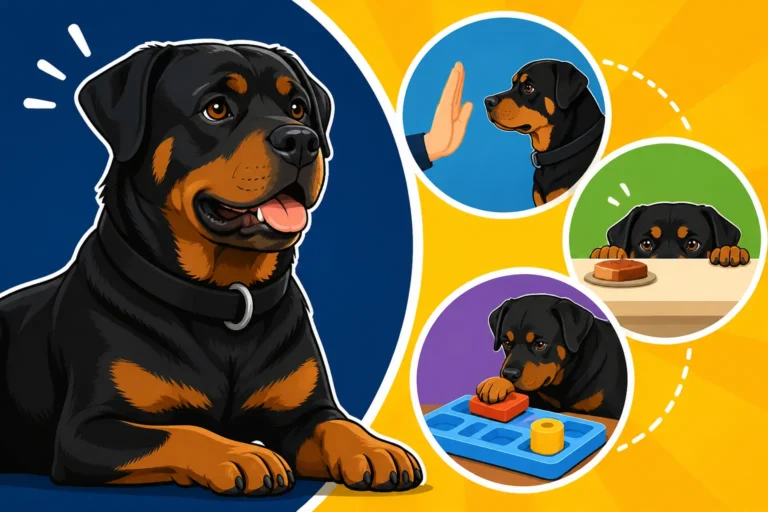
Equally important is ensuring each dog receives dedicated one-on-one time with you. This could be a special walk, a training session, cuddle time on the couch, or a game of fetch. Individual attention reinforces your bond with each dog, reminds them they are loved and valued separately, and helps prevent any jealousy or feelings of being overlooked. A Rottweiler thrives on mental stimulation, so engaging in activities like puzzle feeders, obedience training, or scent work individually can be highly beneficial. For ideas, check out articles on Rottweiler Enrichment Beyond Walks or specific tools like Puzzle Feeders Built for a Rottweiler. Regular training, which could even include online programs like those offered by BAXTER & Bella for continued learning, helps keep their minds sharp and reinforces good habits. This continued investment in their individual well-being contributes significantly to overall household harmony.
Here's a quick overview of a phased introduction strategy:
| Phase | Goal | Key Activities | Duration (Approx.) |
|---|---|---|---|
| Phase 1: Pre-Meet | Scent familiarity, no visual contact. | Scent swapping blankets/toys; separate living spaces. | 3-7 days |
| Phase 2: Neutral Territory Meetings | Calm, controlled visual encounters outside the home. | Parallel walks on loose leashes; brief, supervised sniff-greetings. | 1-2 weeks |
| Phase 3: Home Integration (Supervised) | Gradual exposure to shared spaces within the home. | Leashed greetings indoors; short, supervised free-play sessions; separate feeding. | 2-4 weeks |
| Phase 4: Expanding Freedom | Increased shared time, establishing routines. | Longer supervised periods; separate sleeping; careful management of resources. | Ongoing |
| Phase 5: Long-Term Harmony | Consistent management, individual attention, ongoing socialization. | Maintain fair rules; individual walks/training; monitor body language. | Lifetime |
Remember, every dog is an individual, and some introductions will move faster or slower than others. The most important thing is to listen to your dogs, stay patient, and be prepared to adjust your approach as needed. With a little planning and a lot of love, your new Rottweiler and your resident dog can absolutely become wonderful companions.
Disclaimer
This article is for general informational purposes only and does not constitute professional advice. Laws, prices and regulations vary by location and change over time. Consult a qualified professional for guidance on your specific situation.