Rottweiler Behavior Problems That Start Small
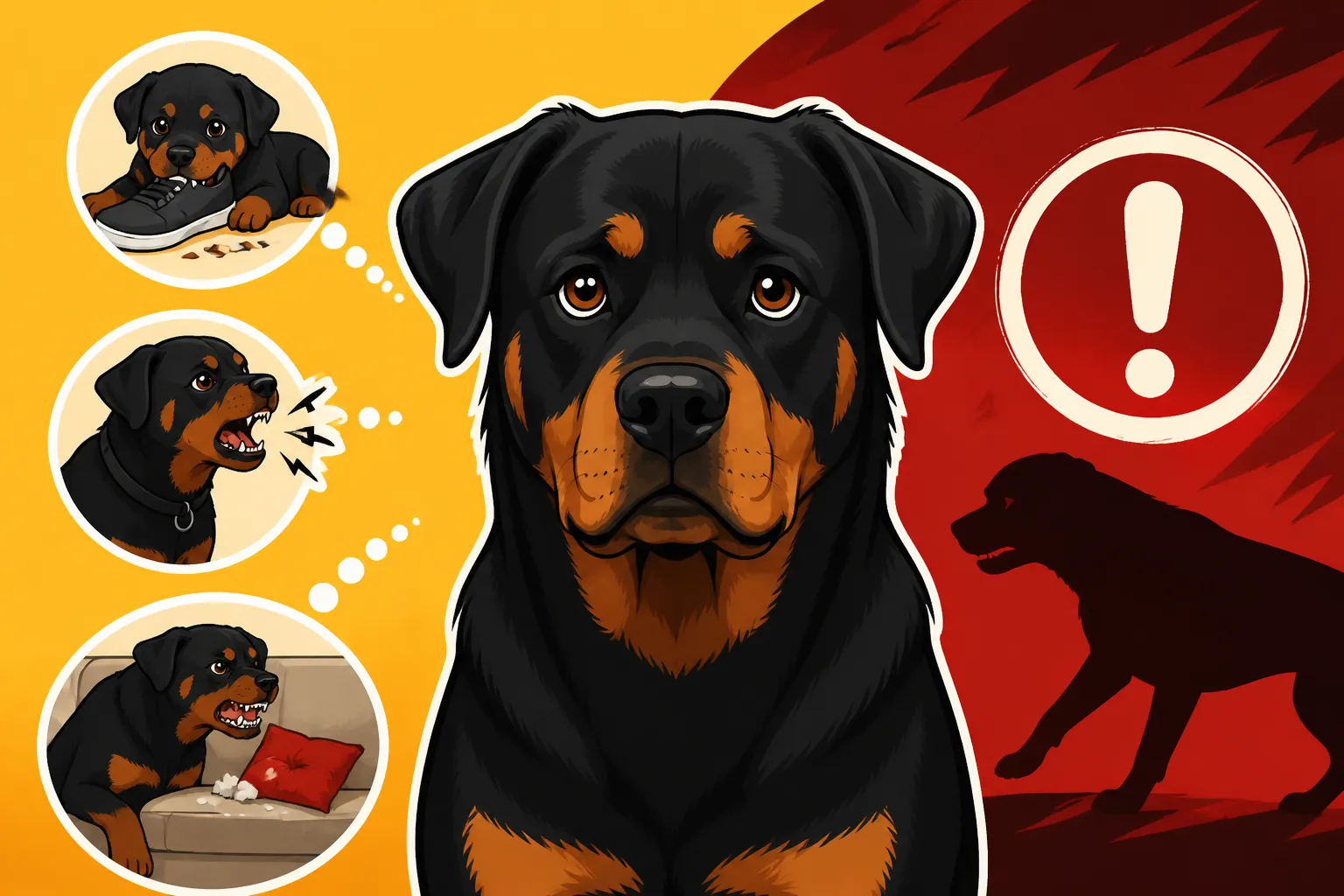
Bringing a Rottweiler puppy home is an exhilarating experience, filled with adorable moments, but also the rapid realization that this small, cuddly creature is growing at an incredible rate. Many new Rottweiler owners find themselves quickly overwhelmed when those cute puppy quirks like nipping or leaning turn into challenging, and sometimes dangerous, behaviors as their dog reaches a formidable size and strength. This guide is dedicated to identifying those seemingly small behavioral issues in Rottweilers and offering practical, empathetic strategies to address them before they escalate into significant problems that can threaten your bond and your dog's place in your family.
The Urgency of Early Intervention for Rottweiler Behavior
It's a common misconception that large breed puppies can get away with certain behaviors longer than their smaller counterparts. The reality, especially with a Rottweiler, is quite the opposite. Their sheer size, strength, and inherent protective instincts mean that any behavior that is inconvenient or annoying in a puppy can become truly problematic, or even dangerous, in an adult dog weighing upwards of 80 to 130 pounds. This isn't about fear-mongering; it's about being realistic and proactive. What feels like a minor issue at 15 pounds can quickly become unmanageable at 100 pounds.
The window for easy correction is often much shorter than owners anticipate. As a Rottweiler matures, its habits become more ingrained, and its physical capabilities make certain behaviors much harder to redirect. Think about trying to stop a 20-pound puppy from pulling on the leash versus a 120-pound adult pulling with all its might. The physical disparity is immense, and the mental effort required to change an established habit is equally greater. Understanding Why Rottweiler Training Cannot Wait Until Six Months is paramount to successfully raising a well-adjusted companion.
Why Small Problems Become Big Problems in a Rottweiler
A Rottweiler's robust physique and strong will mean that behaviors that might be tolerated in a smaller, less powerful breed can become serious liabilities. For instance, a small dog jumping on guests might just be an annoyance; a 100-pound Rottweiler jumping can knock someone over, causing injury. A tiny dog nipping might leave a red mark; a Rottweiler's bite, even if intended as play, can cause significant damage.
The breed's protective instincts, while desirable for guarding, also mean that behaviors like resource guarding or excessive barking, if left unchecked, can quickly become territorial aggression towards visitors or other animals. It’s not that Rottweilers are inherently "bad" dogs; it's that they are powerful dogs, bred for specific purposes, and those instincts need careful, consistent guidance from day one. Addressing these tendencies when they are merely whispers of a problem is far easier than trying to silence a roar.
The Critical Puppy Socialization Window
One of the most crucial times for preventing future behavior problems is during the puppy socialization window, typically up to 16 weeks of age. This period is when a puppy's brain is most open to new experiences and learning what is "normal" and safe in the world. Missing or inadequately managing this period can lead to fear, reactivity, or aggression later in life.
Exposing your Rottweiler puppy to a wide variety of sights, sounds, people, and other well-behaved dogs during this time is essential. This isn't just about walks around the block; it's about carefully curated, positive experiences that build confidence and resilience. Think about short, positive interactions with different types of people (men with hats, children, people in wheelchairs), different surfaces (grass, pavement, gravel), and different sounds (traffic, vacuums, thunderstorms played softly). Neglecting this period means that every new experience later on might be met with apprehension or fear, leading to defensive behaviors. Rottweiler Socialization Before Sixteen Weeks is a foundation that cannot be rebuilt once that window closes.
Nipping and Mouthiness: More Than Just Puppy Play
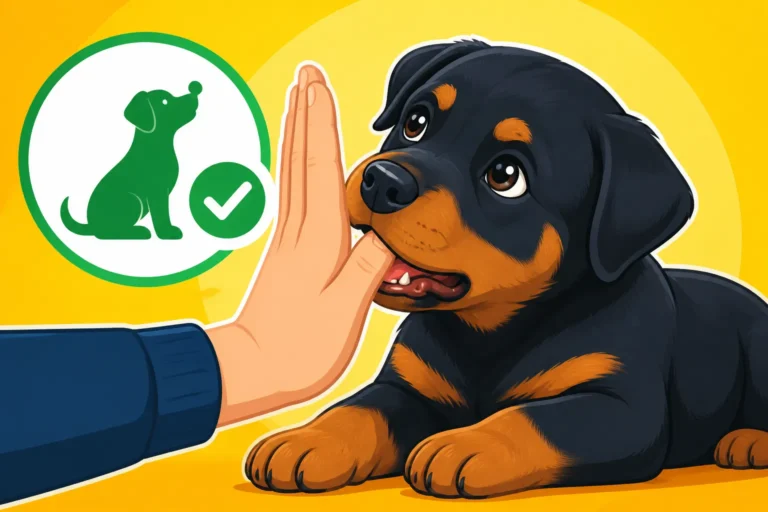
The adorable puppy nips that seem so harmless can quickly become a serious issue with a Rottweiler. Their powerful jaws, even in play, can cause significant pain and damage as they mature. Teaching bite inhibition from the very beginning is not just about manners; it's about safety. Many owners dismiss persistent puppy nipping, thinking it will naturally stop, but a Rottweiler's natural instinct to use its mouth requires careful channeling.
When a Rottweiler puppy is playing, they often use their mouths. This is normal canine behavior, but it's our job to teach them the acceptable boundaries for interacting with human skin. Without this critical lesson, that playful nip can become a painful grab, especially with the considerable Rottweiler Bite Force and What It Means in Practice when they're fully grown.
Teaching Bite Inhibition to a Rottweiler Puppy
The goal with bite inhibition isn't to stop a puppy from ever putting its mouth on you, but to teach them how much pressure is acceptable. Start by yelping loudly if your puppy bites too hard during play, then immediately withdrawing attention for a few seconds. This mimics how littermates teach each other. The moment your puppy bites, the fun stops. After a few seconds, re-engage gently. If they bite hard again, repeat. Consistency is key.
Another strategy is redirection. Always have appropriate chew toys readily available. If your puppy starts to mouth your hands or clothing, immediately offer a designated toy. Praise them enthusiastically when they chew on the toy instead. This helps them understand what they can chew on and what they cannot. For durable options, check out sturdy chew toys on Amazon designed for heavy chewers. You'll find many toys claiming to be indestructible; look for materials like natural rubber or hard nylon.
When Mouthing Becomes a Problem
As a Rottweiler grows, its mouthiness can escalate from playful nips to grabbing clothes, nipping ankles, or even putting a full jaw around a hand without breaking skin, but with significant pressure. This is where the danger truly lies. A 20-pound puppy doing this is one thing; a 90-pound adolescent is another. The behavior needs to be addressed before it becomes an ingrained habit.
If your Rottweiler puppy's mouthing isn't subsiding or is becoming more intense, it's time to intensify your training. Ensure everyone in the household is consistent with the "yelp and withdraw" method. Consider wearing thick gloves during play temporarily if the biting is too painful to allow for consistent training. Structured training sessions, focusing on commands like "leave it" and "drop it" with high-value treats, can also help. Remember, your Rottweiler puppy is still growing and learning, and their joints are developing, so avoid excessive roughhousing that could damage their Rottweiler Growth Plates and Why They Close So Late.
Resource Guarding: A Natural Instinct That Needs Management
Rottweilers were historically bred to guard property and livestock. This inherent guarding instinct means that resource guarding—the act of protecting food, toys, sleeping spots, or even people—is a very natural behavior for them. However, in a domestic setting, if left unchecked, it can quickly become problematic and potentially dangerous, especially in a dog of a Rottweiler's size and power.
It might start subtly: a slight stiffening of the body when you approach their food bowl, a low growl over a favorite toy, or even pushing another dog away from their bed. These are not signs of a "mean" dog, but rather an expression of an instinct that needs careful guidance. Ignoring these early warnings can lead to more overt aggression. Understanding Rottweiler Resource Guarding at Home is crucial for maintaining a safe and harmonious household.
Recognizing Early Signs of Guarding
Early signs of resource guarding can be very subtle. Watch for:
- Freezing: Your Rottweiler might stop eating or playing and freeze when you approach, tensing their body.
- Hard Stare: They might give you a direct, unblinking stare.
- Quick Eat/Hide: Eating faster or trying to move the guarded item away.
- Low Growl: A soft, almost imperceptible growl, sometimes without any teeth showing.
- Lip Lick/Yawn: Stress signals that indicate discomfort with your approach.
These are all attempts by your dog to communicate that they are uncomfortable with your presence near their valued item. Punishing a growl can be incredibly dangerous, as it teaches the dog to skip the warning and go straight to a bite. Instead, you want to teach them that your approach means good things.
Proactive Training for Resource Guarding
The key to managing resource guarding is to teach your Rottweiler that humans approaching their resources always results in something better, not a loss. This is often called "trading up."
- Food Bowl Exercises: While your puppy is eating, approach the bowl and drop a higher-value treat near it (e.g., a piece of chicken). Immediately back away. Repeat this often. Your puppy learns that your approach means more good food, not that you're going to take their food. Gradually, you can introduce taking the bowl away, adding the treat, and returning it. This builds positive associations.
- Toy Trading: If your Rottweiler has a high-value toy, offer an even better toy or treat in exchange. Once they drop the first item for the second, you can either give the first toy back or keep it, depending on the situation. The goal is to make trading a positive experience.
- Boundaries: Teach a "place" command for when you're eating or want them to stay out of a specific area. Ensure their designated eating and resting spots are quiet and undisturbed.
Consistency is vital. Everyone in the household, including children, needs to follow these rules. For more structured online guidance, BAXTER & Bella offers comprehensive puppy programs that cover resource guarding and provide step-by-step video tutorials, making it easy to practice these techniques at home.
Leash Pulling: A Small Nuisance Becomes a Big Hazard
A Rottweiler pulling on the leash isn't just annoying; it can be incredibly dangerous for both the handler and the dog. A 20-pound puppy might drag you a bit, but a 100-pound adult Rottweiler can easily yank you off your feet, especially if they see a squirrel or another dog. This isn't just a matter of discomfort; it's a significant safety concern that needs to be addressed early and consistently.
Many owners mistakenly believe that a dog will "grow out" of pulling, or that they just need to be stronger to control their dog. The truth is, pulling is a learned behavior that gets reinforced every time the dog successfully moves forward by straining against the leash. If you allow a puppy to pull, you are setting yourself up for an exhausting, frustrating, and potentially dangerous adult dog. Rottweiler Leash Manners at a Hundred Pounds are not optional; they are a necessity.
The Science Behind Leash Pulling
Dogs pull on the leash for a simple reason: it works. They want to get somewhere, and when they pull, they move closer to that destination. The pressure on their neck from a collar often just triggers their opposition reflex, making them pull harder. This is why equipment selection is crucial, especially for a powerful breed like a Rottweiler.
Early and consistent training is the answer. Begin with a comfortable, well-fitting harness that discourages pulling, such as a front-clip harness. This type of harness redirects the dog's forward momentum sideways when they pull, making it less effective and often uncomfortable. Using a regular neck collar for a Rottweiler, especially one that pulls, can put undue pressure on their neck and throat and is generally not recommended for training leash manners.
Training for a Loose Leash Walk
Start training in a low-distraction environment, like your living room or backyard.
- Reward Proximity: Hold a treat at your side. As your Rottweiler walks next to you with a loose leash, mark the behavior (e.g., say "yes!") and give the treat.
- Stop When They Pull: The moment your Rottweiler puts tension on the leash, stop moving completely. Stand still. Only start walking again when the leash goes slack, even for a second. This teaches them that pulling gets them nowhere.
- Change Direction: If your dog is pulling, abruptly change direction. This disorients them and forces them to pay attention to you.
- Consistency is Key: Every single walk, every single step, must adhere to these rules. Allowing them to pull "just this once" undoes all your hard work. Consider investing in a durable, well-reviewed front-clip harness from Amazon, ensuring it's sized appropriately for a growing Rottweiler.
| Problematic Behavior | Early Signs | Potential Escalation at Adult Size | Intervention Strategy |
|---|---|---|---|
| Nipping/Mouthing | Playful nips, gentle grabs with mouth | Painful bites, broken skin, fear of dog | Yelping, withdrawing attention, redirecting to appropriate chew toys |
| Resource Guarding | Freezing, low growl over food/toys | Aggression towards anyone near valued item | Trading up, positive association with human approach (e.g., adding high-value treat) |
| Leash Pulling | Small tugs, straining to get ahead | Handler falls, dog escapes, injury risk | Stop-and-go, directional changes, front-clip harness, reward loose leash |
| Excessive Barking | Occasional alert barks at noises | Constant nuisance barking, neighbor complaints | Identify triggers, teach "quiet," crate for rest, desensitize |
| Jumping on Guests | Puppy jumps for attention, paws on legs | Knocking people over, injury, torn clothes | Turning away, ignoring, rewarding "four on the floor," keeping on leash |
| Lack of Impulse Control | Snapping at treats, rushing doors | Bolting, unpredictable reactions, stealing food | "Wait" command, structured games, consistent boundaries |
Excessive Barking: From Alert to Annoyance
Rottweilers have a natural guarding instinct, and barking is a key part of that role. An appropriate alert bark when someone approaches the door or a strange noise is heard is perfectly fine. However, barking can quickly become excessive, turning into a constant nuisance that frustrates owners and neighbors alike. This kind of barking often starts subtly, perhaps as mild protests or attempts to get attention, but can escalate into persistent, stress-induced vocalization if not addressed.
If your Rottweiler barks at everything that moves outside the window, at every delivery driver, or demands attention with incessant vocalizations, it's no longer just an alert. It's a behavior problem that needs intervention. Left unchecked, excessive barking can lead to strained relationships with neighbors and a perpetually stressed dog. Rottweiler Barking at the Fence Line is a particularly common manifestation of this issue.
Identifying Barking Triggers
The first step to managing excessive barking is to identify why your Rottweiler is barking. Is it:
- Alert/Territorial: Barking at people, dogs, or vehicles passing by the house or yard.
- Attention-Seeking: Barking at you to get food, play, or petting.
- Boredom/Frustration: Barking when left alone, or when they don't have enough mental or physical stimulation.
- Anxiety/Fear: Barking at unfamiliar sounds, people, or objects.
Once you know the trigger, you can start to address the root cause. For instance, if your dog barks at passersby, restricting their view with window film or a fence might help. If they bark for attention, ignoring the barking and rewarding quiet behavior is essential.
Teaching "Quiet" and Managing Barking
Teaching a "quiet" command is invaluable.
- Trigger the Bark: Have someone ring the doorbell (or use a recorded sound) to make your dog bark.
- Say "Quiet": As soon as they bark, say "Quiet" firmly.
- Reward Silence: The instant they stop barking (even for a second), mark the behavior (e.g., "yes!" or click) and reward with a high-value treat. Repeat until they associate "quiet" with stopping the bark.
- Gradually Increase Duration: Once they understand, increase the amount of time they need to be quiet before getting the treat.
For dogs that bark when left alone, ensure they have sufficient exercise and mental stimulation before you leave. Puzzle toys, KONGs stuffed with frozen treats, or chews can help keep them occupied. A structured training program, like those offered by BAXTER & Bella, can provide detailed modules on managing barking and other common issues, giving you the tools to work through it systematically.
Jumping on Guests: An Enthusiastic Greeting Gone Wrong
A small puppy jumping up to greet you can be endearing, but a full-grown Rottweiler doing the same thing is a recipe for disaster. At 80-130 pounds, a Rottweiler jumping on guests can easily knock over children, the elderly, or even sturdy adults, leading to injury, torn clothes, and a general sense of unease around your dog. This is one of those behaviors that must be stopped immediately in puppyhood before it becomes a dangerous habit.
The root of jumping is usually excitement and a desire for attention. Every time a dog jumps and gets any kind of reaction—even a negative one like pushing them off or saying "no"—they are being rewarded with attention. They don't differentiate between good and bad attention, only that they got some. Teaching Rottweiler Jumping on Guests at Full Weight is one of the most important lessons for anyone who owns this magnificent breed.
The "Four on the Floor" Rule
The golden rule for preventing jumping is "four on the floor." This means all four paws must be on the ground for your dog to receive attention.
- Ignore the Jump: When your Rottweiler jumps, turn your back, cross your arms, and completely ignore them. Do not make eye contact, speak to them, or push them away.
- Reward Calm: The instant all four paws are on the floor, turn back, make eye contact, and offer gentle praise and petting.
- Consistency: Everyone who interacts with your dog must follow this rule, without exception. This includes family members, friends, and even strangers you meet on walks.
If your Rottweiler is particularly persistent, you might need to keep them on a leash when guests arrive. This allows you to gently step on the leash or guide them away when they try to jump, effectively preventing the behavior and making it easier to reward calm. A sturdy leash and collar or harness, readily available on Amazon, are indispensable tools for managing these greetings.
Teaching Door Manners
Along with jumping, a Rottweiler barging through doorways can also be problematic. Their size and enthusiasm mean they can easily push past you, leading to escapes or collisions. Teaching "wait" at doors is a crucial element of impulse control.
Practice having your Rottweiler sit and wait calmly before you open any door (crate, house, car). Open the door only when they are still. If they rush, close the door immediately. Only release them with a verbal cue like "okay" or "free." This teaches them that calm behavior and patience are what gets them what they want. It’s a foundational skill that reinforces your leadership and helps prevent a myriad of other problems, like bolting out of the yard. These consistent boundaries will help teach Door Manners for a Rottweiler That Barges.
Aloofness Misinterpreted as Aggression
Rottweilers are known for being self-assured and confident, but also reserved and somewhat aloof with strangers. This isn't rudeness or aggression; it's a characteristic trait of the breed, a "wait and see" attitude. However, this aloofness can sometimes be misinterpreted by others as unfriendliness or even aggression, which can lead to uncomfortable situations or reinforce negative stereotypes about the breed.
A Rottweiler who calmly observes but doesn't immediately engage with a new person is simply being a Rottweiler. The problem arises when this natural reserve is not understood or when it shades into genuine anxiety or discomfort due to a lack of proper socialization. Distinguishing between confident aloofness and fear-based avoidance is crucial. If your Rottweiler acts like A Rottweiler That Ignores a Visitor Completely for genuine disinterest rather than fear, that's fine; but if they're avoiding out of fear, that's a problem.
Understanding Rottweiler Temperament
A well-bred, well-socialized Rottweiler should be calm, confident, and courageous. They may take time to warm up to new people, often observing them quietly before deciding if they are trustworthy. They don't feel the need to greet every person with exuberant enthusiasm, unlike some other breeds. This is part of their charm and effectiveness as guardians.
The issue arises if your Rottweiler displays signs of fear or anxiety rather than calm reserve. These might include tucked tail, flattened ears, excessive licking of lips, avoidance, or growling/snapping out of fear. These are signs that your dog is genuinely uncomfortable and needs help to build confidence through positive reinforcement and gradual exposure. It's about teaching your dog that new people are not a threat, even if they don't become best friends instantly. Sometimes, a still, quiet Rottweiler can be misunderstood; knowing Reading a Still Rottweiler That Is Not Relaxed is important for every owner.
Building Positive Associations With Strangers
While you shouldn't force your Rottweiler to interact with everyone, you can help them develop positive associations with new people.
- Controlled Introductions: Introduce your Rottweiler to new people one-on-one in a calm, neutral environment. Ask the person to ignore your dog initially, letting the dog approach them on their own terms.
- Treats from Strangers: Have new people gently toss high-value treats (never hand-feed until comfortable) to your dog from a distance. This teaches the dog that strangers bring good things.
- Observation, Not Interaction: During walks, allow your Rottweiler to observe people from a distance where they feel comfortable, rewarding them for calm behavior. Don't push them into interactions if they're not ready.
Remember that a Rottweiler's protective nature means they are keenly aware of their surroundings. While you might not be able to "train away" their natural aloofness, you can certainly ensure it remains a confident reserve rather than fearful aggression.
Separation Anxiety: More Than Just Whining
Many dogs, especially puppies, will whine or bark when left alone for the first time. This might seem like a small issue, a temporary protest. However, in a Rottweiler, these mild signs can quickly escalate into full-blown separation anxiety, leading to destructive chewing, house-soiling, persistent barking, and even self-harm. Given their size and strength, a Rottweiler experiencing severe separation anxiety can do significant damage to your home and to themselves.
This isn't about your dog being "naughty" or "vindictive"; it's a genuine panic disorder. Recognizing Rottweiler Separation Anxiety in the First Month and intervening early is crucial to prevent this stressful and damaging condition from taking root.
Recognizing the Spectrum of Separation Anxiety
Separation anxiety can manifest in various ways, from mild to severe:
- Mild: Whining, barking, or pacing for a short period after you leave.
- Moderate: Destructive chewing (especially around exits), house-soiling, prolonged barking/howling, or excessive drooling.
- Severe: Panic attacks, self-mutilation (chewing paws, tail), attempts to escape (breaking out of crates, damaging doors/windows), or extreme distress that prevents eating or drinking.
It's important to differentiate between typical puppy protests and genuine anxiety. Puppy protests usually subside after a few minutes, especially if they have an engaging chew toy. True separation anxiety persists and often escalates.
Building Independence and Comfort
The key to preventing and managing separation anxiety is to build your Rottweiler's independence and positive associations with being alone.
- Crate Training: A properly introduced crate can be a safe den for your Rottweiler, not a punishment. Ensure the crate is appropriately sized – The Crate Size a Hundred Twenty Pound Rottweiler Needs is significant. Make it a comfortable place with soft bedding and appealing toys.
- Gradual Departures: Start by leaving your Rottweiler alone for very short periods (a few minutes), then gradually increase the duration. Practice "fake" departures: grab your keys, put on your coat, and then sit back down. This desensitizes them to your leaving cues.
- Provide Enrichment: Always leave your Rottweiler with engaging, long-lasting chew toys or puzzle feeders when you depart. A KONG stuffed with frozen peanut butter or wet food can keep them occupied for a good while.
- Quiet Arrivals and Departures: Avoid making a big fuss when you leave or return. This keeps the emotional intensity low. Calmly depart and calmly return, waiting a few minutes before greeting your dog after you've re-entered.
For more severe cases, consult with a veterinarian or a certified professional dog trainer specializing in anxiety. They can help develop a comprehensive plan, which may include counter-conditioning techniques, environmental management, and, in some cases, medication.
Lack of Impulse Control: A Rottweiler's Challenge
A lack of impulse control in a Rottweiler can be incredibly frustrating and even hazardous. This might manifest as grabbing treats too roughly, barging through doors, jumping on people, chasing everything that moves, or counter-surfing. While these might seem like minor annoyances in a small dog, with a powerful Rottweiler, they can lead to injuries, property damage, or even dangerous situations if the dog bolts after something.
Teaching a Rottweiler to pause, think, and defer to your direction is a cornerstone of responsible ownership. Without it, you'll constantly be battling a dog that acts on every whim, regardless of consequence. Instilling good impulse control from puppyhood is vital for a safe and enjoyable life together. Engaging in Rottweiler Impulse Control Games is a fantastic way to train this essential skill.
What Impulse Control Looks Like
Impulse control means your Rottweiler can:
- Wait for their food bowl to be put down before eating.
- Hold a "stay" command even with distractions.
- Walk calmly past other dogs or squirrels without lunging.
- Take treats gently from your hand.
- Wait at an open door until given a release cue.
These behaviors don't come naturally to most dogs, especially those with strong drives like Rottweilers. They require consistent training, patience, and a reward system that makes deferring to you more appealing than acting on their immediate desires.
Strategies for Building Impulse Control
Building impulse control is an ongoing process that starts from day one.
- "Wait" Command: Teach your Rottweiler to "wait" for everything: before eating, before going through a door, before getting out of the car. Start with short durations and low distractions, gradually increasing both.
- "Leave It" Command: This is essential for preventing your dog from grabbing dropped food, investigating potentially dangerous items, or chasing after tempting distractions. Practice with a treat on the floor, rewarding heavily when they look at you instead of the treat.
- Structured Play: Incorporate "stop" and "go" commands into play. For example, during a game of fetch, ask for a "sit" or "down" before throwing the ball.
- Puzzle Feeders: These challenge your Rottweiler mentally and physically, requiring them to work for their food rather than just gulping it down. This can slow down eating and provide mental enrichment. You can find a wide variety of durable puzzle feeders on Amazon that can withstand a Rottweiler's enthusiasm.
- Consistent Boundaries: Every person in the household must reinforce the same rules. If one person allows counter-surfing while another punishes it, your Rottweiler will become confused and inconsistent.
Remember, a Rottweiler is a powerful dog with a keen mind. Giving them structured opportunities to use that mind to make good choices will not only prevent behavior problems but also deepen your bond. Consistent, positive training is the best way to shape a well-mannered and happy companion.
Conclusion: Prevention is Always Better Than Cure
Rottweilers are magnificent dogs, capable of being devoted, confident, and stable companions. However, their size, strength, and inherent protective instincts mean that small behavioral quirks, if not addressed early and consistently, can quickly escalate into significant problems. From playful puppy nipping to subtle resource guarding, a little vigilance and consistent training in puppyhood can prevent a lifetime of struggles.
By understanding the unique developmental needs and natural tendencies of your Rottweiler, and by committing to early socialization, positive reinforcement training, and clear boundaries, you can help shape your powerful companion into a well-behaved and cherished family member. Remember, it's always easier to prevent a problem than to fix one, especially when dealing with a dog as formidable and intelligent as a Rottweiler.
Disclaimer
This article is for general informational purposes only and does not constitute professional advice. Laws, prices and regulations vary by location and change over time. Consult a qualified professional for guidance on your specific situation.