A Rottweiler Destroying Doors When Left
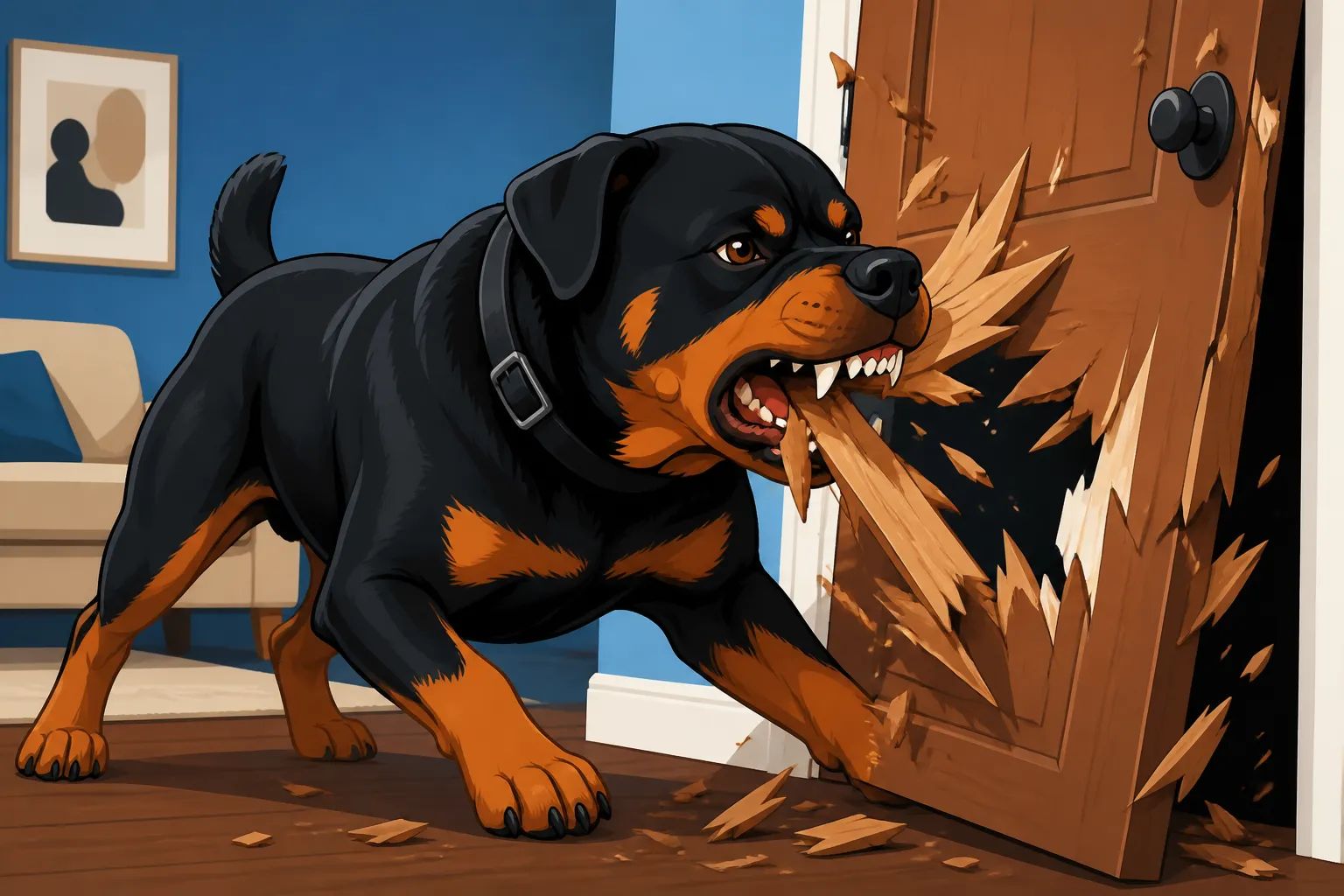
It’s utterly soul-crushing, isn’t it? You come home, perhaps after a long day at work or a quick trip to the store, and instead of a wagging tail greeting you at a pristine doorway, you’re faced with splinters, chewed-up trim, and a door that looks like it’s been attacked by a very determined beaver. The sight of your beloved Rottweiler having utterly destroyed a door when left alone isn't just frustrating; it’s expensive, it’s disheartening, and it leaves you wondering what on earth went wrong. This guide is here to help you understand why your powerful, intelligent Rottweiler might resort to such destructive behavior and, more importantly, to give you actionable strategies to stop it and protect your home.
Understanding Why Your Rottweiler Chews Doors
When your Rottweiler turns your doorway into a chew toy, it's rarely out of malice or spite. Dogs, especially those as intelligent and deeply bonded as Rottweilers, don't operate on human emotions like revenge. Their destructive chewing, particularly around exit points, is almost always a symptom of an underlying issue. Unpacking that "why" is the crucial first step to finding a real solution.
The Root Cause: Separation Anxiety
For many Rottweilers, door destruction is a hallmark sign of separation anxiety. These are dogs bred to be close companions, guardians, and working partners. They thrive on human interaction and often form incredibly strong bonds with their families. Being left alone can trigger a profound sense of panic and distress.
Imagine being utterly alone, trapped, and convinced that your entire world has abandoned you. That's often what a Rottweiler with severe separation anxiety experiences. The chewing, scratching, and general mayhem around the door isn't just random; it's a frantic attempt to escape and reunite with you. They might also pace, whine incessantly, bark, or even have accidents indoors, which are all classic signs that their distress is much deeper than simple boredom. This isn't a minor fuss; it's a genuine anxiety disorder that needs careful, empathetic intervention. Ignoring it only allows the anxiety to spiral, potentially leading to more severe and ingrained behaviors. You might notice these behaviors escalating as your Rottweiler gets older, especially if they've never truly learned to cope with being by themselves.
Boredom and Lack of Mental Stimulation
While separation anxiety is a major player, sometimes the culprit is simply profound boredom. Rottweilers are smart. They were bred to herd cattle, guard property, and perform demanding tasks. Their minds are wired for work, and if that mental energy isn't channeled positively, it will find an outlet, often destructively. A Rottweiler left alone for hours with nothing to do, no puzzle to solve, and no appropriate chews can easily turn to the most accessible, satisfying chewing object: your doorframe.
Think about it: a door offers varied textures, a chance to really dig in, and the added "fun" of splintering wood. It's a challenging, engaging activity for a strong jaw when there's nothing else going on. A young, active Rottweiler, especially one under two years old who still has boundless energy, is particularly susceptible to this. They need more than just a walk; they need their brains to be engaged. A bored Rottweiler isn't just idle; they're actively looking for something to do, and if you haven't provided a job, they'll invent one for themselves, often to your furniture's detriment. This can often manifest in other forms of destructive chewing too, whether it's on furniture legs, remote controls, or anything left within reach, but the door is often the primary target because it represents the barrier to their freedom and your presence.
Puppy Chewing and Lack of Appropriate Outlets
It's also important to distinguish between the destructive chewing of an adult Rottweiler and the normal, albeit sometimes intense, chewing of a puppy. Rottweiler puppies, with their powerful jaws and growing teeth, go through a significant teething phase. This is when they need to chew to relieve discomfort and explore their world. If they aren't provided with a wide array of appropriate, durable chew toys, they will absolutely find other things to chew on – and your doorframes are often at just the right height and texture to be appealing.
The difference lies in the motivation. A puppy might chew the door simply because it feels good on their gums or because they haven't learned what's acceptable to chew and what isn't. An adult Rottweiler with separation anxiety, on the other hand, chews out of panic. For puppies, the solution is largely about redirection and management. You need to teach them Teaching a Rottweiler Puppy That Teeth Hurt and give them plenty of alternatives. This early training is vital. If a puppy's destructive chewing isn't managed properly, it can easily escalate into a full-blown behavioral problem as they mature and their jaw strength increases exponentially. They simply don't have the mental maturity to understand the consequences of their actions, and they rely on us to guide them through this natural developmental stage.
Strategies to Prevent Door Destruction
Stopping door destruction isn't a quick fix; it requires patience, consistency, and a multi-faceted approach. You're not just dealing with the symptom (the chewing); you're addressing the underlying cause.
Addressing Separation Anxiety Holistically
If separation anxiety is the root cause, you need to tackle it head-on. This isn't about punishing your dog for being anxious, but about helping them build confidence and coping mechanisms when left alone.
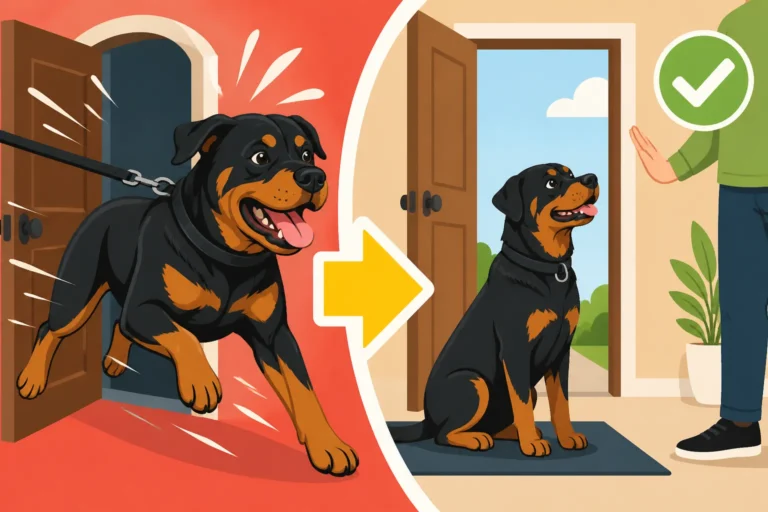
One of the most effective methods is desensitization and counter-conditioning. This involves gradually exposing your Rottweiler to being alone, starting with very short durations and slowly increasing the time. Begin by simply walking to the door, opening it, and closing it for a second, then immediately coming back in and calmly rewarding them if they remained relaxed. Gradually increase the time you're "gone" – a few seconds, then a minute, then five minutes. The key is to return before they start to panic. This teaches them that your departures are not permanent and that you always come back. You can also associate your departure with something positive, like a special, high-value chew toy that they only get when you leave. Many owners find success with enrichment toys filled with frozen peanut butter or cream cheese, which can keep a Rottweiler occupied for a good chunk of time.
Crate training can be an invaluable tool here, but only if introduced positively and correctly. A crate should be a safe, comfortable den, not a punishment chamber. If your Rottweiler already associates the crate with panic, forcing them into it will only exacerbate their anxiety. However, a properly crate-trained Rottweiler often feels more secure in their den, reducing the impulse to destroy exit points. Make sure you choose a crate that is appropriately sized and robust enough for a powerful Rottweiler, considering The Crate Size a Hundred Twenty Pound Rottweiler Needs. Remember, the goal is to create a positive association, a place where they feel safe and relaxed. If your Rottweiler cries in the crate, you might need to revisit foundational training. Crate Training a Rottweiler That Cries at Night offers some excellent tips for making the crate a truly comforting space rather than a source of distress.
Enriching Your Rottweiler's Environment
A bored Rottweiler is a destructive Rottweiler. You need to ensure they are adequately exercised both physically and mentally before you leave them alone.
-
Physical Exercise: A long, brisk walk or a good play session before you leave can make a world of difference. A tired dog is a good dog. This doesn't mean running them ragged, especially if they're still growing, as A Growing Rottweiler's Joints and Overexercise can be a concern. However, a solid hour of appropriate exercise can burn off excess energy and leave them more inclined to nap than to chew. For adult Rottweilers, consider hiking or other strenuous activities to really tire them out. How Far an Adult Rottweiler Should Walk can give you an idea of what’s appropriate for their age and fitness level.
-
Mental Stimulation: This is often overlooked but just as crucial. Puzzle toys, interactive feeders, and robust chew toys are your best friends. Look for toys specifically designed for large, powerful chewers on sites like Amazon. Brands often cater to strong breeds with virtually indestructible options. Fill Kongs with peanut butter, yogurt, or wet food and freeze them. Give them snuffle mats or treat-dispensing balls. These activities engage their minds, mimic natural foraging behaviors, and provide an appropriate outlet for their chewing drive. Don't underestimate the power of a good chew. Bully sticks, dental chews (always size-appropriate), or even a carefully selected raw bone (under supervision) can keep a Rottweiler happily occupied for a significant period.
-
Training Sessions: Even short, engaging training sessions can provide mental exercise. Practicing obedience commands, learning new tricks, or even just running through a series of known cues can be surprisingly tiring for a Rottweiler. This kind of interaction also strengthens your bond, which can help reduce anxiety. Rottweiler Impulse Control Games can be a great way to build focus and self-control.
Professional Help and Training Resources
Sometimes, the problem is too deeply ingrained or severe for a DIY approach. That's when it's time to call in the cavalry – a certified professional dog trainer or a veterinary behaviorist. They can assess your Rottweiler's specific situation, accurately diagnose the root cause, and develop a tailored behavior modification plan.
A good professional will use positive reinforcement methods and guide you through the process of desensitization and counter-conditioning. They can also help identify if there are any underlying medical conditions contributing to the anxiety, as pain or discomfort can sometimes exacerbate behavioral issues. Don't feel ashamed to seek help; it's a sign of a responsible pet owner who wants the best for their dog. These experts have seen it all, and they have the tools and experience to help you navigate these challenging behaviors.
For those looking for guidance that fits their schedule, online training programs can be a fantastic resource. Platforms like BAXTER & Bella offer comprehensive, step-by-step training courses that can be done at home. While they don't replace an in-person behaviorist for severe anxiety, they can provide structured lessons on impulse control, appropriate chewing, and building confidence when alone, which can be immensely helpful in conjunction with other strategies. It's about empowering you with the knowledge and techniques to communicate effectively with your Rottweiler.
Practical Solutions for Door Protection
While you're working on the underlying behavioral issues, you also need to protect your home. It’s hard to stay calm and consistent with training when your house is being slowly dismantled.
Physical Barriers and Deterrents
Sometimes, prevention means making the problem area less appealing or entirely inaccessible.
- Door Protectors: You can install clear, heavy-duty polycarbonate or acrylic sheets over the lower portion of your doors and frames. These act as a physical barrier, making it impossible for your Rottweiler to chew the wood. They are often held in place with strong adhesive or screws and can blend surprisingly well with your decor. Look for products designed for child or pet proofing on sites like Amazon.
- Bitter Sprays: These sprays contain ingredients that taste foul to dogs. Applying them liberally to doorframes can deter some chewers. However, their effectiveness varies wildly. Some Rottweilers are completely unfazed by them, while others might just lick it off. You'll need to reapply regularly, and it's essential to do a patch test first to ensure it doesn't stain your wood. This is more of a deterrent than a solution, as it doesn't address the underlying anxiety or boredom.
- Robust Crates: If crate training is part of your strategy, ensure the crate itself is impenetrable. A flimsy wire crate might not hold a determined, anxious Rottweiler. Look for heavy-duty, steel crates designed for escape artists. Make sure it's not just strong, but also a comfortable, safe space with soft bedding and perhaps a secure toy. You'll want to review your crate training techniques to make sure the crate truly feels like a den rather than a jail.
Setting Up a Safe "Den" Space
Rottweilers thrive on security and routine. Creating a designated, safe "den" area can be incredibly beneficial. This isn't just a crate; it's a whole concept.
Choose a quiet, low-traffic area of your home, perhaps a spare room or a corner of the living room. This space should be consistently where your Rottweiler stays when you're away. Furnish it with their comfortable bed, water, and appropriate, durable chew toys. Make this space a positive zone, feeding them meals there, giving them treats, and spending calm, quiet time together. Never use this space for punishment. The goal is for your Rottweiler to associate this area with safety, comfort, and positive experiences, reducing the urge to escape or destroy.
If you are using a crate, ensure it's in this safe den space. Cover the crate with a blanket to make it feel more den-like and private, and consider playing calming music or white noise to muffle outside sounds that might trigger anxiety. Teach your Rottweiler to settle calmly in this space when you're home, reinforcing the idea that it's a place for relaxation. This can be directly tied into Teaching a Rottweiler to Settle Indoors, giving them the foundation for calm behavior when alone. The more positive associations your dog has with their "alone" space, the less likely they are to panic and try to chew their way out.
Consistency and Patience: The Long Game
Solving destructive door chewing in a Rottweiler is not a race; it's a marathon. You will have setbacks, and there will be days when you feel like you're not making any progress. But consistency and patience are your most powerful tools.
The Importance of Routine
Dogs are creatures of habit, and Rottweilers, in particular, often thrive on a predictable routine. A consistent schedule for feeding, walks, play, and departure/arrival cues can significantly reduce anxiety.
- Predictable Departures: Try to establish a "going away" routine that is calm and low-key. Avoid making a big fuss when you leave or return. A prolonged, emotional goodbye can inadvertently heighten your dog's anxiety. Instead, simply give them their special departure chew toy, a calm pat, and leave. When you return, wait until they are calm before acknowledging them. This teaches them that your departures are normal and not a reason for panic.
- Consistent Expectations: Ensure everyone in the household is on the same page regarding training methods and expectations. Inconsistency can confuse your Rottweiler and undermine progress. If one person uses the crate and another leaves them free, your dog won't understand what's expected. Rottweiler Behavior Problems That Start Small often escalate precisely because of inconsistent handling or unclear expectations from their human companions.
Documenting Progress and Adjusting Strategies
It can be incredibly helpful to track your Rottweiler's behavior. Consider setting up a camera (many affordable pet cameras are available on Amazon) to observe them when you're gone. This can provide invaluable insights into their behavior patterns. Are they pacing and whining the entire time, or do they only become destructive after an hour? Do they settle down after a while, or does the anxiety persist? This information can help you refine your strategies, allowing you to tailor your desensitization exercises more precisely.
Don't be afraid to adjust your approach if something isn't working. Every Rottweiler is an individual, and what works for one might not work for another. Be prepared to try different puzzle toys, varied exercise routines, or alternative training methods. Celebrate the small victories – a day without any new damage, a longer period of calm while you're away. Remember that transforming ingrained behaviors takes time, dedication, and a deep understanding of your Rottweiler's needs. The payoff, however, is a happier, more confident dog and a much more peaceful home.
Here’s a quick overview of potential causes and solutions for door destruction:
| Problem | Root Cause | Key Solutions | Prevention / Management |
|---|---|---|---|
| Chewing on doors/frames | Separation Anxiety | Desensitization, Counter-conditioning, Crate Training | Calm departures, special "leave-behind" treats |
| Scratching at doors | Separation Anxiety, Frustration | Gradual departure training, secure den space | Door protectors, positive crate association |
| Door damage (non-specific) | Boredom, Lack of mental/physical stimulation | Interactive toys, puzzle feeders, increased exercise | Daily enrichment, regular training sessions |
| Puppy chewing on household items | Teething, Lack of appropriate chew outlets | Provide durable chew toys, redirection, supervision | Early chew training, puppy-safe environment |
| Escaping attempts | High anxiety, Fear, Strong drive to reunite | Professional behaviorist, medication (if severe anxiety) | Security cameras, consistent routine, positive reinforcement |
Disclaimer
This article is for general informational purposes only and does not constitute professional advice. Laws, prices and regulations vary by location and change over time. Consult a qualified professional for guidance on your specific situation.