A Rottweiler That Ignores a Visitor Completely
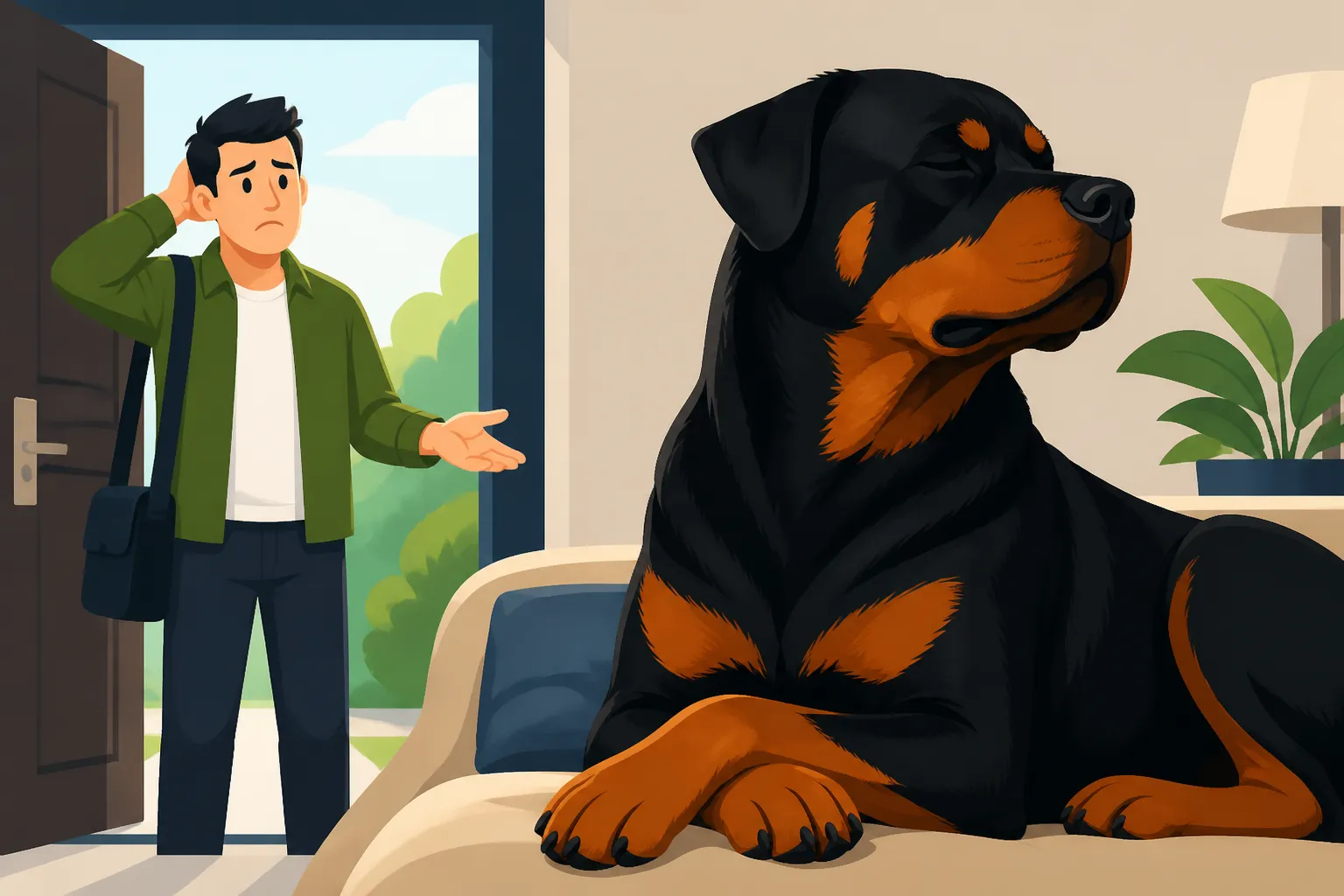
It can be truly perplexing, even a little disheartening, when you have guests over and your majestic Rottweiler, instead of offering a hearty wag or a curious sniff, simply acts like the visitors are invisible. You might wonder if your dog is antisocial, unfriendly, or perhaps even a bit rude, which is certainly not the impression you want for your family companion. This guide is here to unravel the mystery behind that "aloof" Rottweiler behavior, helping you understand why your dog might be ignoring visitors completely and how you can work towards more engaged, yet still appropriate, interactions.
Unpacking the Rottweiler Temperament: It's Not Always What You Think
Many Rottweiler owners find themselves scratching their heads when their dog acts completely unfazed by new people entering their home. It’s easy to feel like your dog is being unfriendly or even a bit snobbish, especially if you’re used to more outwardly gregarious breeds. But with Rottweilers, that seemingly indifferent behavior is often a deeply ingrained part of their genetic makeup and a hallmark of their original purpose.
The Myth of the "Unfriendly" Rottweiler
Let's clear the air right away: a Rottweiler that ignores a visitor is not necessarily an unfriendly dog in the way a truly aggressive or fearful dog might be. Often, this is just their natural "wait-and-see" approach playing out. These dogs were bred for serious work, primarily guarding and droving cattle, which required a stable, self-assured temperament that wasn't prone to effusive greetings with every stranger. They needed to observe, assess, and react only when necessary. This means they are inherently less likely to rush up to someone new, demanding attention or affection. Instead, they often prefer to hang back, take everything in, and decide for themselves if this new person is worth their time or attention.
You see this in their general demeanor. A well-bred Rottweiler should exude a calm confidence. They don't typically feel the need to prove themselves with constant barking or frantic displays. Their presence alone is often enough, and they know it. It's not rudeness; it's a deep sense of self-possession. Sometimes, what looks like ignoring is actually intense, silent observation. They are taking mental notes, processing scents, sounds, and body language, even if their own body language seems entirely neutral. It's crucial for owners to learn Reading a Still Rottweiler That Is Not Relaxed to truly understand what their dog is communicating.
Breeding and Early Experiences Shape Interactions
The way your Rottweiler was bred and their early experiences play a huge role in how they interact with visitors. Some lines are specifically bred for a sharper guarding instinct, which naturally means they will be less inclined to engage warmly with strangers. They might view every new person as a potential "intrusion" that needs to be monitored, rather than a friend to greet. This isn't necessarily a bad thing, especially if you sought out a Rottweiler for their protective qualities, but it does mean managing expectations for social interactions.
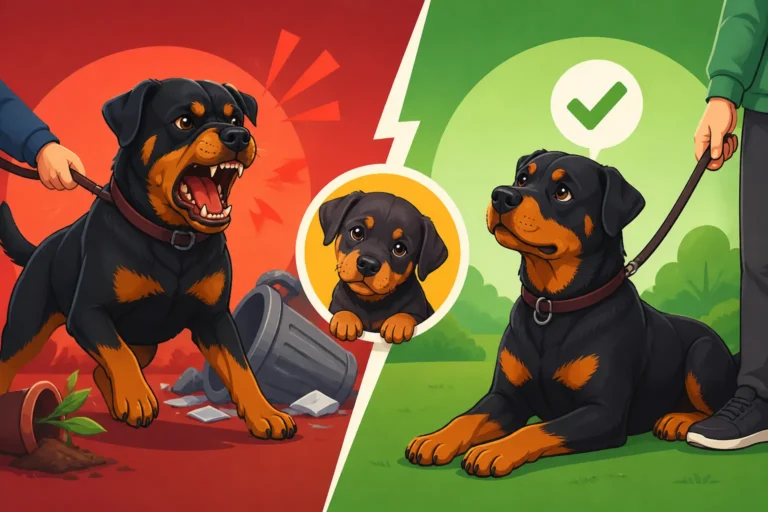
Beyond genetics, a Rottweiler's early socialization experiences are paramount. If a puppy wasn't exposed to a wide variety of people, sounds, sights, and situations during their critical socialization window – roughly up to 16 weeks – they might be more reserved or even wary later in life. A lack of diverse, positive experiences with guests as a puppy can lead to an adult dog who simply doesn't know how to comfortably or appropriately engage, or who defaults to ignoring because it feels safer. This is why focused effort on Rottweiler Socialization Before Sixteen Weeks is so important. Similarly, if they had a negative interaction with a guest as a young dog, even something as simple as a loud, startling greeting from an enthusiastic friend, they might generalize that experience and opt out of future interactions as a coping mechanism.
Decoding the Aloof: Subtle Signs of Engagement
Just because your Rottweiler isn't jumping for joy or licking a visitor's hand doesn't mean they aren't engaged or aware. Rottweilers communicate in subtle ways, and their "aloofness" can often be a complex display of their true feelings. Learning to read these nuanced signals is key to understanding your dog and helping them navigate social situations more comfortably.
The "Wait-and-See" Stance
A common Rottweiler trait is their deliberate "wait-and-see" response to new situations and people. They won't usually jump into a situation head-first. Instead, they prefer to observe from a distance, gather information, and then make a decision about how (or if) to interact. This is well-described in The Rottweiler Wait-and-See Response Explained. When a visitor arrives, your Rottweiler might move to a vantage point, perhaps a bit further away than you'd expect, and simply watch. Their body might be relaxed, but their eyes are often keenly focused, tracking movements and listening intently.
What looks like indifference from your perspective might actually be a very active mental process for them. They're absorbing all the nuances: the guest's tone of voice, their posture, how they interact with you, and even their scent. This observational period allows them to determine if the guest is a threat, a neutral party, or perhaps someone who might eventually offer a pleasant scratch behind the ears. Interrupting this assessment by forcing an interaction can sometimes backfire, making the dog more uncomfortable or even leading to a defensive reaction.
Body Language Beyond the Tail Wag
Given that many Rottweilers have docked tails, relying on a wag to gauge their mood can be tricky. You need to look at the whole dog. Even without a tail, they can communicate a lot. A Rottweiler that appears to be ignoring someone might actually be displaying a host of subtle signals:
- Relaxed, but alert posture: They might be lying down, but their head is up, ears are swiveling, and eyes are following the action. This isn't true disengagement; it's observant relaxation.
- A "soft" gaze: They might avoid direct eye contact, which can be a sign of respect or a way to de-escalate perceived tension, rather than outright ignoring. If their gaze is hard or fixed, that's a different story and could indicate more serious concern.
- Lip licks or yawns: These can be subtle signs of stress or an attempt to self-soothe in a new situation. They're saying, "I'm a little uncomfortable, but I'm trying to be calm."
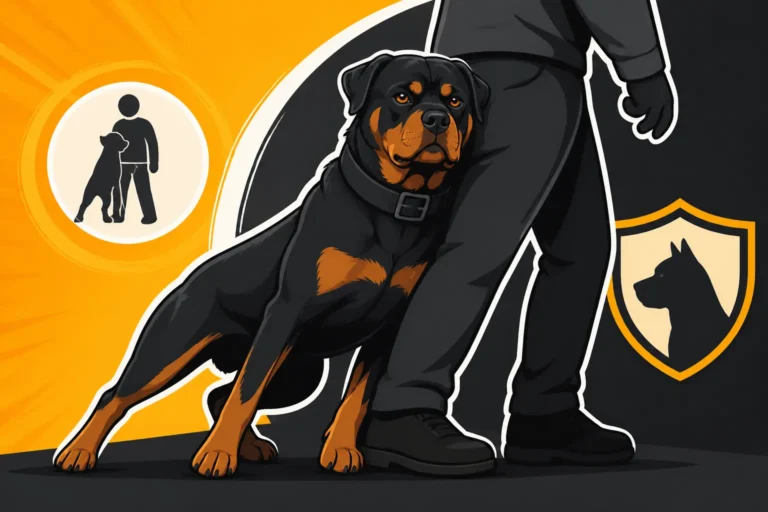
- Nose nudges or subtle leans: If a guest is sitting quietly and your Rottweiler eventually approaches and offers a gentle nose nudge or leans against them, this is a huge compliment. It signifies trust and acceptance. This leaning behavior is a very characteristic A Rottweiler That Leans Its Weight Into You sign of affection and bonding for them.
It's also important to distinguish genuine aloofness from actual fear or anxiety. A truly fearful dog might cower, tremble, try to hide, or even show aggressive warning signs like growling or snapping. An aloof Rottweiler, on the other hand, typically carries themselves with a quiet confidence, even if they choose not to interact. If your dog exhibits a Rottweiler Grumble That Is Not a Growl, it might just be their way of vocalizing their presence or slight displeasure without being aggressive. Understanding these subtle differences is key to knowing how to respond.
Here's a quick comparison of what different body language might mean:
| Behavior Aspect | "Aloof but Observant" Rottweiler | "Fearful/Stressed" Rottweiler |
|---|---|---|
| Overall Posture | Relaxed but alert, often still, may lie down to observe | Tense, crouched, low to the ground, trying to appear small |
| Eye Contact | May avoid direct stare, soft gaze, tracking movement | Wide eyes, showing whites (whale eye), darting glances |
| Ear Position | Relaxed, occasionally swiveling to listen | Flattened back against head, or stiffly forward |
| Mouth/Face | Closed mouth or soft pant, occasional lip lick | Tight lips, pulled back at corners, excessive panting |
| Tail (if present) | Held naturally, low or relaxed, minimal movement | Tucked tightly between legs |
| Movement | Slow, deliberate, may choose to move away calmly | Quick, jerky movements, attempts to escape or hide |
| Vocalization | Silent, or a soft, low "grumble" (not a growl) | Whining, growling, barking, trembling |
Strategies for Encouraging Polite, Engaged Greetings
So, how do you bridge the gap between your Rottweiler's natural reserve and a polite, confident interaction with guests? It's all about thoughtful management, consistent training, and respecting your dog's boundaries while gently guiding them towards desired behaviors.
Controlled Introductions and Positive Reinforcement
The first step is to manage the environment to set your Rottweiler up for success. When a visitor arrives, avoid chaotic, overwhelming greetings. Instead, create a calm, structured introduction.
- Prep your dog: Before guests arrive, ensure your Rottweiler has had adequate exercise and a potty break. A tired dog is often a calmer dog.
- Establish a "place": Teach your Rottweiler to go to a designated "place" – a sturdy dog bed or mat – and stay there. This gives them a job and a safe space when guests arrive. Practice this extensively before you need it. You can find durable, comfortable beds large enough for a Rottweiler on Amazon. Reward them generously with high-value treats for staying on their place, even for short durations. The BAXTER & Bella online puppy program offers excellent guidance on teaching a solid "place" command.
- Leash management: For initial introductions, especially with new or excitable guests, keep your Rottweiler on a leash, even if they're usually trustworthy. This gives you control without resorting to physical force. A good, strong leash and harness can make a huge difference, particularly if your dog tends towards Rottweiler Leash Pulling at Adult Weight when excited (or even when just trying to move away).
- Guest protocol: Instruct your guests to ignore your Rottweiler at first. No staring, no reaching, no talking to the dog. This takes the pressure off your Rottweiler and allows them to observe and approach on their own terms. Once your dog calmly approaches, the guest can offer a gentle, low-key greeting, perhaps a soft voice and an outstretched hand (palm up, not over the head) if the dog seems receptive.
- Reward calm curiosity: When your Rottweiler shows any calm, positive interest in a guest – even just a sniff, or a soft glance – reward it immediately with a high-value treat. The goal isn't necessarily a slobbery kiss, but a calm, non-reactive presence.
Consistency is key here. Every positive, low-stress interaction helps build your Rottweiler's confidence and teaches them that guests are a good thing.
Building Confidence Through Training and Exposure
Beyond initial greetings, ongoing training and gradual exposure will help your Rottweiler become more comfortable and engaged with new people.
- Socialization doesn't stop with puppyhood: While puppyhood is critical, continued positive exposure throughout your Rottweiler's life is important. This means calm, controlled interactions with various people of different ages, genders, and appearances, both inside and outside the home.
- "Meet and greet" protocols: Practice structured "meet and greet" sessions. Have a friend come over, sit quietly, and let your Rottweiler initiate the interaction. If your dog approaches, they get a treat from you (or from the guest, if your dog is comfortable taking it gently). If they retreat, no pressure.
- Impulse control games: Games that build impulse control, like "leave it" or "wait," are invaluable. These teach your Rottweiler to control their reactions, whether that's rushing a guest or retreating in a worried manner. Rottweiler Impulse Control Games can be a fun way to strengthen this.
- Walks in public: Taking your Rottweiler for walks in areas where people are present but not directly interacting can help them get used to the general hubbub of humanity without feeling singled out. Think parks, outdoor shopping areas (if dog-friendly), or even just busy sidewalks. Keep it positive and low-stress.
- Consider a training class: Even if your dog isn't "misbehaving," a good obedience or manners class can be a fantastic way to expose them to new people and situations in a structured, positive environment. Many local trainers offer classes that can help solidify good public manners.
Remember, the goal isn't to force your Rottweiler to be an extrovert if they're naturally an introvert. It's about helping them feel safe, confident, and polite in social situations, allowing them to engage on their own terms, even if those terms mean a calm, observant presence rather than an effusive welcome.
When to Seek Professional Guidance
While a certain level of aloofness is normal and even desirable in a Rottweiler, there's a line between polite reserve and genuine fear, anxiety, or aggression. Knowing when to call in a professional can make all the difference for your dog's well-being and your peace of mind.
Recognizing Signs Beyond Normal Aloofness
If your Rottweiler's "ignoring" behavior starts to lean towards something more concerning, it's time to pay close attention. Here are some red flags that indicate a need for professional intervention:
- Escalation to fear or aggression: If your Rottweiler moves beyond simply ignoring to actively avoiding, trembling, hiding, growling, lunging, snapping, or biting when guests are present, this is a serious issue. This might be a sign they are profoundly uncomfortable, fearful, or even feeling cornered. A dog that snaps when woken, for example, might be experiencing pain or fear, not just being grumpy. A Rottweiler That Snaps When Woken is a clear indicator that something deeper is going on.
- Sudden change in behavior: If your previously calm and mildly aloof Rottweiler suddenly becomes intensely fearful or aggressive towards visitors, it warrants immediate investigation. A sudden shift can sometimes indicate an underlying medical issue, such as pain Aggression in a Rottweiler That Hides Bone Pain or a neurological problem.
- Resource guarding with guests: While some resource guarding is normal, if your Rottweiler is aggressively guarding you, their food, toys, or even a particular spot from guests, this needs to be addressed immediately. A Rottweiler That Guards a Person or Bowl Guarding in a Rottweiler Bred to Guard are clear signals that your dog needs help with boundaries and confidence around people and possessions.
- Inability to settle: If your Rottweiler remains agitated, pacing, panting excessively, or unable to relax for extended periods when guests are over, even if they're not overtly aggressive, it indicates significant stress.
These behaviors are not just "unfriendly"; they are distress signals that your dog needs help managing their environment and emotions.
Consulting a Qualified Professional
When you notice these concerning signs, don't delay in seeking help. The sooner you intervene, the more effective the treatment is likely to be.
- Start with your vet: Always rule out medical causes first. Schedule a full veterinary check-up to ensure there isn't an underlying health issue contributing to the behavior. Pain, discomfort, or even hormonal imbalances can manifest as behavioral changes.
- Seek a certified professional dog trainer or behaviorist: Look for someone with credentials such as Certified Professional Dog Trainer (CPDT-KA), Certified Dog Behavior Consultant (CDBC), or a Veterinary Behaviorist (DACVB). These professionals have the knowledge and experience to assess complex behaviors, identify root causes, and develop tailored training plans. Be wary of trainers who rely on harsh punishment or intimidation, as these methods can exacerbate fear and aggression, especially in a powerful breed like the Rottweiler.
- Online resources: While not a replacement for hands-on help for serious issues, reputable online training programs can offer a wealth of information and foundational exercises. Services like BAXTER & Bella provide structured curricula that can help you understand dog behavior and implement positive training techniques, which might be a good starting point for milder aloofness or as supplementary support alongside a local professional.
Remember, addressing these issues is not just about having a "nicer" dog for your visitors; it's about ensuring your Rottweiler lives a happy, low-stress life, and that your home remains a safe and harmonious environment for everyone. Understanding your Rottweiler's unique communication style and respecting their inherent nature will pave the way for a truly fulfilling partnership.
Disclaimer
This article is for general informational purposes only and does not constitute professional advice. Laws, prices and regulations vary by location and change over time. Consult a qualified professional for guidance on your specific situation.