Why a Fair Hip Grade Still Passes for Rottweiler CHIC
It can be incredibly confusing, and frankly, a bit disheartening, when you're diligently researching Rottweiler breeders and come across a parent dog with an OFA hip grade of "Fair," yet they're still listed as CHIC certified. You're left wondering, "Wait, 'fair' doesn't sound great, so how can that be good enough for breeding?" This guide is here to demystify exactly why a "Fair" hip grade is not only acceptable but often a perfectly reasonable outcome for a responsibly bred Rottweiler to achieve CHIC status.
Understanding the OFA Hip Grading System
When a reputable Rottweiler breeder talks about health testing, the Orthopedic Foundation for Animals (OFA) hip evaluations are usually one of the first things that come up. It's a critical tool we use to assess the joint health of our dogs, especially for a breed like the Rottweiler that is genetically predisposed to conditions like hip dysplasia. But what do all those different grades actually mean? It’s not just a pass or fail; it’s a spectrum, and understanding that spectrum is key to deciphering your breeder’s health clearances.
What Each Grade Means for Joint Health
The OFA uses a panel of three independent, board-certified veterinary radiologists to evaluate radiographs (X-rays) of a dog's hips. Each radiologist assigns a grade, and if there's disagreement, more specialists are brought in. The final grade is a consensus of these expert opinions, reflecting the conformation of the hip joints.
The grades range from "Excellent" to "Severe Dysplasia." Let's break them down:
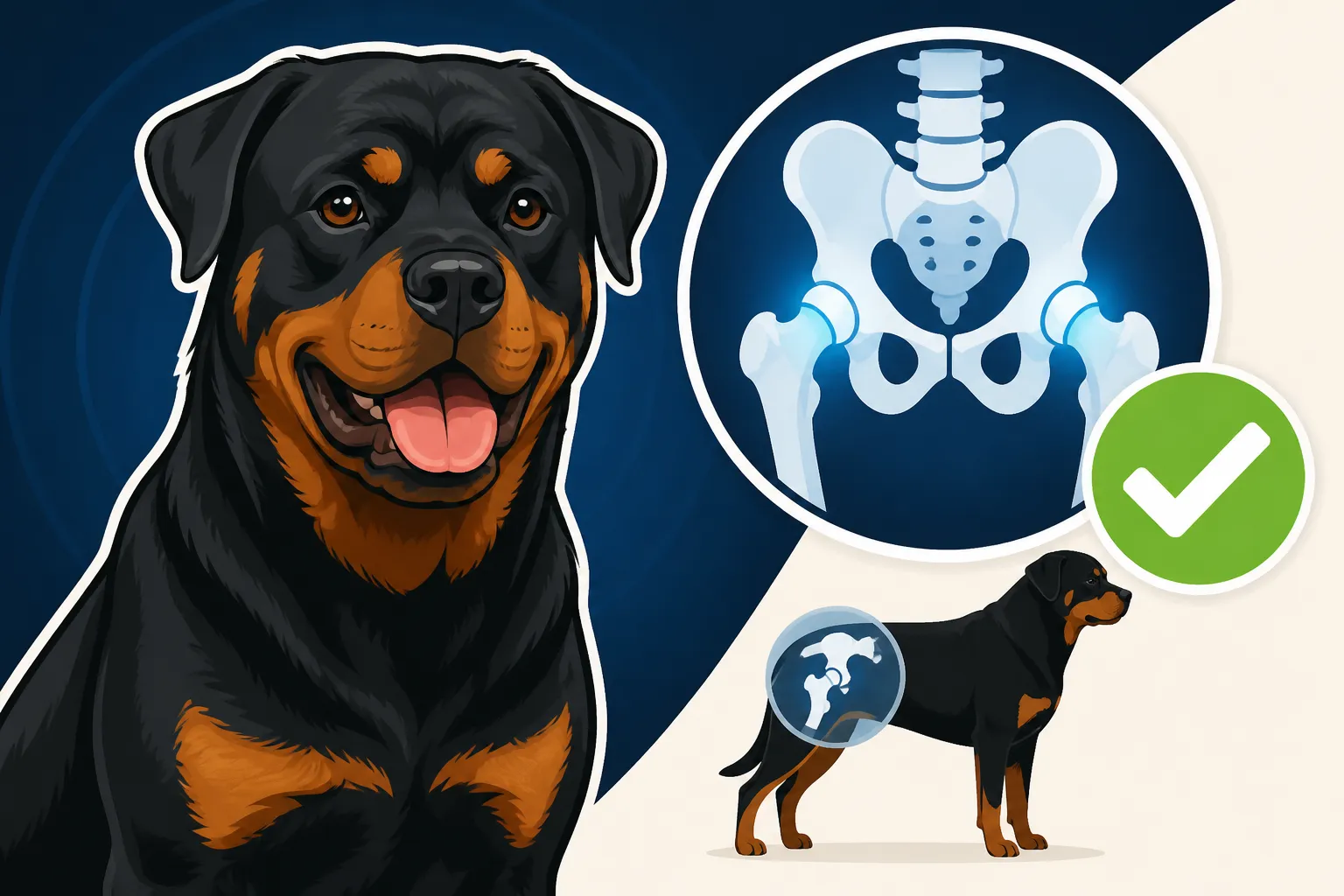
- Excellent: This is the ideal. The femoral head (the ball of the hip joint) fits perfectly and deeply into the acetabulum (the socket). There's minimal joint space, and the bones are smooth. It's a picture of perfect hip conformation, offering the highest resistance to hip dysplasia.
- Good: These hips are still very well-formed, showing a good congruence between the ball and socket. There might be minor imperfections compared to "Excellent," but they are structurally sound and indicative of healthy joints.
- Fair: Now, this is where the confusion often begins. "Fair" means there are minor irregularities in the hip joint, perhaps a slight laxity or a minor architectural variation. It doesn't mean the dog has hip dysplasia, nor does it mean they will inevitably develop it. It simply means the conformation isn't as tight or ideal as "Good" or "Excellent," but it's still considered within the range of normal and functional hips. For a large, heavy-boned breed like a Rottweiler, whose joints bear immense weight, a "Fair" rating can be a very respectable outcome.
- Borderline: This grade is, as its name suggests, right on the fence. There are more pronounced irregularities than a "Fair" hip, and while not definitively dysplastic, these hips are certainly a cause for concern. Dogs with "Borderline" hips are typically recommended to be re-evaluated at a later date, and often, breeders will choose not to breed a dog with this grade unless further evaluation proves otherwise.
- Mild, Moderate, Severe Dysplasia: These are the grades indicating the presence of hip dysplasia, ranging from minor structural changes and laxity to severe malformation, arthritis, and significant joint disease. Dogs receiving any of these grades should never be bred, as the condition is highly heritable.
It's important to remember that these grades are snapshots in time, usually taken when the dog is 24 months or older, after their Rottweiler Growth Plates Closing at Eighteen to Twenty-Four Months have fully fused. The environment, diet, and exercise during a Rottweiler's crucial growth period can also influence hip development, although genetics play a massive role.
The Nuance of the "Fair" Designation
The term "fair" often carries a negative connotation in everyday language, implying something barely acceptable or mediocre. However, in the context of OFA hip grades, "Fair" is fundamentally different. It's a passing grade, signifying that the dog's hips are considered phenotypically normal, meaning they appear normal based on their physical characteristics as seen on the X-ray. These hips are deemed healthy enough not to contribute to the genetic predisposition for hip dysplasia in a significant, negative way.
For a massive, powerful breed like the Rottweiler, with their substantial bone structure and muscle mass, achieving an "Excellent" rating is truly outstanding but not necessarily the norm. The sheer size and weight these dogs carry naturally put more stress on their joints than a smaller, lighter breed. A "Fair" grade simply acknowledges these minor anatomical variations that are still perfectly functional and pain-free for the dog. Many Rottweilers with "Fair" hips live long, active lives without any signs of hip discomfort, especially if their owners take proactive measures for joint supplements started early in a Rottweiler and careful management of their weight and exercise.
Breeders who produce dogs with "Fair" hips are still practicing responsible breeding, provided the dog's other health clearances are also in order and their pedigree does not have a high incidence of dysplasia. It shows they are transparent with their health testing and not just chasing the elusive "perfect" score. The goal is to reduce the incidence of hip dysplasia, not necessarily to only breed dogs with "Excellent" hips, which can severely limit the genetic pool and inadvertently lead to other health issues.
Why the OFA System is So Important for Rottweilers
Rottweilers, unfortunately, are statistically prone to developing hip and elbow dysplasia, as well as Osteochondritis Dissecans in a Rottweiler Shoulder, which is why rigorous health screening is non-negotiable for responsible breeders. These conditions can cause significant pain, lameness, and reduced quality of life for a dog, and substantial financial strain for an owner. Understanding Rottweiler Hip Dysplasia and the OFA Grade is paramount.
The OFA database provides an invaluable resource for breeders to track hip health across generations. By only breeding dogs with passing hip grades (Excellent, Good, or Fair), breeders work collectively to reduce the prevalence of hip dysplasia within the breed. When you see a breeder who consistently tests their dogs through OFA, even if some results come back as "Fair," it indicates a commitment to transparency and breed health that goes a long way. This commitment helps ensure that your future Rottweiler puppy has the best possible genetic start against these debilitating joint conditions. It’s about making informed choices to improve the breed's overall health, one generation at a time.
CHIC Requirements and the "Fair" Grade Acceptance
The Canine Health Information Center (CHIC) is a health certification program sponsored by the Orthopedic Foundation for Animals (OFA) and the AKC Canine Health Foundation. It's a comprehensive approach to health testing that goes beyond just hips. Many aspiring Rottweiler owners are keenly aware of CHIC, but not everyone fully grasps its nuances, especially when a "Fair" hip grade seems to contradict the idea of optimal health.
What is CHIC and Its Purpose for Health Clearances
The CHIC program was established to create a centralized canine health database, providing a clear, open, and standardized resource for breeders and buyers alike. For a dog to receive a CHIC number, it must undergo all required health screenings specific to its breed and have those results publicly available in the OFA database. These specific tests are determined by the parent club of each breed, in conjunction with OFA, identifying the most prevalent and serious genetic health issues for that particular breed.
For Rottweilers, the recommended CHIC health tests include evaluations for:
- Hips (OFA or PennHIP)
- Elbows (OFA)
- Cardiac (OFA)
- Eyes (OFA CAER)
- Juvenile Laryngeal Paralysis & Polyneuropathy (JLPP) DNA Test
The beauty of the CHIC program is its transparency. It's not about achieving "perfect" scores on every test, but about undergoing the tests, making the results public, and showing a commitment to understanding and improving the genetic health of the breed. This allows prospective puppy buyers to verify the health status of a potential puppy's parents and helps breeders make more informed decisions about breeding pairs. For more on this, you might find The Five Evaluations a Rottweiler Needs for CHIC to be an excellent resource.
The Threshold for a Passing OFA Hip Grade in CHIC
Here's the crucial part: for OFA hip evaluations, the CHIC program considers an OFA hip grade of "Fair," "Good," or "Excellent" to be a passing grade. This means that a Rottweiler with "Fair" hips, provided it has also passed all other required CHIC clearances, is fully eligible to receive a CHIC number. This often surprises people, as they assume only "Good" or "Excellent" would suffice for such a prestigious certification.
The reason for this acceptance lies in the nature of the "Fair" grade itself. As discussed, a "Fair" hip is not dysplastic. It represents a functional, healthy joint with only minor conformational variations. The OFA and the American Rottweiler Club (ARC) recognize that setting the bar only at "Good" or "Excellent" would be overly restrictive for a large, heavy breed like the Rottweiler. Such a strict criterion could severely limit the breeding gene pool, potentially leading to the proliferation of other genetic issues or sacrificing other desirable traits, such as temperament or working ability.
By including "Fair" as a passing grade, CHIC encourages more breeders to participate in health testing without unfairly penalizing dogs that are otherwise healthy, have excellent temperaments, and come from strong, healthy lines. It’s a pragmatic approach to breed health, aiming for continuous improvement rather than unattainable perfection. Owners who invest in pet insurance like Healthy Paws often appreciate knowing their chosen puppy comes from parents with such comprehensive health screening, regardless of specific hip grades, as it speaks to a breeder's overall commitment to reducing risks.
Balancing Ideal Health with Breed Preservation
Responsible breeding is a delicate balancing act. While the ideal is always to produce the healthiest puppies possible, real-world genetics and the complexities of a breed as magnificent as the Rottweiler mean that simply selecting for "Excellent" hips alone isn't always the best or most sustainable strategy for breed preservation.
Consider this: if breeders were only allowed to use Rottweilers with "Excellent" hips, the pool of available breeding dogs would shrink dramatically. This narrow gene pool could inadvertently lead to an increase in other genetic problems not directly related to hips, or it could reduce overall genetic diversity, making the breed more susceptible to new diseases in the future. Moreover, a dog with "Fair" hips might possess other invaluable qualities, such as an exceptional temperament, strong working drive, or outstanding conformation in other areas that are crucial to the breed standard.
A conscientious breeder evaluates the entire dog, not just one set of test results. They look at the OFA hip grade in conjunction with Rottweiler Elbow X-Rays Taken at Twenty-Four Months, cardiac clearances, eye certifications, and the JLPP DNA test results. They also consider temperament, longevity in the pedigree, and the overall health history of the dog and its ancestors. A "Fair" hip grade from an otherwise robust, healthy, well-tempered dog from a long-lived line might be a far better breeding choice than a dog with "Excellent" hips but a poor temperament or a history of other health issues in its lineage. It's about cumulative health, genetic diversity, and making responsible choices for the long-term well-being of the breed.
Living With and Managing a Rottweiler With Fair Hips
Bringing a Rottweiler with "Fair" hip grades from its parents into your home isn't a cause for alarm, but it does mean being mindful and proactive about their joint health throughout their lives. Even if your puppy's parents had excellent hips, proper care can significantly impact your dog's future mobility and comfort. For a powerful, active breed like the Rottweiler, joint care starts from day one.
Proactive Care for Joint Health from a Young Age
The foundation for healthy joints in a Rottweiler is laid during puppyhood. Even with "Fair" hips in the lineage, proactive measures can make a world of difference. One of the most critical aspects is managing their growth rate and maintaining a lean body condition. Overfeeding a growing Rottweiler puppy, especially with foods not formulated for large breeds, can lead to excessively rapid growth, putting undue stress on developing joints. This can contribute to developmental orthopedic diseases, even in genetically sound puppies. You'll want to ensure they are on a high-quality, large-breed puppy food until at least 18-24 months of age, carefully monitoring their weight to keep them lean. For more on this, you might be interested in Rottweiler Growth Plates and Why They Close So Late.
Controlled, appropriate exercise is another cornerstone. While it's tempting to take your energetic Rottweiler puppy on long runs or let them jump off high places, their growth plates are not fully closed until they are nearly two years old. Excessive high-impact activities like repetitive jumping, long-distance running on hard surfaces, or frequent stair climbing should be avoided during this critical developmental period. Instead, focus on shorter, leash-walks, swimming (which is excellent low-impact exercise), and gentle play. Think about teaching your puppy Why a Rottweiler Should Not Jump Down From the Car from a young age to protect their joints.
Finally, consider joint supplements. While not a magic bullet, supplements containing glucosamine, chondroitin, and MSM can offer support for joint cartilage and overall joint health. Many owners start these proactively, even before any signs of issues, in large breeds. Your vet can advise on appropriate dosages for your growing Rottweiler.
Recognizing Signs of Hip Discomfort and Progression
Even with the best proactive care, it's essential to be vigilant for any signs of hip discomfort, especially as your Rottweiler ages. Dogs are masters at hiding pain, so you'll need to pay close attention to subtle changes in their behavior and movement. Early detection can lead to more effective management and a better quality of life.
Look out for any of these indicators:
- Reluctance to jump: Hesitation before jumping into the car, onto furniture, or even up for a treat.
- Difficulty getting up: Struggling to rise from a lying position, especially after rest.
- Lameness or limping: This might be intermittent or more pronounced after exercise. It can often appear as a "bunny hop" gait, where both hind legs move together.
- Decreased activity: Less enthusiasm for walks, play, or activities they once enjoyed.
- Changes in gait: A stiff or choppy gait, or a noticeable sway in the hindquarters.
- Pain response: Whining, crying, or snapping when their hips are touched or manipulated.
- Muscle atrophy: Noticeable loss of muscle mass in the hindquarters, which can make their hips appear more prominent.
- "Fair-weather" limping: Signs of discomfort that worsen in cold or damp weather.
If you notice any of these signs, don't hesitate to consult your veterinarian. They can conduct a physical examination and may recommend X-rays to assess the current state of their hips and rule out other causes of pain or lameness.
Long-Term Management and Veterinary Partnership
Managing a Rottweiler with "Fair" hips throughout their life is a marathon, not a sprint, and requires a strong partnership with your veterinarian. This relationship will be crucial for monitoring their joint health, adjusting their care plan as needed, and intervening if problems arise.
One of the most impactful things you can do is to prevent Rottweiler Obesity and the Load It Adds. Every extra pound puts significant strain on their joints. Work with your vet to determine an ideal body weight and maintain it through carefully portioned meals and regular, appropriate exercise. A lean Rottweiler is a happier, healthier Rottweiler, especially concerning joint health. Regular, moderate exercise keeps muscles strong, which supports the joints, but it should be tailored to your dog's individual comfort level and mobility. Avoid strenuous activities that cause pain or exacerbate existing issues.
Your vet may recommend a variety of interventions depending on your dog's needs, including:
- Prescription joint medications: Non-steroidal anti-inflammatory drugs (NSAIDs) or other pain relievers can manage pain and inflammation.
- Physical therapy: Targeted exercises, hydrotherapy, or laser therapy can strengthen supporting muscles, improve range of motion, and reduce pain. You can learn more about Physical Therapy After Rottweiler Joint Surgery as a reference.
- Acupuncture or chiropractic care: Some owners find these complementary therapies beneficial for chronic joint pain.
- Nutraceuticals: Continuing with high-quality joint supplements can support cartilage health.
- Surgery: In severe cases of dysplasia that worsen over time, surgical options like a total hip replacement might be considered, though this is less common for "Fair" hips and more for dogs with moderate to severe dysplasia.
- Comfort management: Provide orthopedic beds, ramps, or steps to help them navigate your home, especially as they enter their senior years. This is key to Senior Rottweiler Mobility Decline.
Throughout your Rottweiler's life, especially as they become a Senior Rottweiler Care After the Age of Seven, regular veterinary check-ups are essential. Open communication with your vet, including reporting any changes in mobility or behavior, will ensure your Rottweiler receives the best possible care, allowing them to live a comfortable and fulfilling life, even with hips that are merely "Fair." Having a robust pet insurance plan, like those offered by Healthy Paws, can provide immense peace of mind, knowing that you're covered for potential long-term joint care, medication, or physical therapy should your Rottweiler need it down the line.
The Broader Picture of Rottweiler Health and Breeding
While hip health is undeniably important for Rottweilers, it's crucial to understand that it's just one piece of a much larger puzzle when it comes to responsible breeding and overall canine well-being. Focusing solely on one aspect, even a significant one like hips, can sometimes lead to overlooking other critical health considerations or a skewed perception of a breeder's diligence.
Beyond Hips: Other Essential Rottweiler Health Clearances
As mentioned earlier, CHIC requires several other health screenings for Rottweilers, each addressing a potentially serious inherited condition prevalent in the breed. A truly responsible breeder will have performed all of these, with results publicly available. These include:
- Elbow Dysplasia: Just like hips, elbows can suffer from developmental abnormalities that lead to pain and arthritis. Rottweiler Hips and Elbows and the 24-Month Rule mandates these X-rays be taken at or after 24 months of age, and the OFA grades them as normal or dysplastic.
- Cardiac Evaluation: Rottweilers can be predisposed to certain heart conditions, notably Rottweiler Heart Disease and Subaortic Stenosis. A board-certified veterinary cardiologist should perform an echocardiogram to screen for subaortic stenosis (SAS) and other cardiac abnormalities.
- Eye Examination: Several eye conditions, such as entropion (inward-rolling eyelids) or ectropion (outward-rolling eyelids), can affect Rottweilers. An ophthalmologist performs a CAER (Companion Animal Eye Registry) exam, which must be recertified periodically.
- JLPP DNA Test: JLPP and the Rottweiler DNA Test is a critical screening for Juvenile Laryngeal Paralysis & Polyneuropathy, a devastating neurological disease that affects young Rottweilers. This is a DNA test, so results are clear, carrier, or affected, and at least one parent must be clear to ensure no affected puppies are produced.
A breeder who has all these clearances in place, even if one parent has "Fair" hips, is demonstrating a far greater commitment to producing healthy puppies than one who only claims "good hips" without any verifiable documentation or other test results. The holistic view provided by CHIC is what truly indicates a dedicated approach to breed health.
Making Informed Decisions When Choosing a Rottweiler Puppy
For prospective Rottweiler owners, the presence of a "Fair" hip grade on a CHIC-certified parent dog shouldn't be a deal-breaker. Instead, it should prompt a deeper conversation with the breeder and an understanding of their overall breeding philosophy. Here’s what to look for and discuss:
- Transparency and Documentation: A reputable breeder will provide you with easy access to all health clearances, preferably directly through the OFA database using the parent dogs' names or registration numbers. They shouldn't just tell you the dogs are tested; they should show you the documentation.
- Multiple Generations of Clearances: Ask to see clearances on the puppy's grandparents and great-grandparents if possible. A history of multiple generations with passing hip grades (even "Fair" ones) strengthens confidence in the line's overall health.
- Temperament and Longevity: Inquire about the temperament of the parent dogs and other relatives. Longevity in the pedigree is also a strong indicator of overall health.
- Breeder's Philosophy: A good breeder can articulate why they chose a particular breeding pair, especially if one parent has a "Fair" hip grade. They should explain how they balance all health considerations, temperament, and conformation. They might explain, for example, that the dog with "Fair" hips has an outstanding temperament, a clear cardiac history, and has produced wonderful puppies with "Good" or "Excellent" hips when bred to a partner with strong hip conformation.
- Support and Guidance: A responsible breeder will be a resource for you throughout your dog's life, offering advice on diet, exercise, and health management. They will want updates and be available for questions.
Ultimately, choosing a Rottweiler puppy is about more than just a single hip grade. It’s about partnering with a breeder who is transparent, knowledgeable, and deeply committed to the health, temperament, and preservation of this incredible breed. A CHIC certification, even with a "Fair" hip grade, is a testament to that commitment, indicating a breeder who is doing their due diligence and contributing positively to the future of the Rottweiler.
Disclaimer
This article is intended for informational purposes only and does not constitute veterinary advice. Always consult with a qualified veterinarian for any health concerns or before making any decisions about your pet's health or treatment.