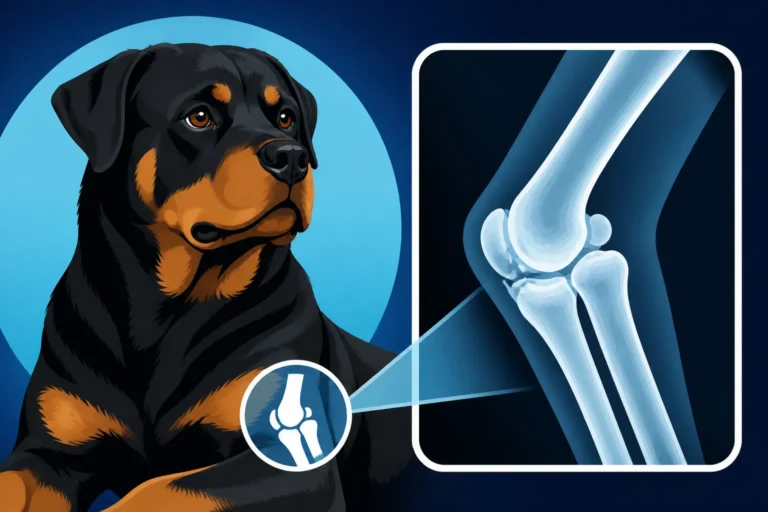
Why Rottweilers Live Shorter Lives Than Small Breeds
It’s a truly disheartening reality many Rottweiler owners face: these magnificent, loyal dogs, full of life and love, often don't get to share as many years with us as we desperately wish. While it's common to see smaller breeds like Chihuahuas or Jack Russell Terriers living well into their mid-teens, a Rottweiler’s journey typically concludes much sooner, usually around eight to ten years. This profound difference in longevity leaves many of us asking, "Why do Rottweilers live shorter lives than small breeds?" This guide will explore the underlying physiological, genetic, and environmental factors that contribute to this heartbreaking truth, offering insights into the unique challenges and proactive measures that can help maximize your Rottweiler's precious time with you.
The Inexorable Link Between Canine Size and Lifespan
One of the most widely observed, yet counterintuitive, phenomena in the canine world is the inverse relationship between a dog's size and its lifespan. Generally speaking, the larger the dog, the shorter its expected life. This isn’t just an anecdotal observation; it’s a consistent pattern seen across dog breeds, with Rottweilers falling squarely into the "giant breed" category when it comes to this trend.
Accelerated Aging and Growth Rates
Think about how quickly a Rottweiler puppy grows. In just a year, it transforms from a tiny, clumsy bundle of fur into a robust, powerful animal weighing upwards of 80 to 100 pounds, sometimes even more. This rapid growth isn't just about gaining weight; it's an incredible feat of cellular reproduction and development. Scientists theorize that this accelerated growth and metabolism in large breeds like Rottweilers might lead to a quicker accumulation of cellular damage, essentially speeding up the aging process at a cellular level. It’s like their biological clock runs at a faster pace. The cells in a large dog have to work overtime, replicating and developing at an astonishing rate to support that massive increase in size. This rapid division may increase the chances of errors during replication, leading to cellular senescence or malfunction sooner.
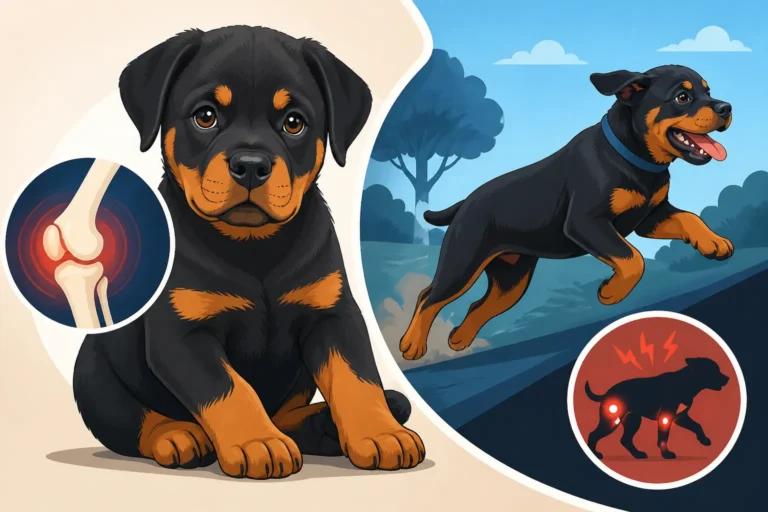
Furthermore, the very process of intense growth puts immense stress on a young dog's body. Their Rottweiler Growth Plates and Why They Close So Late are open for a longer period compared to smaller dogs, making them susceptible to growth-related orthopedic issues if not managed carefully. Every pound gained quickly, every hard jump, every intense run before those plates fuse, contributes to wear and tear that a smaller, slower-growing dog might not experience to the same degree or at such an early stage. This is a critical period where proactive care is vital.
Metabolic Differences and Oxidative Stress
Another theory points to metabolic differences. Larger dogs tend to have higher basal metabolic rates per unit of body weight than smaller dogs, meaning their bodies are constantly running "hotter" in a biological sense. This increased metabolic activity generates more free radicals – unstable molecules that cause oxidative stress and damage cells, DNA, and tissues throughout the body.
Imagine a highly efficient, high-performance engine. It works incredibly hard and can do amazing things, but it also generates more heat and wear over time. Similarly, a Rottweiler's powerful metabolism, while enabling its impressive growth and strength, might inadvertently contribute to earlier cellular breakdown and aging, potentially paving the way for diseases like cancer. This constant cellular "repair and regeneration" cycle, if overwhelmed by oxidative stress, can accelerate the onset of age-related illnesses.
Specific Health Challenges That Impact Rottweiler Lifespan
Beyond the general big-dog-short-life correlation, Rottweilers are unfortunately predisposed to several specific health conditions that significantly impact their longevity. These are not minor ailments but often serious, life-threatening diseases that can cut their lives tragically short.
Cancer Predisposition: A Heavy Burden
Cancer is, sadly, the leading cause of death in Rottweilers. It's a cruel reality that many owners confront, and it plays a huge role in why their average lifespan hovers around the 8-10 year mark. The breed seems particularly susceptible to aggressive forms of cancer, often appearing in what would be considered middle age for a human.
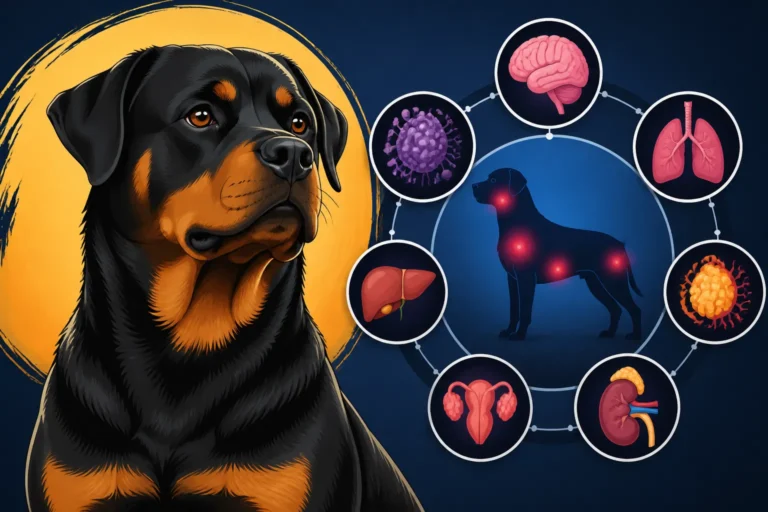
One of the most devastating is Osteosarcoma, the Cancer That Takes Most Rottweilers. This aggressive bone cancer is rampant in the breed, often presenting as a subtle lameness that progresses rapidly. It can strike at a surprisingly young age, sometimes as early as five or six, leaving owners with heartbreaking choices and very little time. Its aggressive nature means a grim prognosis even with extensive treatment like amputation and chemotherapy. Other cancers like lymphoma, which affects the lymphatic system, and hemangiosarcoma, a deadly cancer of the blood vessel lining often found in the spleen or heart, are also frighteningly common in Rottweilers. Knowing the Rottweiler Cancers Beyond the Bone that can affect your dog is crucial for early detection. The sheer prevalence and aggressive nature of these diseases significantly skew the breed's average lifespan downwards.
Joint and Orthopedic Issues: The Weight of Being Big
Rottweilers are powerful, athletic dogs, but their substantial weight and rapid growth can put immense strain on their joints. Conditions like hip and elbow dysplasia are unfortunately widespread in the breed, despite the best efforts of responsible breeders to screen for them. Rottweiler Hips and Elbows and the 24-Month Rule are critical considerations for any owner or prospective owner.
Hip dysplasia, a malformation of the hip joint, can lead to painful arthritis and mobility issues, especially as the dog ages. While not directly fatal, the chronic pain and reduced quality of life associated with severe dysplasia can lead to difficult decisions about a dog’s future. Elbow dysplasia, affecting the front legs, causes similar problems. Beyond these developmental issues, the sheer size and strength of a Rottweiler make them prone to acute injuries like cruciate ligament tears (ACL tears in humans). A sudden twist or misstep during play can lead to a costly and painful surgery, followed by a long recovery period. While these conditions are often manageable with surgery, medication, and physical therapy, they represent significant health challenges that contribute to a potentially shorter, or at least more medically intensive, life.
Heart Disease and Bloat: Acute Threats
Rottweilers are also genetically predisposed to certain cardiovascular diseases. Rottweiler Heart Disease and Subaortic Stenosis (SAS) is a serious inherited condition where a fibrous ring forms just below the aortic valve, restricting blood flow from the heart. It can range from mild to severe, and in its more severe forms, it can lead to sudden death or heart failure at a young age, sometimes before the dog even reaches two years old. Dilated Cardiomyopathy (DCM), another serious heart condition where the heart muscle weakens and enlarges, is also seen in the breed.
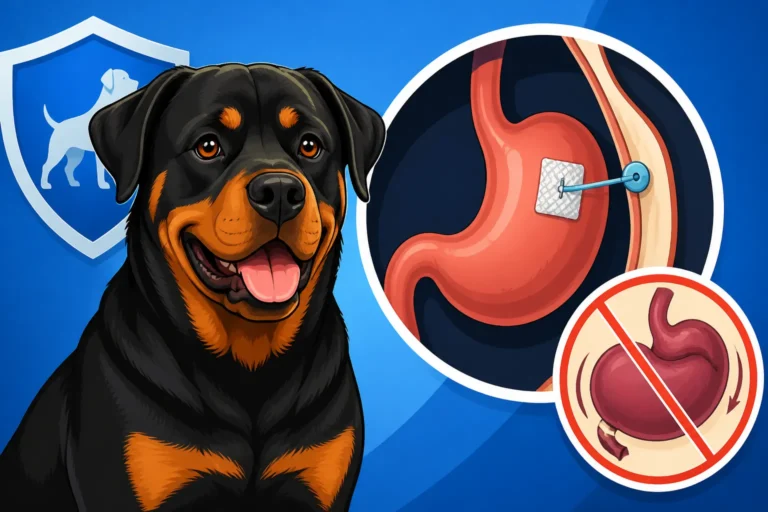
Then there's bloat, or Gastric Dilatation-Volvulus (GDV). This acute, life-threatening emergency is a terrifying reality for large and deep-chested breeds like the Rottweiler. The stomach fills with gas and then twists, trapping the gas and cutting off blood supply. Without immediate veterinary intervention, often within hours, it is almost always fatal. The suddenness and severity of Bloat in a Rottweiler and the Hours That Matter mean that even with a rapid response, survival is not guaranteed. While not strictly a genetic disease in the same way as SAS, the anatomical predisposition makes Rottweilers highly susceptible, adding another grave risk to their lives.
Here’s a quick overview of some common Rottweiler health issues and their potential impact:
| Health Issue | Typical Onset Age | Impact on Lifespan | Key Risk Factors |
|---|---|---|---|
| Osteosarcoma | 5-10 years | Significantly shortens lifespan | Genetic predisposition, rapid growth |
| Hemangiosarcoma | 6-12 years | Often leads to sudden death | Genetic predisposition |
| Lymphoma | Any age, often 5-9 | Variable, but frequently aggressive | Genetic predisposition |
| Hip/Elbow Dysplasia | Puppyhood-Adult | Chronic pain, reduced mobility; can impact quality of life decisions | Genetic predisposition, rapid growth, exercise |
| Subaortic Stenosis | Young adult (1-4 yrs) | Can lead to sudden death or heart failure | Genetic predisposition |
| Bloat (GDV) | Any age, typically 2+ | Acute emergency, high fatality rate if untreated | Deep chest, eating habits, stress |
| JLPP | 3-6 months | Fatal neurological disease | Recessive genetic condition |
The Role of Responsible Breeding and Proactive Care
While the statistics can be daunting, it's not all doom and gloom. Responsible breeding and dedicated, proactive ownership can make a significant difference in a Rottweiler's health and longevity. Understanding the genetic predispositions of the breed allows for targeted efforts to mitigate risks.
The Importance of Health Clearances
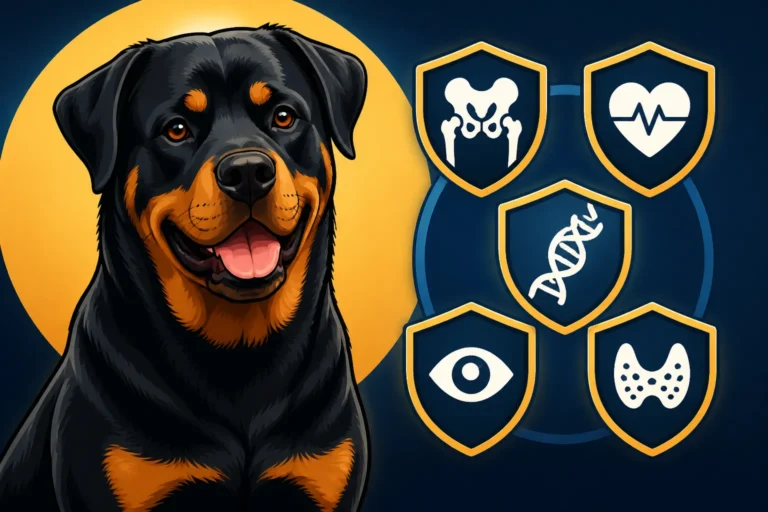
For anyone considering bringing a Rottweiler into their home, it is absolutely paramount to choose a breeder who performs comprehensive health clearances on their breeding stock. These aren't just "nice-to-haves"; they are critical tools in reducing the incidence of inherited diseases. This includes orthopedic evaluations like OFA (Orthopedic Foundation for Animals) certifications for hips and elbows, cardiac evaluations to screen for heart conditions like SAS, and genetic testing for diseases such as JLPP and the Rottweiler DNA Test (Juvenile Laryngeal Paralysis & Polyneuropathy). Asking for The Five Clearances a Rottweiler Breeder Must Have is your right as a buyer and a crucial step towards ensuring your puppy has the best possible start. A responsible breeder aims to produce puppies that are "clear" or "carrier" (if breeding carriers, one parent must be clear) of known genetic issues, thus trying to breed away from debilitating diseases that contribute to a shorter Rottweiler Lifespan and the Eight to Ten Year Average.
Nutrition and Weight Management: Keeping Them Lean
One of the most impactful things an owner can do to help their Rottweiler live a longer, healthier life is to maintain a lean body condition from puppyhood through their senior years. While a chubby puppy might look cute, it can actually contribute to developmental orthopedic diseases and put undue stress on growing joints. Feeding a high-quality, large-breed appropriate diet that supports slow, steady growth is vital for a Rottweiler Puppy That Grows for Two Years.
As adults, preventing obesity is paramount. Rottweiler Obesity and the Load It Adds is a serious concern, as excess weight exacerbates joint problems, increases the risk of heart disease, and can even contribute to certain cancers. Measuring food precisely, avoiding free-feeding, and providing appropriate, consistent exercise are key. Splitting their daily food ration into two or three smaller meals can also help reduce the risk of bloat, a crucial piece of advice for a breed so prone to it. Learning the Feeding Rules That Lower Rottweiler Bloat Risk can be a lifesaver.
Regular Veterinary Care and Early Detection
Routine veterinary check-ups become even more critical as a Rottweiler ages. What might seem like minor stiffness or a slight cough could be the early sign of something more serious in a breed with their predispositions. Early detection of issues, whether it's a new heart murmur, a suspicious lump, or changes in gait, can significantly improve outcomes and extend quality of life. Regular bloodwork and physical exams allow your vet to monitor organ function and look for subtle changes that indicate disease. When your Rottweiler approaches seven years old, discussions about Senior Rottweiler Care After the Age of Seven should become a regular part of your vet visits.
Having pet insurance can also be a game-changer when dealing with the potential health issues of a Rottweiler. Unexpected surgeries for bloat or cruciate tears, or ongoing treatments for cancer, can be incredibly expensive. A robust pet insurance policy, such as those offered by Healthy Paws, can help alleviate the financial burden, allowing you to make medical decisions based on what’s best for your dog, rather than your wallet. Knowing that a significant portion of these high costs might be covered provides immense peace of mind and can enable owners to pursue treatments that might otherwise be out of reach. For instance, if your Rottweiler develops osteosarcoma, the costs for amputation and chemotherapy can quickly reach tens of thousands of dollars, making a policy from Healthy Paws a wise investment.
Balanced Exercise and Mental Stimulation
Rottweilers need regular exercise, but it must be appropriate for their age and physical development. Over-exercising a young Rottweiler, especially with activities that involve repetitive jumping or hard impacts, can damage still-developing growth plates and contribute to future joint problems. Once mature, a Rottweiler benefits from consistent, moderate exercise like brisk walks, swimming, and mental stimulation through training and puzzle toys. These activities help maintain muscle mass, keep weight in check, and support overall health without overstressing their joints. A Growing Rottweiler's Joints and Overexercise can lead to long-term issues.
Looking Ahead: What We Can Do
The truth about why Rottweilers live shorter lives than small breeds is complex, rooted in genetics, physiology, and the sheer demands of their large bodies. However, this understanding empowers us as owners to be advocates for our dogs. By choosing responsible breeders, providing optimal nutrition and weight management, committing to regular veterinary care, and being prepared for potential health challenges (perhaps with the help of a good insurance plan like one from Healthy Paws), we can give our Rottweilers the best possible chance at a full, healthy, and happy life, cherishing every moment we have with these incredible companions. While we can't change their genetic predispositions entirely, we can certainly influence their quality of life and potentially add valuable, healthy years to their journey.
Disclaimer
This article is intended for informational purposes only and does not constitute veterinary advice. Always consult with a qualified veterinarian for any health concerns or before making any decisions about your pet's health or treatment.