Senior Rottweiler Mobility Decline
It’s a tough reality many of us face as our beloved Rottweilers enter their golden years: the powerful, agile dog who once bounded effortlessly suddenly hesitates before jumping into the car, struggles to rise from a comfy nap, or slows significantly on walks. Watching that vibrant energy dim and witnessing their discomfort with everyday movements can be heartbreaking and leave you feeling utterly helpless. This comprehensive guide is here to shed light on the common causes of mobility decline in senior Rottweilers, help you recognize the subtle and not-so-subtle signs, and empower you with practical strategies to support their comfort and enhance their quality of life as they navigate this natural, yet challenging, stage of life.
Understanding Normal Aging Versus Concerning Changes
As our Rottweilers mature, changes are inevitable. Their metabolism slows, their sleep patterns shift, and yes, their physical capabilities naturally diminish. But there’s a crucial difference between the gentle winding down of age and specific signs that point to pain or a medical condition requiring intervention. It’s a line every devoted owner needs to learn to read, often through a blend of careful observation and instinct.
The Gradual Slowdown: What to Expect
Think about yourself or older family members; you don’t sprint everywhere like you used to, right? The same applies to your senior Rottweiler. You might notice they prefer shorter walks, take longer to settle into a lying position, or seem a bit stiffer after a long nap, especially in the mornings. This isn't necessarily a crisis. Their once boundless energy gives way to a more sedate pace, and they might choose to watch the world go by from a comfortable spot rather than constantly patrolling the yard. This gradual reduction in activity, a little less bounce in their step, or a slightly slower ascent up a couple of stairs can often be attributed to the normal wear and tear on joints and muscles that accumulate over a lifetime. They're not "lazy" or "stubborn"; they're just getting older, and their body isn't quite as resilient as it once was. A lot of this simply falls under the umbrella of Senior Rottweiler Care After the Age of Seven, focusing on general comfort and management rather than acute medical issues.
It's about managing expectations and understanding that a thirteen-year-old Rottweiler won't move like a three-year-old. Their gait might become a little more deliberate, they might conserve energy, and their overall zest for intense physical activity will likely wane. It’s a natural process, and our role shifts from encouraging high-impact play to fostering comfortable, gentle activity. They still want to be involved, still want to go on those sniff walks, just perhaps not for as long, or with as much vigor as before. Their muscles might lose some mass, making them appear a bit less bulky, and their ligaments and tendons may become less elastic, contributing to that overall "stiffness."
When to Call the Vet: Red Flags for Mobility
While a general slowdown is normal, certain signs should immediately raise a red flag and prompt a visit to your veterinarian. These aren't just minor inconveniences; they could indicate significant pain or a progressive condition that needs medical attention. Imagine your Rottweiler suddenly refusing stairs they used to navigate easily, or yelping when you touch their back. These are clear distress signals. Other critical signs include a sudden lameness that doesn't resolve within a day, difficulty getting up after lying down that becomes consistent and visibly painful, or a change in their posture where they seem to be hunching or distributing their weight unevenly. You might also observe tremors in their legs, dragging of their paws, or a noticeable loss of coordination, such as stumbling more frequently.
Beyond obvious pain, look for behavioral changes. A senior Rottweiler in discomfort might become withdrawn, less interested in food or play, or even show signs of irritability when approached, especially if they anticipate being touched in a sensitive area. This isn't your dog being "grumpy"; it's often a desperate plea for help. If you're seeing a rapid decline in their ability to move, or if they're showing obvious signs of pain that aren't fleeting, it's time to get a professional opinion. Delaying can only prolong their suffering and potentially worsen the underlying condition. Early diagnosis, just as discussed in Vet Visit Frequency for a Senior Rottweiler, is always key to maintaining their comfort and health.
Common Causes of Mobility Decline in Senior Rottweilers
Mobility decline in senior Rottweilers isn't a single issue; it's often a complex interplay of various factors. From the slow creep of degenerative diseases to more acute conditions, understanding the potential culprits is the first step toward effective management. These large, powerful dogs carry a lot of weight, which naturally puts immense stress on their joints over a lifetime, making them particularly susceptible to certain conditions.
Arthritis and Degenerative Joint Disease
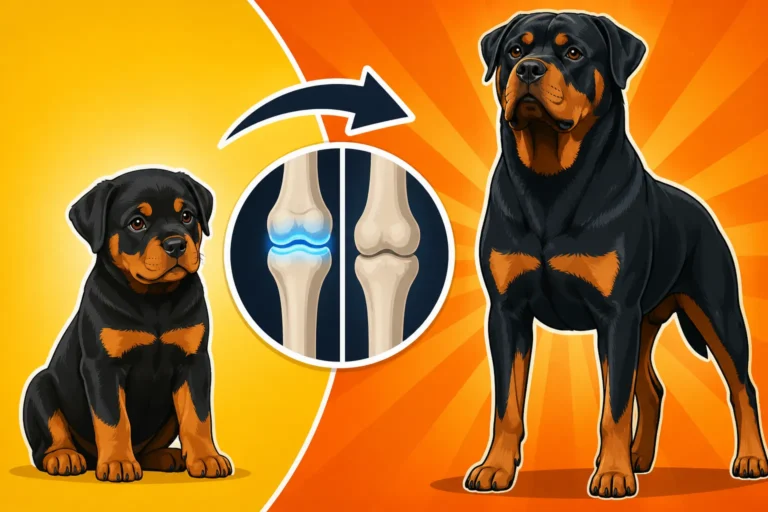
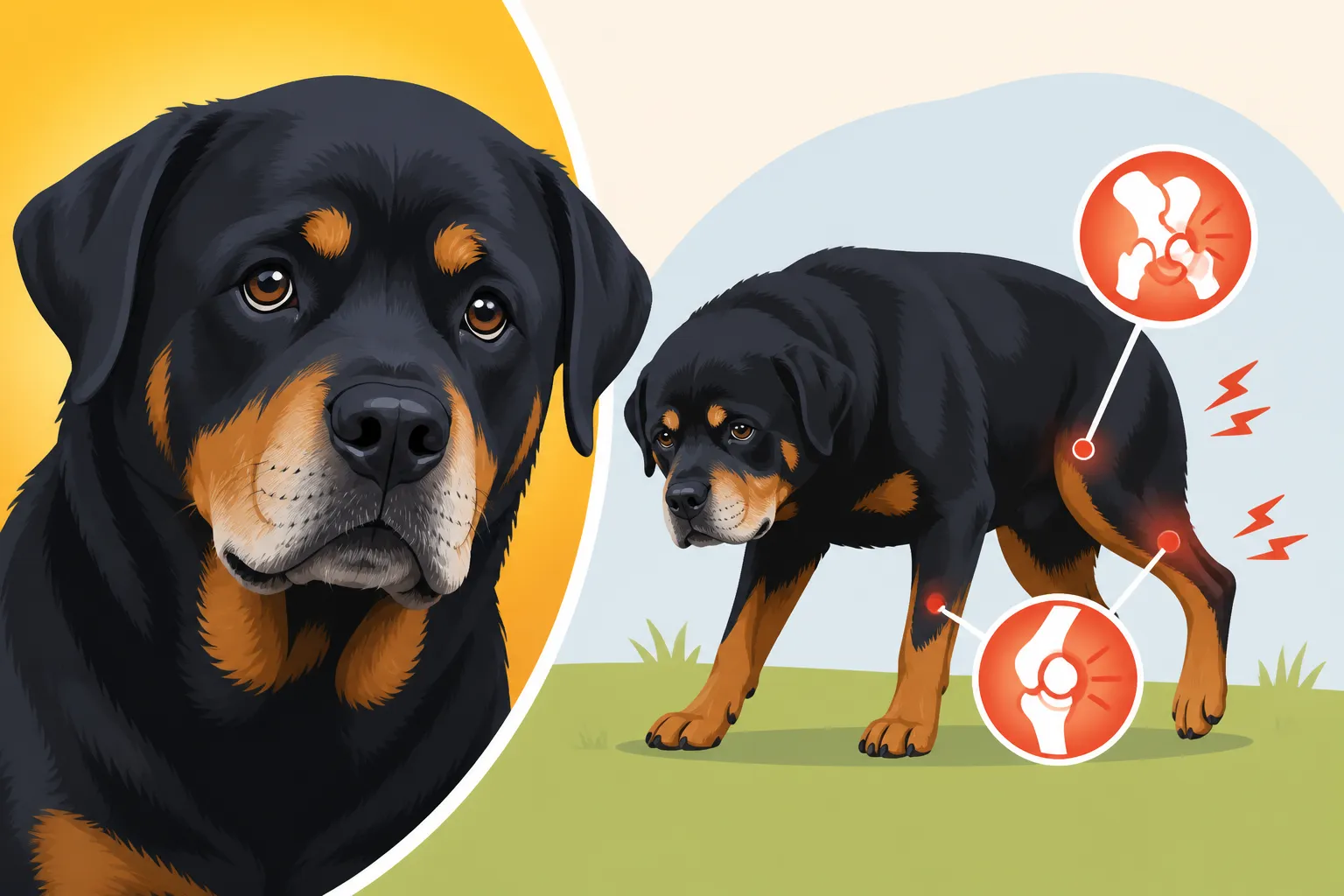
Osteoarthritis, or degenerative joint disease (DJD), is by far the most common cause of mobility issues in older dogs, and Rottweilers are no exception. Imagine the cartilage in your dog's joints, which normally acts as a smooth, shock-absorbing cushion. Over years of use, especially with the heavy impact of a Rottweiler's robust body, this cartilage can wear down. When it erodes, bones start to rub against each other, leading to inflammation, pain, and the formation of bony spurs (osteophytes). This process results in stiffness, reduced range of motion, and persistent aching. You'll often see this manifesting as difficulty rising, reluctance to jump, or limping, particularly after periods of rest or in cold, damp weather.
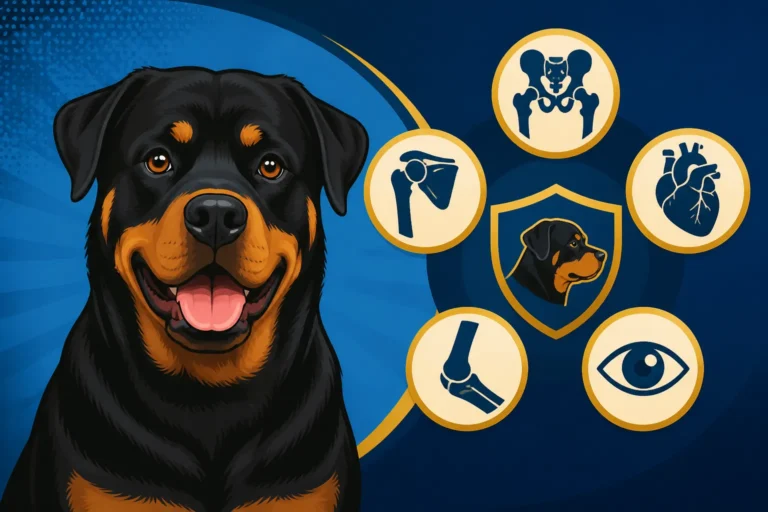
This condition frequently affects hips, elbows, knees, and the spine. For a breed already prone to hip and elbow dysplasia in their younger years, the progression to severe arthritis is a very real concern as they age. Conditions like Rottweiler Hip Dysplasia and the OFA Grade can significantly predispose a dog to early-onset, severe arthritis later in life. It's a progressive disease, meaning it will likely worsen over time, but there are many strategies for Managing Arthritis in an Older Rottweiler that can significantly improve their comfort and mobility. The goal isn't to cure it, as a cure isn't possible, but to manage the pain and inflammation, preserving as much joint function as possible for as long as possible.
Neurological Issues Affecting Movement
Beyond joint problems, neurological conditions can also profoundly impact a senior Rottweiler's ability to move gracefully. One common issue is Degenerative Myelopathy (DM), a progressive disease of the spinal cord that is somewhat akin to ALS in humans. While Rottweilers aren't as commonly affected as breeds like German Shepherds, it's not unheard of. DM typically begins with weakness and loss of coordination in the hind limbs, eventually progressing to paralysis. It's not usually painful, which can make it insidious, but it severely compromises mobility. You might notice your dog dragging their back paws, scuffing their nails, or swaying when they stand.
Another neurological concern can be Intervertebral Disc Disease (IVDD), where the discs between the vertebrae in the spine bulge or rupture, pressing on the spinal cord. This can cause immense pain, weakness, or even paralysis, depending on the severity and location of the lesion. Although more common in chondrodystrophic (long-backed, short-legged) breeds, large dogs can also suffer from IVDD, especially in the neck or lower back. Spinal tumors or nerve impingement can also cause similar symptoms. Recognizing the difference between joint pain and nerve-related issues is critical, as the diagnostic and treatment approaches vary significantly. In some cases, a change in bark or voice can even signal neurological issues higher up the spinal column, which might be explored further in topics like A Rottweiler Puppy Whose Bark Has Changed.
Other Health Conditions Impacting Mobility
Mobility decline isn't always directly joint or nerve-related. A variety of other health issues, sometimes seemingly unrelated, can severely impact your Rottweiler's ability and willingness to move.
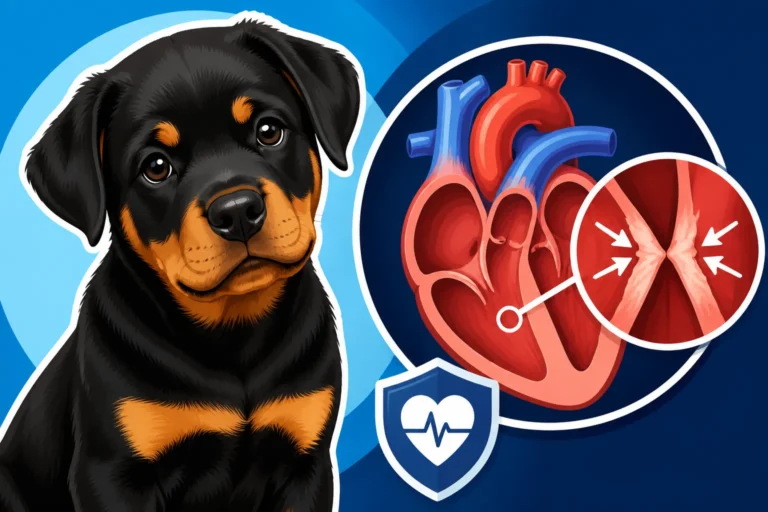
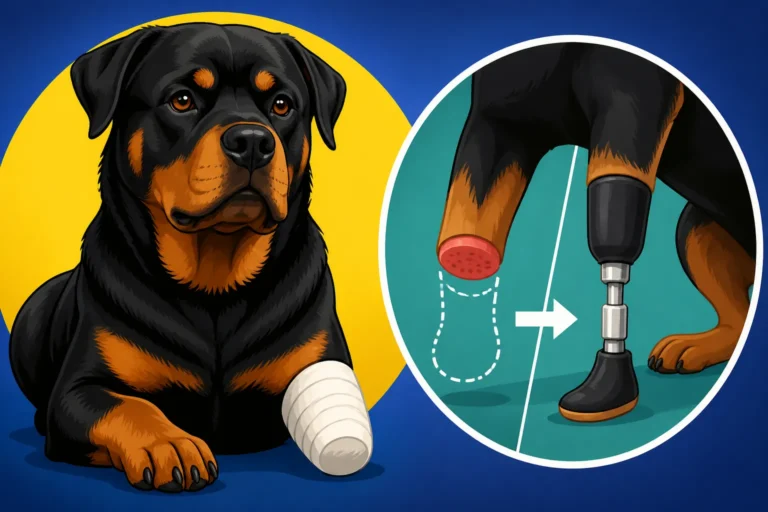
For instance, systemic diseases like heart conditions, such as those discussed in Rottweiler Heart Disease and Subaortic Stenosis, can lead to weakness, fatigue, and reluctance to move due to reduced oxygen flow to muscles. Cancer, especially bone cancer (osteosarcoma) which Rottweilers are unfortunately prone to, can cause severe lameness and pain in a specific limb. Even cancers elsewhere in the body can cause general malaise and muscle wasting, making movement difficult. Dealing with a diagnosis of something like Osteosarcoma, the Cancer That Takes Most Rottweilers can drastically change your approach to mobility support, often requiring specialized pain management strategies like those found in Pain Control for a Rottweiler With Bone Cancer.
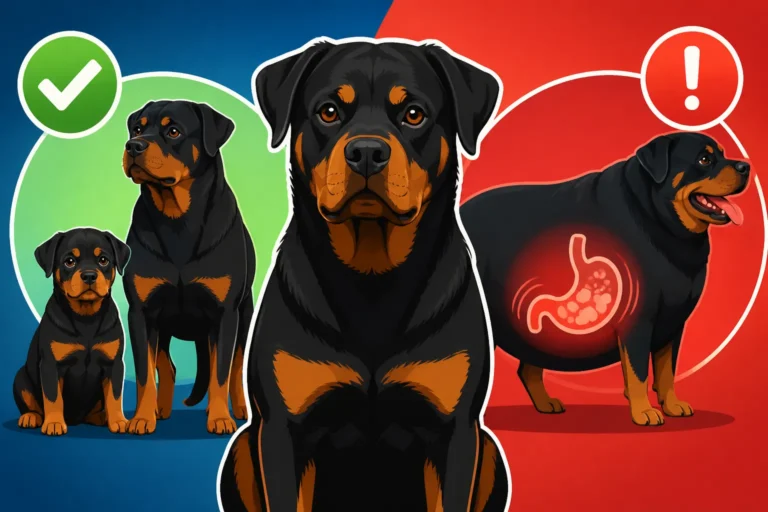
Then there’s the undeniable impact of weight. A Rottweiler carrying extra pounds puts an enormous, unnecessary strain on already aging and arthritic joints. Rottweiler Obesity and the Load It Adds is a major contributing factor to accelerated joint degeneration and reduced mobility, and it can exacerbate the symptoms of nearly every other mobility-limiting condition. Additionally, conditions like hypothyroidism can lead to lethargy, muscle weakness, and weight gain, all of which contribute to a decline in activity and mobility. Even dental disease, if severe enough to cause chronic pain, can make a dog generally uncomfortable and less inclined to move or play. Addressing these underlying health issues is a fundamental part of restoring or preserving your senior Rottweiler's mobility.
Assessing Your Senior Rottweiler's Mobility at Home
You are your Rottweiler's primary advocate, and your daily observations are invaluable in detecting early signs of mobility decline. Don't underestimate the power of simply watching your dog in their natural environment. Subtle changes can often signal the onset of a problem long before it becomes obvious to a veterinarian during a brief exam.
Observing Movement and Posture
Start by simply observing your Rottweiler during their everyday activities. How do they get up from lying down? Do they push themselves up slowly, with effort, or do they spring up easily? Look for any hesitation, wobbling, or reluctance to put weight on a particular limb. Pay attention to how they walk: is their gait even? Do their hindquarters sway more than usual? Are they dragging their paws, especially the back ones, causing their nails to wear down unevenly? Sometimes, an early sign of a neurological issue can be a slight knuckling over of the paw, where they walk on the top of their foot for a step or two.
Watch them go up and down stairs or navigate ramps. Do they take them one step at a time, or do they still attempt to bound? Any increased caution or outright refusal can be a significant indicator. Also, observe their posture while standing or sitting. Are they holding one leg up, even subtly? Is their back hunched, or are they shifting their weight from side to side as if trying to find a comfortable balance? Sometimes, a dog will adopt a "play bow" stance not for play, but to relieve pressure on their spine. Even how they lie down can tell a story—do they "plop" down rather than gracefully lowering themselves, perhaps due to pain? These seemingly small observations can cumulatively paint a clear picture of their discomfort. This can be especially important when trying to interpret The First Limp That Turns Out to Be Bone Cancer, as early detection is crucial.
The Importance of Regular Weight Checks
We’ve all been there: a little extra treat here, a slightly larger portion there, and suddenly our beloved Rottweiler is carrying a few more pounds than they should. While a "chubby" Rottweiler might look endearing, excess weight is a silent killer of mobility in senior dogs. Every extra pound your Rottweiler carries multiplies the load on their already aging and potentially arthritic joints. Imagine trying to walk around all day with a backpack full of bricks—that's what it feels like for your dog. This additional strain accelerates cartilage degradation, increases inflammation, and exacerbates pain.
Regular weight checks are paramount. At home, you can use a human scale: weigh yourself, then weigh yourself holding your dog, and subtract the first number. Or, even simpler, get familiar with your dog’s body condition score. You should be able to easily feel their ribs without pressing hard, and they should have a discernible waist when viewed from above. Their tummy should tuck up slightly when viewed from the side. If you're struggling to feel those ribs, or if their waist has disappeared, it's a clear sign they’re carrying too much. Losing even a few pounds can make a dramatic difference in their comfort and mobility, often more so than any medication. This directly ties into the advice given in Rottweiler Obesity and the Load It Adds and is a critical, often overlooked, aspect of senior care.
Pain Indicators Beyond a Limp
Pain in dogs, especially stoic breeds like Rottweilers, can be notoriously subtle. They often mask their discomfort as an evolutionary survival mechanism. A limp is an obvious sign, but there are many others you need to be attuned to. Behavioral changes are huge indicators: a dog in pain might become withdrawn, less interactive, or even display aggression when approached or touched in a sensitive area. They might avoid activities they once loved, like playing fetch or even going for a walk. You might see changes in their eating habits or reluctance to use dog beds or stairs that require movement.
Other physical signs include excessive licking of a particular joint, trembling, panting when at rest, or restless sleep. Some dogs will constantly shift their position, unable to find comfort. Watch for changes in grooming – they might neglect to groom parts of their body they can no longer comfortably reach. Vocalizations like whimpering, groaning, or even a sudden yelp when standing up or turning are clear signs of acute pain. Even subtle changes in facial expression, like a furrowed brow or squinting eyes, can indicate discomfort. Remember, your Rottweiler can't tell you in words where it hurts, so it's up to you to be a diligent observer of their every cue. This acute observation can sometimes even distinguish between a passing ache and something more serious, like the symptoms described in Rottweiler Hip Dysplasia Symptoms Before Age Two, even though this is for younger dogs, the principles of observation remain relevant.
| Symptom Category | Specific Sign of Decline | Potential Cause | Immediate Action |
|---|---|---|---|
| Movement | Hesitation on stairs | Arthritis, weak hindquarters | Add ramps, assess pain |
| Difficulty rising | Arthritis, muscle atrophy, neurological | Vet check, supportive bedding | |
| Stumbling/Loss of balance | Neurological issue (DM, IVDD), severe arthritis | Urgent vet visit | |
| Dragging paws/scuffing nails | Neurological issue, joint pain | Vet check, protective boots | |
| Behavior | Reduced play/interaction | Pain, fatigue, systemic illness | Vet check, pain assessment |
| Licking a specific joint | Localized pain, arthritis | Check for swelling, vet visit | |
| Restlessness/trouble sleeping | Chronic pain | Vet visit for pain management | |
| Irritability when touched | Acute pain in specific area | Identify trigger, vet consultation | |
| Physical | Muscle loss (especially hind) | Disuse atrophy, neurological, systemic illness | Vet check, gentle exercise |
| Hunched posture | Spinal pain, abdominal pain | Urgent vet visit | |
| Uneven nail wear | Gait changes, paw dragging | Trim nails, vet assessment | |
| Trembling | Pain, weakness, fear | Vet check for underlying cause |
Veterinary Diagnostics and Treatment Options
Once you've noticed concerning changes in your senior Rottweiler's mobility, the next crucial step is a veterinary visit. Your vet will conduct a thorough examination and may recommend various diagnostic tests to pinpoint the exact cause of the decline. This isn't just about guessing; it's about getting to the root of the problem so the most effective treatment plan can be established.
The Diagnostic Process: From X-rays to Advanced Imaging
Your veterinarian will start with a comprehensive physical exam, which includes palpating your Rottweiler's joints and muscles, assessing their range of motion, and observing their gait. They’ll look for signs of pain, swelling, or muscle atrophy. A neurological exam will also be conducted to check reflexes, coordination, and proprioception (awareness of body position). Don't be surprised if they perform simple tests like flipping your dog's paw over to see how quickly they correct it – this helps assess nerve function.
X-rays are typically the first line of diagnostic imaging. They are excellent for visualizing bone structure, joint spaces, and detecting signs of arthritis, fractures, or bone tumors. For example, they can reveal the characteristic changes of Rottweiler Hip Dysplasia and the OFA Grade if not already known, or new arthritic changes. In cases where X-rays are inconclusive, or if a more detailed look at soft tissues (like spinal cord, ligaments, or tendons) is needed, your vet might recommend more advanced imaging techniques such as MRI (Magnetic Resonance Imaging) or CT (Computed Tomography) scans. These are invaluable for diagnosing conditions like IVDD, spinal tumors, or complex soft tissue injuries. Blood work may also be performed to rule out systemic diseases, infections, or metabolic imbalances that could be contributing to lethargy or muscle weakness. While these diagnostic tools can be an investment, they are crucial for accurate diagnosis and effective treatment, and having a good pet insurance plan like those offered by Healthy Paws can certainly help manage the costs of such investigations.
Medical Management: Pain Relief and Supplements
For many senior Rottweilers experiencing mobility decline, medical management forms the cornerstone of their treatment plan. The primary goals are to reduce pain and inflammation, and where possible, slow the progression of degenerative conditions. Non-steroidal anti-inflammatory drugs (NSAIDs) are commonly prescribed to alleviate pain and swelling associated with arthritis. Your vet will carefully select the appropriate NSAID and dosage, as long-term use requires monitoring for potential side effects on the kidneys and liver. Other pain medications, such as gabapentin, tramadol, or amantadine, might be used in conjunction with NSAIDs for multi-modal pain control, especially for chronic or severe pain.
Joint supplements containing ingredients like glucosamine, chondroitin sulfate, and MSM are often recommended. These ingredients are believed to support cartilage health and reduce inflammation, though their efficacy can vary among individual dogs. Omega-3 fatty acids (fish oil) also have powerful anti-inflammatory properties and can be a beneficial addition to their diet. Injectable treatments, such as Adequan (polysulfated glycosaminoglycan) or even newer therapies like Librela (monoclonal antibody therapy), can also be highly effective in improving joint lubrication and reducing pain. It’s important to remember that these aren't quick fixes, but rather part of a long-term strategy for comfort and mobility. Often, starting joint supplements Started early in a Rottweiler can even delay the onset or severity of these issues.
Surgical Interventions and Rehabilitation
In certain situations, surgical intervention might be considered for a senior Rottweiler's mobility issues, particularly if medical management isn't sufficient or if there's a specific, correctable problem. For severe hip dysplasia or chronic, debilitating arthritis in the hip joint, a total hip replacement could be an option, offering a chance for complete pain relief and restored function. This is a major surgery, but for the right candidate, it can be life-changing. For conditions like IVDD, spinal surgery might be necessary to relieve pressure on the spinal cord, especially if there’s acute paralysis or intractable pain. Total Hip Replacement in a Rottweiler is a complex procedure, but the outcomes can be incredibly positive.
Post-surgical rehabilitation is almost as important as the surgery itself. It’s also vital for dogs recovering from injuries, or simply to strengthen muscles and improve mobility in arthritic patients. This can include hydrotherapy (underwater treadmill), therapeutic exercises, massage, acupuncture, chiropractic care, and laser therapy. These modalities aim to reduce pain, improve muscle strength and flexibility, enhance balance, and increase overall function. A certified canine rehabilitation therapist can design a tailored program for your Rottweiler, ensuring they regain as much mobility and comfort as possible. Even without surgery, many senior Rottweilers benefit immensely from these non-invasive therapies to build and maintain strength, which can be crucial for topics like Cruciate Ligament Tears in a Hundred Pound Rottweiler if it were to occur.
Practical Strategies for Supporting Your Senior Rottweiler's Mobility
Beyond veterinary care, there's so much you can do at home to help your senior Rottweiler cope with mobility decline. These practical adjustments and daily routines can make a world of difference in their comfort, safety, and overall happiness. It’s about adapting their environment to their changing needs.
Home Modifications for Easier Living
The world can become a much harder place to navigate when you're a large dog with stiff joints. Making thoughtful modifications to your home can significantly reduce strain and prevent injuries. Start by addressing slippery floors. Hardwood, tile, and laminate can be treacherous for a dog with compromised balance and strength. Lay down non-slip runners, yoga mats, or area rugs in high-traffic areas, especially where your Rottweiler needs to get up or lie down. Consider grip socks or paw pads for their feet if they tolerate them, which can provide traction on smooth surfaces.
Ramps are an absolute game-changer. Rather than struggling to jump into the car, onto the sofa, or up a couple of porch steps, a sturdy ramp allows them to move safely and independently. Look for ramps specifically designed for large breeds, with good traction and sufficient width and stability for your Rottweiler’s size. For stairs inside the house, consider blocking access to difficult flights, or if possible, installing baby gates to prevent accidental falls. Elevated food and water bowls can also reduce neck and back strain while eating. Think about comfortable bedding too; orthopedic beds with thick, supportive foam can provide much-needed joint cushioning and help prevent pressure sores, especially for a heavy dog like a Rottweiler. For specifics on how to integrate some of these, refer to Helping a Senior Rottweiler Up the Stairs.
Gentle Exercise and Physical Therapy
While your senior Rottweiler can’t perform the same high-impact exercises they once did, remaining active is incredibly important for maintaining muscle mass, joint flexibility, and overall mental well-being. The key is gentle and consistent exercise. Short, frequent walks are much better than one long, strenuous one that leaves them sore. Focus on quality over quantity: a slow sniff-walk around the block allows them to engage mentally without overtaxing their body.
Swimming is an excellent low-impact exercise for arthritic dogs, as the water supports their weight, reducing stress on joints while allowing them to move their limbs freely and build muscle. Many canine rehabilitation centers offer hydrotherapy services. At home, gentle range-of-motion exercises, performed with your vet's guidance, can help keep joints supple. Simple tasks like standing exercises, where they slowly shift weight from side to side or from front to back, can build core strength. Even simple leash walks on soft surfaces like grass can make a difference. Tools like Mobility Harnesses and Slings for a Rottweiler can also be invaluable, offering support for the hindquarters or front as they move, helping you assist them safely without putting strain on your back or theirs. The goal is to keep them moving, but always within their comfort zone, avoiding any activity that causes visible pain or excessive fatigue.
Nutritional Support and Weight Management
Nutrition plays a pivotal role in supporting your senior Rottweiler's mobility. As mentioned earlier, maintaining an ideal body weight is arguably the single most important thing you can do. Work with your vet to determine the appropriate calorie intake for your dog’s age, activity level, and health status. Many senior dog foods are formulated with fewer calories and higher fiber to prevent weight gain, along with added joint-supporting nutrients.
Beyond weight, consider supplements. Glucosamine and chondroitin, often found in combination, help support cartilage health. Omega-3 fatty acids, particularly EPA and DHA, are potent natural anti-inflammatories that can significantly reduce joint pain and stiffness. Look for high-quality fish oil supplements specifically formulated for dogs and dosed appropriately for a large breed. Some specialty diets for joint health also include these ingredients in higher concentrations, sometimes with added antioxidants to combat cellular damage. Always consult your veterinarian before adding any new supplements to your Rottweiler’s diet, as they can help you choose reputable brands and determine correct dosages. Brands like Healthy Paws can often provide coverage for prescription joint diets or supplements recommended by your vet, if your policy allows. This kind of dedicated nutritional care, building on the foundations of Senior Rottweiler Feeding and Mobility, can truly enhance their comfort.
Maintaining Quality of Life and When to Make Hard Decisions
Watching your beloved Rottweiler decline is one of the hardest parts of pet ownership. While our instinct is to fight for every single day, it's also our responsibility to prioritize their comfort and dignity. This final stage requires immense empathy, careful observation, and often, heartbreaking decisions.
Balancing Comfort and Activity
The goal for a senior Rottweiler with mobility decline is to maximize their quality of life, which means a careful balance between managing pain and encouraging appropriate activity. A dog on too much pain medication might be lethargic, but a dog on too little might be in constant discomfort. It's about finding that sweet spot where they are comfortable enough to enjoy gentle walks, engage with the family, and still have some spark in their eyes. This may involve adjusting medication dosages frequently with your vet, especially if their condition is progressive.
Continue to engage them mentally with puzzle toys, gentle interaction, and short "sniffaris" around the yard, even if a full walk isn't possible. Keep their routines as consistent as possible, as predictability provides comfort. Make sure they have easy access to their favorite resting spots, fresh water, and a comfortable place to eliminate. Your presence and gentle affection are just as important as any medication or ramp. Remember, their happiness now might not look like bounding through a field, but rather a contented sigh as they rest their head on your lap, free from pain.
Recognizing When It's Time for Palliative Care
There comes a point for some senior Rottweilers where their conditions, particularly severe mobility issues, become chronic and incurable, and the focus shifts entirely to palliative care. This means managing their symptoms, especially pain, to ensure they remain as comfortable as possible for the time they have left, without seeking a cure. This is a journey you undertake with your veterinarian, who can help you assess their overall quality of life. Are they still eating? Drinking? Engaging with you? Can they get up to relieve themselves without extreme difficulty or pain?
Palliative care for mobility issues might involve more aggressive pain management protocols, including combinations of medications, acupuncture, laser therapy, or even hospice care services that provide support at home. It’s about ensuring every day brings comfort rather than distress. If you find your Rottweiler is spending most of their time in obvious pain, showing little interest in life, or struggling profoundly with basic functions despite all efforts, it's time to have a serious, honest conversation with your vet about their prognosis and welfare. This is a deeply personal and often agonizing decision, but ensuring your dog’s dignity and freedom from suffering is the ultimate act of love. Utilizing a quality of life scale, as discussed in Scoring Quality of Life for a Rottweiler, can be an invaluable tool to objectively assess their current state.
Making End-of-Life Decisions With Compassion
This is, without a doubt, the hardest conversation any dog owner will ever have. When your senior Rottweiler's mobility decline reaches a point where their quality of life is severely compromised, and all medical and palliative efforts are no longer providing sufficient comfort, the decision to consider euthanasia becomes a compassionate one. It's a final act of love to prevent prolonged suffering. This decision is rarely clear-cut, as our hearts often tell us one thing while our heads, and our vet's objective assessment, tell us another.
Talk openly and honestly with your veterinarian about what your Rottweiler is experiencing. They can help you understand the severity of their condition and what their future likely holds. Consider your dog's good days versus bad days. When the bad days consistently outnumber the good, and joy has been replaced by pain or anxiety, it might be time. Many owners choose in-home euthanasia to allow their beloved companion to pass peacefully in their familiar surroundings, surrounded by loved ones. Services like those mentioned in Home Euthanasia for a Dog a Rottweiler's Size are often available and can provide a serene, dignified farewell. Remember, you're not giving up on them; you're giving them the ultimate gift of peace. The love you shared is eternal, even when their physical presence must come to an end.
Disclaimer
The information provided in this article is for general informational purposes only and is not intended as a substitute for professional veterinary advice. Always consult with a qualified veterinarian for any health concerns or before making any decisions related to your Rottweiler's care.