Why Rottweiler CHIC Starts With a Microchip
Bringing a Rottweiler into your life is an incredible journey, but it also comes with a deep responsibility to ensure they live the healthiest, happiest life possible. One of the biggest challenges for prospective owners is navigating the complex world of health testing and breeder claims. You want to make an informed decision, yet sometimes the sheer volume of information, or lack thereof, can be overwhelming. This guide is here to demystify one crucial, often overlooked, aspect of responsible Rottweiler breeding: why the Canine Health Information Center (CHIC) certification process fundamentally begins with something as seemingly simple as a microchip.
Understanding CHIC and Its Purpose for Rottweilers
When you’re looking for a Rottweiler puppy, you’re not just choosing a cute face; you’re investing in a lifetime companion, and you want that life to be as long and healthy as possible. The Canine Health Information Center (CHIC) program, co-sponsored by the Orthopedic Foundation for Animals (OFA) and the AKC Canine Health Foundation (CHF), was established to help breeders and buyers make more informed decisions about canine health. It's a structured approach to tackle the prevalence of inheritable diseases within purebred dogs.
More Than Just a Title: The Goal of the CHIC Program
The core idea behind CHIC is transparency and data collection. It’s designed to provide a centralized public database of health information for individual dogs, which then aids in identifying healthy breeding stock. For a majestic breed like the Rottweiler, known for its incredible strength and protective nature, health testing isn't just a suggestion; it's an absolute necessity. Rottweilers, like many large and giant breeds, are predisposed to certain genetic health conditions that can significantly impact their quality of life and lifespan. This program provides a clear, verifiable record of health screenings, which is invaluable for a breed that faces potential challenges like Rottweiler Hips and Elbows and the 24-Month Rule and various forms of cancer.
Think of CHIC as a public report card for a dog’s genetic health. Reputable breeders use this tool not to guarantee a perfect dog, but to significantly reduce the risk of passing on known hereditary problems. It fosters a breeding community that prioritizes the long-term well-being of the breed over short-term gains, helping to ensure that the next generation of Rottweilers is healthier than the last. Without a program like CHIC, it would be far too easy for breeders to skip crucial health screenings, either due to cost or ignorance, and that directly impacts the health of every puppy they produce.
The Five Core Health Clearances for Rottweilers
To earn a CHIC number, a Rottweiler must undergo specific health screenings as determined by the national breed club, the American Rottweiler Club (ARC). These are not optional extras; they are foundational to responsible breeding practices for this breed. The ARC has identified five key areas of concern that must be addressed for a dog to receive its CHIC certification, all aimed at tackling the most prevalent and serious hereditary conditions.
The five required clearances for a Rottweiler are:
- Hip Dysplasia Evaluation: Typically performed via OFA (Orthopedic Foundation for Animals) or PennHIP methods, this screens for a malformation of the hip joint that can lead to debilitating arthritis.
- Elbow Dysplasia Evaluation: Also done through OFA, this looks for abnormalities in the elbow joint, another common issue that can cause lameness and pain.
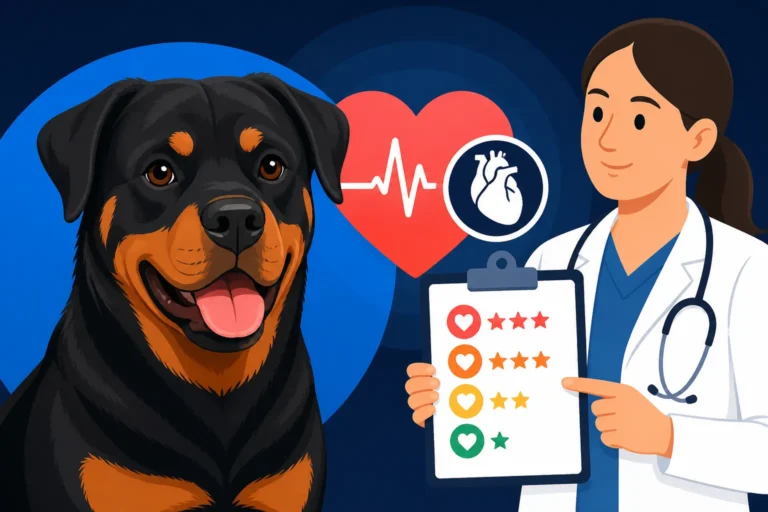
- Cardiac Evaluation: This usually involves an echocardiogram performed by a board-certified veterinary cardiologist to screen for inherited heart conditions like Rottweiler Heart Disease and Subaortic Stenosis. A regular vet's stethoscope check is simply not enough for this crucial screening.
- Eye Examination: A board-certified veterinary ophthalmologist conducts an annual eye exam to identify genetic eye diseases, ensuring the dog's vision is sound. This is where the Rottweiler Eye Certification and the Three Year Rule comes into play, requiring regular re-certification.
- Juvenile Laryngeal Paralysis & Polyneuropathy (JLPP) DNA Test: This is a genetic test to identify carriers or affected dogs for a devastating neurological disease. JLPP and the Rottweiler DNA Test is non-negotiable for modern Rottweiler breeding, as a single affected puppy is a tragedy that can be entirely avoided with proper testing.
These five tests represent the minimum commitment a breeder should make to the health of their Rottweilers. When you see a breeder advertising CHIC numbers for their breeding stock, you know they are actively engaging with these important health protocols. This comprehensive approach is a cornerstone of mitigating the health risks that can unfortunately shorten a Rottweiler’s expected Rottweiler Lifespan and the Eight to Ten Year Average.
The Foundation: Why Microchipping is the First Step
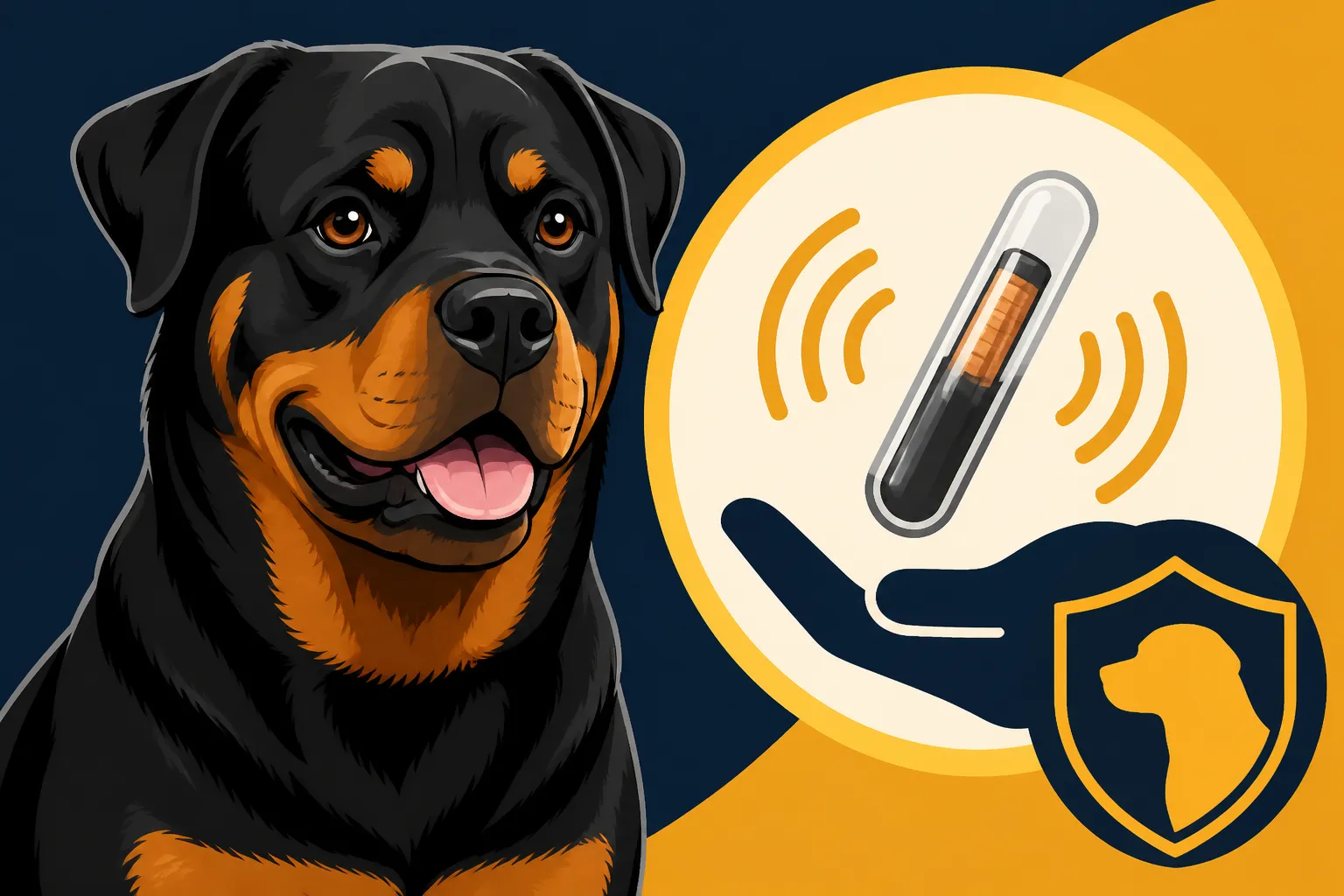
So, what does a tiny microchip, barely bigger than a grain of rice, have to do with these extensive health clearances? A lot, actually. The microchip is the linchpin that holds the entire CHIC verification system together. Without it, the integrity of the health data would be questionable, and the whole point of creating a public, verifiable record would be undermined.
Proving Identity: Linking a Dog to Its Health Records
Imagine a scenario where a breeder has several Rottweilers. How can anyone be absolutely certain that the excellent hip scores submitted belong to the specific dog being advertised, and not to a healthier sibling or even a completely different dog? This is where the microchip becomes indispensable. The microchip provides permanent, unalterable identification. When a veterinarian performs an OFA hip or elbow x-ray, or a cardiologist conducts an echocardiogram, they must first scan the dog's microchip. This unique identification number is then recorded on all official paperwork and submitted to the OFA or other relevant registries.
This process creates an unbreakable chain of evidence: the microchip ID links directly to the dog's individual health record. It’s an essential safeguard against fraud or simple mistakes. If a dog isn’t microchipped, or if the microchip number on the health certificate doesn’t match the dog being presented, the results simply won’t be accepted for CHIC certification. This strict adherence to identification is why the process for a Why Rottweiler CHIC Starts With a Microchip is so vital; it’s the very first step in ensuring that the health records you're reviewing are genuinely tied to the specific Rottweiler you're interested in, or the parent of the puppy you’re considering.
Consistency and Integrity of the CHIC Database
The CHIC database's value lies in its reliability. People rely on it to make significant decisions – breeders decide which dogs to pair, and puppy buyers choose which litter to invest in. If the data were easily manipulated or prone to error, the entire system would collapse. The microchip ensures a level of consistency and integrity that manual identification simply cannot provide. Every health record uploaded to the CHIC database for a specific Rottweiler is cross-referenced with that dog's unique microchip number.
This meticulous tracking prevents common pitfalls. For instance, it stops a situation where a breeder might accidentally (or intentionally) submit the hip x-rays of dog A under dog B’s name because dog A has better hips. It guarantees that when you look up a Rottweiler's CHIC record, you are truly looking at the health results of that particular dog. This is especially important given the significant investment of time, emotion, and money involved in bringing a Rottweiler into your home, not to mention the potential heartbreak and expense of dealing with preventable genetic diseases later on. The microchip isn't just a technicality; it's a fundamental pillar supporting the trustworthiness of the entire CHIC program, and by extension, the health of the Rottweiler breed as a whole.
The Process: Microchip Placement and Verification
Understanding why microchips are essential for CHIC is one thing, but knowing how the process works is equally important for any prospective or current Rottweiler owner. It's a straightforward procedure, but ensuring it's done correctly and registered properly is key to unlocking its full benefits.
Where and How the Microchip is Placed
Microchip implantation is a quick, minimally invasive procedure that can be performed by any licensed veterinarian. It’s no more involved than a routine vaccination shot. The tiny microchip, roughly the size of a grain of rice, is preloaded in a sterile applicator and injected under the skin, typically between the shoulder blades. This area is chosen because it's a common, relatively stable location where the chip is unlikely to migrate significantly and is easily scanned. Most dogs react with little more than a fleeting discomfort, similar to a quick pinch.
After the chip is inserted, the vet will usually scan the area to ensure the chip is readable and functioning correctly. This immediate verification is crucial. While it's rare, sometimes a chip can be faulty or, in very rare cases, the insertion might not be perfect. Double-checking at the time of placement ensures that your Rottweiler has a working, scannable microchip right from the start. This simple procedure provides a permanent ID that will stay with your Rottweiler for their entire life, making it the bedrock for all future health certifications, including those required for their CHIC number.
Registering the Microchip Information
Getting the microchip implanted is only half the battle; registering it is just as vital. A microchip without registered owner information is essentially useless as an identification tool. Once your Rottweiler is chipped, you'll receive a unique identification number. This number then needs to be registered with a pet recovery service. There are several reputable services available, such as AKC Reunite, PetLink, or HomeAgain. This registration process links your contact information (name, address, phone numbers, email) directly to your dog's microchip ID in a national database.
It’s paramount to keep this information current. Moving, changing phone numbers, or even just swapping email addresses means you need to log into your microchip registry account and update your details immediately. Imagine the heartbreak of your Rottweiler going missing, being found, scanned, and then the shelter can’t reach you because your phone number is outdated. Some pet insurance providers, like Healthy Paws, even offer coverage for microchipping as part of their wellness plans, highlighting its importance not just for CHIC, but for general pet safety. Beyond recovery, correct registration with an accessible database ensures that when your vet or a certified specialist scans your Rottweiler for their OFA x-rays or eye exam, the microchip number they record is unequivocally linked to your dog and, eventually, to their official CHIC profile.
Beyond CHIC: Other Benefits of Microchipping Your Rottweiler
While essential for CHIC certification, the benefits of microchipping extend far beyond documenting health clearances for breeding. For any dog owner, especially those with a large and distinctive breed like a Rottweiler, a microchip offers invaluable peace of mind and practical advantages.
Reuniting Lost Pets with Their Families
The most widely recognized and profoundly impactful benefit of microchipping is its role in reuniting lost pets with their worried families. Statistics consistently show that microchipped dogs are significantly more likely to be returned home than those without a chip. In fact, a study published by the Journal of the American Veterinary Medical Association found that dogs with microchips were returned to their owners 52.2% of the time, compared to just 21.9% for dogs without chips. This is a huge difference, particularly for a breed like a Rottweiler, which, despite its impressive stature, can easily become disoriented or bolt if spooked.
Think of the countless stories: a Rottweiler escapes during a storm, digs under a fence while chasing a squirrel, or gets lost while on vacation. Without a microchip, a dog found by a good Samaritan or taken to a shelter might have no way to be identified if it doesn't have a collar with up-to-date tags (which can fall off or become unreadable). With a microchip, a quick scan can pull up your contact information, leading to a joyful reunion. This permanent ID is a silent guardian, working tirelessly in the background to ensure that if the unthinkable happens, your beloved companion has the best possible chance of finding their way back to you.
Permanent Identification for Travel and Legal Purposes
Beyond accidental escapes, microchips serve as critical, permanent identification for a variety of other situations. For instance, if you plan to travel internationally with your Rottweiler, many countries require a microchip for entry, often specifying an ISO-compliant chip. It's not just a recommendation; it's a mandatory prerequisite for legal pet travel, ensuring your dog can be properly identified across borders.
In legal scenarios, a microchip can be the definitive proof of ownership. If your Rottweiler is ever stolen, involved in a dispute, or recovered after a natural disaster, the microchip provides irrefutable evidence that the dog belongs to you. This is especially relevant given the value and sometimes misunderstood reputation of Rottweilers. Furthermore, in situations where a dog might be found injured and require emergency veterinary care, the microchip can help the clinic quickly identify you, allowing them to make critical decisions and inform you of your pet's condition. It adds a layer of security and verification that simply isn't possible with other forms of identification, making it an indispensable tool for any responsible Rottweiler owner, whether they intend to breed or not.
Addressing Common Concerns and Misconceptions
Despite the widespread benefits and relatively simple nature of microchipping, some prospective owners still harbor understandable concerns. It's important to address these head-on, providing realistic information to dispel myths and reassure those who might be hesitant.
Safety and Health Considerations of Microchips
One common concern revolves around the safety of the microchip itself. Is it truly safe to implant a foreign object into my dog? The good news is that microchips are overwhelmingly safe. They are made from biocompatible materials, meaning they are designed to be non-reactive with the body's tissues, significantly reducing the risk of allergic reactions or rejection. The procedure itself is quick, and serious complications are exceedingly rare.
While there are occasional reports of microchip migration (where the chip moves from its original insertion site), this is typically not a medical concern and doesn't usually prevent the chip from being scanned. Very, very rarely, a small, benign tumor might form around the microchip site, but this is incredibly uncommon and the overwhelming consensus among veterinary professionals is that the benefits of microchipping far outweigh these minuscule risks. Considering the alternative—a lost pet with no means of identification—the minimal risk associated with microchipping is a small price to pay for the immense security and peace of mind it provides. If you're concerned about your dog's individual risk factors, always discuss them with your veterinarian, who can provide personalized advice.
What Happens if a Microchip Fails or Migrates?
Another valid question arises about the longevity and reliability of the microchip. What if it stops working? What if it moves so much that it can’t be found? These are infrequent occurrences, but they are possibilities worth considering. Microchip failure, while rare, can happen. If a scanner repeatedly fails to read a chip, a veterinarian might recommend re-chipping the dog. This is not ideal, as it means two chips might be present, but it ensures your dog retains permanent identification. Many pet insurance plans, like those offered by Healthy Paws, recognize the importance of microchips, and while they generally don't cover the initial implantation, they might cover diagnostics if issues arise.
As for migration, chips are usually implanted in an area with minimal movement to mitigate this, but it can still occur. However, universal scanners are designed to detect chips within a reasonable radius of the injection site, and veterinarians are trained to scan a broader area around the shoulders, neck, and even down the legs if a chip isn't immediately found. It's a good practice to have your vet scan your Rottweiler's microchip at their annual check-up to ensure it's still in place and functioning. This simple verification step can catch any issues early, allowing you to address them before your dog needs any official health testing for CHIC or, more critically, if they were to ever get lost.
The Long-Term Impact on Rottweiler Health and Breeding
The microchip, by enabling the CHIC program, isn't just about individual dogs; it's about the future of the Rottweiler breed. It represents a commitment to improving health outcomes across generations and empowering everyone involved, from breeders to owners, to make more responsible and informed decisions.
Empowering Responsible Breeding Decisions
For breeders, the CHIC program, underpinned by reliable microchip identification, is an invaluable tool for making responsible breeding choices. It provides access to a wealth of verifiable health data, allowing them to assess potential breeding pairs based on more than just appearance or pedigree. By knowing the CHIC status of a dog, breeders can confidently select mates with complementary health profiles, actively working to reduce the incidence of hereditary diseases that have historically plagued the breed. For example, careful selection can help mitigate the risks of severe Rottweiler Hip Dysplasia and the OFA Grade or the devastating neurological condition JLPP.
This rigorous approach helps to preserve the integrity and health of the Rottweiler. It moves away from arbitrary decisions and toward data-driven, evidence-based breeding practices. When a breeder works to ensure their dogs receive The Five Clearances a Rottweiler Breeder Must Have, and those results are publicly verified via CHIC thanks to the microchip, they're not just breeding puppies; they're actively contributing to the long-term well-being of the entire breed. This commitment helps to ensure that issues like Rottweiler Cancers Beyond the Bone, while still a concern, are less likely to arise from preventable genetic predispositions passed down due to a lack of screening.
Informed Choices for Prospective Puppy Owners
Perhaps the most direct beneficiary of the microchip-enabled CHIC program is the prospective puppy owner. Faced with a sea of breeders and adorable puppies, it can be incredibly difficult to differentiate between responsible, health-conscious breeders and those who cut corners. The CHIC database provides an objective, accessible resource that allows you to verify a breeder's claims. When a breeder tells you their dogs are health-tested, you can ask for the parents' registered names and microchip numbers, then look up their CHIC status directly on the OFA website. This is why understanding The Five Evaluations a Rottweiler Needs for CHIC is so crucial.
This transparency empowers you to make an informed choice, significantly increasing your chances of bringing home a healthier puppy. You can be confident that the parents of your future companion have been screened for the most prevalent genetic conditions, reducing the likelihood that you’ll face heartbreaking and expensive health crises down the line, such as dealing with Osteosarcoma, the Cancer That Takes Most Rottweilers or the sudden onset of Rottweiler Heart Disease and Subaortic Stenosis. While no health test can guarantee a perfectly healthy dog for its entire What Shortens a Rottweiler's Eight to Ten Years, choosing a puppy from CHIC-certified parents is one of the strongest steps you can take to give your Rottweiler the best possible start and a greater chance at a long, fulfilling life. It’s about being proactive, not reactive, when it comes to the health of your beloved Rottweiler.
Disclaimer
The information provided in this article is for general informational purposes only and does not constitute veterinary advice. Always consult with a qualified veterinarian for any health concerns or before making any decisions about your pet's medical care.