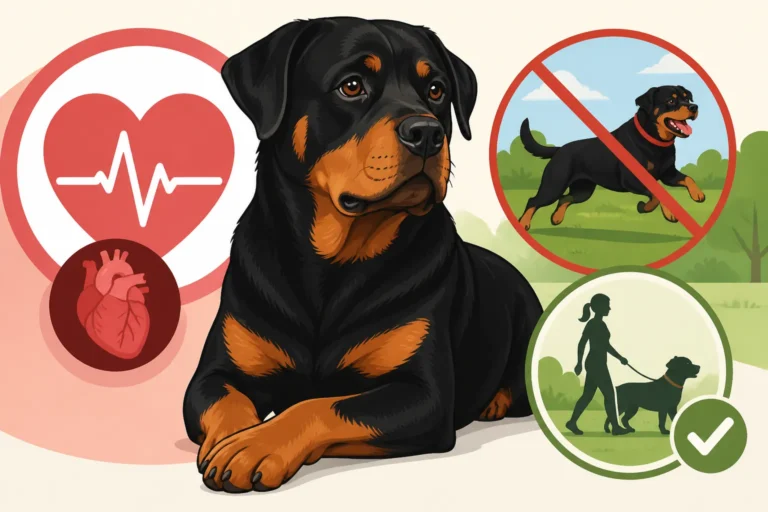
Senior Rottweiler Care After the Age of Seven
Watching your beloved Rottweiler transition into their senior years can be a bittersweet experience. One moment they're a bouncing, energetic puppy, and the next, you notice a little gray around their muzzle, a slower gait, or a change in their usual zest for life. It's tough to see our loyal companions face the challenges of aging, and navigating this new phase often brings questions and concerns. This comprehensive guide is here to walk you through everything you need to know about providing the best possible care for your senior Rottweiler, ensuring their golden years are as comfortable, healthy, and happy as they can be.
Defining Seniority in Rottweilers
It might seem like just yesterday your Rottie was a clumsy, adorable puppy, but time marches on, and before you know it, they're entering their senior years. Unlike some smaller breeds that can live well into their teens, large and giant breeds like Rottweilers tend to age more quickly, making their senior phase arrive a bit earlier. This isn't a hard-and-fast rule, of course, as every dog is an individual, but there are general markers to help us understand when it's time to shift gears in their care.
The Seven-Year Mark
For many Rottweiler owners, the age of seven is often considered the threshold into senior citizenship. While they might not be showing significant signs of slowing down at this exact moment, it's a good benchmark to start thinking about proactive changes in their routine, diet, and veterinary care. This is typically when their metabolism begins to change, their immune system might not be quite as robust, and they become more susceptible to age-related conditions. It’s not a switch that flips overnight, but rather a gradual process where small changes accumulate. You might notice they sleep a bit more, aren't as keen on long runs, or perhaps take a moment longer to stand up after a nap. These subtle shifts are your cues to begin a more focused approach to their well-being, keeping in mind the Rottweiler Lifespan and the Eight to Ten Year Average often cited for the breed.
Individual Variations in Aging
While seven is a common age marker, it's crucial to remember that every Rottweiler is an individual. Genetics, past health history, diet, and lifestyle all play significant roles in how quickly or gracefully a dog ages. Some Rottweilers, especially those who have been consistently active and maintained a lean body weight throughout their lives, might show fewer signs of aging at seven or even eight years old. Others, perhaps due to genetic predispositions or earlier health challenges, might start exhibiting senior characteristics a bit sooner. It's about paying close attention to your specific dog, observing their behavior, energy levels, and physical comfort. Don't just rely on the calendar; watch your dog. Your vet will also take these individual factors into account when discussing their health plan, rather than applying a rigid age-based definition. This personalized approach is truly key to their continued well-being.
Common Health Challenges in Senior Rottweilers
As Rottweilers gracefully enter their later years, it's an unfortunate reality that they become more prone to certain health conditions. Being aware of these common challenges isn't about dwelling on the negative, but rather about empowering ourselves as owners to recognize early signs and intervene effectively. Early detection can make a world of difference in managing these issues and maintaining their quality of life. It’s part of the commitment we make when we bring these magnificent dogs into our lives.
Arthritis and Joint Degeneration
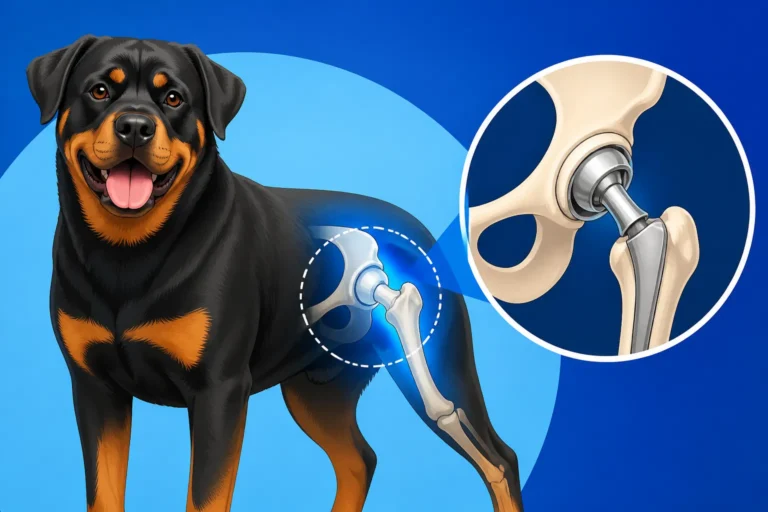
One of the most universal complaints among older, larger breed dogs like Rottweilers is the onset of arthritis, or osteoarthritis. Years of carrying a significant body weight, combined with any underlying predispositions like hip or elbow dysplasia that might have been present even from when they were young puppies (despite clearances like those mentioned in Rottweiler Hips and Elbows and the 24-Month Rule), eventually take their toll on the joints. Cartilage, which acts as a cushion between bones, begins to wear down, leading to bone-on-bone friction, inflammation, and pain. You might notice your senior Rottweiler struggling to get up from a lying position, stiffness after rest, reluctance to climb stairs or jump into the car, or a general slowing down on walks.
This discomfort can be heartbreaking to witness, but there are many strategies to help. Managing their pain is paramount, and this often involves a multi-modal approach. Your vet might recommend non-steroidal anti-inflammatory drugs (NSAIDs) to reduce inflammation and pain, alongside joint supplements containing ingredients like glucosamine, chondroitin, and MSM, which can help support cartilage health. Weight management is also incredibly important, as excess pounds put immense additional stress on already compromised joints, as discussed in Rottweiler Obesity and the Load It Adds. Physical therapy, cold laser therapy, acupuncture, and even specific prescription diets can all play a role in improving their comfort and mobility. The goal is not just to alleviate pain but to improve their overall ability to move and enjoy their daily life, combating Senior Rottweiler Mobility Decline.
Increased Cancer Risk
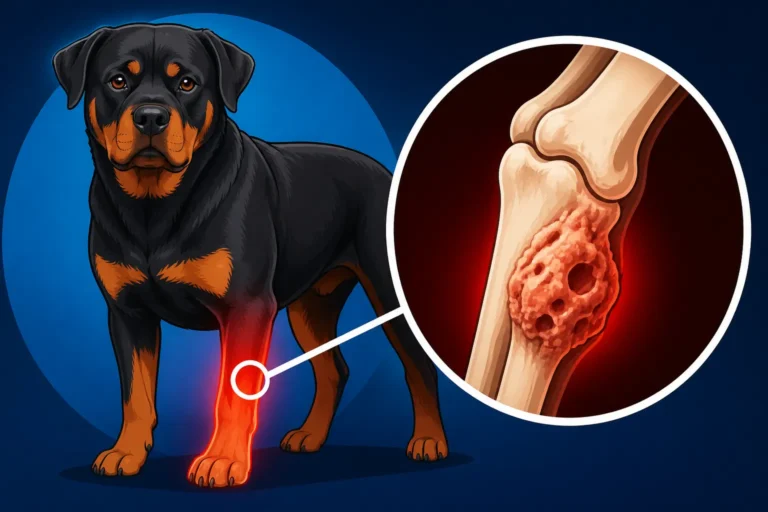
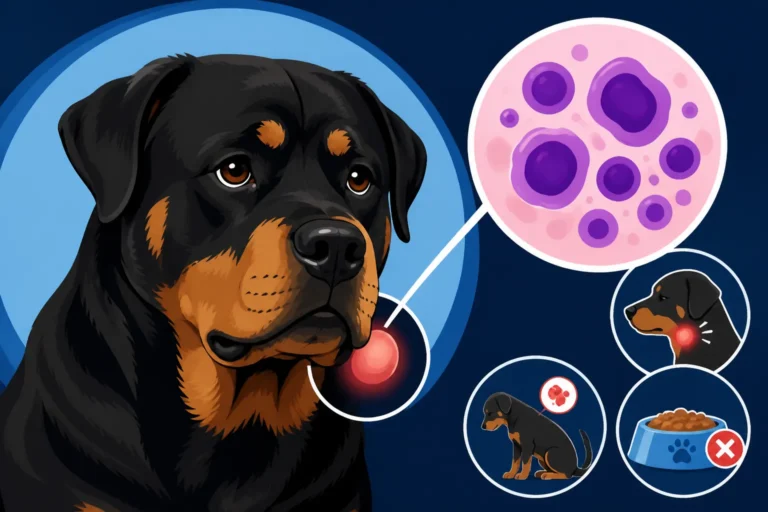
Cancer is a devastating reality for many dog owners, and sadly, Rottweilers are a breed with a higher-than-average incidence of certain types of cancer, especially as they age. This is one of the most frightening aspects of senior Rottweiler care. One of the most aggressive and common bone cancers in the breed is osteosarcoma, which can be particularly insidious because the first sign might just be a subtle limp that seems to come and go. Beyond bone cancer, senior Rottweilers can also face an increased risk of other malignancies, including lymphoma, hemangiosarcoma, and mast cell tumors. You can learn more about this in articles like Osteosarcoma, the Cancer That Takes Most Rottweilers and Rottweiler Cancers Beyond the Bone.
Being vigilant is crucial. Regular hands-on checks of your Rottweiler, feeling for any new lumps or bumps under their skin, can help detect issues early. Keep an eye out for any persistent lameness, unexplained weight loss, changes in appetite or energy levels, coughing, or difficulty breathing. Any of these symptoms warrant an immediate veterinary visit. Early diagnosis significantly impacts treatment options and prognosis. Your vet may recommend routine cancer screenings for your senior Rottweiler, which could include blood work, urinalysis, and sometimes even chest X-rays or abdominal ultrasounds, particularly if you have a dog from a line known for certain cancers. While it's a terrifying prospect, being proactive offers the best chance for successful management.
Heart Disease and Organ Decline
Just like with people, an aging Rottweiler's internal organs can begin to show signs of wear and tear. Heart disease, for example, is a concern in senior Rottweilers, with conditions like dilated cardiomyopathy (DCM) or even late-onset subaortic stenosis (SAS) becoming more apparent. While Rottweiler Heart Disease and Subaortic Stenosis primarily focuses on puppies, senior dogs can sometimes develop or worsen existing cardiac conditions. The heart muscle might weaken, or valves might not function as efficiently, leading to reduced pumping ability. Symptoms can be subtle at first, such as decreased stamina, a cough that worsens at night, increased respiratory rate, or even fainting spells.
Kidney and liver function can also decline with age. These organs are vital for filtering waste products from the blood and metabolizing medications. Impaired function can lead to a build-up of toxins, affecting their overall health and energy. Regular senior wellness exams, as mentioned in Vet Visit Frequency for a Senior Rottweiler, will typically include blood and urine tests to monitor these organ functions. These tests can flag abnormalities long before clinical signs become obvious, allowing for dietary changes, medications, or supportive therapies to be implemented. For instance, specific prescription diets are available to support kidney or liver health. Catching these changes early can help prolong your Rottweiler's comfortable life, managing conditions effectively before they become critical.
Adjusting Nutrition for the Aging Rottweiler
As our Rottweilers mature, their dietary needs shift dramatically. The high-energy, growth-promoting diet of their puppy and young adult years is no longer appropriate, and continuing it can actually do more harm than good. Transitioning to a senior-specific diet is one of the most impactful ways we can support their health and longevity. It’s not just about giving them less food; it’s about providing the right kind of food.
Calorie Needs and Weight Management
One of the most significant changes in a senior Rottweiler's metabolism is a decrease in their caloric requirements. They are typically less active, and their metabolic rate slows down, meaning they simply don't burn as many calories as they used to. Continuing to feed the same quantity and type of food they ate in their prime can quickly lead to weight gain, which is a major concern for aging large breeds. Excess weight exacerbates existing joint problems like arthritis, puts additional strain on their heart and other organs, and can even increase the risk of certain cancers and metabolic diseases.
This is why precise Rottweiler Obesity and the Load It Adds is a critical component of senior care. Most senior dog foods are formulated with fewer calories and often a higher fiber content to help your dog feel full while consuming less. It’s vital to regularly assess your Rottweiler's body condition score. You should be able to easily feel their ribs without pressing hard, and they should have a discernible waist when viewed from above. If you're unsure, your vet can help you determine an ideal weight and provide specific feeding guidelines. Remember, a leaner Rottweiler is often a healthier and more comfortable Rottweiler in their senior years. Don't be afraid to adjust portions downwards; every bit of excess weight makes their aging joints work harder.
Joint-Supporting Supplements and Ingredients
With the almost inevitable onset of arthritis in a senior Rottweiler, incorporating joint-supporting nutrients into their diet becomes paramount. Many high-quality senior dog foods are now fortified with ingredients specifically aimed at promoting joint health. Look for formulas that include glucosamine, chondroitin sulfate, and omega-3 fatty acids (EPA and DHA). Glucosamine and chondroitin are the building blocks of cartilage and can help slow its degradation, while omega-3s are powerful anti-inflammatories that can reduce pain and stiffness.
Beyond a specialized senior diet, your veterinarian might recommend additional standalone joint supplements, which can often be more concentrated than what's found in kibble. Brands like Cosequin or Dasuquin are often recommended due to their proven efficacy. These supplements can be given in chewable form, making it easy to administer. It's not a magic bullet, but consistent use can genuinely improve their comfort and mobility, helping them navigate their day with less pain. Discussing these options with your vet is crucial to ensure you're providing appropriate and effective support.
Hydration and Digestion
Hydration and digestive health are also increasingly important for senior Rottweilers. Older dogs can sometimes be prone to constipation, and their kidneys, which are crucial for filtration, benefit greatly from adequate water intake. Always ensure your Rottweiler has access to fresh, clean water, and consider placing multiple water bowls around the house, especially if mobility is becoming an issue. Some senior Rottweilers might even benefit from having a little warm water added to their dry kibble to increase moisture content and make it more palatable, especially if their sense of smell isn't what it used to be.
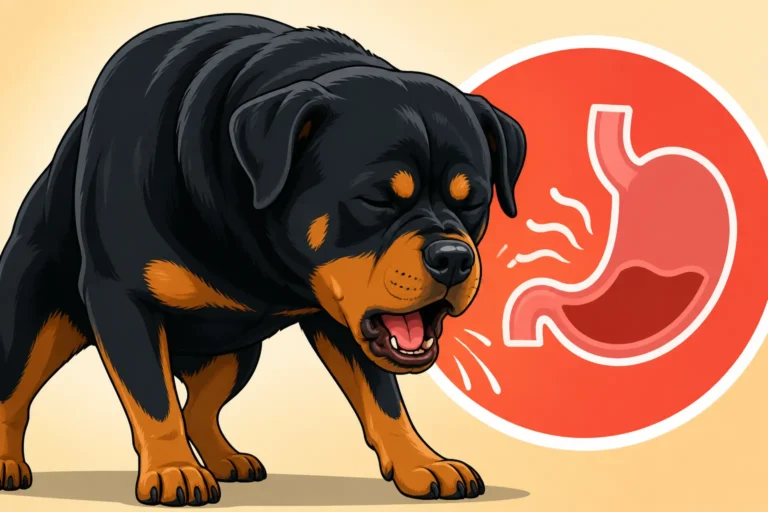
Digestive efficiency can also decline with age. Senior dog foods often contain easily digestible ingredients and sometimes prebiotics or probiotics to support a healthy gut microbiome. If your Rottweiler experiences frequent digestive upset, loose stools, or a poor appetite, it's worth a conversation with your vet. They might recommend a specific therapeutic diet or a probiotic supplement to aid in digestion and nutrient absorption. Maintaining a healthy gut contributes to overall immunity and comfort, which is vital for an aging dog.
Adapting Exercise and Mobility Support
The days of vigorous, long runs or intense play sessions might be behind your senior Rottweiler, but that doesn't mean they should become a couch potato. Maintaining appropriate activity levels is crucial for managing weight, preserving muscle mass, and keeping their joints flexible. The key is adaptation: understanding their changing physical capabilities and providing support where needed.
Low-Impact Activities and Shorter Walks
As your Rottweiler ages, their ability to tolerate strenuous exercise diminishes. Their joints are more prone to pain, their stamina might decrease, and they could tire more easily. Instead of long, brisk walks, consider shorter, more frequent strolls at a gentle pace. The goal is consistent, low-impact movement rather than intense bursts of activity. A 15-20 minute leisurely walk, two or three times a day, can be far more beneficial than one long, painful trek.
Swimming is an excellent low-impact exercise option if your Rottweiler enjoys it and has access to a safe pool or calm body of water. The buoyancy of the water takes pressure off their joints while still providing a great cardiovascular and muscle-strengthening workout. Fetch might need to be modified; instead of long throws that require sudden turns and sprints, try gentle rolls of the ball in the yard. Pay close attention to their cues: if they lag behind, struggle, or show signs of discomfort, it's time to shorten the session. The aim is to keep them moving comfortably, not to push them beyond their limits, safeguarding their joints as their Rottweiler Growth Plates Closing at Eighteen to Twenty-Four Months are long past, and wear and tear has set in.
Aids for Mobility: Ramps, Harnesses, and Beds
As mobility declines, your senior Rottweiler might need a little extra help navigating their world. This is where mobility aids become invaluable, transforming their environment to reduce strain and increase comfort. Ramps are fantastic for helping them get into and out of cars, onto furniture (if they're allowed), or up and down a few steps, preventing painful jumps that can jar their joints. There are many sturdy, non-slip ramps available designed for large breeds.
Support harnesses, particularly those that offer support for the hindquarters or a full-body lift, can be lifesavers. They allow you to assist your Rottweiler when they struggle to stand up, climb stairs, or even just walk a short distance. Brands like Help 'Em Up Harness are popular for their robust design and ease of use, making it easier to provide assistance without straining your own back. For severe cases of mobility impairment, dog wheelchairs (carts) can offer a renewed sense of freedom and independence.
Perhaps one of the most impactful changes you can make is investing in a high-quality orthopedic bed. These beds are designed with dense foam that supports their heavy bodies, relieving pressure points and providing crucial comfort for aching joints. A regular dog bed often flattens out, offering little support. A good orthopedic bed, ideally with raised sides for head support, can dramatically improve the quality of their rest and reduce stiffness upon waking. Consider where the bed is placed; a quiet, warm spot away from drafts is ideal. Helping a Senior Rottweiler Up the Stairs becomes much easier with these aids.
Physical Therapy and Pain Management
When managing arthritis and other musculoskeletal issues, physical therapy can be incredibly beneficial. A certified canine rehabilitation therapist can develop a customized program that includes exercises to improve strength, flexibility, and balance. This might involve therapeutic exercises, hydrotherapy (underwater treadmill), massage, or even cold laser therapy, which can reduce pain and inflammation. These therapies aim to slow the progression of joint degeneration and improve overall function.
For pain management, your veterinarian is your best partner. They might prescribe NSAIDs, gabapentin, or other pain medications to keep your Rottweiler comfortable. It's often a process of trial and error to find the right combination and dosage that works best for your individual dog, minimizing side effects while maximizing pain relief. Don't hesitate to communicate openly with your vet about your dog's comfort levels. In some cases, palliative care, focused entirely on maintaining comfort, may be the most humane option. Regular check-ups are essential to monitor their pain levels and adjust medication as needed, ensuring they live their senior years with dignity and as little pain as possible, as outlined in Managing Arthritis in an Older Rottweiler.
| Health Challenge | Common Signs | Management Strategies |
|---|---|---|
| Arthritis/Joint Pain | Stiffness, lameness, reluctance to move, slower gait | NSAIDs, joint supplements, weight control, ramps, orthopedic beds, physical therapy |
| Cancer | Lumps, unexplained weight loss, lethargy, persistent limping, coughing | Early detection (vet exams), surgery, chemotherapy, radiation, palliative care |
| Heart Disease | Coughing, decreased stamina, increased breathing, fainting | Medications (diuretics, ACE inhibitors), low-sodium diet, regular vet monitoring |
| Kidney/Liver Decline | Increased thirst/urination, appetite loss, lethargy, vomiting | Prescription diets, fluid therapy, medications, regular bloodwork |
| Cognitive Decline | Disorientation, altered sleep cycles, house-soiling, anxiety, decreased interaction | Environmental enrichment, consistent routine, specific diets, medications |
Maintaining Mental Acuity and Enrichment
While physical health is often front and center in senior care, keeping your Rottweiler's mind active and engaged is just as vital. Mental stimulation helps prevent boredom, reduces anxiety, and can even help slow the progression of cognitive decline. Just because they're moving slower doesn't mean their brain should follow suit!
Cognitive Dysfunction Syndrome Signs
Just like people, older dogs can experience cognitive changes, sometimes leading to Canine Cognitive Dysfunction Syndrome (CDS), often referred to as "doggy dementia." It's a distressing condition for owners because it changes the very personality of their beloved companion. Signs can be subtle at first but often progress over time. Look out for disorientation (getting "stuck" in corners, staring blankly, failing to recognize familiar people or places), changes in social interaction (becoming more withdrawn or clingy), altered sleep-wake cycles (waking up and pacing at night, sleeping more during the day), anxiety, and house-soiling accidents in previously reliably housetrained dogs.
It's easy to dismiss these as "just old age," but it's important to discuss any of these observations with your vet. Early recognition allows for interventions that can help manage symptoms and improve their quality of life. There are prescription diets formulated with brain-supporting nutrients like antioxidants, omega-3 fatty acids, and medium-chain triglycerides, and some medications (like selegiline) that can help improve cognitive function and reduce anxiety associated with CDS. Understanding these changes and taking proactive steps can make a significant difference.
Engaging Senior-Friendly Games and Puzzles
Keeping a senior Rottweiler's mind sharp doesn't require high-impact physical activity. Instead, focus on low-stress, engaging mental challenges. Puzzle toys, where they have to manipulate the toy to release treats, are fantastic. There are many options available, from simple treat-dispensing balls to more complex snuffle mats or interactive feeders that require problem-solving. These not only provide mental exercise but also slow down eating, which can be beneficial for digestion.
Short, gentle training sessions using positive reinforcement can also be incredibly stimulating. Revisit basic commands like "sit," "stay," or "down," or teach them a new, simple trick like "shake a paw." The act of learning and succeeding boosts their confidence and strengthens your bond. Scent games, where you hide treats around the house and encourage them to use their nose to find them, are another excellent low-impact mental exercise. Rottweilers have keen noses, and scent work is incredibly satisfying for them, engaging their natural instincts. Keep sessions short to prevent over-tiring them, and always end on a positive note.
Consistent Routine and Environment
For a senior Rottweiler, especially one experiencing early signs of cognitive decline, consistency is paramount. A predictable daily routine provides a sense of security and reduces anxiety. Try to keep meal times, potty breaks, and walk times as consistent as possible. Major changes in their environment or routine can be particularly stressful for older dogs.
If you must make changes, introduce them gradually. For example, if you need to move their bed, keep their old bed available for a while or slowly transition them. Maintaining a familiar and safe environment helps them feel secure. Ensure their living space is easy to navigate, with clear pathways and non-slip surfaces, which we’ll delve into shortly. While enrichment is important, too much novelty or sudden changes can be overwhelming. A calm, predictable, and supportive environment will help your senior Rottweiler feel more at ease and maintain their cognitive function for longer.
Routine Veterinary Care for Senior Rottweilers
As your Rottweiler reaches their golden years, routine veterinary care shifts from preventive measures for a young, robust dog to a focus on early detection, management of chronic conditions, and quality of life. Regular vet visits become even more critical, acting as your front line of defense against the inevitable challenges of aging.
Comprehensive Senior Wellness Exams
Gone are the days when an annual check-up was sufficient. For senior Rottweilers, most veterinarians recommend wellness exams every six months. This increased frequency allows your vet to catch subtle changes in health before they escalate into serious problems. During these comprehensive senior wellness exams, your vet will perform a thorough physical examination, paying close attention to any changes in weight, muscle mass, joint mobility, dental health, and organ palpation. They'll also listen carefully to your Rottweiler's heart and lungs, as conditions like Dilated Cardiomyopathy in a Rottweiler can progress rapidly.
These visits are also a crucial opportunity for you to discuss any changes you’ve noticed in your dog’s behavior, appetite, mobility, or elimination habits. Don’t dismiss anything as "just old age" without consulting your vet. What might seem like a minor change could be an early indicator of an underlying health issue that could be managed effectively with timely intervention. These regular appointments allow your vet to establish a baseline for your dog's health, making it easier to spot deviations.
Early Detection of Diseases Through Screening
Beyond the physical exam, comprehensive screening tests become a cornerstone of senior Rottweiler care. Regular blood work is essential, typically including a complete blood count (CBC) to check for anemia or infection, and a chemistry panel to assess organ function (kidney, liver, pancreas). Abnormalities in kidney values, for example, can be detected early through blood tests, allowing for dietary or medical interventions that can slow the progression of kidney disease. Bloodwork Worth Running on a Senior Rottweiler is truly invaluable.
Urinalysis is another critical screening tool, helping to detect urinary tract infections, kidney disease, diabetes, or other metabolic issues. Your vet might also recommend regular thyroid checks, as hypothyroidism can occur in older dogs. Depending on your Rottweiler’s health history and any suspicious findings, X-rays of the chest (to check for heart enlargement or lung tumors) or abdomen (to look at organ size and structure) might be advised. These proactive screenings are about catching issues when they are most treatable, potentially adding valuable comfortable years to your dog's life. Many pet insurance providers, like Healthy Paws, recognize the importance of these screenings and cover diagnostic tests, which can be a huge relief when unexpected issues arise.
Managing Medications and Quality of Life
As your Rottweiler ages, it's not uncommon for them to be on multiple medications to manage various chronic conditions, whether it's for arthritis, heart disease, or cognitive dysfunction. This can feel overwhelming, but careful medication management is key to maintaining their quality of life. Your vet will work with you to ensure the correct dosages and frequencies, and to monitor for any potential side effects or drug interactions.
It's vital to follow medication instructions precisely and never adjust dosages or stop medications without consulting your vet. Regular follow-up appointments will assess the efficacy of treatments and make any necessary adjustments. Ultimately, the goal of senior care is to maximize comfort and enjoyment of life. This means a continuous assessment of their quality of life, a topic we'll explore in more detail later. It’s a holistic approach, where veterinary science, diligent home care, and a deep understanding of your dog’s needs come together to support them through their golden years.
Creating a Comfortable Home Environment
Our homes, which were once playgrounds for energetic puppies, need to be re-evaluated and adapted to suit the changing needs of a senior Rottweiler. Simple adjustments can make a profound difference in their comfort, safety, and overall well-being, helping them navigate their familiar surroundings with greater ease and confidence.
Non-Slip Surfaces and Easy Access
One of the biggest hazards for an aging Rottweiler, especially one with arthritis or weakened hindquarters, is slippery flooring. Hardwood, tile, and laminate floors can be like ice rinks for a dog with compromised balance and strength, leading to painful slips and falls that can cause further injury. Laying down non-slip rugs, runners, or carpet sections in high-traffic areas, particularly where they eat, drink, or sleep, can provide much-needed traction. Even inexpensive yoga mats can be placed strategically.
Think about easy access to their favorite spots. If they've always jumped onto the sofa or bed, consider purchasing pet stairs or a ramp to reduce the strain on their joints. If they struggle with stairs, installing baby gates can help prevent them from attempting to climb them unsupervised, potentially leading to a fall. Sometimes, it's about simplifying their environment, ensuring they don't have to navigate obstacles or uneven surfaces that could cause a stumble. Every effort to make their home safer is an investment in their comfort and continued independence.
Temperature Regulation and Bedding
Senior Rottweilers can be more sensitive to temperature extremes. They might struggle to regulate their body temperature as efficiently as they once did. In cooler months, ensure their sleeping area is warm and draft-free. A heated orthopedic bed or a warm blanket can provide immense comfort for aching joints. In warmer weather, conversely, ensure they have access to cool, shaded areas and plenty of fresh water. Their thick double coat can make them prone to overheating, especially black-coated breeds like Rottweilers. A cooling mat or a fan directed at their resting spot can be beneficial.
Speaking of bedding, as mentioned earlier, an orthopedic bed is no longer a luxury but a necessity. A thick, supportive memory foam bed will cradle their heavy body, relieving pressure on joints and bony prominences like elbows and hips. These beds prevent pressure sores and ensure a more restful sleep, which is critical for recovery and overall well-being. Place their bed in a quiet, easily accessible spot where they feel secure and can rest undisturbed.
Potty Breaks and Accessibility
Changes in bladder and bowel control can sometimes occur in senior Rottweilers, either due to cognitive decline, weakened muscles, or underlying medical conditions. This can be frustrating for both dog and owner, but patience and adaptation are key. Increase the frequency of potty breaks, taking them out more often, especially first thing in the morning, after meals, and before bedtime. If mobility makes it difficult for them to get outside quickly, consider a designated indoor potty area with absorbent pads near their resting spot.
If your yard has steps or a steep incline, consider creating an easier-access route for them, perhaps a gentle ramp or a flatter area. For very frail dogs, a walk in the yard might transition to simply being carried to a designated spot. The goal is to make elimination as stress-free and accessible as possible. If incontinence becomes a significant issue, your vet might have solutions, including medications or specially designed doggie diapers, to help manage it and maintain their dignity and cleanliness. Remember that these accidents are not intentional; they are often a symptom of aging, and your understanding makes a world of difference.
Making End-of-Life Decisions and Palliative Care
This is perhaps the most emotionally challenging aspect of caring for a senior Rottweiler, but it’s a conversation every owner will eventually face. Planning for and understanding end-of-life care is an act of love, ensuring our companions experience minimal suffering when their time comes.
Assessing Quality of Life
Deciding when it's time to say goodbye is one of the hardest decisions a pet owner will ever make. There's no single right answer, and it's deeply personal. Instead of focusing on a specific diagnosis, the emphasis shifts to assessing their overall quality of life. Your vet can provide valuable guidance, but ultimately, you are the expert on your dog. Tools like the "Quality of Life Scale" (often referred to as the HHHHHMM scale: Hurt, Hunger, Hydration, Hygiene, Happiness, Mobility, More Good Days Than Bad) can help you objectively evaluate your Rottweiler's well-being.
Ask yourself: Are they in constant pain that can't be adequately managed? Are they still able to enjoy their favorite activities, even in a modified way? Do they still show interest in food, water, and interaction with the family? Are there more good days than bad days? It's easy to focus on just one good moment, but it's important to look at the overall trend. When the bad days consistently outweigh the good, and suffering becomes a constant presence, it may be time to consider the most compassionate choice, as discussed in depth in Making End-of-Life Decisions for a Rottweiler. This decision is never made lightly, and it often involves intense grief, even with the best intentions.
Palliative and Hospice Care Options
Before making the difficult decision for euthanasia, exploring palliative or hospice care options can be incredibly valuable. Palliative care focuses on relieving pain and discomfort and providing supportive care rather than aggressively treating a disease. This might involve a combination of pain medications, anti-nausea drugs, appetite stimulants, fluid therapy, and environmental modifications. The aim is to enhance the remaining time your Rottweiler has, ensuring they are as comfortable and happy as possible.
Hospice care takes this a step further, providing comprehensive, compassionate care for terminally ill pets and their families. This can include pain management, nutritional support, wound care, and emotional support for owners. Many veterinary practices now offer home hospice services, allowing your Rottweiler to remain in the comfort and familiarity of their own home during their final days. This can significantly reduce stress for both you and your pet. Healthy Paws, and similar insurance providers, may cover some of these palliative treatments, which can ease the financial burden during such an emotional time.
Grief and Support for Owners
The bond we share with our Rottweilers is profound, and the grief experienced after their loss is real and valid. It’s important to acknowledge and allow yourself to feel this grief. There is no right or wrong way to mourn, and it’s okay to seek support. Many communities offer pet bereavement support groups, hotlines, or online forums where you can connect with others who understand what you're going through. Your veterinarian can often provide resources for these services.
Remembering your Rottweiler through photos, paw prints, or a special memorial can also be a healthy part of the grieving process. Their time with us, though sometimes shorter than we wish, is a gift, and the love we shared leaves an indelible mark. Caring for a senior Rottweiler is a testament to that love, seeing them through every stage of their life, right to the very end.
Disclaimer
Please be aware that the information provided in this guide is intended for educational purposes only and should not be considered a substitute for professional veterinary advice. Always consult with a qualified veterinarian regarding your individual Rottweiler's health, diagnosis, and treatment options. Medical information and recommendations can change, and only a veterinarian can provide advice tailored to your pet's specific needs.