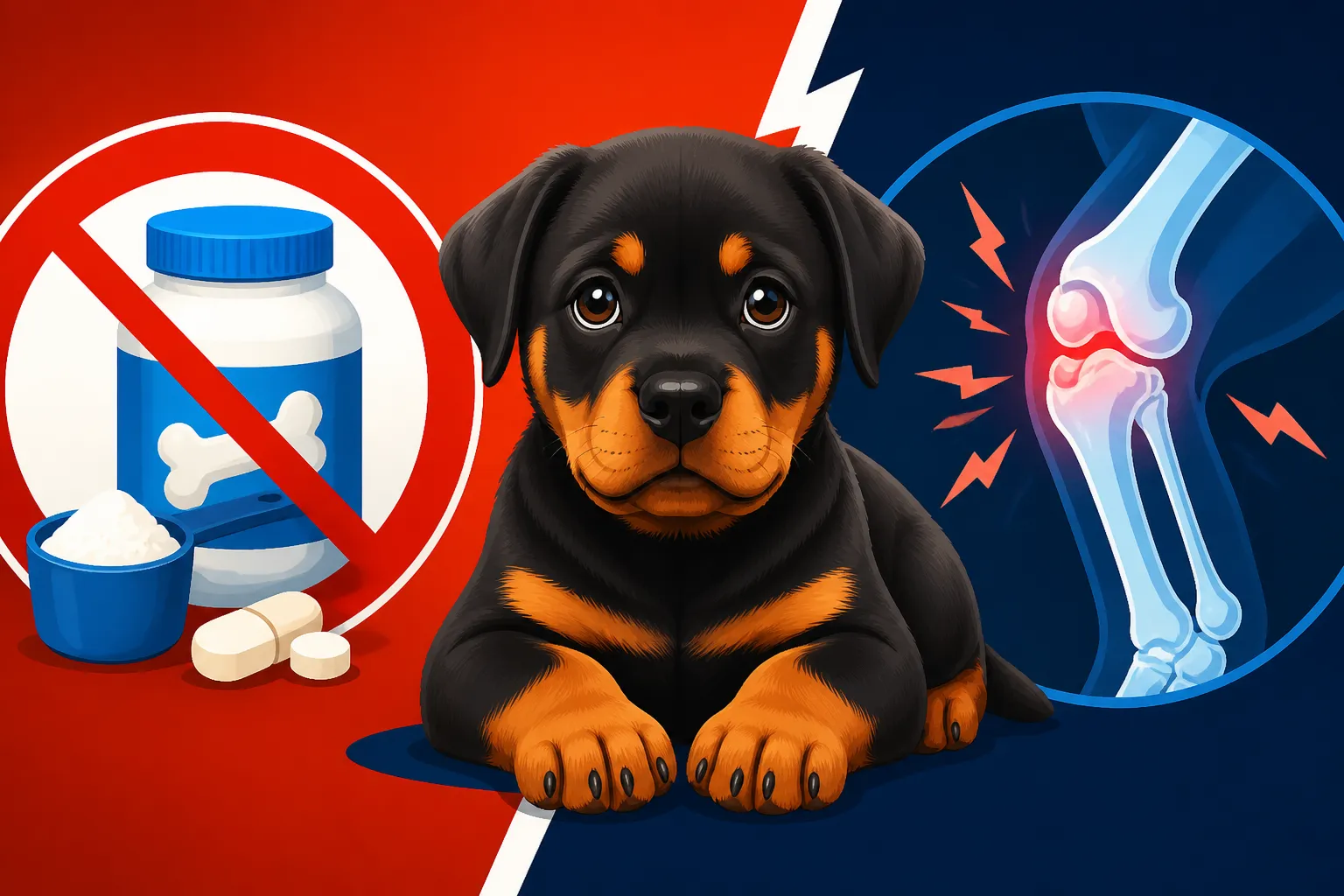
Why You Never Supplement a Rottweiler Puppy’s Calcium
It's a common, heartbreaking scenario: you've brought home your precious Rottweiler puppy, and you're determined to give them the very best start in life. You see them growing so fast, those big paws and gangly legs, and you think, "They need extra support for those bones!" So, with the best intentions, you reach for a calcium supplement, maybe some extra cottage cheese, or even a bone, believing you're helping those rapidly developing joints. But here's the tough truth that many loving Rottweiler owners don't realize: adding extra calcium to your Rottweiler puppy's diet can actually do more harm than good, leading to serious, lifelong orthopedic problems. This guide is here to walk you through exactly why this seemingly helpful gesture is so dangerous and how to truly support your Rottweiler's bone health from day one.
The Unique Growth Needs of a Rottweiler Puppy
Rottweilers aren't just big dogs; they're rapidly growing big dogs. Their developmental timeline is drastically different from a Chihuahua or even a Labrador, and understanding this is the key to providing proper nutrition without causing unintended damage.
Rapid Growth and Delicate Bone Development
Imagine a tiny eight-week-old Rottweiler puppy, all wobbly and adorable, destined to become a powerful, muscular adult weighing well over 100 pounds. That transformation happens at an astonishing rate, sometimes seemingly overnight. This isn't just about gaining weight; it's about the intricate process of bone lengthening, strengthening, and remodeling. Their skeletal system is working overtime, laying down new bone tissue continuously.
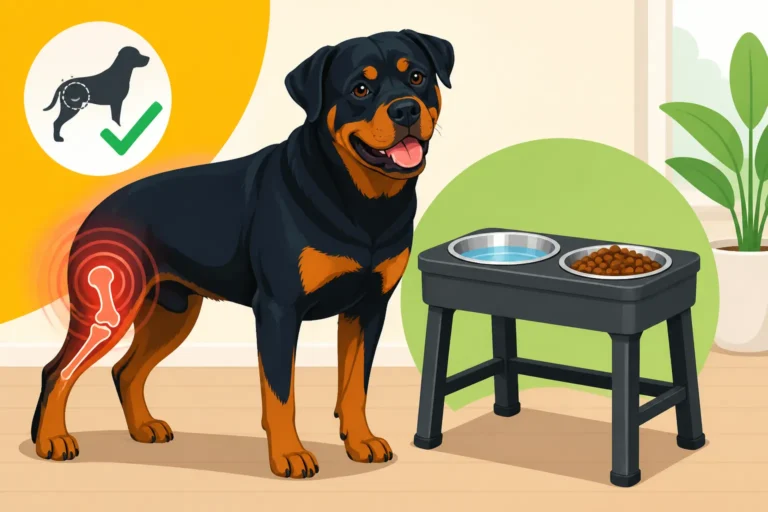
During this intense period, their growth plates—the soft, cartilaginous areas at the end of long bones where new bone is formed—are wide open and incredibly vulnerable. These "soft spots" are literally growing, stretching, and hardening, a process that can continue up until your Rottweiler is 18 to 24 months old, sometimes even a little longer. It's a much longer period than in smaller breeds, and it's why we always talk about Rottweiler Growth Plates and Why They Close So Late. If you introduce too much of a good thing, like calcium, during this critical window, you can actually throw a wrench into this delicate, precisely timed biological process. It's not like building a house where more bricks always mean a stronger wall; in a growing Rottweiler, it can mean a flawed wall that collapses under its own weight later on.
The Critical Role of Balanced Nutrition
Because their growth is so accelerated, Rottweiler puppies require a diet that is meticulously balanced, especially concerning minerals like calcium and phosphorus. This isn't a situation where "more is better" or "a little extra can't hurt." In fact, when it comes to calcium, a "little extra" can hurt quite a lot.
Commercial large breed puppy foods are specifically formulated to support this controlled, steady growth without over-accelerating it. They contain precise levels of calcium, phosphorus, protein, and fat, designed to encourage a moderate growth rate, which is paramount for healthy skeletal development. Think of it like a carefully orchestrated symphony; every instrument (nutrient) needs to be played at the right volume. If one instrument, like calcium, suddenly blasts louder than the rest, it can drown out the others and create disharmony, leading to developmental orthopedic diseases. The goal isn't to get your Rottweiler puppy as big as possible, as fast as possible. The goal is a slow and steady growth curve, which ultimately leads to stronger, healthier bones and joints in adulthood. It's about providing adequate nutrition, not excessive nutrition.
Why Excess Calcium Is So Dangerous for Rottweiler Puppies
It might sound counterintuitive, but for rapidly growing large breeds like Rottweilers, too much calcium is far more detrimental than a slight deficiency, which is rare on a quality commercial diet. The problem lies in how the excess calcium interferes with normal bone formation.
Disrupting the Calcium-Phosphorus Ratio
The body needs calcium and phosphorus in a very specific ratio for proper bone mineralization. Ideally, this ratio should be somewhere between 1.1:1 and 1.5:1 (calcium to phosphorus) on a dry matter basis. High-quality large breed puppy foods are formulated to meet this precise balance. When you introduce additional calcium, you completely skew this delicate ratio.
What happens then? The puppy's body, especially its parathyroid glands, tries to compensate, but it can be overwhelmed. This hormonal imbalance can lead to an over-mineralization of cartilage and bones, causing them to develop abnormally. It's like trying to bake a cake but adding too much flour; the entire structure becomes dense, crumbly, and just plain wrong. The intricate communication between hormones and minerals that guides proper bone growth gets confused, leading to a cascade of developmental issues. Even if your puppy food claims to have the right ratio, a calcium supplement on top of that can push it into dangerous territory, turning a perfectly balanced diet into a recipe for orthopedic disaster.
The Risk of Developmental Bone Diseases (OCD and HOD)
When the calcium-phosphorus ratio is out of whack, and calcium is oversupplied, Rottweiler puppies become highly susceptible to two particularly painful and often debilitating conditions: Osteochondritis Dissecans (OCD) and Hypertrophic Osteodystrophy (HOD). These aren't just minor aches; they are serious developmental bone diseases that can lead to lifelong lameness and pain.
Osteochondritis Dissecans (OCD) occurs when the cartilage, which is supposed to mature and turn into bone, becomes abnormally thick and then detaches from the underlying bone. Instead of smooth, resilient joint surfaces, you end up with flaps of cartilage floating in the joint, causing inflammation, pain, and severely limited mobility. Common sites for OCD in Rottweilers include the shoulders, elbows, and stifles (knees). An excess of calcium contributes to this rapid and abnormal cartilage growth, making the joint surfaces fragile and prone to damage. Imagine a perfectly smooth, well-oiled gear in a machine suddenly having chips and flakes breaking off and jamming the system; that's what OCD does to a joint. We often see how excess growth can harm them, which is why topics like Osteochondritis Dissecans in a Rottweiler Shoulder are so important for owners to understand.
Hypertrophic Osteodystrophy (HOD) is another painful condition characterized by inflammation of the growth plates, primarily in the long bones of the legs. Puppies with HOD often experience severe lameness, swelling and heat around the joints, fever, and a general reluctance to move. It can be incredibly distressing for both puppy and owner. While the exact cause of HOD can be multifactorial, including genetics and rapid growth, an excessive intake of calcium and Vitamin D is a significant contributing factor, exacerbating the problem. The growth plates, instead of smoothly transitioning to bone, become inflamed and necrotic. Think of it as a growth spurt gone horribly wrong, where the body's efforts to build bone actually lead to painful destruction at the growth sites. This is a condition discussed in depth when we look at Hypertrophic Osteodystrophy in a Rottweiler Puppy. Both OCD and HOD can necessitate expensive surgeries, extensive physical therapy, and ongoing pain management, severely impacting your Rottweiler's quality of life from a very young age.
Impact on Cartilage and Joint Health
The damage from excess calcium isn't just about bones; it extends to the cartilage that cushions and connects bones within joints. In a healthy puppy, cartilage is flexible and gradually ossifies (turns into bone) in a controlled manner. Too much calcium can prematurely harden or stiffen this cartilage, preventing it from developing correctly.
This improper cartilage development directly impacts long-term joint health. Joints need smooth, resilient cartilage to move without friction. If the cartilage is compromised early on, it increases wear and tear, making your Rottweiler more prone to developing conditions like Rottweiler Hip Dysplasia and the OFA Grade and early-onset arthritis. Even if your puppy doesn't develop full-blown OCD or HOD, subtle damage to the cartilage due to calcium overload can set the stage for chronic pain and mobility issues as they age. It's a foundational flaw that, once introduced, is incredibly difficult to correct. You're essentially compromising the structural integrity of their entire locomotive system before they've even fully matured, leading to a lifetime of potential discomfort and limiting their ability to enjoy an active life.
Recognizing Signs of Over-Supplementation or Imbalance
As a Rottweiler owner, it's crucial to be vigilant for any subtle signs that your puppy might be struggling with a dietary imbalance, even if you haven't intentionally given them supplements. Sometimes, puppies from certain lines are more sensitive, or an incorrect feeding regimen could unknowingly cause issues.
Subtle Early Warning Signs
The signs of developmental orthopedic disease due to calcium imbalance can often start subtly, and it's easy to dismiss them as normal "puppy clumsiness" or growing pains. However, for a Rottweiler, any persistent lameness, stiffness, or reluctance to play should be a red flag.
- Lameness or Limping: This might not be a constant, severe limp. It could be a shifting lameness, where your puppy favors one leg one day, then another the next. They might limp slightly after waking up, or after a period of rest, only for it to seem to improve as they warm up. Pay attention if they seem hesitant to put full weight on a limb, or if their gait just looks "off" when they run or walk. Sometimes, they'll favor a front leg, sometimes a back. It's a classic sign, and it's something to pay close attention to, as we often see with conditions like Shifting Lameness and Panosteitis in a Rottweiler Puppy.
- Stiffness or Reluctance to Move: Does your puppy seem stiff when getting up from a nap? Are they less enthusiastic about running or playing than usual? Do they hesitate before jumping into the car or climbing stairs, even if they used to do it easily? They might also sit or lie down in unusual positions to relieve pressure on uncomfortable joints.
- Swelling or Heat Around Joints: Gently feel your puppy's joints, especially the elbows, shoulders, wrists, and knees. If any of these areas feel warm to the touch, appear swollen, or your puppy reacts with pain when you gently palpate them, it warrants immediate veterinary attention.
- Behavioral Changes: Sometimes, pain manifests as behavioral changes. A normally boisterous puppy might become more withdrawn, grumpy, or even show mild aggression if you touch a painful area. They might lose their appetite or seem generally lethargic.
Never underestimate these early indicators. Your Rottweiler puppy can't tell you they're hurting, so you need to be their advocate and pay close attention to their physical and behavioral cues.
Veterinary Diagnosis and Intervention
If you observe any of these warning signs, your first and most crucial step is to contact your veterinarian immediately. Do not wait, and do not try to self-diagnose or treat with over-the-counter remedies. Early diagnosis and intervention can significantly impact the long-term prognosis.
Your vet will start with a thorough physical examination, assessing your puppy's gait, range of motion in their joints, and checking for any pain, swelling, or heat. They'll also want a detailed history of your puppy's diet, activity levels, and the onset of symptoms.
The primary diagnostic tool for these orthopedic conditions is radiography (X-rays). Your vet will likely take X-rays of the affected joints and possibly comparative views of healthy joints. These images allow them to visualize the bones and growth plates, identify any abnormalities like detached cartilage fragments in OCD, or inflamed and damaged growth plates in HOD. In some cases, specialized views or even referral to an orthopedic specialist might be recommended for a definitive diagnosis. It's why things like Rottweiler Hips and Elbows and the 24-Month Rule are so important; early, accurate imaging is key.
Once a diagnosis is made, your vet will discuss treatment options. This could range from strict rest, pain medication, anti-inflammatory drugs, and dietary adjustments (like ensuring they are on a proper large breed puppy food and absolutely no calcium supplementation) to more intensive treatments like surgery in severe cases of OCD. In the case of HOD, management often focuses on pain relief and supporting the puppy through the inflammatory episodes, as it often resolves as the growth plates close. The key is to address the issue promptly to minimize irreversible damage and improve your Rottweiler's chances of leading a comfortable, active life.
The Right Way to Provide Calcium: A Balanced Large Breed Diet
The best way, in fact, the only truly safe way, to ensure your Rottweiler puppy gets the right amount of calcium is through a high-quality, commercially prepared large breed puppy food. These diets are meticulously formulated to meet their specific, delicate nutritional requirements during this critical growth phase.
Choosing the Correct Puppy Food
Navigating the pet food aisle can be overwhelming with all the choices out there. However, for a Rottweiler puppy, the most important distinction you need to look for is a formula specifically labeled as "large breed puppy" food.
Why "large breed puppy"? These formulas are designed with a slightly lower calorie density, and most importantly, precisely controlled levels of calcium and phosphorus. The goal isn't to make your puppy grow faster, but to promote steady, controlled growth. This helps prevent the rapid growth spurts that can exacerbate developmental orthopedic issues.
When you're reading labels (and trust me, for a Rottweiler owner, reading labels is a non-negotiable skill!), you're looking for specific ranges. The calcium content should generally be between 1.0% and 1.5% on a dry matter basis (DMB), and the calcium-to-phosphorus ratio should be between 1.1:1 and 1.5:1. Any higher than these figures, and you're running a risk. Brands like Purina Pro Plan Large Breed Puppy or Royal Canin Large Breed Puppy formulas are often recommended by veterinarians because they meet these stringent requirements. You can find these varieties easily at major pet retailers like Chewy, which often have detailed nutritional information available online for comparison. Don't be swayed by marketing jargon about "extra strength bones" or "maximum growth" – for a Rottweiler, controlled growth is always the healthiest path. This careful label reading is crucial, which is why we've even got a guide on Reading a Large Breed Puppy Food Label.
Avoiding All Forms of Unsupervised Supplementation
This point cannot be stressed enough: do not give your Rottweiler puppy any calcium supplements unless explicitly directed and precisely dosed by your veterinarian after a confirmed diagnosis of a calcium deficiency. Such deficiencies are incredibly rare in puppies fed a commercial large breed puppy diet.
This means no:
- Calcium tablets or powders: Even if they're marketed for dogs, adding them on top of a complete diet is dangerous.
- Dairy products: While a small dollop of plain yogurt might be a fun treat occasionally for an adult, regularly adding cottage cheese, milk, or other dairy to a puppy's diet as a "calcium boost" is risky.
- Raw bones (especially weight-bearing bones): While advocates of raw feeding might suggest raw meaty bones as a natural source of calcium, the reality is that the calcium content in these can be highly variable and extremely difficult to control or predict. A puppy consuming too much bone could easily consume a dangerous amount of calcium, throwing off their balance and causing internal damage, not to mention the risk of choking or splintering.
- Human vitamin supplements: These are absolutely off-limits. They are not balanced for canine needs and can contain dangerously high levels of certain vitamins (like Vitamin D, which works closely with calcium) that are toxic in excess for dogs.
If you are concerned about your puppy's growth or bone development, the only person to consult is your veterinarian. They are trained to assess your puppy's individual needs, diagnose any actual deficiencies (which are rare), and provide safe, evidence-based recommendations. Adding anything to their diet without professional guidance is like blindly tinkering with a complex machine; you're likely to break it.
Monitoring Growth, Not Accelerating It
The goal for your Rottweiler puppy's growth isn't to make them look like a fully mature adult at six months old. In fact, a "chubby" Rottweiler puppy, while endearing to some, is a major red flag for potential future orthopedic problems. Faster growth and heavier body weight in puppyhood put immense stress on developing joints and growth plates.
Instead, you want to aim for a lean, steady growth curve. Your veterinarian can help you assess your puppy's body condition score at each check-up. You should be able to easily feel, but not necessarily see, their ribs. Their waist should tuck in noticeably behind the rib cage when viewed from above. If your puppy starts looking round or plump, it's not a sign of good health; it's a sign they're being overfed, which can indirectly lead to excess calcium intake if you're feeding too much of a high-calcium diet, or simply put too much strain on their developing skeleton.
Regularly weighing your puppy and comparing it to average growth charts for Rottweilers can also be helpful, but remember that individual dogs will vary. The key is consistent, moderate growth. A lean puppy is a healthy puppy, not just for their future joints but for their overall Rottweiler Lifespan and the Eight to Ten Year Average. Taking steps like Keeping a Rottweiler Puppy Lean on Purpose is far more beneficial than any supplement. By focusing on appropriate nutrition and a healthy body condition, you are providing the best possible foundation for strong bones and joints throughout your Rottweiler's life.
Practical Tips for a Healthy Growing Rottweiler
Beyond just avoiding calcium supplements, there are several practical steps you can take as a Rottweiler owner to ensure your puppy's healthy development and mitigate the risks associated with their rapid growth.
Portion Control is Paramount
One of the biggest culprits behind over-nutrition, including inadvertently excessive calcium intake, is simply feeding too much food. Even with the best large breed puppy kibble, if you pour too much into the bowl, you're providing an excess of all nutrients, including calcium.
- Measure Accurately: Never "eyeball" your puppy's food. Use a measuring cup specifically designed for pet food, or even better, a kitchen scale to weigh out their kibble. Kibble density varies significantly between brands, so a "cup" of one food might weigh completely differently than a "cup" of another. Weighing ensures consistency. For example, if a bag recommends 400 grams a day, measure out 400 grams, not "four cups" that might actually be 500 grams. This precision in feeding is a fundamental step, and understanding Measuring Rottweiler Food by Weight Not Cups can make a huge difference.
- Follow Feeding Guides, But Adjust: Start with the feeding recommendations on your chosen large breed puppy food bag, which are typically based on age and anticipated adult weight. However, these are just guidelines. Every puppy's metabolism is unique. Observe your puppy's body condition weekly. If they're gaining weight too quickly, looking a bit chunky, or developing a noticeable "belly," slightly reduce their portions. If they look too lean (ribs easily visible and sharp), you might need a tiny increase. Your vet is the best resource for tailoring these portions.
- Avoid Free-Feeding: For Rottweiler puppies, free-feeding (leaving food out all day) is a definite no-go. It makes it impossible to monitor their intake and often leads to overeating and excessive weight gain. Instead, feed two or three measured meals a day, removing any uneaten food after about 15-20 minutes. This also helps with house training and monitoring appetite changes. Remember, Why a Chubby Rottweiler Puppy Is a Problem extends beyond just the calcium discussion.
| Aspect | Recommendation for Rottweiler Puppies | Why It Matters |
|---|---|---|
| Calcium Supplementation | ABSOLUTELY AVOID (unless vet-prescribed) | Prevents developmental orthopedic diseases (OCD, HOD). |
| Diet Type | High-quality Large Breed Puppy Formula | Ensures balanced Ca:P ratio and controlled growth. |
| Calcium % (DMB) | 1.0% – 1.5% | Specific range to support bone development without excess. |
| Ca:P Ratio | 1.1:1 – 1.5:1 | Crucial for proper bone mineralization. |
| Feeding Method | Measured meals 2-3 times/day | Prevents overfeeding and promotes healthy body condition. |
| Body Condition | Lean, ribs easily felt, tucked waist | Reduces stress on growing joints. |
| Exercise | Age-appropriate, low-impact, short bursts | Protects vulnerable growth plates. |
Appropriate Exercise and Activity Levels
It's tempting to think that a big, strong breed like a Rottweiler needs intense exercise from a young age. Many new owners feel their puppy has endless energy and try to match it with long runs or strenuous play. However, just like with nutrition, "more" is not "better" when it comes to puppy exercise, especially for a large breed with vulnerable growth plates.
- Follow the Five-Minute Rule: A widely accepted guideline for large breed puppies is the "five-minute rule." This means no more than five minutes of structured exercise per month of age, twice a day. So, a four-month-old puppy would get 20 minutes, twice a day. This includes walks on a leash, focused play, or training sessions. Free play in a secure, flat yard is generally fine, as puppies tend to self-regulate, but still monitor them to ensure they aren't overdoing it.
- Avoid High-Impact Activities: Until your Rottweiler's growth plates are fully closed (around 18-24 months), avoid activities that involve repetitive pounding on joints or excessive jumping. This means no long-distance jogging on hard surfaces, no jumping off high furniture or out of the car, and limiting intense agility training. Even things like constantly going up and down stairs can put undue stress on developing joints. Exercise Limits for a Rottweiler Under Six Months is not just a suggestion, it's a vital part of protecting their long-term health.
- Focus on Mental Stimulation and Gentle Play: Instead of physical overexertion, channel your Rottweiler puppy's energy into mental enrichment. Puzzle toys, training short sessions, scent work, and gentle games of fetch (on soft surfaces, with limited jumps) are excellent alternatives. Socialization with other calm, vaccinated dogs (especially other puppies) can also be good for controlled bursts of play. Remember, a tired mind is often as effective as a tired body for a puppy.
By carefully managing their diet and exercise during their critical growth period, you are investing in your Rottweiler's future health, helping them mature into a strong, resilient companion with the best possible chance of avoiding painful and expensive orthopedic issues.
Disclaimer
This article is for general informational purposes only and does not constitute professional advice. Laws, prices and regulations vary by location and change over time. Consult a qualified professional for guidance on your specific situation.