Reading a Large Breed Puppy Food Label
Navigating the world of puppy food can feel like trying to solve a complex puzzle, especially when you're feeding a magnificent breed like a Rottweiler who has unique growth needs. Many new Rottweiler owners find themselves staring at bags and cans, overwhelmed by jargon and marketing claims, genuinely worried about making the wrong choice for their rapidly growing companion. This guide will walk you through how to read a large breed puppy food label with confidence, helping you understand the crucial elements that support your Rottweiler's healthy development.
The Foundation: Understanding Any Dog Food Label
Before we dive into the specifics for a Rottweiler, it’s essential to grasp the universal language of any dog food label. These labels are regulated and contain key pieces of information designed to help you make informed decisions, even if they sometimes feel like they're written in code. Learning to interpret the AAFCO statement, the ingredients list, and the guaranteed analysis is your first step toward becoming a savvy pet parent.
Understanding AAFCO Statements
The Association of American Feed Control Officials (AAFCO) is a voluntary membership association of local, state, and federal agencies that regulate the sale and distribution of animal feeds and animal drug remedies. While AAFCO itself doesn't test or approve pet foods, it establishes the nutritional standards that pet food companies must meet. When you see an AAFCO statement on a label, it’s a good sign the food meets recognized nutritional levels.
Look for a statement like "[Brand Name] Puppy Food is formulated to meet the nutritional levels established by the AAFCO Dog Food Nutrient Profiles for growth/all life stages." The "growth" or "all life stages" part is critical for a puppy. If it says "maintenance," that food is not suitable for a growing puppy, especially not a large breed like a Rottweiler. This statement provides a baseline assurance that the food is designed to support the demanding nutritional needs of a young, developing dog, which is particularly important given how much a Rottweiler grows in its first two years.
Deciphering the Ingredients List
The ingredients list is where things can get a little tricky, but it's also where you'll find the most detail about what's actually in your puppy's food. Ingredients are listed in descending order by weight, meaning the first few ingredients make up the largest portion of the food. For a large breed puppy, you want to see quality protein sources at the top.
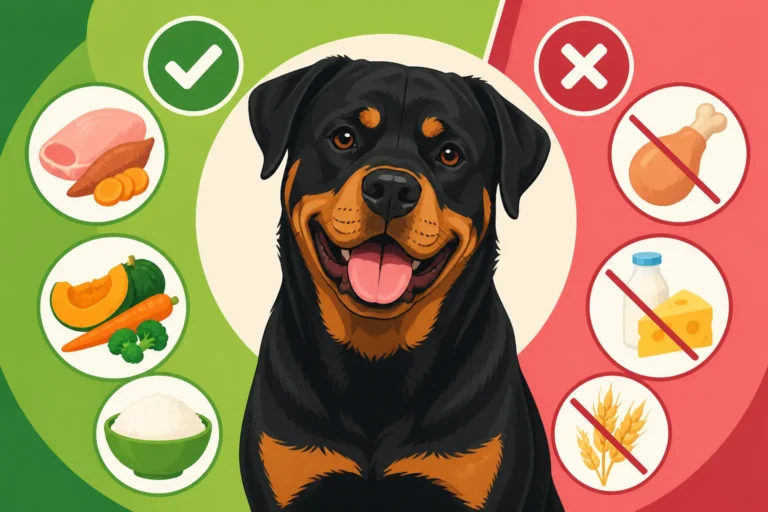
Ideally, the first one or two ingredients should be a named meat source, like "chicken," "beef," or "salmon." Not "meat by-products" or "meat meal" without specifying the animal. While meat meals can be good sources of concentrated protein, a named meat ensures you know exactly what your puppy is getting. You might also see carbohydrates like rice, barley, or sweet potatoes. These provide energy and fiber. Fats, often from animal sources like chicken fat or plant-based oils like flaxseed, are essential for skin, coat, and overall health. Be wary of labels where fillers like corn or wheat are among the very first ingredients, as these often offer less nutritional value for your large, growing Rottweiler.
What the Guaranteed Analysis Actually Tells You
The Guaranteed Analysis (GA) is a crucial part of the label that provides a breakdown of the minimum percentages of crude protein and crude fat, and the maximum percentages of crude fiber and moisture. These are "crude" measurements, meaning they represent the total amount of these nutrients, not necessarily how digestible or available they are to your puppy. However, they give you a vital snapshot of the food's composition.
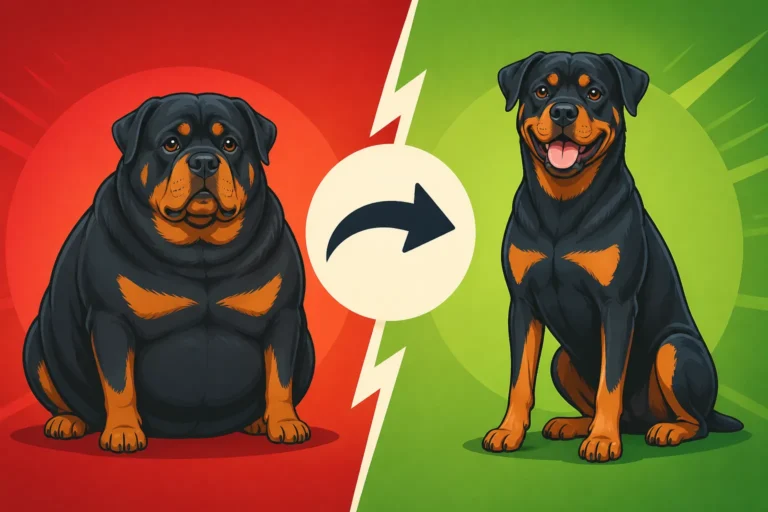
For a large breed puppy, you'll be particularly interested in the protein and fat percentages. Generally, a good large breed puppy food will have a protein content around 24-28% and a fat content around 12-18%. Too little protein can hinder muscle development, while too much can also be problematic. Excessively high fat can lead to rapid weight gain, which is something we want to avoid in a Why a Chubby Rottweiler Puppy Is a Problem. The moisture content is also important; wet foods naturally have lower percentages of crude protein and fat compared to dry kibble because they contain a lot of water. Always compare dry matter basis when looking at different food types.
Here's a quick reference table for what to prioritize:
| Label Section | What to Look For (Rottweiler Puppy) | What to Be Cautious Of (Rottweiler Puppy) |
|---|---|---|
| AAFCO Statement | "Formulated for growth" or "All life stages" | "For maintenance only" (Not suitable for puppies) |
| Ingredients List | Named meat (e.g., "chicken," "beef") as first ingredient(s) | "Meat by-products," generic "meat meal" as primary ingredient |
| Wholesome grains (rice, oats) or complex carbs (sweet potato) | Excessive fillers (corn, wheat, soy) as top ingredients | |
| Guaranteed Analysis | Crude Protein: 24-28% (dry matter) | Protein below 22% or excessively high (can cause rapid growth issues) |
| Crude Fat: 12-18% (dry matter) | Fat below 8% or above 20% (can lead to weight gain/slow growth) | |
| Calcium: 1.0-1.5% (dry matter) | Calcium above 1.5% or below 0.8% (critical for large breed joints) | |
| Phosphorus: 0.8-1.2% (dry matter) | Phosphorus above 1.2% or below 0.6% | |
| Calcium-to-Phosphorus Ratio: 1.1:1 to 1.5:1 | Ratio outside 1.1:1 to 1.5:1 (very important for skeletal development) |
Specific Considerations for a Large Breed Puppy Like a Rottweiler
Now, let's get down to what truly matters for a Rottweiler puppy. These big, beautiful dogs aren't just scaled-up versions of smaller breeds; their growth plates and skeletal development are particularly sensitive to diet. The wrong nutrition during this critical period can lead to serious, lifelong orthopedic problems. This is why paying close attention to specific nutrient levels is non-negotiable.
The Crucial Calcium and Phosphorus Ratio
This is arguably the most critical aspect of a large breed puppy food label for a Rottweiler. Rapid growth, often fueled by excess calcium, can lead to developmental orthopedic diseases like hip and elbow dysplasia, osteochondrosis, and panosteitis. Your Rottweiler puppy’s bones and joints are still forming and are highly susceptible to imbalances.
For a large breed puppy, the calcium content should ideally be between 1.0% and 1.5% on a dry matter basis. Equally important is the phosphorus level, which typically falls between 0.8% and 1.2%. The ratio between calcium and phosphorus is also vital, aiming for somewhere between 1.1:1 and 1.5:1 (calcium to phosphorus). This delicate balance ensures proper bone mineralization without over-accelerating growth. Too much calcium, often from well-meaning but misguided owners supplementing their puppy’s diet, can lead to serious bone and joint deformities. Rottweiler Calcium Limits and Why Supplements Hurt covers this in more detail, explaining why you should never add extra calcium to a commercial large breed puppy food.
Controlled Calorie Content for Slow Growth
It might sound counterintuitive, but a Rottweiler puppy doesn't need to grow as fast as possible. In fact, slower, steadier growth is the goal. Foods specifically formulated for large breed puppies have a slightly lower calorie density than regular puppy foods. This helps prevent your puppy from growing too quickly and putting undue stress on their developing joints.
Overfeeding a Rottweiler puppy or feeding a high-calorie "all life stages" food can lead to them becoming overweight, which not only stresses their joints but can also increase the risk of Developmental Bone Disease in a Fast-Grown Rottweiler. Look for a calorie count that is appropriate for large breed puppies. While specific numbers vary by brand and ingredient profile, the idea is to provide sufficient energy for growth without promoting excessive weight gain. You’ll be looking for Rottweiler Puppy Calories From Fourteen Hundred Up as a general starting point, but always check the bag for specific feeding guidelines based on your puppy's current weight and projected adult size.
Protein and Fat Levels for Healthy Development
While we touched on protein and fat in the general analysis, these numbers have a more specific nuance for large breed puppies. Your Rottweiler needs enough protein to build strong muscles, but as mentioned, not so much that it causes issues. A good range for crude protein is typically 24-28% on a dry matter basis. This provides the amino acids necessary for muscle, tissue, and organ development without overtaxing their systems or promoting too rapid growth. You can learn more about specific ideal ranges in Protein Between Twenty-Two and Twenty-Six Percent.
Fat, while a necessary energy source, also needs to be controlled. An appropriate crude fat percentage for a large breed Rottweiler puppy usually falls between 12-18% on a dry matter basis. This provides enough energy for their active puppy lives and supports healthy skin and coat, but avoids the excessive calories that could lead to obesity. Remember, the goal is lean, controlled growth, which ultimately contributes to better joint health as they reach their full adult size, often taking up to Rottweiler Growth Plates Closing at Eighteen to Twenty-Four Months.
Navigating Marketing Claims vs. Nutritional Facts
The pet food aisle is full of buzzwords and eye-catching claims. It's easy to get sidetracked by appealing phrases that don't necessarily equate to better nutrition, especially when you're trying to do the best for your Rottweiler. Understanding the difference between genuine nutritional benefits and marketing hype is key.
"Grain-Free" and Its Relevance for Rottweilers
The "grain-free" trend has been popular for a while, with many owners believing it's inherently healthier. For some dogs with specific grain allergies, it can be beneficial, but true grain allergies are actually quite rare. For most Rottweilers, grains are perfectly digestible and provide valuable nutrients like fiber and carbohydrates for energy.
The concern with grain-free diets emerged due to a potential link with dilated cardiomyopathy (DCM) in some breeds, though the science is still evolving and complex. Many reputable brands have since adjusted their formulas or reintroduced grains. Unless your veterinarian specifically advises a grain-free diet due to a diagnosed allergy, there's no inherent benefit to feeding a grain-free food to your Rottweiler puppy. Focus on the quality of the ingredients and the overall nutritional balance, not just the absence of grains. Brands available at retailers like Chewy or Amazon often carry both grain-inclusive and grain-free options, so it's easy to compare labels if you're curious.
"Holistic" or "Natural" – What Do They Really Mean?
These terms are often used interchangeably on pet food labels, but they have very little specific regulation and don't necessarily guarantee superior nutrition. "Natural" generally means the food contains ingredients from natural sources (like meats, vegetables, and grains) with no artificial colors, flavors, or preservatives. This is a good baseline, but it doesn't speak to the quality of those natural ingredients or their specific nutritional profile for a large breed.
"Holistic" is even less regulated and can mean almost anything a manufacturer wants it to mean. It often implies a focus on the "whole" dog, considering all aspects of their health, but it doesn't have a legal definition when it comes to ingredients or nutrient levels. Instead of focusing on these vague terms, direct your attention to the AAFCO statement, the ingredients list, and the guaranteed analysis, which provide concrete, measurable information. Brands like Ollie, which focus on fresh ingredients, might use such terms, but the real value comes from their specific ingredient choices and nutritional transparency.
The Importance of a Reputable Brand and Research
When it comes to feeding your Rottweiler, the brand behind the bag matters. Reputable pet food companies invest in scientific research, conduct feeding trials, and often employ veterinary nutritionists. They are transparent about their sourcing, manufacturing processes, and quality control. This level of dedication is crucial for ensuring the consistency and safety of the food, especially given the precise nutritional needs of a growing large breed.
Do your homework. Look up reviews, check if the brand has had a history of recalls (and how they handled them), and see if they readily provide information about their ingredients and nutritional philosophy. A good breeder, who should have a clear understanding of The Five Clearances a Rottweiler Breeder Must Have for their breeding stock, can also be an invaluable resource for food recommendations, as they’ve likely fed many Rottweiler puppies over the years. Don't be swayed solely by price; investing in a high-quality food now can save you significant veterinary bills down the road by supporting healthy growth and joint development for your Rottweiler.
Putting It All Together: Choosing the Right Food for Your Rottweiler
Choosing the right food for your Rottweiler puppy isn't a one-time decision; it's an ongoing process of research, observation, and partnership with your veterinarian. Even with the best label reading skills, your individual puppy's needs may vary slightly.
Consulting Your Veterinarian
Your veterinarian is your most valuable resource when it comes to your Rottweiler puppy's diet. They know your puppy's individual health history, can assess their growth rate and body condition, and can offer personalized advice. Bring a few labels of foods you're considering to your puppy's regular check-ups. Your vet can review the ingredients and guaranteed analysis to confirm they meet the specific requirements for a large breed, growing Rottweiler.
They can also help you understand if your puppy has any particular sensitivities or needs that might warrant a specific type of diet. Remember, while friends and online forums offer advice, your vet provides professional, tailored guidance based on their expertise and knowledge of canine nutrition and your specific pet. They can also explain why Why a Rottweiler Puppy Needs Large Breed Formula is so critical.
Monitoring Your Puppy's Growth and Condition
Even after you've picked a food, your job isn't over. Regularly monitor your Rottweiler puppy's body condition. You should be able to easily feel their ribs without seeing them prominently, and they should have a discernible waistline when viewed from above. A "chubby" puppy might look cute, but as discussed, it's detrimental to their developing joints and can contribute to problems like Osteochondrosis From Overfeeding a Rottweiler.
Pay attention to their energy levels, coat quality, and stool consistency. These are all indicators of how well they are digesting and utilizing their food. Adjust feeding amounts based on your puppy's activity level and growth rate, always referring back to the feeding guidelines on the food bag and your vet's recommendations. For example, if your puppy is getting a lot of exercise, they might need a bit more, but if they are starting to look a little thick, it's time to slightly reduce their portion, keeping in mind the importance of slow, steady growth for their Rottweiler Hips and Elbows and the 24-Month Rule. Consistent monitoring ensures that the label's promises are translating into real-world health for your magnificent Rottweiler.
Disclaimer
This article is for general informational purposes only and does not constitute professional advice. Laws, prices and regulations vary by location and change over time. Consult a qualified professional for guidance on your specific situation.