Why Health-Tested Rottweiler Parents Raise the Price
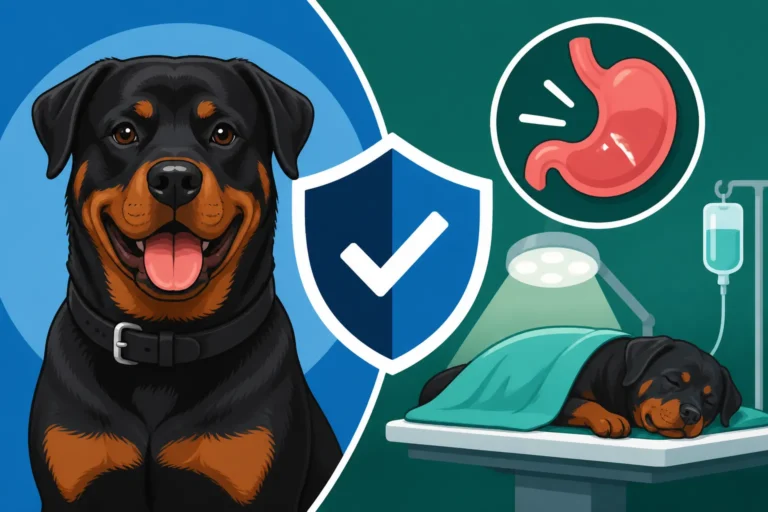
It’s a common scenario: you’re dreaming of bringing a Rottweiler puppy into your home, scrolling through listings, and then you see it—a huge price discrepancy. Some puppies are advertised for a surprisingly low price, while others from different breeders seem significantly more expensive, often in the range of thousands of dollars. It’s natural to feel a pang of confusion, wondering if the higher cost is truly warranted. This guide aims to clear up that mystery, explaining in depth why investing in a Rottweiler puppy from health-tested parents is a critical long-term decision that impacts your dog’s health, your peace of mind, and ultimately, your financial well-being.
The Allure of the "Bargain" Rottweiler Puppy
It’s completely understandable to be drawn to a Rottweiler puppy with a lower price tag. In a world where costs for everything seem to be rising, saving a few hundred or even a thousand dollars upfront can feel like a smart financial decision. You might think, "A puppy is a puppy, right? Why pay more for the same breed?" This line of thinking is precisely where many new owners find themselves making a costly mistake, not just for their wallets, but for the health and happiness of their future family member. These seemingly cheap puppies often come from sources that prioritize profit over the well-being and genetic health of their dogs, like commercial breeders or individuals who breed without proper knowledge or ethical standards.
These breeders, sometimes referred to as "backyard breeders," typically skip crucial steps like comprehensive health testing for the parent dogs. They might offer vague assurances that their dogs are "healthy" or have had a "vet check," but these statements are simply not equivalent to official, verifiable health clearances. Without these clearances, you're essentially buying a lottery ticket, hoping your puppy hasn't inherited a genetic predisposition to serious, painful, and often incredibly expensive health problems that are unfortunately common in Rottweilers. That initial "saving" can quickly be eclipsed by significant veterinary bills for conditions that could have been predicted and largely avoided with responsible breeding practices.
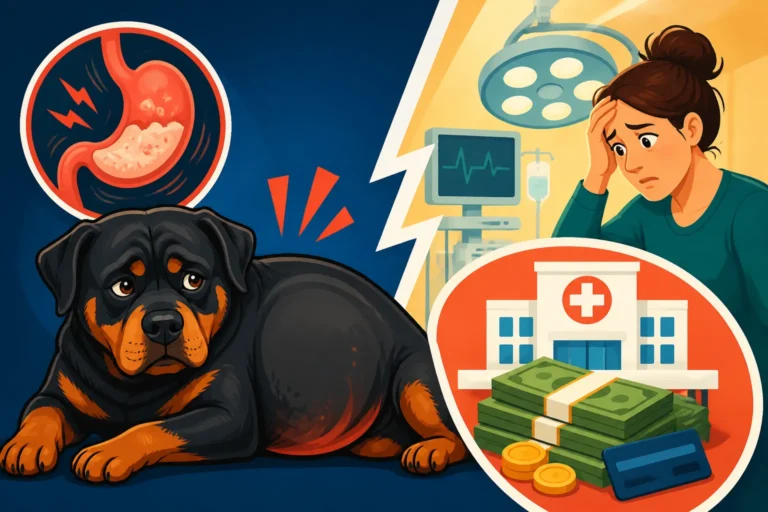
Consider the heartbreaking reality that many owners face when their initially inexpensive puppy starts exhibiting signs of severe health issues within its first few years. The financial burden can be immense, leading to difficult choices about treatment, and the emotional toll is often far greater. The short-term gain of a lower purchase price quickly turns into a long-term struggle, both financially and emotionally. This crucial point is explored further in discussions like Why an $800 Rottweiler Puppy Costs More Later.
Understanding General Puppy Price Factors
Beyond the critical aspect of health testing, several other factors generally influence the price of a Rottweiler puppy, even from less reputable sources. These might include the breeder's geographic location, the demand for Rottweiler puppies in that area, whether the puppies have received their initial vaccinations and deworming treatments, and if they've been microchipped. Sometimes, a puppy's perceived "quality"—such as its specific markings or adherence to a visual breed standard—can also play a role in its price, though without proper health and temperament evaluations, this can often be superficial.
However, these basic expenses for vaccinations, deworming, and initial vet checks are standard for nearly any puppy, regardless of the breeder's ethical commitment. They represent only a small fraction of the true investment required to produce a well-bred, healthy litter. What genuinely differentiates the pricing, and justifies the higher cost from a reputable breeder, is the profound investment made in the parent dogs long before conception. This encompasses extensive health screenings, optimal nutrition, top-notch veterinary care, and even professional training for the breeding stock, all contributing to a robust genetic foundation for the puppies.
When you see the price for a Rottweiler puppy from a reputable breeder, remember that you are not just paying for a cute face. You are paying for the immense time, dedicated effort, and substantial financial commitment that has been poured into ensuring that puppy has the best possible start in life, both genetically and developmentally. Ethical breeders often commit significantly to ongoing education, maintaining excellent facilities, and providing an enriched, nurturing environment for their dogs. All these elements directly factor into the final puppy price, ensuring you receive a sound, well-adjusted companion. For a broader view of what to expect, you might look into typical Rottweiler Puppy Prices From $1,000 to $2,500.
The Essential Investment in Health Clearances for Breeding Parents
The cornerstone of responsible Rottweiler breeding, and the primary driver behind a higher puppy price, is the exhaustive health testing performed on the parent dogs. This isn't just a suggestion; it's a non-negotiable standard for anyone serious about the long-term health of the breed. These tests target specific genetic conditions known to affect Rottweilers, significantly reducing the likelihood of passing these debilitating issues to future generations.
Orthopedic Evaluations: Hips and Elbows
For large and powerful breeds like the Rottweiler, orthopedic issues, especially hip and elbow dysplasia, are significant hereditary concerns. These conditions, which can lead to painful arthritis, lameness, and reduced mobility, are passed down from parents to offspring. An ethical breeder will ensure their breeding dogs undergo rigorous X-ray evaluations by a recognized organization like the Orthopedic Foundation for Animals (OFA). Critically, these evaluations are conducted when the dogs are at least 24 months old, as this ensures their growth plates have fully closed and their joints are mature enough for an accurate assessment. This waiting period itself is a commitment, requiring the breeder to wait two full years before breeding their dogs.
The process for these X-rays is neither simple nor inexpensive. It typically requires sedation for the dog to ensure proper positioning and comfort, and the images are then submitted to a panel of board-certified veterinary radiologists for expert grading. For hips, the scores range from Excellent to Dysplastic, with only dogs graded Fair, Good, or Excellent being considered suitable for breeding. For elbows, the goal is a Normal grade. This thorough and costly screening process dramatically lowers the chance of puppies inheriting these painful conditions, which can lead to immense suffering and exorbitant veterinary bills later in life. Imagine the distress and expense if your young Rottweiler required complex surgeries for severe hip dysplasia—a scenario that dedicated health testing actively works to prevent. You can learn more about this crucial process in articles like Rottweiler Hip Dysplasia and the OFA Grade and Rottweiler Elbow X-Rays Taken at Twenty-Four Months.
When a reputable breeder presents you with official OFA certificates for both parents of your potential puppy, you are looking at hundreds, often thousands, of dollars in specialized veterinary and diagnostic fees. These documents are far more than just paper; they are tangible proof of a breeder's commitment to producing structurally sound dogs, thereby minimizing your future risk of dealing with conditions that might require extensive rehabilitation, pain management, or even joint replacement surgeries, which can cost well into five figures over a dog's lifetime. This critical dedication to screening is thoroughly outlined in resources such as Rottweiler Hips and Elbows and the 24-Month Rule.
Cardiac and Eye Certifications
Orthopedic health is vital, but Rottweilers are also susceptible to other hereditary conditions, particularly affecting the heart and eyes. One of the most serious cardiac concerns is Subaortic Stenosis (SAS), a potentially fatal heart defect that can lead to sudden death or heart failure. Responsible breeders have their breeding dogs examined by a board-certified veterinary cardiologist. This often includes an echocardiogram, a specialized ultrasound of the heart, to thoroughly screen for SAS and other congenital heart abnormalities. A clear certification from a cardiologist is a testament to the parents' genetic soundness in this critical area, ensuring they are free from passing on such a life-threatening defect. These specialized heart evaluations represent another substantial financial outlay but are absolutely essential for a healthy breeding program.
Eye health is equally important for a Rottweiler's quality of life. The breed can inherit several ocular conditions, such as entropion (where the eyelid rolls inward, causing irritation) or progressive retinal atrophy (PRA), which can lead to eventual blindness. Ethical breeders ensure their breeding dogs undergo regular eye examinations by a board-certified veterinary ophthalmologist. These certifications, often part of the OFA's Eye Certification Registry (CAER) program, are typically renewed annually or every few years to confirm the breeding stock remains clear of these hereditary eye diseases. While less common among casual breeders, these comprehensive eye exams are a clear indicator of a truly dedicated and responsible breeding program.
These specialized veterinary visits and consultations with highly trained specialists add another layer to the overall investment that contributes to the cost of a well-bred puppy. Each of these certifications builds a comprehensive health profile for the parent dogs, providing you with significantly greater assurance that your puppy will grow up with robust eyesight and a strong heart. This proactive approach to preventing inherited diseases is a hallmark of ethical breeding. To understand the full scope of these evaluations, you can refer to The Five Clearances a Rottweiler Breeder Must Have and Rottweiler Heart Disease and Subaortic Stenosis.
Genetic DNA Testing for JLPP and Other Conditions
The revolution in genetic testing has provided breeders with powerful tools to screen for specific inherited diseases at a DNA level, offering precise insights into a dog's genetic makeup. For Rottweilers, one of the most crucial and devastating genetic conditions is Juvenile Laryngeal Paralysis & Polyneuropathy (JLPP). This severe neurological disorder affects puppies, typically appearing between 3 to 6 months of age, and can manifest as difficulty breathing, changes in bark, problems swallowing, and progressive weakness, eventually leading to full paralysis. It’s a recessive condition, meaning a puppy must inherit the problematic gene from both parents to be affected. However, a "carrier" parent, who remains perfectly healthy themselves, can still pass on the gene.
Responsible breeders stringently test their breeding stock for JLPP using a simple, non-invasive cheek swab DNA test. While the cost of this test is relatively low compared to orthopedic X-rays or cardiac evaluations, its importance is paramount and non-negotiable. Ethical breeders ensure that at least one parent of a litter is "clear" of the JLPP gene. This guarantees that no affected puppies will be produced, even if the other parent is a carrier. If both parents are carriers, they should never be bred together. The results of this DNA test offer immense peace of mind to prospective puppy owners, reassuring them that their new companion will not suffer from this heartbreaking and often fatal condition. For more detailed information, consult JLPP and the Rottweiler DNA Test.
Beyond JLPP, the field of canine genetics is constantly evolving, with new DNA tests emerging for other conditions prevalent in Rottweilers. While not all are as universally recognized or mandated as JLPP, a truly committed breeder will proactively investigate and utilize any available genetic tools to further improve the health and well-being of their bloodlines. These DNA tests eliminate much of the guesswork associated with inherited diseases, providing concrete proof of genetic health and further justifying the price difference. It’s a vital safeguard against inherited conditions that can lead to immense suffering for the dog and significant financial and emotional burdens for the owner. This thorough approach to genetic health is also part of The Five Evaluations a Rottweiler Needs for CHIC.
How Health Testing Impacts a Puppy's Lifelong Well-being and Your Wallet
The decision to invest in a Rottweiler puppy from health-tested parents isn't just about an upfront cost; it's a profound investment in the dog's entire life. This choice directly translates to a healthier, happier companion for years to come, and surprisingly, can also lead to significant long-term financial savings for you.
Preventing Common and Costly Rottweiler Health Issues
The most immediate and impactful benefit of health-tested parents is the drastically improved likelihood of receiving a healthier puppy. When a breeder meticulously screens their breeding stock for hereditary conditions like hip and elbow dysplasia, Subaortic Stenosis, and JLPP, the chances of your puppy developing these specific, often debilitating issues are dramatically reduced. While no breeder can offer a 100% guarantee—as genetics are complex and environmental factors always play a role—responsible health testing significantly stacks the odds in your favor for a long and healthy life.
Consider the stark contrast. A puppy acquired from untested parents might initially feel like a financial win due to a lower purchase price. However, if that puppy later develops severe hip dysplasia, you could be facing multiple invasive surgeries, extensive and costly physical therapy, and a lifetime of expensive pain medication. A single total hip replacement can cost upwards of $5,000 to $7,000 per hip, and many dogs require bilateral surgery. If your dog unfortunately inherits JLPP, the prognosis is often grim, leading to immense suffering and the difficult, heartbreaking decision of euthanasia at a young age. These are not minor ailments; they are major, life-altering conditions for your dog, with corresponding veterinary bills that can quickly escalate into the tens of thousands of dollars.
When viewed against these potential future expenses, the higher initial cost for a health-tested puppy begins to make undeniable financial sense. It's a proactive investment that safeguards you from potentially immense financial and emotional strain further down the road. This perspective shifts the focus from "how much is this puppy today?" to "how much will this dog truly cost me over its entire lifetime?" When you factor in the immeasurable value of a healthy companion and your own peace of mind, the premium for a well-bred Rottweiler becomes not just sensible, but a deeply responsible choice.
Long-Term Veterinary Savings and Quality of Life
Beyond the avoidance of catastrophic genetic conditions, a puppy from health-tested parents generally possesses a more robust constitution overall. This often translates into fewer routine veterinary issues throughout its lifespan. A dog that is not predisposed to chronic allergies, debilitating orthopedic pain, or serious heart conditions will typically require fewer veterinary visits, less medication, and will naturally enjoy a much higher quality of life. This benefit isn't solely about saving money; it's profoundly about witnessing your beloved Rottweiler thrive, active and comfortable, without the constant need for medical interventions or managing persistent discomfort.
Imagine the advantages: less frequent trips to the veterinarian for lameness, fewer specialist consultations, and a reduced reliance on expensive prescription diets or long-term medications for chronic ailments. These "invisible" savings accumulate significantly over the average 8 to 10 years of a Rottweiler’s life. While regular preventive care, feeding a high-quality diet (perhaps sourced from Chewy or specialized fresh options like Ollie), and consistent exercise remain crucial, starting with a strong genetic foundation makes managing your dog's health considerably easier. It frees you to concentrate on positive reinforcement training, extensive socialization, and simply enjoying the profound companionship of your dog, rather than being constantly preoccupied with managing health crises.
Even with the most meticulous health testing, unforeseen accidents or sudden illnesses can still occur. This is precisely where comprehensive Rottweiler Pet Insurance and the $204 Average becomes an invaluable safety net. Companies like Healthy Paws offer various coverage plans that can significantly offset unexpected veterinary bills. However, owning a health-tested dog can mean fewer claims for genetic conditions that might otherwise be considered "pre-existing" by insurers if they manifest due to poor breeding practices. By starting with a genetically sound puppy, your pet insurance can truly function as protection against the unpredictable, rather than a necessity for inherited ailments that could have been avoided.
Peace of Mind for the Owner
Perhaps one of the most priceless aspects of opting for a health-tested Rottweiler puppy is the profound peace of mind it offers. Knowing that your breeder has diligently undertaken every possible measure to mitigate the risks of inherited diseases allows you to relax and truly enjoy your new family member. You can watch your puppy grow, learn, and develop into a magnificent adult Rottweiler without the constant, gnawing worry that a genetic time bomb might be ticking away, waiting to manifest a debilitating illness.
Owning a Rottweiler represents a significant commitment—these loyal, intelligent, and powerful dogs integrate deeply into their families. The emotional burden of witnessing a beloved pet suffer from a preventable genetic disease is immeasurable. The feelings of guilt, the relentless worry, and the agonizing decisions surrounding expensive, often futile, treatments are burdens no pet owner should have to endure if they can be avoided. By choosing a reputable breeder who prioritizes and performs comprehensive health testing, you are investing in a future characterized by less anxiety and far more joyous, carefree moments with your cherished Rottweiler.
This invaluable peace of mind also extends to your relationship with your breeder. A truly ethical breeder will not only stand firmly behind the health and temperament of their puppies but will also remain a readily available resource for support, advice, and guidance throughout your dog's entire life. This long-term relationship is an integral part of the value proposition when you choose a breeder who demonstrates such deep care through health testing. They are not merely completing a transaction; they are entrusting you with a precious life, secure in the knowledge that they have done everything in their power to ensure its health and well-being.
The Ethical Breeder's Commitment Beyond Just Tests
While health testing is a cornerstone, the commitment of an ethical Rottweiler breeder extends far beyond the mere execution of genetic and orthopedic screenings. Their dedication is a holistic approach to the breed, focusing on temperament, socialization, and lifelong support, all of which contribute to the higher price of their puppies.
Transparency and Ongoing Support
A truly ethical breeder understands that their responsibility to their puppies and their new families doesn't end the moment the puppy leaves their home. Transparency is paramount: they will openly share all relevant documentation, including official health test results for both parents (OFA, cardiac, eye certifications), pedigrees, and often even detailed information about any minor physical traits their dogs may possess. They anticipate your questions and are eager to provide a comprehensive folder of this vital information with your puppy, demonstrating that you have every right to know the full health and lineage background of your new family member.
Furthermore, an ethical breeder offers invaluable, ongoing support throughout your dog's life. They become a trusted resource for advice on everything from training and nutrition to health concerns and behavioral questions. This mentorship is incredibly valuable, especially when navigating the unique needs of a powerful and intelligent breed like the Rottweiler. They genuinely care about the welfare and development of every puppy they bring into the world, often desiring to stay in touch, receive updates, and celebrate milestones with you and your dog.
This unwavering commitment to transparency and continuous support is a significant component of the higher puppy price. It reflects the immense time, expertise, and emotional investment a breeder dedicates to fostering strong, lasting relationships with their puppy buyers, often serving as a knowledgeable mentor for years. These breeders are driven by a passion for the breed's future and the individual well-being of each dog, not just by making a sale.
Lifelong Commitment to the Breed
Ethical breeders view their role as vital custodians of the Rottweiler breed, dedicating themselves to its continuous improvement. Their ultimate goal is to produce healthier, more stable, and more conformationally correct Rottweilers with each successive generation, meticulously preserving the breed's historical health, temperament, and adherence to the established breed standard. This profound commitment involves careful selection of breeding pairs, which often necessitates traveling to breed their females to top-quality males, or even importing dogs from abroad, both of which incur substantial expenses. They invest countless hours researching pedigrees, attending dog shows to evaluate their stock against the standard, and actively participating in breed clubs to deepen their knowledge and contribute positively to the breed community.
This deep, unwavering commitment is further evidenced by a crucial clause often found in their puppy contracts: the "return to breeder" guarantee. A responsible breeder will stipulate that, at any point in its life, if an owner can no longer care for a dog they bred, that dog must be returned to them. This provides an invaluable safety net, ensuring that no Rottweiler they have produced ever ends up in a shelter or in an unsuitable home. This policy unequivocally demonstrates that their commitment to the welfare of their dogs is truly lifelong, prioritizing the dog's well-being above all else. This stands in stark contrast to backyard breeders or puppy mills, who frequently disappear or refuse responsibility once a sale is made.
The price of a puppy from such a dedicated breeder intrinsically reflects this profound, lifelong dedication. When you purchase from an ethical source, you are not merely acquiring a dog; you are actively supporting a breeding program that champions the health, integrity, and future of the entire Rottweiler breed. You become a part of a responsible network, united by a shared passion for these magnificent animals.
Navigating Puppy Contracts and Health Guarantees
When you choose a reputable, health-tested Rottweiler breeder, you'll be presented with a comprehensive puppy contract. This isn't just a formality; it's a legally binding document designed to protect both you and the breeder, outlining expectations and responsibilities. Understanding its contents, particularly the health guarantee clauses, is paramount.
Understanding Health Guarantees and Warranties
A well-structured puppy contract from an ethical Rottweiler breeder will always include a robust health guarantee or warranty. This crucial section details the breeder's accountability should a serious, genetically-linked health issue—especially those directly related to the conditions for which the parents were tested, such as hip/elbow dysplasia, Subaortic Stenosis, or JLPP—manifest within a specified timeframe, typically ranging from one to three years. This is a testament to the breeder's confidence in their breeding program and the health of their puppies.
These guarantees can vary in their specifics. Some might offer a partial refund of the purchase price, while others may provide a replacement puppy from a future litter. In certain situations, the breeder might offer to assist with veterinary costs up to a certain amount, often the original purchase price of the puppy. It is absolutely essential that you meticulously read and fully understand every single clause within this guarantee. You need to know precisely what conditions are covered, the specific timeframe for coverage, and what documentation (e.g., veterinary reports, diagnostic imaging) you would need to provide in the unfortunate event of a claim. A responsible and transparent breeder will take the time to thoroughly discuss these terms with you, ensuring you are completely comfortable and informed before signing. This level of accountability is a definitive differentiator, setting ethical breeders apart from casual or irresponsible sources who rarely offer anything beyond a basic, often vague, bill of sale.
This comprehensive health guarantee, directly backed by the breeder's significant investment in health testing, provides an invaluable layer of both financial and emotional security for you. It serves as powerful reinforcement that the breeder genuinely stands by the health and quality of their puppies. While it doesn't eliminate the possibility of any future vet bills (as accidents and non-genetic illnesses can always occur), it does offer vital recourse for the major, preventable genetic conditions that health testing is specifically designed to circumvent. This peace of mind and security are integral components of the value you receive and the justification for the higher price of a well-bred Rottweiler puppy.
Spay/Neuter Clauses and Breeding Rights
A common and important provision found in the majority of puppy contracts for "pet-quality" Rottweilers purchased from reputable breeders is a mandatory spay/neuter clause. This clause requires you, as the new owner, to have your puppy altered (spayed if female, neutered if male) by a specific age, typically between 12 to 24 months, and to provide official veterinary proof to the breeder. This policy is put in place for several crucial reasons: to prevent accidental or unplanned litters, to ensure that only carefully selected, health-tested, and conformationally sound dogs contribute to the future gene pool, and to promote the overall health and well-being of the individual pet dog. These contracts are meticulously designed to actively discourage irresponsible breeding practices that could harm the breed.
Should you have aspirations of breeding your Rottweiler or participating in conformation showing, an ethical breeder will offer a distinct contract for "breeding rights" or "show prospects." This type of contract comes with a significantly higher purchase price and typically includes more stringent requirements. These often involve actively showing the dog to achieve specific titles, completing all required health clearances at the appropriate ages, and adhering strictly to the breed standard and the breeder's mentorship. This clear distinction is absolutely crucial for maintaining the genetic integrity and overall health of the breed, as it ensures that only the best examples are considered for breeding. It unequivocally demonstrates the breeder's dedication to responsible dog ownership and a commitment to population management within the breed.
The inclusion of such specific clauses within the contract further emphasizes the breeder's profound commitment to the long-term welfare of both the individual puppy and the Rottweiler breed as a whole. They are not merely completing a transaction; they are entering into a partnership with you, securing an agreement that ensures this Rottweiler will live a healthy, responsible, and fulfilling life. This deep-seated commitment to safeguarding the breed's future and promoting ethical ownership is another significant facet of the comprehensive value reflected in the price of a conscientiously bred puppy.
Comparing Costs: Untested vs. Health-Tested Puppies
It's natural for potential dog owners to focus heavily on the initial purchase price of a puppy. However, understanding the true financial commitment requires looking beyond that first payment and considering the long-term, lifetime expenses. This comparison often reveals that the "cheaper" puppy can become exponentially more expensive down the road.
The Initial Price Tag Versus Lifetime Expenses
Let's be direct about it: the upfront cost of a Rottweiler puppy from a reputable, health-testing breeder is indeed higher. You might expect to pay anywhere from $2,000 to $3,500, and sometimes even more, depending on the pedigree of the parents, the breeder's reputation, and their geographical location. In contrast, a "bargain" puppy from a backyard breeder might be advertised for $800 to $1,500. It’s incredibly tempting to focus solely on this price difference, but this is a shortsighted view that often ignores the vastly greater financial implications over the dog's lifespan. The real cost of owning a dog isn't confined to the purchase price; it encompasses years of food, routine vet care, training, supplies, and crucially, potential emergency and specialized medical treatments.
Consider the following hypothetical scenario to illustrate this point:
- Untested Puppy A: You purchase this puppy for $1,000. At 18 months, it unfortunately develops severe hip dysplasia, requiring a costly surgery that runs $6,000. A few years later, chronic arthritis sets in, necessitating lifelong pain medication at an average cost of $50 per month, which accumulates to $600 per year. Over a typical 5-year period post-diagnosis, this adds an additional $3,000. The total extra vet costs for preventable conditions alone would be $9,000.
- Health-Tested Puppy B: You invest $2,500 in this puppy from a reputable, health-tested breeder. Thanks to the careful breeding, this dog does not develop any major genetic health issues that the parents were screened for. Apart from routine veterinary care and unforeseen accidents (which can happen to any dog), there are no significant extra vet costs attributable to preventable genetic conditions.
In this realistic scenario, Puppy A, despite being initially cheaper by $1,500, ultimately costs the owner an additional $9,000 in vet bills that could have been avoided. This brings their total investment (purchase price + extra vet bills) far above that of Puppy B. This doesn't even begin to account for the immense emotional cost, the time spent managing a sick dog, or the potential reduction in quality of life for Puppy A. The true The Lifetime Cost of One Rottweiler can be substantial, and starting with a healthy genetic foundation is unequivocally the most financially prudent choice in the long run.
This table provides a clear illustration of how deceptive initial savings can be when genetic health issues eventually surface. The peace of mind, combined with significantly lower long-term veterinary bills associated with a health-tested puppy, represents an immense value that far outweighs the higher upfront cost.
| Factor | Untested Puppy (Example) | Health-Tested Puppy (Example) |
|---|---|---|
| Initial Purchase Price | $800 – $1,500 | $2,000 – $3,500 |
| Potential Vet Bills (Hips/Elbows, Heart, JLPP) | $5,000 – $20,000+ (for surgery, meds, specialist care) | Minimal to none for these specific conditions (barring unforeseen accidents/illness) |
| Medication for Chronic Pain/Illness | $50 – $200+ per month, potentially lifelong | Minimal to none related to genetic predispositions |
| Specialist Consultations | Frequent, potentially costly | Rare for genetic conditions |
| Emotional Stress & Burden | High, due to dog's suffering and financial strain | Low, confidence in genetic health |
| Dog's Quality of Life | Potentially compromised by pain, limited activity | High, robust health for an active life |
| Breeder Support Post-Purchase | Often non-existent or unreliable | Lifelong, knowledgeable resource |
| Health Guarantee in Contract | Unlikely or very limited | Comprehensive, detailed, and legally binding |
The Role of Pet Insurance in Mitigation
Even with the most meticulously health-tested puppy, it's a fact of life that unexpected accidents, injuries, or non-genetic illnesses can still occur. This is precisely where investing in pet insurance becomes an incredibly valuable and responsible financial tool for any dog owner. Companies like Healthy Paws, Embrace, or Pets Best offer a variety of plans designed to cover a significant portion of your veterinary expenses, ranging from emergency accidents to sudden, unforeseen illnesses. While a health-tested puppy inherently carries a much lower risk of incurring bills for major genetic conditions that were screened for, having pet insurance provides a crucial safety net for everything else life might throw your way.
The strategic advantage of obtaining pet insurance is amplified when you enroll your Rottweiler puppy early, ideally before any health conditions (genetic or otherwise) have manifested. Most reputable pet insurance policies will then cover a wide array of future medical needs, including those not directly linked to genetics, provided they are not considered "pre-existing conditions" from before you acquired coverage. This proactive approach further protects your overall financial investment and ensures that you can always provide the best possible care for your beloved companion without facing crushing financial hardship. However, it's absolutely crucial to thoroughly understand what a specific Rottweiler Pet Insurance and the $204 Average policy will and will not cover, especially regarding any waiting periods or specific exclusions.
When you're meticulously budgeting for your new Rottweiler, it's wise to consider the comprehensive financial picture: the initial puppy price, the ongoing expenses for high-quality food (whether from a convenient online retailer like Chewy or premium fresh options like Ollie), and the monthly premium for pet insurance. These combined costs represent a realistic and responsible financial commitment to providing a healthy, fulfilling life for your Rottweiler. While the initial investment in a health-tested puppy is indeed higher, it dramatically reduces your risk of having to file substantial claims for preventable genetic conditions, thus allowing your pet insurance to function as a true safety net for the unpredictable, rather than a necessary expenditure for inherited ailments that, with responsible breeding, could have been largely avoided.
Disclaimer
This article is for general informational purposes only and does not constitute professional advice. Laws, prices and regulations vary by location and change over time. Consult a qualified professional for guidance on your specific situation.