The Mastiff-Type Ancestors Behind the Rottweiler
It's quite a thing to stand beside a Rottweiler, feeling their immense power and calm presence, and wonder about the deep currents of history that flow through their veins. Many people are curious about where these magnificent dogs truly came from, often hearing whispers of Roman legions and ancient cattle drives, but the full story of their Mastiff-type ancestors is a richer tapestry than a simple soundbite. This guide will take you on a journey back through time, exploring the formidable and often overlooked forebears that shaped the Rottweiler into the distinctive, self-assured companion we know today, connecting the dots from ancient war dogs to the loyal guardians of Rottweil's butchers.
The Roman Empire and Its Drover Dogs
To truly understand the Rottweiler's origins, we have to travel back thousands of years to the sprawling Roman Empire. Imagine a time when vast armies marched across continents, not just with soldiers, but with entire logistical support systems, including livestock for food. These weren't small, dainty animals; they were strong, resilient cattle, and they needed equally strong, resilient dogs to manage them on epic journeys. This is where the Rottweiler's story truly begins, far from the modern show ring or family home.
The Molossus Dogs and Their Role
The ancient Romans utilized a variety of large, powerful dogs, often collectively referred to as Molossus dogs, named after the region of Molossia in ancient Epirus (modern-day Greece and Albania). These weren't a single, uniform breed in the way we understand breeds today, but rather a type of heavy, muscular dog known for its formidable presence, strength, and protective instincts. They were truly the ancient world's all-purpose working dogs. Some were massive war dogs, trained to run alongside legions and engage enemies, while others served as guardians for property and livestock. Their sheer size and intimidating demeanor were invaluable in a world where security was a constant concern.
These dogs weren't just big; they were built for purpose. Their strong jaws, powerful bodies, and inherent bravery made them indispensable. When you look at the broad skull and robust build of a modern Rottweiler, you're seeing echoes of these ancient giants. They were the security guards and farmhands of their era, capable of handling large, sometimes aggressive, animals and protecting human assets with unwavering loyalty.
Military Campaigns and Canine Companions
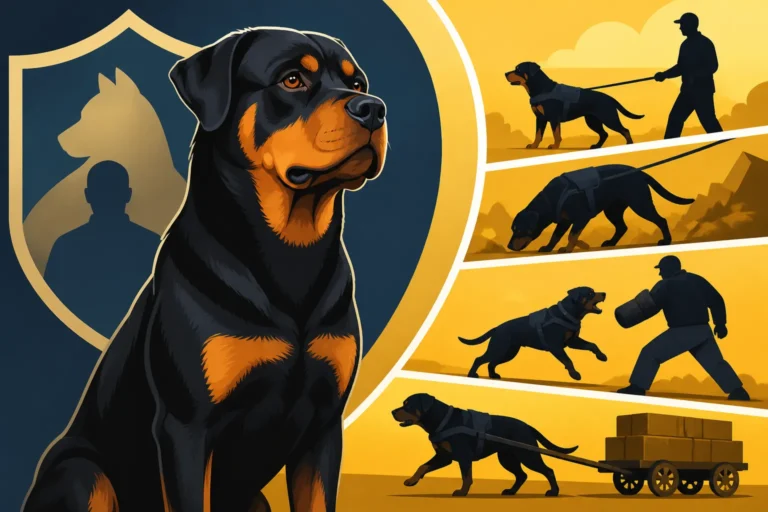
As the Roman legions pushed their boundaries across Europe, these Molossus-type dogs marched alongside them. The soldiers depended on their dogs for many tasks beyond just fighting. Picture a legion making its way through unknown territory – not only did they need protection from wild animals and potential raiders, but they also needed to move their food supply, which often came in the form of herds of cattle. This is where the droving instinct, a cornerstone of the Rottweiler's heritage, truly developed and was honed.
These dogs were essential for keeping the herds together, pushing them forward, and guarding them overnight. Their presence deterred scavengers and kept the cattle from straying too far. This wasn't just a casual stroll; these were arduous journeys over mountains and through valleys, requiring dogs with incredible stamina and a keen sense of responsibility. The Roman military didn't just have dogs; they relied on them as vital members of their logistical operations, a testament to their intelligence and working capabilities. It's truly fascinating to consider How Roman Legions Used Their Drover Dogs to sustain their vast movements.
Cattle Droving as a Primary Function
While some Molossus dogs specialized in combat or guarding static locations, a significant branch of these early Mastiff-types developed an unparalleled aptitude for droving cattle. This was a challenging job. Cattle can be stubborn, strong, and unpredictable. A drover dog needed to be brave enough to confront a wayward steer, agile enough to maneuver around a herd, and intelligent enough to respond to commands without hesitation. They learned to control movement by body blocking, nipping at heels (though carefully, to avoid injury), and using their imposing presence.
This isn't to say they were "herding" in the same nimble, quick-footed style of a Border Collie. These were heavy-boned, powerful dogs who pushed and controlled rather than rounded up. They were more about force and intimidation, ensuring the livestock moved in the desired direction. This deep-seated instinct for controlling large animals is something that still resonates within the Rottweiler breed today, manifesting in their natural desire to be "in charge" and their powerful, purposeful gait. The Romans understood the value of these dogs in keeping their armies fed, truly highlighting What the Romans Fed Their Armies on the March and the logistics involved.
The Journey Across the Alps: Settling in Rottweil
As the Roman Empire expanded, its legions established outposts and settlements far from Rome. One such strategic location was in what is now southern Germany, an area that would eventually lend its name to our beloved breed: Rottweil. The dogs that accompanied the Romans on these northern expeditions became the foundational stock for the modern Rottweiler.
The Route to Southern Germany
The journey across the formidable Alps into Germanic territories was no easy feat for humans or animals. These weren't quick trips; they were slow, methodical movements of entire legions, their supplies, and their livestock. The dogs that survived and thrived on these arduous routes were naturally the strongest, most resilient, and most adaptable of their kind. They had to endure harsh climates, rugged terrain, and the constant threat of danger.
As the Romans established settlements like "Rottweil," which translates to "red tile" (referring to the Roman villas with their distinct red tile roofs), their dogs settled with them. These communities became melting pots where Roman culture, and Roman dog types, mingled with local Germanic traditions and indigenous dog breeds. It was a gradual process of adaptation and interbreeding, laying the groundwork for a new, distinctive regional dog. This deep historical connection illustrates How the Rottweiler's Ancestors Reached Germany and shaped their future.
Rottweil: A Roman Outpost and Cattle Hub
The town of Rottweil, strategically located along important trade routes, eventually grew into a thriving medieval market town, particularly famous for its cattle trade. This environment was absolutely crucial for the development of the Rottweiler. With butchers and cattle dealers needing robust dogs to manage, drive, and guard their livestock, the descendants of the Roman drover dogs found their calling. The demand for strong, capable working dogs was immense.
The local dogs, descended from the Roman Molossus types, were perfect for this role. They were powerful enough to handle stubborn cattle, intelligent enough to follow complex commands, and protective enough to guard the butcher's earnings against thieves. The economic prosperity of Rottweil, fueled by its cattle market, ensured a continuous need for these dogs, solidifying their place in the community. You can almost picture What Was Traded in Rottweil's Cattle Market, with these dogs right in the thick of it all.
Integration with Local Breeds
While the Roman drover dogs provided the core genetic material, it's highly probable that they interbred with various local German breeds over centuries. This kind of natural selection and regional crossbreeding is common in the development of many working breeds. The specific local dogs they encountered would have contributed to the Rottweiler's unique characteristics, helping to refine their suitability for the German climate and the specific demands of the butcher's trade.
This integration wasn't about creating a "designer dog"; it was a practical evolution. Dogs that were most effective at their jobs – whether it was moving cattle, guarding property, or deterring threats – were the ones that were most valued and thus bred. Over generations, a distinct type of dog emerged in Rottweil, perfectly suited to its environment and purpose. This blend of ancient strength and local adaptation resulted in a dog that was uniquely Rottweil's own.
Developing the "Metzgerhund": The Butcher's Dog
The direct ancestors of today's Rottweiler became so intrinsically linked with the butchers of Rottweil that they earned the moniker "Metzgerhund," or "butcher's dog." This wasn't just a nickname; it was a job title, reflecting their indispensable role in the daily lives of these tradesmen.
The Butcher's Need for a Robust Dog
Butchers in Rottweil had a tough, physically demanding job. They dealt with large, often unruly, cattle, transported meat, and handled significant sums of money in an era without modern banking. They needed a dog that was not only strong enough to control livestock but also steadfast and protective. A flimsy, easily intimidated dog simply wouldn't cut it. The Metzgerhund became synonymous with reliability and strength.
These dogs were integral to the butcher's livelihood. They would walk alongside the herds, keeping them in line on the journey to market, and then stand guard over the butcher's stall. Their imposing presence alone was often enough to deter theft and keep order. This strong bond between the butchers and their dogs fostered an intelligent, dependable, and intensely loyal companion, crucial for the success of their trade. You can learn more about What a Metzgerhund Did in a Day's Work to really grasp their significance.
Guarding Goods and Money
Perhaps one of the most famous anecdotes about the Metzgerhund involves their role in safeguarding the butcher's profits. After a long day at the cattle market, selling meat and livestock, butchers would often carry their earnings in a purse or pouch. It was common practice to tie this money bag around the neck of their Rottweiler, trusting the dog's formidable reputation and protective instincts to keep their hard-earned cash safe. Imagine the confidence a butcher must have had in his dog to do this!
This practice speaks volumes about the Metzgerhund's temperament. They were not just strong; they were deeply loyal and possessed a natural discernment, knowing who belonged and who didn't. This inherent guarding instinct is a hallmark of the modern Rottweiler. They are observant, often appearing aloof to strangers, carefully assessing a situation before deciding on a course of action. This watchful nature is a direct inheritance from those early days when their very presence meant security.
Carting as a Key Task
Beyond droving and guarding, the Metzgerhund also excelled at carting. Before the advent of railways and motor vehicles, dog carts were a common method for transporting goods, especially meat, from farms to market, or between different parts of town. Given their strength and muscular build, the Rottweilers were perfectly suited for pulling heavy loads. They provided a reliable, strong, and relatively inexpensive form of transport.
These carts were often laden with cuts of meat, bones, and other butcher's supplies. The dogs would pull them through busy market streets, their powerful gait making steady progress. This role further solidified their image as robust working dogs, capable of sustained effort. Even today, some Rottweiler enthusiasts participate in carting and draft work, a wonderful nod to this ancient aspect of the breed's history. It's a vivid picture to imagine Rottweilers Pulling Meat Carts Through Town in those bustling marketplaces. When it comes to equipping a modern Rottweiler for similar activities, or simply getting the right kind of harness for their impressive build, places like Chewy are excellent resources for durable, heavy-duty gear.
The Mastiff Legacy: Physical Traits and Temperament
The influence of their Mastiff-type ancestors is undeniably etched into every aspect of the Rottweiler, from their imposing physical presence to their steadfast temperament. This legacy is what makes a Rottweiler a Rottweiler.
Physical Characteristics: Size, Bone, Head
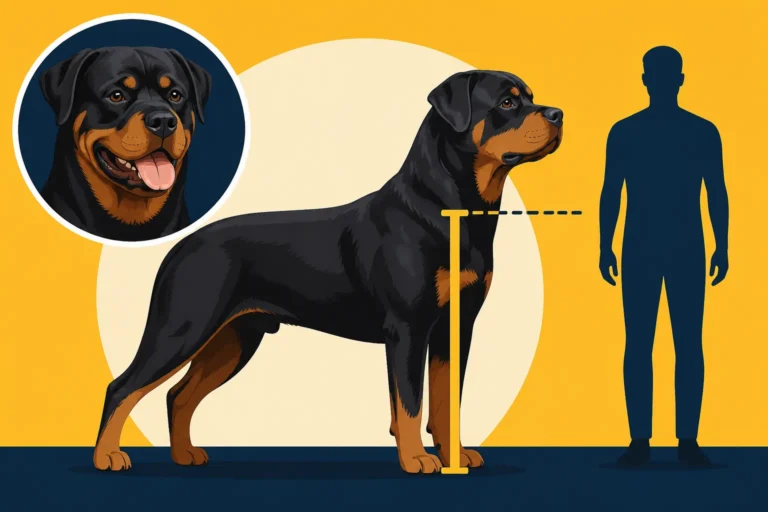
The Molossus dogs were large, heavy-boned, and powerfully built, and these traits are unmistakably present in the modern Rottweiler. You see it in their broad chest, strong shoulders, and muscular hindquarters, all designed for strength and endurance. A true Rottweiler carries significant bone, giving them a substantial, solid feel that speaks to their working heritage. They are not delicate dogs; they are built like brick houses, capable of both power and agility when needed.
Their head, too, bears the mark of their Mastiff ancestry. The Rottweiler possesses a broad skull, well-developed cheeks, and a powerful muzzle, culminating in a strong, scissor bite. This head structure is crucial for their original purpose of controlling large livestock. It's a head designed for functionality and strength, not just aesthetics. The size and overall robust structure are part of what defines Rottweiler Size Under the AKC Standard, emphasizing the importance of substance.
Temperamental Traits: Guarding and Loyalty
Perhaps the most enduring legacy of their Mastiff-type ancestors is the Rottweiler's distinctive temperament. They are renowned for their self-assured aloofness, a trait directly inherited from dogs bred to guard. They don't typically greet every stranger with effusive enthusiasm. Instead, they observe, assess, and often wait to be approached. This isn't shyness or aggression; it's a deeply ingrained caution and discernment, a key component of being an effective guardian.
Alongside this watchful nature is an incredible capacity for loyalty to their family. Once a Rottweiler accepts you into their inner circle, they are devoted and unwavering. They see themselves as protectors, and their bond with their people is profound. This deep loyalty, combined with their natural guarding instincts, makes them formidable yet loving companions. Their unique personality, often described as a "wait-and-see" approach to new people, is a direct link to their historical role as protectors. Understanding Rottweiler Temperament and That Self-Assured Aloofness is crucial for any owner.
The Role of Selective Breeding
While the initial development of the Metzgerhund was largely driven by natural selection based on their working abilities, over time, as the breed gained recognition, more deliberate selective breeding came into play. Breeders focused on reinforcing the traits that made these dogs so effective: their strength, intelligence, protective instincts, and robust health. This wasn't just about appearance; it was about preserving the working capabilities that defined the breed.
The goal was to produce dogs that consistently embodied the ideal butcher's dog – strong, resilient, intelligent, and fiercely loyal. This careful selection process, even if informal at first, helped to fix the Rottweiler type, ensuring that key characteristics were passed down through generations. This dedication to purposeful breeding continues to this day, with responsible breeders striving to maintain the working heart and sound structure of the Rottweiler.
Distinguishing the Rottweiler from Other Mastiff Types
While the Rottweiler clearly shares a lineage with various Mastiff-type dogs, it's important to recognize how the breed carved out its own unique identity. The Rottweiler isn't just "another Mastiff"; it's a distinct breed with specific characteristics refined by its history.
Comparing to Modern Mastiff Breeds
When you compare a Rottweiler to other modern Mastiff breeds like the English Mastiff, Neapolitan Mastiff, or even the Bullmastiff, you'll notice key differences. While all share a robust build, the Rottweiler typically possesses a more athletic, agile frame. English Mastiffs, for example, are generally much heavier and more profoundly "mastiffy" in their facial features, often bred more for sheer size and presence than for active working roles like droving. Neapolitan Mastiffs are known for their extreme loose skin and massive bone, bred for guarding in a much more static capacity.
The Rottweiler, while undeniably powerful, retains a level of athleticism and drive that distinguishes it. It was never primarily a "property ornament" or a purely fighting dog, but a working companion that needed to cover ground, react quickly, and engage actively with livestock. This meant a balance of power and functionality that many other Mastiff breeds, through different selective breeding paths, have moved away from.
The Rottweiler's Unique Drive and Agility
The historical role of cattle droving demanded a dog with more than just brute strength; it required significant drive, intelligence, and a surprising degree of agility for a dog of its size. A Rottweiler needed to be able to turn quickly, anticipate the movement of cattle, and possess the stamina for long days on the road. This active working history infused the breed with a distinctive drive that sets it apart.
You'll often see this in a Rottweiler's earnestness in training, their desire to have a job, and their ability to move with surprising grace despite their bulk. They are not merely powerful; they are purposeful in their movements. This active intelligence and physical capability are traits that are highly valued in performance events today, whether it's obedience, protection sports, or even therapy work. These aren't just big, strong dogs; they are capable athletes and thinkers.
Maintaining the Working Dog Ethos
The dedication to maintaining the "working dog" ethos is another distinguishing factor. While many breeds have transitioned almost entirely to companion roles, a strong current within the Rottweiler community, particularly in European lines and among working dog enthusiasts, emphasizes preserving their working abilities. This means valuing health, temperament, and drive alongside conformity to the breed standard.
This commitment ensures that the Rottweiler remains a capable, intelligent dog, true to its roots. It means that aspects like trainability, courage, and a strong work ethic are considered just as important as physical appearance. This focus on preserving their intrinsic working qualities is a powerful reminder of their lineage as active, indispensable partners to humans. The Rottweiler Inside the AKC Working Group designation itself speaks to this ongoing emphasis.
The Lasting Influence on the Modern Rottweiler
The journey from Roman drover dogs to the "Metzgerhund" has left an indelible mark on the modern Rottweiler, influencing everything from their physical form to their innate instincts and health considerations.
Echoes in Modern Rottweiler Temperament
Even today, in a Rottweiler living in a comfortable family home, you can see the echoes of their ancient ancestors. The self-assured watchfulness, the careful observation of new people or situations, and the deep, unwavering loyalty to their family are all direct inheritances. When a Rottweiler leans into you, applying their full weight, it's often seen as an expression of trust and affection, a comforting reminder of their protective nature. They were bred to be guardians, and that instinct is still very much alive.
However, this inherent guarding instinct requires responsible ownership and early socialization. A well-socialized Rottweiler understands how to distinguish between friend and foe, to accept appropriate strangers, and to behave calmly in public. Without proper guidance, these strong instincts can manifest in undesirable ways. This is why understanding Rottweiler Temperament and That Self-Assured Aloofness is paramount for owners to nurture their dog's best qualities.
Physical Robustness and Health Considerations
The Rottweiler's robust physical form, inherited from those powerful Mastiff-types, contributes to their general hardiness. They are strong, resilient dogs. However, their size and rapid growth, especially as puppies, mean they are prone to certain orthopedic issues common in large breeds. Conditions like hip and elbow dysplasia, Rottweiler Hip Dysplasia and the OFA Grade and Rottweiler Elbow Dysplasia and Front Leg Lameness are concerns that dedicated breeders screen for. The emphasis on careful nutrition during their extended growth period is also crucial to prevent developmental bone problems. You might find specialty large-breed puppy foods readily available from stores like Chewy, formulated to support their unique growth needs.
Beyond orthopedic health, Rottweilers are also known to be predisposed to certain cancers, like osteosarcoma, and heart conditions such as subaortic stenosis. These health challenges are unfortunately part of the genetic lottery for many large and giant breeds. Responsible breeding practices, focusing on health clearances and genetic testing, are vital to mitigate these risks and ensure the breed's future vitality.
The Importance of Responsible Breeding
The enduring legacy of the Rottweiler's Mastiff-type ancestors underscores the critical importance of responsible breeding practices. Reputable breeders understand that they are not just producing puppies; they are custodians of a centuries-old heritage. This means meticulously researching pedigrees, conducting comprehensive health clearances on breeding stock (including hips, elbows, heart, and eyes, and genetic tests like JLPP), and prioritizing sound temperament above all else. The Five Clearances a Rottweiler Breeder Must Have outlines these vital steps.
A responsible breeder is committed to producing dogs that are healthy, possess the characteristic Rottweiler temperament, and can fulfill the role of a beloved family companion or working partner. They aim to honor the original purpose of the Metzgerhund, ensuring that the strength, loyalty, and intelligence that defined those ancient dogs continue to thrive in future generations. Without this dedication, the remarkable history and characteristics of the Rottweiler could be diminished. When looking for a puppy, always ask for the health paperwork from both parents; it's a testament to the breeder's commitment to the breed's health.
Here’s a look at some key traits and how they evolved:
| Trait Characteristic | Roman Molossus (Ancestral Type) | Metzgerhund (Rottweil's Butcher Dog) | Modern Rottweiler |
|---|---|---|---|
| Physical Build | Massive, heavily boned, powerful | Robust, athletic, strong, durable | Muscular, compact, powerful |
| Primary Instinct | Guarding, war, herding | Droving, guarding, carting | Guarding, companionship, work |
| Temperament | Formidable, protective, fearless | Loyal, self-assured, discerning | Confident, aloof with strangers |
| Size & Weight | Very large, variable | Large, substantial, balanced | Medium to large, powerful |
| Head Shape | Broad skull, strong jaw | Broad skull, distinct stop, strong muzzle | Broad skull, distinct stop, powerful muzzle |
| Coat Type | Variable | Short, dense double coat | Short, harsh double coat |
Disclaimer
This article is for general informational purposes only and does not constitute professional advice. Laws, prices and regulations vary by location and change over time. Consult a qualified professional for guidance on your specific situation.