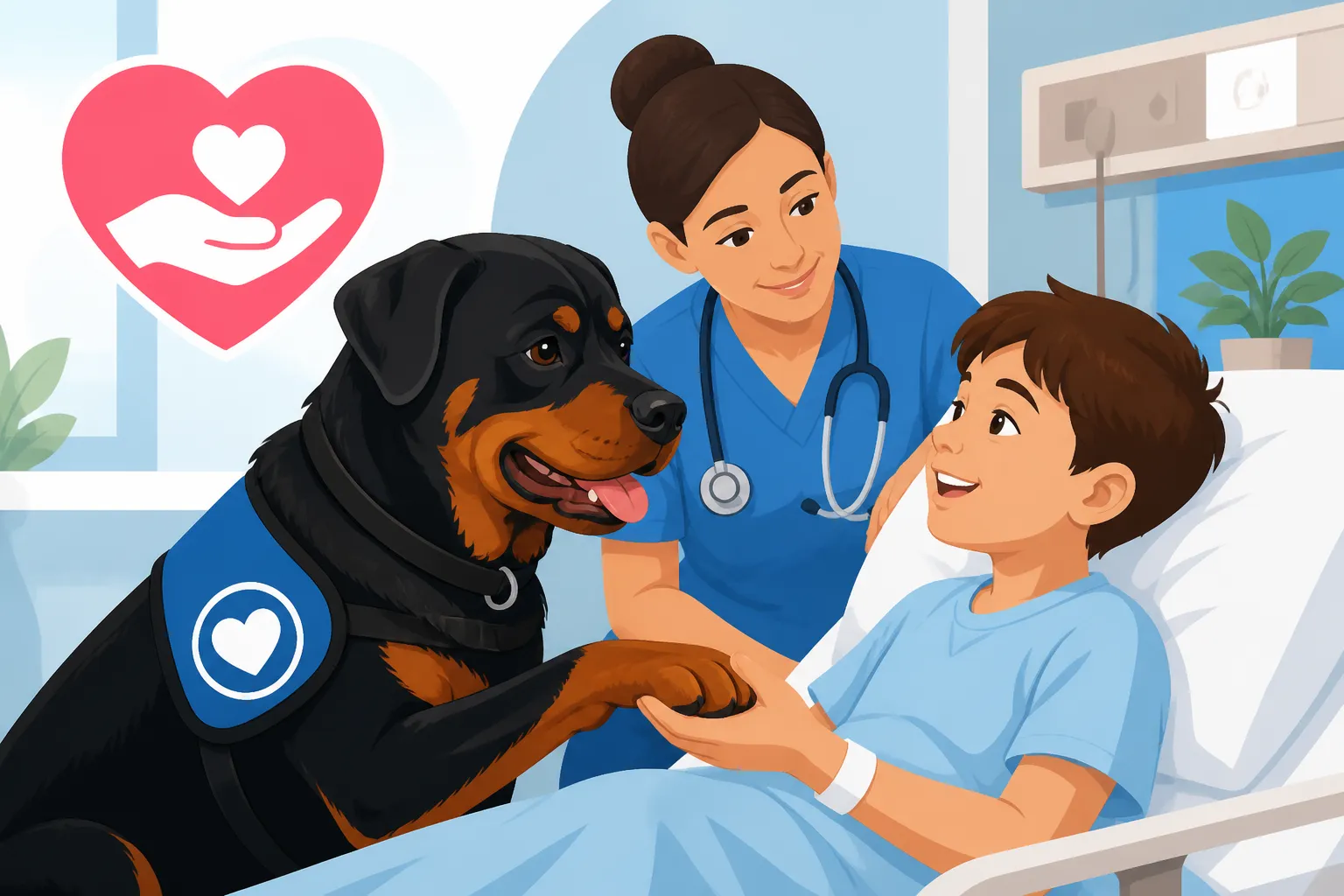
Rottweilers Working as Therapy Dogs in Hospitals
It’s easy to look at a powerful, majestic Rottweiler and see only their protective instincts, perhaps even feeling a little intimidated. But what many don't realize is that beneath that imposing exterior lies a heart of gold and a profound capacity for gentle companionship, making them surprisingly effective and beloved therapy dogs, especially in the unique and often stressful environment of a hospital. This guide will explore the specific traits that enable Rottweilers to excel in therapy work and how they bring comfort and joy to patients and staff alike.
The Unique Qualities of a Therapy Rottweiler
When you think of a therapy dog, a tiny, fluffy breed often comes to mind. But the truth is, a therapy dog's most important asset isn't its size or breed, but its temperament. Rottweilers, when properly bred and trained, possess a remarkable combination of traits that make them exceptional candidates for bringing comfort to those in need, even in challenging environments like hospitals. Their intelligence, calm demeanor, and physical presence offer a different kind of solace than a smaller dog might.
The Calm, Confident Demeanor
One of the most defining characteristics of a well-bred Rottweiler is their inherent calm and self-assured nature. They aren't typically bouncy or overly excitable, which is a huge advantage in a hospital setting where sudden movements or loud greetings could startle patients. Instead, they often approach with a quiet dignity, assessing the situation before engaging. This Rottweiler Temperament and That Self-Assured Aloofness means they can walk into a bustling hospital hallway or a quiet patient room with unwavering composure, radiating a sense of peace that can be incredibly soothing.
Imagine a patient, perhaps feeling anxious about an upcoming procedure or simply lonely, and then a calm, steady Rottweiler gently rests its head on the bed. That unwavering presence, the deep, reassuring sigh, can cut through anxiety in a way that few other interactions can. Their confidence isn't aggressive; it's a quiet strength that suggests everything is under control, offering a tangible sense of security to those who might feel vulnerable. This stoicism allows them to handle various sounds, smells, and sights in a hospital without becoming overstimulated, maintaining their gentle focus on the person they are there to comfort.
Intelligence and Trainability
Rottweilers are highly intelligent dogs, eager to please their handlers and quick to learn. This trainability is non-negotiable for a therapy dog, especially one working in a hospital. They need to understand complex commands, respond reliably to cues, and adapt quickly to changing environments and different types of interactions. This isn't just about basic obedience; it's about nuanced communication and an ability to read human emotions.
From an early age, a Rottweiler puppy destined for therapy work benefits immensely from consistent training and clear expectations. They need to learn Rottweiler Puppy Training Through the First Year thoroughly, mastering everything from "sit" and "stay" to more advanced tasks like "visit" or "leave it" to ensure they can navigate hospital settings safely and politely. Their eagerness to engage mentally makes them excellent partners for handlers who dedicate time to ongoing training, ensuring they remain sharp and responsive. This high level of focus means they can tune out distractions and concentrate entirely on the patient, making the interaction meaningful and therapeutic.
Physical Presence and Comfort
While their size can sometimes be a misconception point, a Rottweiler's substantial build can actually be a significant asset in therapy work. Their weight and sturdy frame allow them to provide a grounded, comforting presence that smaller dogs simply can't. For patients who might feel fragile or isolated, leaning into a solid, warm dog can be deeply reassuring.
Think of a patient who misses their own large dog at home, or someone who simply needs the tactile comfort of a substantial presence. A Rottweiler can settle beside a bed, their warmth radiating, or gently rest their head in a lap, offering a weighty, undeniable comfort. This physical connection can be incredibly grounding, providing a sense of security and intimacy. They can be a perfect pillow for an anxious head or a steady anchor for a trembling hand, allowing patients to truly relax into their presence. This unique aspect of their physical nature allows them to connect on a very primal, comforting level, reminding people of safety and unconditional affection.
Training and Certification for Hospital Work
Becoming a certified therapy dog, especially one permitted in the often sterile and sensitive environment of a hospital, is no small feat for any dog, and Rottweilers are no exception. It requires dedication, rigorous training, and a clear understanding of the specific protocols and requirements of working in healthcare settings. It's about building a solid foundation from puppyhood and then layering on the specialized skills needed for public access and therapeutic interactions.
Foundational Obedience and Socialization
The journey for a therapy Rottweiler begins with impeccable basic obedience. Before any specialized therapy training, a Rottweiler must be a shining example of good manners. This means reliable recalls, solid stays, loose-leash walking, and polite greetings are paramount. Imagine trying to navigate a busy hospital with a strong, large dog that pulls on the leash or jumps on people; it would be unsafe and counterproductive. Proper Rottweiler Leash Manners at a Hundred Pounds are absolutely essential.
Beyond obedience, extensive and positive socialization is crucial. A therapy Rottweiler must be comfortable with all sorts of people – different ages, sizes, gaits, and appearances, including those in wheelchairs, using walkers, or wearing medical equipment like oxygen masks. They need to be exposed to various sights and sounds, from beeping machines to loud announcements, without flinching. Socializing a Rottweiler Puppy Properly ensures they develop into confident, unflappable adults who can handle the unexpected without stress, maintaining their calm demeanor regardless of the environment. This broad exposure is key to preventing any fear-based reactions that would disqualify them from therapy work.
Therapy Dog Certification Process
Once foundational obedience and socialization are firmly established, a Rottweiler can begin the formal process of becoming a certified therapy dog. This typically involves evaluations by recognized therapy dog organizations. These evaluations test a dog's temperament, responsiveness to its handler, and ability to remain calm and friendly in novel and sometimes startling situations. For a Rottweiler, demonstrating their inherent gentleness despite their size is a key part of this assessment.
The tests often simulate real-world scenarios, such as being approached by strangers, dropping loud objects nearby, or encountering people with unusual gaits or appearances. Many organizations require a dog to pass the American Kennel Club (AKC) Canine Good Citizen (CGC) test as a prerequisite, as it covers the basic manners and obedience needed. Canine Good Citizen With a Rottweiler showcases a dog’s reliability and good behavior. After passing the initial evaluation, the team (dog and handler) might undergo supervised visits to various facilities, slowly building their experience before being cleared for hospital environments. The certification isn't a one-time event; many organizations require regular re-evaluation to ensure the dog maintains its high standards of behavior and health.
Specialized Hospital Protocols
Working in a hospital adds several layers of specific protocols to a therapy dog's routine. Hospitals are environments focused on hygiene and patient safety, so therapy dogs and their handlers must adhere to strict guidelines. This includes regular grooming, ensuring the dog is immaculately clean before each visit, and often wearing specific vests or identification. Handlers must also be vigilant about infection control, sanitizing hands regularly and avoiding contact with open wounds or medical equipment.
Rottweilers, with their short, easy-to-maintain coats, fit well into these hygiene requirements. Handlers also need to be adept at Rottweiler Handling Practice for Grooming to ensure their dog is comfortable with regular brushing, ear cleaning, and paw inspections. Beyond hygiene, therapy dogs in hospitals often receive specialized training to understand what areas are off-limits, how to interact gently with fragile patients, and how to stay calm amidst potential medical emergencies. This might include learning to walk quietly by stretchers, ignore IV poles, and understand when a patient needs gentle interaction versus quiet presence. Hospitals may also require specific health clearances, including up-to-date vaccinations and parasite prevention, ensuring the dog poses no health risk to vulnerable patients. Many handlers acquire their grooming and health supplies through trusted retailers like Chewy, ensuring they always have what they need for a clean, healthy therapy dog.
The Impact of Rottweiler Therapy Dogs in Hospitals
The presence of a therapy dog in a hospital can be a powerful antidote to the stress, fear, and loneliness that often accompany illness and recovery. For Rottweilers, their unique blend of calm strength and undeniable affection allows them to make a profound impact, offering comfort not just to patients but to the dedicated healthcare staff as well.
Bringing Comfort to Patients
For a patient, a visit from a therapy dog can be the highlight of their day. It provides a much-needed distraction from pain, anxiety, and the monotony of hospital routines. A Rottweiler, with its gentle gaze and comforting presence, can evoke memories of beloved pets, bringing a slice of normalcy and unconditional love into an otherwise clinical environment. This interaction can significantly reduce stress, lower blood pressure, and even decrease perceived pain levels.
Imagine a child recovering from surgery, feeling scared and missing home. A Rottweiler, trained to be gentle and patient, might lie quietly beside their bed, allowing the child to stroke their soft fur. This simple act can provide immense emotional support, transforming a daunting hospital stay into a moment of joy and connection. For adult patients, especially those facing long-term illness or isolation, a therapy Rottweiler offers an opportunity for conversation, a warm body to lean on, and a reminder of the outside world, sparking smiles and encouraging interaction. The deep connection formed, even in a brief visit, can leave a lasting positive impression, aiding in emotional well-being and recovery.
Boosting Staff Morale
It’s not just patients who benefit from therapy dog visits. Hospital staff, who work tirelessly under immense pressure, can also experience a significant boost in morale from these furry visitors. A quick petting session with a calm Rottweiler during a coffee break or between rounds can act as a powerful stress reliever, providing a momentary escape from the intensity of their work.
Doctors, nurses, and support staff often develop strong bonds with the therapy dogs that regularly visit their units. The dogs bring a lightness to the atmosphere, a touch of outside joy that can diffuse tension and foster a more positive working environment. Seeing the positive reactions of their patients also provides a lift to the staff, reinforcing the value of holistic care. A hospital team might even have a favorite Chewy durable toy for the therapy dog to play with briefly during a break, adding to the camaraderie and providing a little mental enrichment for the dog before its next patient visit. This ripple effect of positivity helps to combat burnout and reinforces the sense of community within the hospital walls.
The Dog's Well-being in a Hospital Setting
While therapy dogs bring immense benefit, it's paramount to ensure the dog's well-being is always a top priority. A therapy Rottweiler loves its job, but hospital environments can be demanding, with long hours, unusual sights and sounds, and constant new interactions. Handlers must be acutely attuned to their dog's signals, recognizing any signs of fatigue, stress, or discomfort. A happy therapy dog is an effective therapy dog, and a tired dog needs a break.
Breaks are essential, allowing the dog to decompress in a quiet area, have a drink, or take a potty break outside. Providing high-quality nutrition and comfortable resting spots at home is also vital for their overall health and longevity. Many handlers rely on excellent food brands and comfortable beds, perhaps from Chewy, to ensure their working dog gets the best possible care. Monitoring their physical health is also important, ensuring they are always fit for work. A dog showing Rottweiler Behavior Changes That Mean Pain should never be on duty. Responsible handlers understand that therapy work is a privilege for the dog, not a demand, and a healthy, happy Rottweiler will continue to bring comfort for years to come.
Overcoming Perceptions and Ensuring Safety
Despite their incredible potential, Rottweilers often face misconceptions due to their powerful appearance and historical reputation. When working as therapy dogs in hospitals, addressing these perceptions and maintaining an impeccable safety record are critical for their acceptance and continued success.
Addressing Breed Misconceptions
One of the initial hurdles for a Rottweiler therapy dog team can be overcoming preconceived notions about the breed. Some people, both patients and staff, may initially feel wary or even fearful due to common stereotypes. This is where the Rottweiler's calm, gentle nature truly shines, slowly but surely dismantling misconceptions through direct, positive interaction. A well-behaved, loving Rottweiler actively demonstrates the true temperament of a properly bred and trained dog.
Handlers play a vital role in educating the public, often by sharing facts about the breed's history as a drover and companion, not just a guard dog, and by explaining the rigorous training and certification their dog has undergone. Seeing a large, confident dog like a Rottweiler patiently waiting for a gentle pat from a fragile patient, or offering a soft nudge to an anxious visitor, can be incredibly transformative. These interactions chip away at negative stereotypes, allowing people to see the individual dog for its wonderful qualities. The more exposure people have to these gentle giants in a therapeutic role, the more widely accepted and appreciated they become, paving the way for other Rottweilers to follow in their paw prints.
Strict Handling and Health Guidelines
Given the sensitive nature of hospital environments and the potential for public concern, therapy Rottweilers adhere to some of the strictest handling and health guidelines. Beyond standard vaccinations and parasite control, many hospitals require additional screenings, such as regular fecal exams and skin checks, to ensure the dog is free from any potential contaminants or transmissible conditions. Their nails are kept short and smooth to prevent scratches, and their coats are always clean.
Handlers are meticulous in their routine, ensuring that the dog is always under control, often on a short leash, and that interactions are always initiated and supervised by the handler. They know Reading a Still Rottweiler That Is Not Relaxed and will pull their dog from a situation if it shows any signs of stress. This strict adherence to protocol not only ensures the safety of patients and staff but also builds trust in the therapy dog program. Every visit is a demonstration of professionalism and care, ensuring that the Rottweiler's powerful presence is always a source of comfort, never a concern. These stringent measures help hospitals maintain confidence in the therapy teams, allowing these incredible dogs to continue their invaluable work.
| Quality | Therapy Rottweiler | Common Misconception |
|---|---|---|
| Temperament | Calm, confident, observant, gentle, stable, and naturally aloof but deeply affectionate with trusted people. | Aggressive, overly protective, scary, unpredictable, or inherently dangerous. |
| Trainability | Highly intelligent, eager to please, quick learner, capable of advanced obedience and nuanced social cues. | Stubborn, difficult to train, only responds to harsh methods. |
| Physical Presence | Provides a grounded, reassuring, warm, and comforting anchor due to size and solid build. | Intimidating, too large for gentle interaction, clumsy, or a potential threat. |
| Socialization Needs | Requires extensive, positive early exposure to people, places, sounds, and sights to develop into an unflappable therapy dog. | Doesn't need much socialization, naturally suspicious of strangers, best kept isolated. |
| Impact on Environment | Brings joy, stress reduction, distraction, and a sense of normalcy to patients and staff; fosters a positive atmosphere. | Creates anxiety, fear, or hygiene concerns, seen as an unnecessary risk in a sensitive environment. |
Disclaimer
This article is for general informational purposes only and does not constitute professional advice. Laws, prices and regulations vary by location and change over time. Consult a qualified professional for guidance on your specific situation.