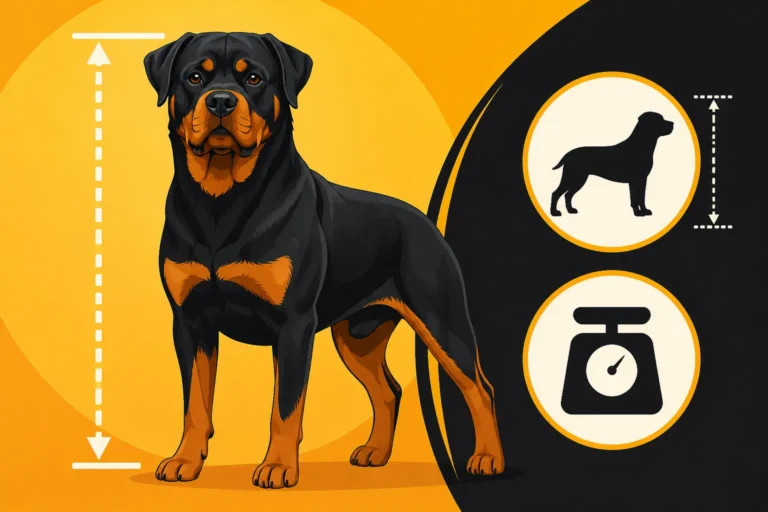
Why the Rottweiler Sits in the Working Group
One of the questions I hear most often from new or potential Rottweiler owners is about the breed's classification in the dog world. It’s not uncommon for people to assume, given their powerful appearance, that they might be in a group focused solely on guarding or even fighting. But a quick glance at the American Kennel Club (AKC) will show you that the Rottweiler firmly belongs to the Working Group. This isn't just a label; it’s a direct reflection of their deep historical roots, inherent capabilities, and the specific jobs they were bred to do. This guide will take a deep dive into why the Rottweiler is rightfully placed in the Working Group, exploring their history, temperament, and the enduring legacy of their work ethic.
The Historical Roots of the Rottweiler's Work Ethic
To truly understand why the Rottweiler is a "working" dog, we have to travel back in time, far before the AKC even existed. These dogs weren't bred for companionship, though they are wonderful companions; they were bred for a purpose, for jobs that required immense strength, intelligence, and unwavering loyalty.
From Roman Drover Dogs to German Butcher's Companions
The story of the Rottweiler begins way back with the Roman Empire. As Roman legions marched across Europe, they brought along large, mastiff-type dogs to drive and guard their cattle, which served as a mobile food source for the troops. These dogs were essentially the original "cowboys," herding livestock across vast distances and protecting them from predators and thieves. They needed to be strong, resilient, and possess a keen instinct for control and protection. These ancestors eventually settled in the region of Germany, particularly around the town of Rottweil, which became a significant cattle market during the Middle Ages.
It was in Rottweil that these dogs truly began to evolve into what we recognize today. The local butchers, or "Metzger," quickly adopted these capable dogs. They were known as "Metzgerhunds" – Butcher's Dogs. Their job was still primarily to drive cattle, often over long distances from the surrounding areas to the market. But they took on additional, vital roles. They guarded the butchers' money, often carried in a pouch tied around the dog's neck, ensuring the day's takings made it home safely. Imagine a hundred-pound dog with a serious demeanor, standing watch over your life savings; that's the kind of trust and protection these dogs offered. Their deep-seated instinct to guard and control property, livestock, and their human companions was honed over centuries in this demanding environment. What Rottweil Made the Metzgerhund Do really highlights this historical purpose.
The Decline and Revival of a Working Breed
For centuries, the Rottweiler's role was indispensable. They were the muscle, the security, and the reliable partner for the butchers and cattle drovers of Rottweil. However, technological advancements, specifically the advent of railways in the 19th century, began to make their traditional work obsolete. Cattle could now be transported by train, much faster and more efficiently than being driven on foot. This shift had a dramatic impact on the breed, and the numbers of Rottweilers plummeted. They came perilously close to disappearing entirely. How Close the Rottweiler Came to Disappearing is a fascinating read about this period.
Thankfully, dedicated fanciers recognized the incredible value of these dogs and spearheaded efforts to revive the breed in the early 20th century. These individuals understood that while their original job of cattle droving might have waned, the Rottweiler's core working attributes – their intelligence, courage, strength, and desire to serve – were still profoundly valuable. They weren't just saving a breed; they were preserving a magnificent working dog with immense potential for new roles. This revival focused on solidifying their working temperament and physical capabilities, ensuring that the traits developed over centuries of hard work would endure.
What "Working Group" Actually Means
When the American Kennel Club created its distinct groups for dog breeds, it wasn't arbitrary. Each group was designed to categorize breeds based on their original purpose, their inherent abilities, and the type of work they were historically bred to perform. The Working Group is arguably one of the most straightforward in its definition, embodying breeds with a clear, functional purpose.
Beyond Just a Pretty Face: Form and Function
The AKC Working Group is home to breeds developed to perform specific tasks for humans. These aren't lapdogs, nor are they generally flushers of game or sight hunters (those have their own groups!). Instead, this group includes breeds that traditionally pulled carts, guarded property, performed rescues, or served in military and police roles. Think about it: Alaskan Malamutes pulling sleds, Doberman Pinschers guarding estates, and Boxers acting as messengers and watchdogs. These breeds were meticulously developed for their functional capabilities, where form truly follows function. Every aspect of their physical build and temperament was selected to enhance their ability to do a particular job.
For the Rottweiler, this means their robust musculature, their powerful jaws, their keen senses, and their intelligent, discerning minds were all honed for working. They weren't bred for speed or flashy coat colors, but for utility and dependability. Unlike, say, the Toy Group, which focuses on companionship, or the Sporting Group, which is all about hunting and retrieving, the Working Group emphasizes utility, strength, and protection. A Rottweiler isn't just a powerful dog; it's a powerful dog with a built-in drive to do something with that power, preferably alongside its human partner.
The Traits That Define a Working Rottweiler
So, what exactly are these defining traits that earn the Rottweiler its spot in the Working Group? It comes down to a potent combination of physical and mental attributes:
- Intelligence and Trainability: Rottweilers are highly intelligent. They learn quickly and, more importantly, they want to learn and please their owners. This trainability is crucial for any working dog, as they need to understand complex commands and adapt to various situations. Their keen minds mean they excel in obedience and can be taught a wide range of tasks. You'll often find that providing mental stimulation, perhaps with interactive toys you can find on Chewy, is just as important as physical exercise for a Rottweiler.
- Strength and Endurance: A Rottweiler's physical build is undeniably impressive. They are compact, powerful, and muscular, capable of immense strength. This was essential for driving cattle over long distances, pulling carts, and deterring threats. They possess good stamina, allowing them to perform tasks for extended periods. This isn't just about raw power; it's about the ability to sustain effort.
- Guarding Instinct: This is perhaps the most defining trait. The Rottweiler has a strong, inherent guarding instinct. They are naturally protective of their family and territory. This doesn't mean they are inherently aggressive, but rather that they are alert, observant, and discerning. They typically assess situations before reacting, presenting a calm, confident, and sometimes aloof demeanor towards strangers. The Rottweiler Guarding Instinct and How to Shape It delves deeper into managing this trait.
- Courage and Confidence: A working dog cannot be timid or easily spooked. Rottweilers possess a natural confidence and courage that enables them to face challenges without hesitation. This self-assuredness, combined with their loyalty, makes them formidable protectors and reliable partners in demanding roles.
These traits aren't just parlor tricks; they are the fundamental building blocks of a dog bred for serious work, making their inclusion in the Working Group entirely logical.
Modern Roles and Continued Working Legacy
While the days of driving cattle through the streets of Rottweil are long past, the Rottweiler's working spirit has adapted and found new expressions in the modern world. Their innate abilities make them suitable for a variety of contemporary jobs, showcasing their versatility and enduring legacy.
Police, Military, and Protection Work
Given their formidable presence, strength, intelligence, and protective instincts, it’s no surprise that Rottweilers have a long and distinguished history in police and military service. In fact, they were among the very first breeds to be recognized as official police dogs in Germany in the early 20th century. Their courage, natural guarding abilities, and imposing stature make them excellent candidates for apprehension, search, and patrol duties. A well-trained Rottweiler is an incredible asset, providing both physical deterrence and keen sensory abilities.
However, it's crucial to understand that dogs in these roles undergo extensive, specialized training. This isn't about fostering aggression, but about channeling their natural drives into controlled, predictable, and highly disciplined behaviors. For the average pet owner, professional protection sport training exists, but it requires a significant commitment to proper guidance and ethical development. Whether Protection Training Can Backfire on a Rottweiler offers important considerations for those thinking about these types of activities.
Therapy, Service, and Search & Rescue Contributions
Beyond the more obvious protection roles, Rottweilers also excel in more nuanced and compassionate working capacities. Their intelligence and steady temperament, when properly socialized and trained, make them fantastic candidates for therapy work. Their calm presence can be incredibly soothing in hospitals, nursing homes, or schools. They might have an intimidating exterior, but many Rottweilers possess a gentle, empathetic soul that shines through in these roles. Rottweilers Working as Therapy Dogs in Hospitals truly highlights this beautiful aspect of the breed.
Furthermore, their strength and problem-solving abilities can be harnessed for service dog work, assisting individuals with mobility issues or other disabilities. In search and rescue, their powerful noses and unwavering focus can be invaluable assets, helping to locate lost individuals in challenging environments. These roles require a dog that is not only smart but also emotionally stable and able to remain focused amidst distractions – all hallmarks of a true working breed. Providing good quality nutrition, such as that offered by Chewy, helps keep these working dogs in peak condition for their demanding roles.
Canine Sports and the Drive to Do More
For Rottweiler owners who want to tap into their dog's working heritage without pursuing professional service, canine sports offer a fantastic outlet. Activities like competitive obedience, rally, agility (with careful consideration for their size and joint health), and tracking provide mental and physical challenges that satisfy their intrinsic drive to work. Schutzhund, now often called IGP (Internationale Gebrauchshunde Prüfung, or International Working Dog Test), is a multi-phased dog sport developed in Germany that specifically evaluates a dog's tracking, obedience, and protection skills. It's a sport that directly embraces the historical working capabilities of breeds like the Rottweiler.
Another traditional activity that pays homage to their "Metzgerhund" past is carting or draft work. Teaching a Rottweiler to pull a cart, even a small one, is not only a wonderful way to engage them physically and mentally but also a direct connection to their history of pulling butcher's carts through the streets of Rottweil. Rottweiler Carting and Draft Work goes into more detail about this engaging activity. These sports aren't just about winning ribbons; they are about providing purposeful activity that fulfills the breed's deep-seated need to have a job, keeping them balanced, happy, and well-behaved companions.
The Rottweiler's Unique Place in the Working Group
While many breeds populate the AKC Working Group, the Rottweiler holds a distinct position, characterized by a unique blend of traits that set them apart. Understanding this distinction is key to appreciating them fully.
Distinguishing the Rottweiler's Role
When we compare Rottweilers to other guarding breeds within the Working Group, such as the Doberman Pinscher or the German Shepherd Dog, we see nuances in their approach. While all possess guarding instincts, the Rottweiler often exhibits a more reserved, watchful, and sometimes aloof demeanor. They typically prefer to observe and assess a situation before reacting, rather than being immediately demonstrative. This "wait-and-see" attitude is a hallmark of their self-assured temperament. They are not usually the first to bark wildly; instead, they project a quiet confidence that can be incredibly effective as a deterrent. Rottweilers Compared With Other Guarding Breeds offers a good breakdown of these differences.
Their sheer power and robust build also distinguish them. While a Doberman might be quicker and more agile, a Rottweiler's density and strength make them formidable for endurance tasks and physical containment. They are built like tanks, designed for sustained effort and significant physical presence. This combination of mental discerningness and physical might makes them uniquely suited to their historical roles and their modern adaptations.
Why This Classification Matters for Owners
Understanding that your Rottweiler is a Working Group dog is not just interesting trivia; it's absolutely fundamental to successful ownership. This classification carries significant implications for their care, training, and overall well-being.
- Training is Non-Negotiable: Owning a working breed means committing to consistent, early, and ongoing training. A Rottweiler isn't a dog you can leave untrained and expect good manners. Their intelligence means they pick up habits, both good and bad, quickly. Their strength demands that you, as the handler, have control. Why Rottweiler Training Cannot Wait Until Six Months is a crucial resource for new owners. Early socialization and structured obedience classes are vital.
- Mental and Physical Engagement are Essential: These dogs need a job to do, even if that "job" is a structured training session, a long walk with purpose, or puzzle toys filled with treats from Chewy. Without adequate mental and physical stimulation, a Rottweiler can become bored, destructive, or develop behavioral issues. Their working heritage means they thrive on having a routine and a purpose.
- Responsibility and Commitment: A Working Group dog is a lifelong commitment. Their power, intelligence, and protective instincts mean that responsible ownership is paramount. This includes thorough socialization from a young age, consistent positive reinforcement, and understanding their breed-specific traits. You're not just getting a pet; you're taking on a partner who expects to work and contribute to the family unit. This might sound daunting, but for those who embrace it, the reward is an incredibly loyal, capable, and devoted companion.
| Trait | Description | Relevance to Working Group |
|---|---|---|
| Intelligence | Quick to learn, eager to please, problem-solver | Essential for understanding commands and adapting to tasks |
| Strength & Build | Muscular, powerful, compact; built for endurance | Enables physical tasks like droving, pulling, deterring threats |
| Guarding Instinct | Naturally protective of family and territory, watchful, discerning | Core to historical roles of protection and security |
| Confidence | Self-assured, courageous, composed; not easily startled | Allows them to perform demanding jobs and handle pressure |
| Endurance | Ability to sustain physical and mental effort over time | Necessary for long workdays and demanding activities |
| Loyalty | Deep bond with their human family, forming strong attachments | Motivates them to work closely with and protect their people |
Disclaimer
This article is for general informational purposes only and does not constitute professional advice. Laws, prices and regulations vary by location and change over time. Consult a qualified professional for guidance on your specific situation.