The Rottweiler Inside the AKC Working Group
It's easy to look at a majestic Rottweiler and see just a powerful, loyal companion, but beneath that calm exterior lies a history brimming with purpose and a deep-seated drive to work. For anyone considering bringing one of these magnificent dogs into their home, truly understanding their place within the American Kennel Club (AKC) Working Group is paramount, as it sheds light on the very essence of their temperament, their needs, and the unique joys and challenges they bring. This guide aims to explore what it means for a Rottweiler to be a working dog, both historically and in modern times, helping you appreciate the rich heritage that shapes every Rottie.
What the AKC Working Group Represents for Rottweilers
When you see "Working Group" beside a breed name, it's not just a fancy label. It's a classification that tells you a fundamental truth about that dog: its ancestors were bred to perform specific, often demanding, tasks alongside humans. These weren't lapdogs or casual companions; they were dogs with a job, and that heritage is deeply ingrained in their genetic makeup, even generations later. For Rottweilers, this means a history of guarding, herding, and pulling, which directly impacts their physique, intelligence, and protective instincts.
More Than Just a Size Classification
Some folks might look at the Working Group and think it's simply where all the big, strong dogs are placed. While it's true that many Working Group breeds are large and robust, size alone isn't the defining factor. You'll find dogs of various sizes across the AKC groups. What truly unifies the Working Group is the purpose for which these breeds were developed. These dogs were selected for traits like strength, endurance, courage, intelligence, and a strong will to perform tasks that were vital to human livelihoods, from protection to heavy labor. A Rottweiler isn't in the Working Group just because it's a big dog; it's there because it was bred to perform serious work.
The Purpose-Bred Dog
The term "purpose-bred" is key when discussing the Working Group. These dogs weren't accidentally good at something; they were meticulously developed over centuries for specific functions. Think about the Great Danes, bred to hunt wild boar, or the Siberian Huskies, bred to pull sleds over vast, icy distances. Each breed brings a specialized skill set. For the Rottweiler, that purpose revolved around livestock management and protection. They needed to be strong enough to drive cattle, intelligent enough to follow complex commands, and courageous enough to defend their charges and their owners from threats. This is why their calm confidence and imposing presence are not just aesthetic qualities but functional traits that were vital to their survival and usefulness. The Rottweiler From Roman Cattle Drives to the AKC perfectly encapsulates this long history.
The Historical Roots of the Rottweiler's Work
To truly understand the Rottweiler within the Working Group, we have to travel back in time to its origins. This breed isn't just "big and strong"; it's historically significant, with a lineage tied directly to the demands of human labor and protection. Their ancestors were true working animals, indispensable to their human partners.
From Roman Drovers to German Butchers
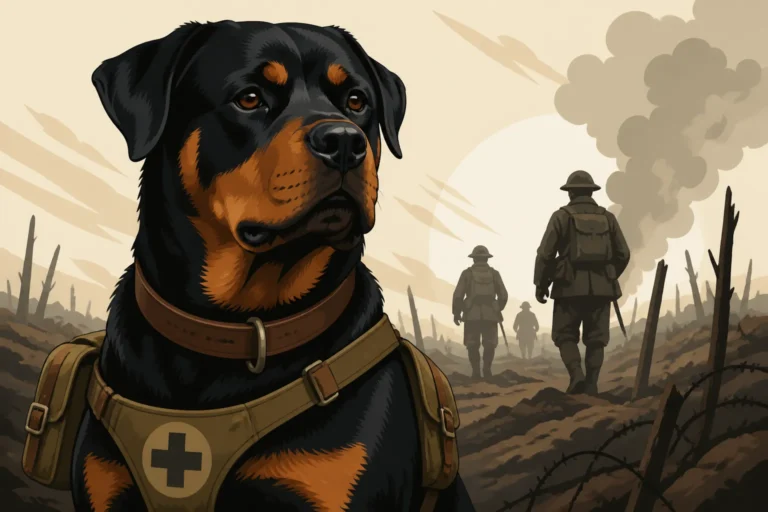
The Rottweiler's story begins with the Roman legions, who brought mastiff-type dogs with them across the Alps as they conquered Europe. These dogs, known as Roman drover dogs, were essential for herding and guarding the cattle that fed the legions on their long marches. When the Romans settled in what is now Rottweil, Germany, their dogs interbred with local breeds, eventually giving rise to the "Rottweiler Metzgerhund," or "Butcher's Dog of Rottweil." The town of Rottweil became a thriving cattle market, and these dogs were invaluable. They drove cattle to market, protected the butchers' money bags from thieves by tying them around their necks, and guarded their stalls. Their job was not for the faint of heart; it required immense strength, unwavering loyalty, and a natural protective instinct. What Rottweil Made the Metzgerhund Do details this crucial period.
The Breed's Resurgence and Purpose
With the advent of railways in the 19th century, the need for cattle-driving dogs diminished, and the Rottweiler almost faded into obscurity. However, fanciers recognized the breed's extraordinary qualities and worked to preserve it. They saw the intelligence, strength, and stable temperament that made these dogs exceptional working partners. This resurgence focused on their inherent abilities, shifting their roles from cattle droving to police work, military service, and personal protection. They proved their versatility and reliability in these new demanding jobs, solidifying their reputation as dedicated and capable working dogs. This historical arc firmly plants the Rottweiler in the Working Group, acknowledging its heritage of purposeful labor and its natural aptitude for tasks that require strength, intelligence, and courage.
Defining Characteristics of a Working Group Rottweiler
The AKC Working Group designation isn't just about what the Rottweiler did historically; it's about the traits that history forged into the breed. These characteristics are what make a Rottweiler, well, a Rottweiler, and they are crucial for any potential owner to understand. They speak to both their physical presence and their profound mental makeup.
Physical Prowess and Structure
A Rottweiler's physical build is a direct reflection of its working heritage. They are powerfully built, robust dogs, meant for endurance and strength. Their broad chests, muscular bodies, and strong bone structure were necessary for driving stubborn cattle and pulling carts. This isn't a delicate breed; they are built like tanks, designed to withstand physical demands.
- Strength and Endurance: Imagine a dog needing to control a herd of cattle, often over long distances. That requires immense physical strength and stamina. This is why Rottweilers possess such a formidable physique. Their deep chests accommodate powerful lungs, and their well-angulated hindquarters provide the thrust needed for their powerful gait.
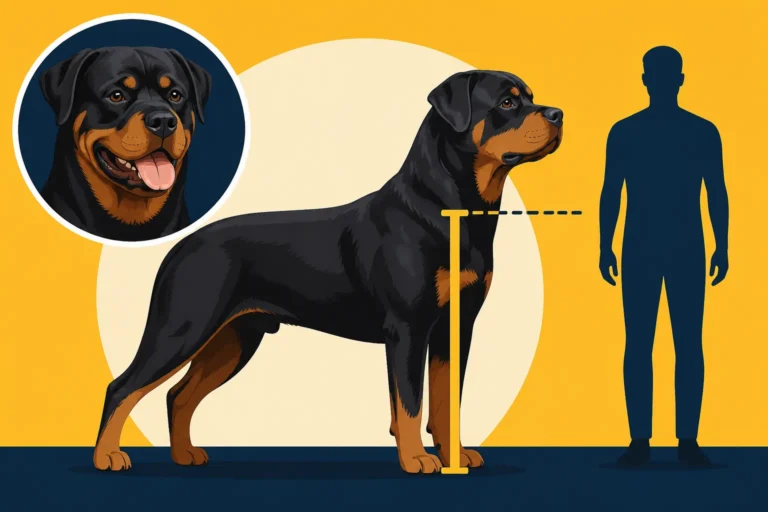
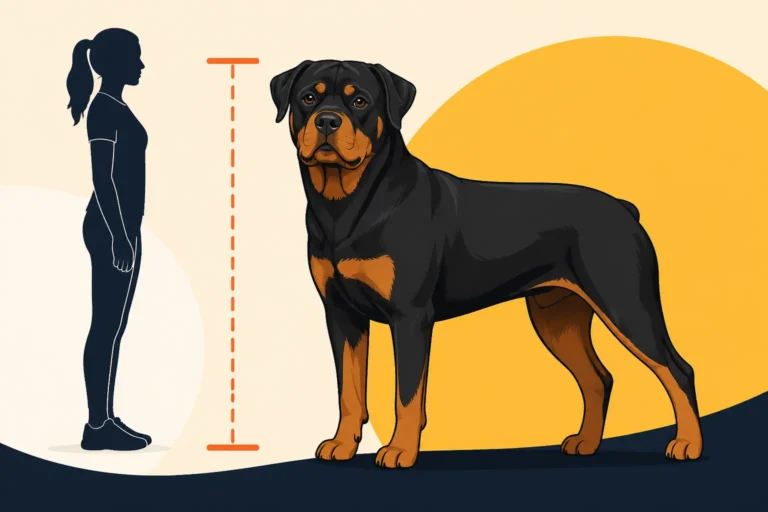
- Size and Presence: An adult male Rottweiler can easily weigh over a hundred pounds, and a female is not far behind. This substantial size isn't just for show; it's a deterrent. A dog of this stature naturally commands respect and can intimidate potential threats, a vital trait for a guarding breed. This physical presence contributes significantly to their effectiveness in working roles, both past and present. When looking for gear for such a substantial dog, whether it's an extra-strong leash or a durable bed, online retailers like Chewy often carry a wide range of products specifically designed for large, powerful breeds.
Mental Acuity and Temperament
Beyond the physical, the Rottweiler's mental attributes are equally critical to its Working Group status. They possess a complex temperament that is often misunderstood, characterized by a unique blend of confidence, intelligence, and discernment.
- Intelligence and Trainability: Rottweilers are intelligent dogs, eager to learn and please their owners. This trainability was essential for their original working roles, where they needed to respond reliably to complex commands. They thrive on having a "job" to do, whether it's formal obedience, canine sports, or simply being a well-behaved family protector. However, this intelligence also means they can become bored or destructive without proper mental stimulation. Why a Rottweiler Must Be Trained Before It Grows emphasizes the importance of early and consistent training to harness this intelligence.
- Self-Assured Aloofness: This is a hallmark of the breed's temperament. Rottweilers are not typically effusive with strangers. Instead, they exhibit a calm, watchful confidence. They observe, assess, and often wait for their owner's lead before engaging. This aloofness is not shyness or aggression; it's a measured response, born from their guarding instincts. They don't feel the need to greet every new person or dog with over-the-top enthusiasm. This discerning nature makes them excellent judges of character and incredibly effective protectors, as they don't waste energy on unnecessary interactions.
- Protective Instincts: The guarding instinct is inherent in the Rottweiler. They are deeply loyal to their family and home and will naturally protect what they perceive as their own. This instinct, while valuable, requires careful management and socialization to ensure it manifests appropriately. A well-socialized Rottweiler understands who is a threat and who isn't, and will respond accordingly, rather than reacting out of fear or indiscriminate aggression. The Rottweiler Guarding Instinct and How to Shape It offers more insights into managing this crucial trait.
Rottweiler Roles Within the Modern Working Group
While many Rottweilers today are cherished family pets, their inherent working traits mean they excel when given a purpose. Their powerful build and keen intellect allow them to transition seamlessly into various demanding roles, proving that the "Working Group" designation is still highly relevant.
Beyond Guarding: Therapy and Service
The popular image of a Rottweiler often leans towards protection, but their stable temperament and deep connection with their handlers allow them to shine in more sensitive roles.
- Therapy Dogs: A well-bred, well-trained Rottweiler can make an exceptional therapy dog. Their calm demeanor, substantial presence, and gentle nature with those they trust can be incredibly comforting. Picture a large, warm Rottweiler resting its head on a hospital bed, offering solace to a patient, or patiently allowing a child to read to them at a library. Their inherent stability, when nurtured, makes them excellent for these tasks. They often respond well to the quiet, focused attention required for such visits, offering a sense of calm and safety to those around them.
- Service Dogs: For individuals with disabilities, a Rottweiler's strength and intelligence can be invaluable. They can be trained as mobility assistance dogs, helping brace their handler, retrieve dropped items, or even open doors. Their powerful build allows them to perform tasks that smaller breeds simply cannot manage. These roles demand a high level of training, focus, and unwavering reliability, all traits found in a well-selected and well-trained Rottweiler. The dedication and bond formed with their handler are truly remarkable in these partnerships. Rottweiler Jobs From Police Work to Therapy Visits further illustrates their versatility.
Performance and Sport
Beyond formal service, Rottweilers thrive in canine sports that challenge both their bodies and minds. These activities not only provide an outlet for their working drives but also strengthen the bond between dog and owner.
- Competitive Obedience and Rally: These sports showcase a Rottweiler's intelligence and desire to please. They involve performing a series of commands with precision and enthusiasm, often off-leash. A Rottweiler's focus and strong work ethic make them formidable competitors. The mental engagement required in these sports is just as important as the physical activity, fulfilling their need for purpose.
- Drafting and Carting: This is a direct nod to their heritage as draft dogs, pulling carts for butchers. In modern drafting competitions, Rottweilers demonstrate their strength and teamwork by pulling weighted carts through obstacle courses. This isn't just about raw power; it also requires control, communication, and confidence. It's a wonderful way to honor their historical role and engage them in a truly meaningful activity. While specialized equipment might be needed, many of these items can be found on large pet supply sites such as Chewy.
- Weight Pulling: Similar to drafting but focused purely on strength, weight pulling involves a dog pulling a weighted cart or sled over a short distance. Rottweilers, with their powerful build, often excel at this sport. It's a testament to their physical prowess and determination, providing a controlled and safe outlet for their incredible strength. Rottweiler Weight Pulling and Whether a Rottweiler Should offers more on this fascinating sport.
- Tracking and Scent Work: With their keen noses and methodical approach, Rottweilers can be outstanding tracking dogs. They can follow a human scent trail over varying terrain, making them valuable in search and rescue efforts or simply enjoying a challenging sport. These activities tap into their natural instincts and provide immense mental stimulation.
Responsibilities of Owning a Working Group Rottweiler
Bringing a Rottweiler into your life is a deeply rewarding experience, but it comes with significant responsibilities that stem directly from their Working Group heritage. These dogs are not for the faint of heart or those seeking a purely decorative pet. They require commitment, understanding, and a willingness to meet their unique needs.
The Need for Early and Consistent Training
Because of their size, strength, and protective instincts, training a Rottweiler is non-negotiable. It needs to start early, be consistent, and continue throughout their lives.
- Foundation in Puppyhood: A Rottweiler puppy might be adorable, but it's a future 100+ pound dog with a powerful bite. Training must begin the moment they come home. Rottweiler Puppy Training Through the First Year is vital reading for new owners. Early socialization, bite inhibition, and basic obedience commands are critical to shaping a well-adjusted adult. They need to learn boundaries, manners, and how to safely interact with the world around them long before they reach their full formidable size.
- Ongoing Education: Training isn't a one-and-done event with a Rottweiler. Their intelligence and desire for purpose mean they thrive on continued learning. Regular refreshers of commands, introducing new tricks, or engaging in canine sports keep their minds sharp and their behavior reliable. Without consistent guidance, a Rottweiler's natural assertiveness and protective instincts can become misdirected, leading to challenges. This is why many owners seek out professional trainers who understand the breed's working mentality.
Meeting Their Physical and Mental Needs
A Rottweiler isn't content with just a quick walk around the block. Their working lineage demands adequate exercise and, perhaps more importantly, mental stimulation.
- Adequate Exercise: While not hyperactive, Rottweilers need regular, structured exercise to stay healthy and happy. This means daily walks, playtime in a secure yard, or engaging in activities like hiking or swimming. Exercise not only keeps their bodies fit but also helps to burn off excess energy that could otherwise manifest as undesirable behaviors. However, it's important to remember that heavy impact exercise should be limited during their growth phase to protect their developing joints. A Growing Rottweiler's Joints and Overexercise is a must-read for puppy owners. For senior Rottweilers, adapting exercise routines becomes key to maintaining mobility, and joint supplements, often found at online retailers like Chewy, can be beneficial.
- Mental Engagement: A bored Rottweiler is a destructive Rottweiler. These intelligent dogs need their minds to be challenged. This can come from puzzle toys, training sessions, scent games, or even just regular conversations and interaction with their family. Leaving a Rottweiler alone for long periods without mental engagement can lead to anxiety, chewing, or excessive barking. They truly thrive when they feel like an integral, purposeful part of the household.
AKC Activities for Rottweilers as Working Group Dogs
For those who want to fully embrace their Rottweiler's Working Group heritage, the AKC offers a wide array of activities that cater to their natural talents. These aren't just hobbies; they're opportunities to build an incredible partnership and provide your dog with the purposeful work they crave.
Structured Training and Competition
These activities provide a framework for channeling a Rottweiler's intelligence and drive into productive outlets, celebrating their capability and teamwork with their handler.
| AKC Activity | Description | Rottweiler Traits Utilized |
|---|---|---|
| Obedience | Dog performs a prescribed set of exercises on command, demonstrating precision. | Intelligence, focus, desire to please, reliability. |
| Rally | Dog and handler navigate a course with numbered stations, performing commands. | Intelligence, teamwork, adaptability, enthusiasm for work. |
| Tracking | Dog follows a human scent trail over varying terrain to find an article. | Keen sense of smell, concentration, methodical approach. |
| Agility | Dog navigates an obstacle course, demonstrating speed and athleticism. | Athleticism, body awareness, intelligence, responsiveness. |
| Carting/Drafting | Dog pulls a weighted cart or wagon through a course. | Strength, endurance, willingness to work, calm under pressure. |
| Canine Good Citizen | Test demonstrating good manners and basic obedience in public settings. | Stability, confidence, trainability, appropriate social behavior. |
- Obedience and Rally: These sports are fantastic for building a strong communication foundation. Imagine your Rottweiler, off-leash, executing a perfect "stay" while you walk across the ring, or heeling precisely beside you through a rally course. It's a testament to their bond and training. These events don't just happen; they require consistent practice and dedication, rewarding both dog and handler. The focus and mental work involved are incredibly satisfying for a Rottweiler, often more so than purely physical exertion.
- Tracking and Scent Work: Tapping into a dog's most primary sense, tracking is an incredibly fulfilling activity for a Rottweiler. Their natural diligence and methodical approach make them excellent at following a scent trail. This can range from competitive tracking titles to fun "nose work" games at home. It's mentally exhausting for them in the best possible way, allowing them to engage their instincts in a productive manner.
- Agility (with care): While not typically known as an agility breed due to their size and build, some Rottweilers enjoy the challenge. It demands athleticism, balance, and quick thinking. However, due to their growth plates closing late and their heavy build, careful management and late starts are often advised to protect their joints. Rottweiler Growth Plates Closing at Eighteen to Twenty-Four Months highlights why their joint development is such an important consideration for high-impact activities. For proper joint health and recovery, specific supplements like glucosamine and chondroitin, readily available through retailers like Chewy, are often recommended.
Show Ring and Breed Preservation
The conformation ring also plays a vital role in the Working Group, ensuring that Rottweilers bred for the future adhere to the physical and temperamental standards that define their ability to perform their historical tasks.
- Conformation (Breed Show): This is where Rottweilers are judged against the official AKC breed standard. Judges assess their structure, movement, and temperament to ensure they embody the ideal Rottweiler. This isn't a beauty contest in the superficial sense; it's about preserving the physical attributes that enabled them to perform their demanding jobs. A correct Rottweiler structure directly correlates to its ability to work efficiently and endure physical strain.
- Champion Titles: Earning an AKC Championship title means a Rottweiler has been recognized as an excellent example of its breed, reflecting the dedication of breeders to maintain the integrity of the Working Group standard. This helps ensure that future generations of Rottweilers possess the correct physical build, sound temperament, and strong character expected of their working heritage.
Ultimately, whether your Rottweiler is a cherished family member or an active competitor, understanding its place in the AKC Working Group means recognizing the profound depth of its character and the inherent drive for purpose that makes these dogs so incredibly special.
Disclaimer
This article is for general informational purposes only and does not constitute professional advice. Laws, prices and regulations vary by location and change over time. Consult a qualified professional for guidance on your specific situation.