Training Treats Small Enough for a Rottweiler Session
It's a familiar scenario for any Rottweiler owner: you're in the middle of a fantastic training session, your big lug is totally engaged, and you reach for a treat. But then you realize the "training treats" you bought are either so huge your dog practically chokes trying to get them down, or they're so soft they turn into mush in your hand, or they take so long to chew that all the momentum is lost. Finding treats that are truly effective and practical for high-volume training with a powerful, often enthusiastic Rottweiler can feel like an endless quest. This guide is here to help you navigate that world, focusing on treats that are just right for your Rottweiler, ensuring smooth, impactful training every single time.
The Treat Conundrum: Why Rottweilers Need Specific Training Treats
Training a Rottweiler is a commitment to consistency, and that often means a lot of repetitions, especially in the early stages. Whether you're working on basic obedience, tackling reactivity, or just reinforcing good manners, you'll be doling out a lot of rewards. This is where the right treat selection becomes paramount. It's not just about what tastes good; it's about what works practically for a dog of this size and drive, without derailing their health or focus.
Size Matters: Avoiding Choking Hazards and Calorie Overload
Imagine giving a tiny Chihuahua a treat meant for a Rottweiler—it would be comical, right? But the reverse is also true and often overlooked. A treat designed for a smaller dog can become a choking hazard for a Rottweiler if it's too hard and they try to gulp it, or if it's too soft and gets stuck. Rottweilers, with their substantial mouths and strong jaws, can be prone to gulping, especially when excited or focused during a training game. A treat that's too large means they have to stop, chew, and swallow, which breaks the flow of your session. You want something they can pop into their mouth and swallow quickly, almost without thought, keeping their attention firmly on you and the next command.
Beyond choking, there's the calorie count. If you're doing a session with 50 repetitions, and each treat is a substantial bite, you're looking at a significant portion of their daily caloric intake right there. This can quickly lead to unwanted weight gain, and we all know how challenging Rottweiler Obesity and the Load It Adds can be on their joints and overall health. We need treats that allow for high-volume use without piling on the pounds, letting you reward frequently without guilt.
Palatability is Key: Keeping a Rottweiler Engaged
Rottweilers are smart, and while they can be very biddable, they also have opinions. A dry, boring biscuit isn't going to cut it when you're asking them to hold a stay in a distracting park or ignore a squirrel dashing by. You need treats that scream "Jackpot!" – something truly high-value that makes them eager to work, even when their instincts are pulling them elsewhere. This is especially true for foundational work, like when you're teaching Training a Rottweiler Before It Outweighs You.
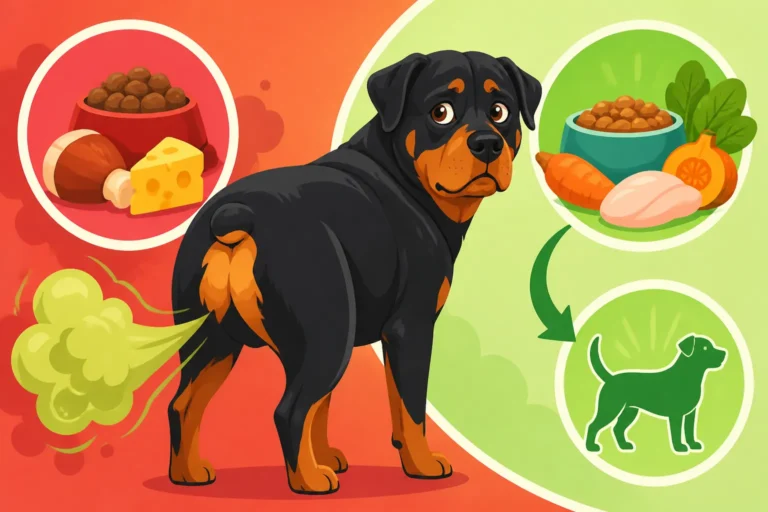
The challenge is finding a treat that is high-value and suitable for frequent use. While a chunk of steak might be the ultimate reward, feeding that many pieces can quickly become too rich, potentially upsetting their stomach. The goal is a treat that's enticing enough to maintain their focus and motivation through multiple repetitions, but not so rich that it causes digestive issues or adds excessive calories. It's a delicate balance that often involves having a few different tiers of treats for various training scenarios.
Identifying the Ideal Training Treat Characteristics
When you're sifting through the seemingly endless options, keeping a few key characteristics in mind will help you narrow down the perfect training treats for your Rottweiler. Think of it like building a little "treat toolkit" for different situations.
Texture and Consistency for Quick Consumption
This is probably one of the most critical factors for efficient training. You want treats that are soft enough to be chewed and swallowed almost instantly, without requiring a lot of crunching or crumbling. Think about it: if your Rottweiler spends five seconds chewing each treat, you've added almost five minutes of "chewing time" to a 50-repetition session. That's a lot of lost focus and momentum.
Ideal treats will be:
- Soft and Chewy: Easily broken down and swallowed. This could be small pieces of cheese, cooked meat, or commercial soft training bites.
- Non-crumbly: Crunchy treats often leave crumbs, which means your dog is sniffing the ground for leftovers instead of looking at you. Plus, a crumbly treat makes a mess in your pocket or treat pouch.
- Moist, but not sticky: You want something that won't dry out too quickly or stick to your fingers, making dispensing difficult.
Avoid anything hard that they might choke on or that takes too long to break down. The quicker they can consume it, the faster you can get to the next command, reinforcing the behavior in real-time. This is especially helpful when working on Teaching a Rottweiler to Take Treats Gently to prevent accidental nips.
Low Calorie, High Reward: Balancing Nutrition and Motivation
As mentioned before, calorie management is huge. When you're running through Rottweiler Puppy Training Through the First Year, you're using a lot of treats. You need to look for options that are inherently low in calories but still pack a punch in terms of flavor.
Here's what to consider:
- Read the labels: Commercial treats will list calorie counts per treat or per gram. Do the math to see how many treats you can reasonably give without exceeding their daily allowance.
- Small size, potent flavor: A tiny piece of something intensely flavorful often works better than a large piece of something bland. The burst of taste is what provides the reward.
- Consider human-grade options: Many fruits and vegetables can be excellent, low-calorie choices when cut into tiny pieces. Think cooked green beans, carrots, or small cubes of apple (seeds removed). Just be sure to check what's safe for dogs.
- Primary food as treats: On days with heavy training, you can even use a portion of their regular kibble as treats. It's not always high-value enough for difficult environments, but it's perfect for low-distraction practice and ensures you stay within their Daily Calories for a Hundred Twenty Pound Rottweiler.
| Treat Characteristic | Why It's Important for a Rottweiler |
|---|---|
| Small Size | Prevents choking, minimizes calories, quick consumption |
| Soft/Chewy Texture | Fast ingestion, avoids choking, less mess |
| High Palatability | Maintains motivation, effective in distractions |
| Low Calorie | Prevents weight gain with high-volume training |
| Non-crumbly | Keeps focus on trainer, clean dispensing |
Top Training Treat Choices for Your Rottweiler
Now that we know what makes an ideal treat, let's talk about some specific options you can actually use. You'll likely want a mix of commercial and homemade options to keep things interesting and tailored to different training needs.
Commercial Training Treats Designed for Large Breeds
The market is thankfully growing in options for larger dogs, but you still need to be discerning. When you're browsing sites like Chewy or Amazon, look specifically for terms like "mini training treats," "soft bites," or "low-calorie treats." Many popular brands now offer smaller, softer versions of their treats specifically for training.
Here's what to keep an eye out for:
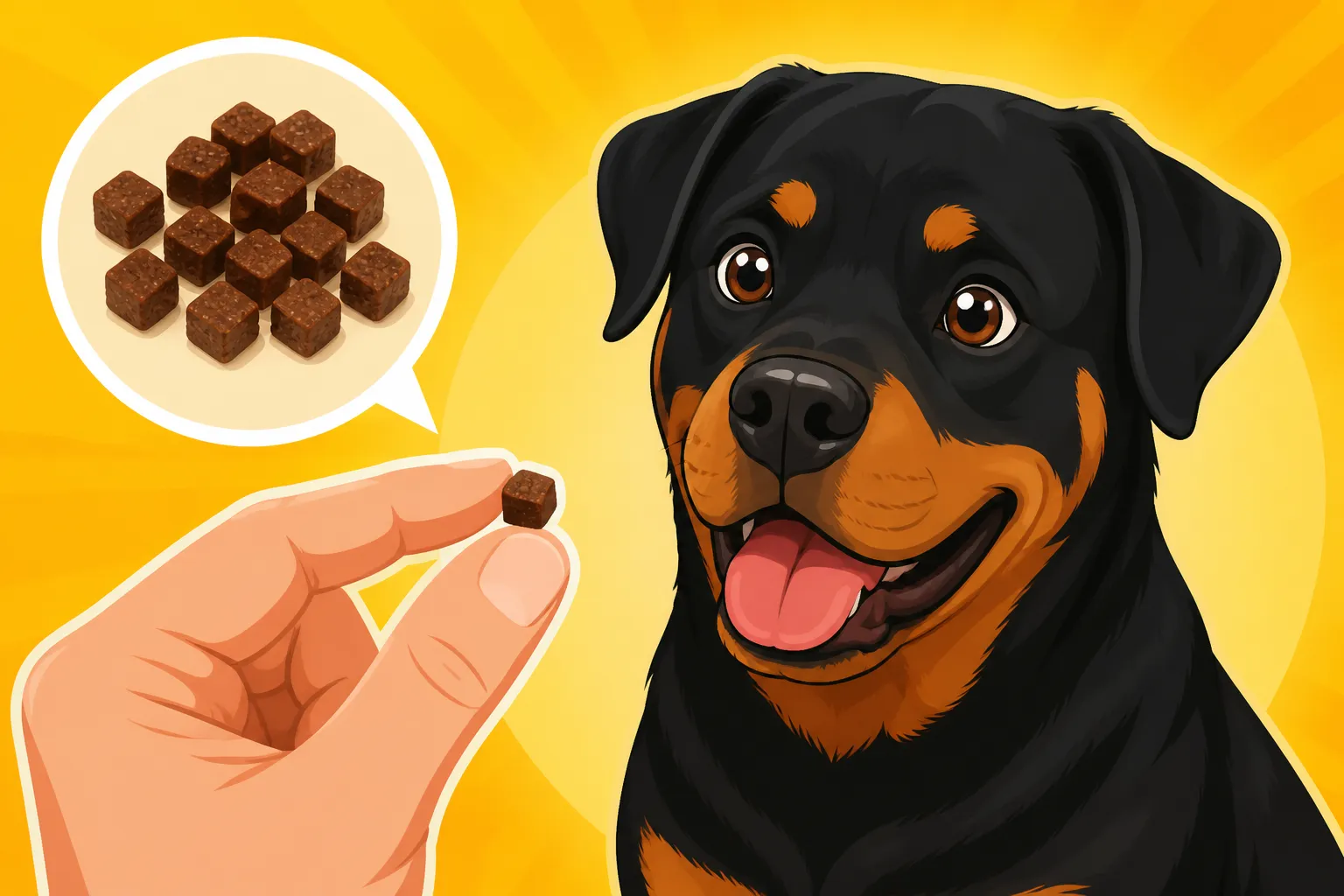
- Size: As tiny as you can find. Ideally, pea-sized or even smaller. Many treats can be broken into even smaller pieces.
- Ingredients: Look for whole food ingredients, and avoid artificial colors, flavors, and excessive fillers. Brands focused on natural ingredients are a good starting point.
- Softness: If a treat is hard, you'll be spending your training session wrestling with it or trying to break it apart. Softness is key for quick rewards.
- Specific "training treat" lines: Some companies formulate treats specifically for training, meaning they're often smaller and lower in calories by design. Zukes Mini Naturals, for example, are a popular choice for many trainers due to their size and palatability. Always check the ingredient list to ensure it aligns with your dog's dietary needs and any sensitivities they might have.
Remember to introduce new treats slowly to avoid any upset stomachs. Even the best treat won't help if it gives your Rottweiler digestive issues.
Homemade and Human-Grade Options
Sometimes, the best treats are the ones you make or prepare yourself. These can often be more cost-effective and allow you complete control over the ingredients, which is fantastic if your Rottweiler has allergies or sensitivities. Many professional trainers swear by human-grade foods, particularly for high-value rewards.
- Cooked Meats: Small pieces of boiled chicken breast, lean cooked beef, or even turkey hot dogs (check for low sodium and no questionable additives) cut into pea-sized cubes are often irresistible. These are fantastic for high-distraction environments where you need peak engagement. Remember to remove all skin and bones from chicken.
- Cheese: Tiny cubes of low-fat cheese can be a powerful motivator. Just a word of caution: dairy can sometimes upset a dog's stomach, so use sparingly and monitor your Rottweiler. A small sprinkle of shredded cheddar or mozzarella is often enough.
- Veggies: Cooked green beans, diced carrots, or small pieces of sweet potato (plain, baked, or boiled) are excellent low-calorie options. They might not be high-value for every Rottweiler, but they can be great for general reinforcement and for keeping the calorie count down during long Rottweiler Impulse Control Games sessions.
- Fresh Food Services: Some services, like Ollie, offer human-grade fresh dog food. While this is primarily a meal, you can often reserve a small portion of their daily allowance to use as highly palatable training treats. Just ensure you're adjusting their main meal portion to account for these extra calories. The benefit here is that you know exactly what's in it, and it's often more enticing than dry kibble.
- Boiled Liver: This might not sound appealing to us, but for many dogs, boiled and then diced liver is the ultimate high-value treat. It's potent, healthy (in moderation), and can be cut into very small pieces.
When using homemade treats, prepare them in batches and store them properly. Many can be frozen and thawed as needed to maintain freshness. This also saves time during your busy week.
Best Practices for Using Training Treats Effectively
Having the right treats is just one part of the equation. Knowing how to use them effectively is where the real magic happens in your training sessions.
Portion Control and Daily Calorie Budget
This cannot be stressed enough. Treats are a supplement to their diet, not the main course. It's incredibly easy to overfeed a Rottweiler with treats, especially when you're being diligent about training.
- Factor treats into meals: On days when you know you'll be doing a lot of training, reduce the amount of food in your Rottweiler's regular meals. If you've given them 200 calories worth of treats, subtract 200 calories from their breakfast or dinner. This helps prevent unintentional weight gain and ensures they are still motivated to work for the next treat, rather than feeling overly full.
- Be mindful of the "treat creep": It's not just structured training sessions. Every time you give a treat for going outside, coming when called, or just being cute, those calories add up. Be conscious of every treat that goes into their mouth. This becomes even more critical for a senior Rottweiler, where every extra pound puts more strain on their aging body.
- Use small pieces, always: Even if a treat is advertised as "mini," you can almost always break it into smaller pieces. A blueberry-sized piece is often just as rewarding as a grape-sized one, especially for a large dog like a Rottweiler who just needs the taste and swallow. This means your stash lasts longer and your dog gets fewer calories.
For more in-depth information on managing your Rottweiler's diet, check out Daily Calories for a Hundred Twenty Pound Rottweiler.
Timing and Delivery for Maximum Impact
The way you deliver a treat is almost as important as the treat itself. Good timing and presentation reinforce the desired behavior quickly and clearly.
- Mark and Treat: The instant your Rottweiler performs the desired action, mark it with a verbal cue like "Yes!" or a clicker, then immediately follow with the treat. This precise timing helps your dog understand exactly what they did right. For example, if you're working on Rottweiler Leash Manners at a Hundred Pounds, the moment the leash slackens, mark and treat.
- Easy Access: Keep your treats in a dedicated treat pouch that's easy to access. Fumbling for treats in your pocket wastes time and breaks concentration. You want to be able to grab and deliver quickly.
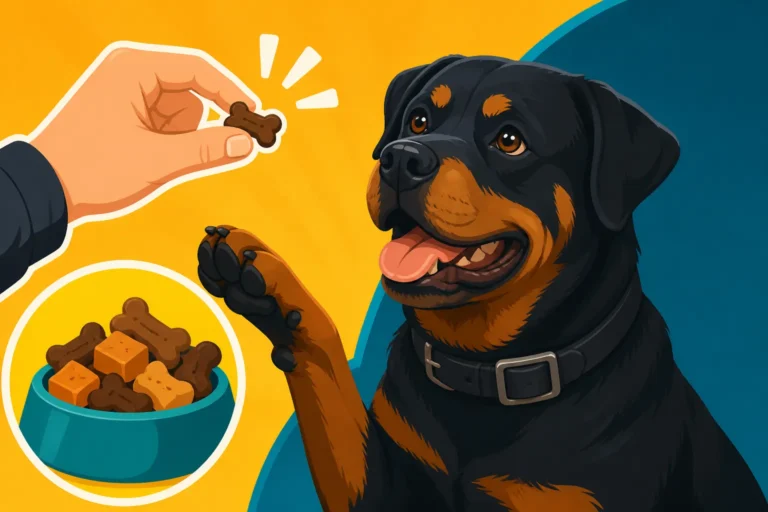
- Hand Delivery: Generally, deliver the treat from your hand. This helps prevent your dog from sniffing the ground for dropped treats and keeps their focus on you. This also ties into practicing Rottweiler Puppy Play Biting With Children, as it teaches them to take treats gently from a hand.
- Fading the Lure: In the beginning, treats might be used to lure your Rottweiler into a position (e.g., holding a treat over their head to encourage a sit). As they learn, transition to using the treat as a reward after they perform the action on cue. The goal is for the behavior to become reliable without the constant presence of a treat as a bribe. Sometimes, especially during Rottweiler Adolescence and Sudden Testing, you might need to lean more heavily on high-value treats and consistent rewards to reinforce good choices.
- Vary the Reward: Not every correct response needs a food treat. Sometimes a verbal "Good dog!" or a quick scratch behind the ears is enough, especially once a behavior is well-established. This keeps your dog guessing and prevents them from expecting a food reward every single time. However, for a challenging skill or in a distracting environment, don't be shy about those high-value food rewards. You can learn more about balancing treats and other rewards in Treat Allowance for a Rottweiler in Daily Training.
By understanding the unique needs of your large, powerful Rottweiler and selecting treats with intention, you'll set yourself up for more successful, efficient, and enjoyable training sessions.
Disclaimer
This article is for general informational purposes only and does not constitute professional advice. Laws, prices and regulations vary by location and change over time. Consult a qualified professional for guidance on your specific situation.