Aggression in a Rottweiler That Hides Bone Pain
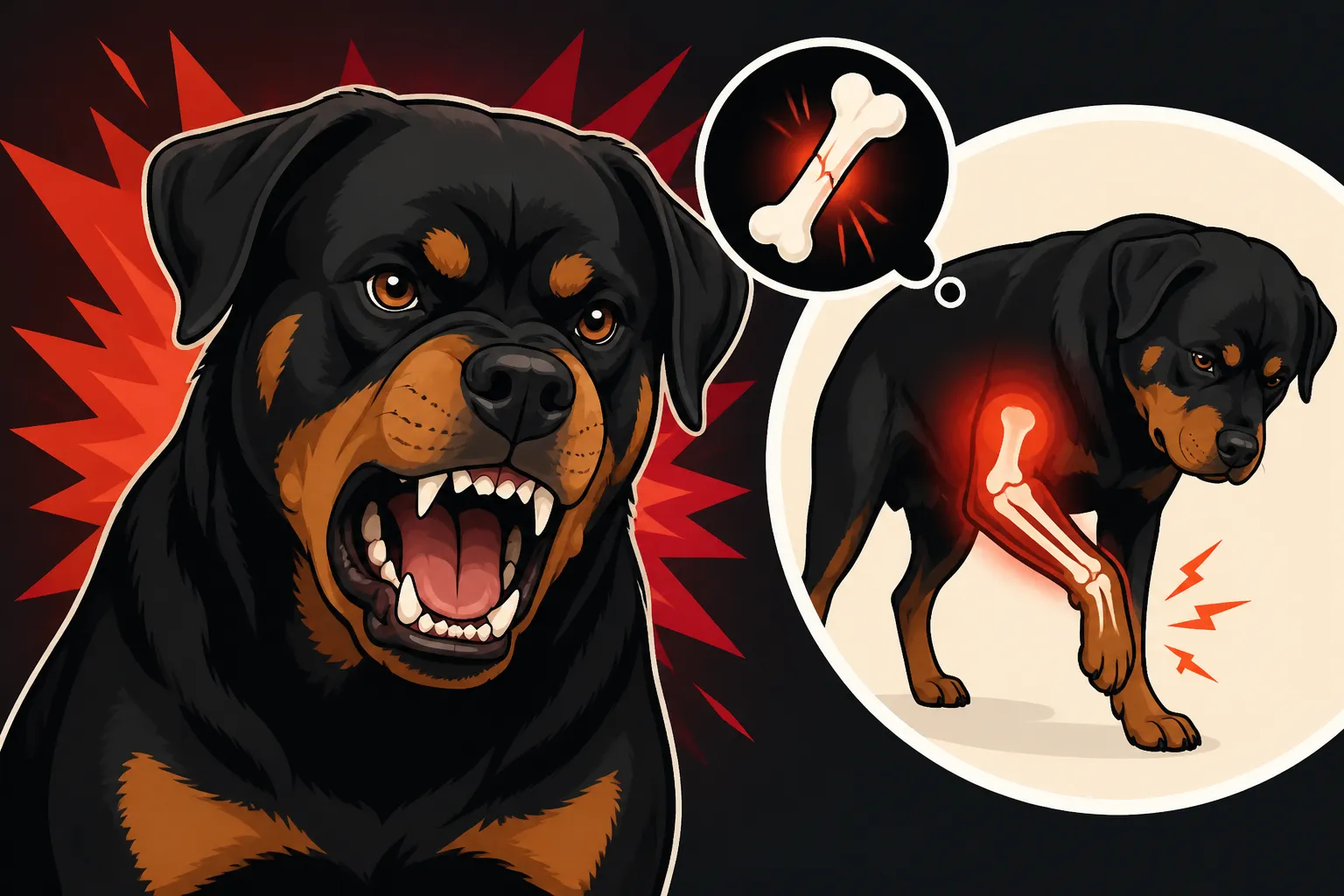
It can be incredibly confusing and heartbreaking when your usually steady, calm Rottweiler suddenly starts growling or snapping, especially if there's no obvious trigger. You might wonder if their temperament has changed, or if you've done something wrong, but often, these alarming behavioral shifts are a desperate cry for help, signaling underlying bone pain. This guide is here to help you understand why your Rottweiler might be acting out due to hidden discomfort and what steps you can take to help them.
The Unexpected Shift in Temperament: When Your Rottweiler Acts Out of Character
There are few things as unsettling as a sudden, out-of-character display of aggression from a dog you know and love, especially a powerful breed like a Rottweiler. One day, your dog might be a gentle giant, and the next, a simple touch sends them into a defensive snarl. This isn't just a "bad dog" scenario; it's often a signal that something profound has changed, and it demands our careful attention and empathy.
Sudden Growls and Snaps: Beyond "Just Being a Rottweiler"
When a Rottweiler, a breed known for its calm confidence and protective instincts, suddenly starts to growl when approached, or snaps when touched in a specific spot, it's natural for owners to feel a mix of confusion, fear, and even betrayal. You might hear well-meaning but misinformed comments like, "That's just a Rottweiler for you," or "You need to be more dominant." These kinds of remarks dismiss the underlying issue and place unfair blame, either on the breed or on your handling, when the real culprit could be something entirely different.
The truth is, while Rottweilers are powerful dogs with strong protective instincts, a sudden onset of aggression, especially within their own trusted household, is rarely just a breed trait manifesting randomly. It's often a clear signal that they are in distress, and their usually stable temperament is being overwhelmed by an internal struggle. Your gut feeling that something is truly wrong with your otherwise loving companion is usually spot on, and it’s important not to dismiss it.
For instance, imagine your Rottweiler, "Bear," has always loved having his head scratched and leaning into you for affection. Lately, though, when you reach for his head, he flinches, pulls away, and on a couple of occasions, has even let out a low, guttural growl – something he's never done before. This isn't Bear "just being a Rottweiler"; this is Bear communicating that a previously pleasant interaction has become painful or threatening, and he's using the only language he has to warn you.
Reading the Subtle Signs of Discomfort
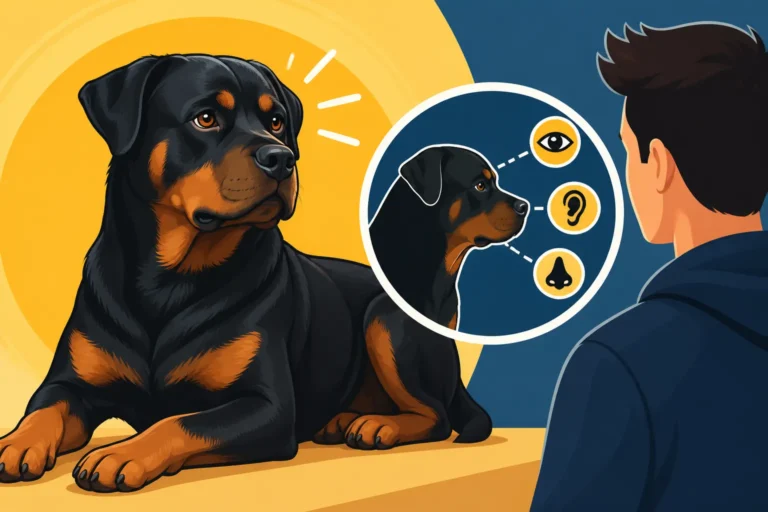
Rottweilers, like many stoic working breeds, are often masters at hiding pain. Their instinct is to appear strong and resilient, so they won't always limp dramatically or cry out. This means that aggression might be one of the first obvious signs that something is deeply wrong, long before a clear physical symptom emerges. Learning to read these subtle cues can be literally life-saving.
Beyond the obvious snarl, look for changes in routine or subtle shifts in their physical presentation. Is your dog reluctant to jump on the couch or into the car, something they once did with ease? Do they take longer to get up after lying down, perhaps with a slight groan or a stiff, shuffling movement? Are they sleeping in different positions, or isolating themselves more than usual? Even a slight change in appetite or a decreased desire to play could be an indicator of chronic discomfort.
Consider "Bella," a Rottweiler who used to greet everyone at the door with a full-body wag and a happy lean. Now, she stays on her bed when guests arrive, perhaps giving a soft tail thump but not getting up. If someone approaches her bed directly, she might stiffen and avoid eye contact, a sign of anxiety and potential pain. She hasn't growled yet, but her withdrawn behavior and reluctance to move freely are critical indicators. These subtle shifts are your dog's attempt to manage their pain by avoiding movements or interactions that might exacerbate it, and they are begging for you to notice.
Understanding Bone Pain in a Large Breed Like the Rottweiler
Bone pain in a large, heavy-boned breed like the Rottweiler is a serious matter. Their sheer size and musculature mean that orthopedic issues can be incredibly debilitating, leading to chronic discomfort that permeates every aspect of their lives. It's not just a little ache; it's often a deep, persistent pain that affects their mobility, their mood, and their ability to interact normally with the world.
Common Orthopedic Issues and Their Painful Reality
Rottweilers are predisposed to several orthopedic conditions that can cause significant bone and joint pain. These include conditions like hip dysplasia and elbow dysplasia, which are abnormal formations of the hip and elbow joints, leading to arthritis and severe discomfort over time. These aren't just puppy problems; they can develop and worsen throughout a dog's life. Many reputable breeders will have screenings done for Rottweiler Hips and Elbows and the 24-Month Rule to try and mitigate these issues, but even with careful breeding, they can still arise.
Beyond developmental issues, older Rottweilers are prone to conditions like arthritis, where cartilage wears down, causing bone-on-bone friction and chronic inflammation. Even more alarming, Rottweilers have a higher incidence of bone cancer, or osteosarcoma. This aggressive cancer usually strikes the long bones of the limbs and is intensely painful, often being the Osteosarcoma, the Cancer That Takes Most Rottweilers. This kind of pain is deep-seated and persistent, often worsening with movement, weight-bearing, or even just lying still. It can be intermittent at first, giving you false hope, but usually progresses to a constant, grinding agony.
Imagine your dog is experiencing a dull, throbbing ache in their hip every time they stand up or lie down, or a sharp, shooting pain in their leg when someone bumps it accidentally. This isn't something they can vocalize in human words, so their body language and behavioral changes become their primary communication.
How Pain Triggers Aggression: The Fight or Flight Response
It's crucial to understand that when a dog in pain exhibits aggression, it's almost never out of malice. Instead, it's a primal, instinctual response rooted in self-preservation. When a dog is hurting, they are vulnerable. Any approach, any touch, even a well-intentioned hug, can be perceived as a threat that might worsen their pain. Their aggression is a defense mechanism, a desperate attempt to create space and prevent further injury.
Think of it from their perspective: if every time you move a certain way, or someone touches you in a specific spot, it causes agony, you would instinctively try to stop those interactions. A growl is a warning, a snap is an escalation of that warning, all saying, "Stop! You're hurting me, or I'm afraid you will!" Chronic pain can also lead to a lowered pain threshold and general irritability. A dog that is constantly hurting is likely to be less tolerant of everyday annoyances, or even normal friendly interactions that they once enjoyed. Their patience wears thin, and their threshold for what they can cope with simply drops.
This shift isn't just behavioral; it's neurological. Chronic pain can alter brain chemistry, making dogs more anxious, fearful, and reactive. They might become hyper-vigilant, always anticipating the next painful sensation, which can make them lash out unpredictably. It’s why identifying and addressing the pain is paramount; it’s the key to understanding and resolving the Rottweiler Behavior Changes That Mean Pain.
The Diagnostic Journey: Finding the Root Cause of Bone Pain
Once you suspect pain is behind your Rottweiler's behavioral changes, the next crucial step is an immediate and thorough veterinary investigation. This isn't a time for guesswork; it's a time for skilled medical detective work to uncover the source of their suffering.
The Critical Vet Visit and Detailed Examination
When you head to the vet, don't just focus on the aggression. Provide your veterinarian with a comprehensive history of all the changes you've observed, no matter how minor they seem. This includes shifts in eating habits, sleep patterns, exercise tolerance, new favorite resting spots, or even subtle lameness you might have dismissed. The more information you provide, the better equipped your vet will be to connect the dots.
Your vet will perform a thorough physical examination, which will likely involve palpating your Rottweiler's entire body, paying close attention to the joints and long bones. They'll gently flex and extend limbs, looking for signs of pain, swelling, grinding, or limited range of motion. They'll also observe your dog's gait, asking them to walk and trot, perhaps up and down stairs or on different surfaces, to pinpoint any subtle lameness or stiffness. Sometimes, a vet might even observe your dog interacting with you, looking for any specific triggers to their defensive behaviors.
It’s important that your vet doesn't just treat the symptom (aggression) but delves deeper. They might also suggest ruling out other potential causes for behavioral changes, such as thyroid imbalances, neurological conditions, or even cognitive dysfunction, especially in older dogs. It's a multi-faceted approach to ensure no stone is left unturned. For instance, if your Rottweiler is past six years old, your vet might recommend a Cancer Screening for a Rottweiler Past Six to catch potential issues early.
Advanced Imaging and Specialized Consults
To truly diagnose bone pain, especially chronic or severe cases, advanced imaging is usually necessary. Standard X-rays are often the first step, providing a detailed look at bone structure, joint spaces, and any visible abnormalities like arthritis, fractures, or bone lesions. If your vet suspects something like osteosarcoma, X-rays are usually the initial way to see The X-Rays That Confirm Rottweiler Osteosarcoma. They can also reveal the tell-tale signs of hip or elbow dysplasia, giving a clear picture of joint health and degeneration, crucial for understanding conditions like Rottweiler Hip Dysplasia and the OFA Grade.
However, sometimes X-rays aren't enough, especially if the pain is in soft tissues, the spine, or very early stages of bone changes. In these cases, your vet might recommend more advanced imaging techniques such as a CT (Computed Tomography) scan or an MRI (Magnetic Resonance Imaging). These provide much more detailed, cross-sectional views of bones, joints, and surrounding soft tissues, helping to identify subtle tumors, nerve compressions, or complex joint pathologies.
In situations where a definitive diagnosis is elusive or the condition is complex, your primary vet might recommend a referral to a specialist. This could mean an orthopedic veterinarian, who specializes in musculoskeletal conditions, or a veterinary oncologist if cancer is suspected. These specialists have advanced training and equipment to provide the most precise diagnosis and treatment plan, ensuring your beloved Rottweiler receives the best possible care.
Managing Pain-Induced Aggression and Supporting Your Rottweiler
Once bone pain is diagnosed, the focus shifts to managing that pain effectively and creating an environment where your Rottweiler feels safe and comfortable. This dual approach helps address both the physical discomfort and the behavioral manifestations it has caused.
Pain Management Strategies: More Than Just Meds
Effective pain management for a large breed like a Rottweiler is often a multi-modal approach, combining different therapies to achieve the best results. Medications are usually the first line of defense. Non-Steroidal Anti-Inflammatory Drugs (NSAIDs) can significantly reduce inflammation and pain, while other pain relievers like gabapentin or tramadol might be prescribed, often in combination with NSAIDs, for more comprehensive pain control. Your vet will carefully choose the right medications and dosages, always monitoring for side effects, especially with long-term use. For a dog battling serious conditions like cancer, Pain Control for a Rottweiler With Bone Cancer becomes a central focus of their daily care.
Beyond pharmaceuticals, a host of complementary therapies can make a huge difference. Physical therapy, tailored by a certified canine rehabilitation specialist, can help maintain muscle mass, improve range of motion, and reduce stiffness, making movement less painful. Acupuncture can provide natural pain relief and improve circulation. Laser therapy, often used for localized pain and inflammation, can accelerate healing and provide comfort. Hydrotherapy (exercising in water) is fantastic for large dogs as it reduces impact on joints while still allowing for strengthening.
Making everyday life easier is also crucial. Consider mobility aids like ramps for getting into cars or onto furniture, rather than forcing jumps that cause pain. Helping a Senior Rottweiler Up the Stairs is vital, and a good quality sling can provide support for their hindquarters when navigating stairs or slippery floors. You can find a wide variety of these helpful tools, from supportive beds to mobility harnesses, readily available on platforms like Amazon, making it easier to adapt your home to your dog’s needs.
Environmental Adjustments and Safe Handling
Managing pain-induced aggression isn't just about medication; it's also about proactively managing your Rottweiler's environment and how interactions occur. The goal is to reduce triggers and prevent situations where they feel the need to resort to aggression. This means creating a calm, predictable, and safe space for them. Ensure they have a comfortable, orthopedic bed in a quiet area where they can retreat without being disturbed.
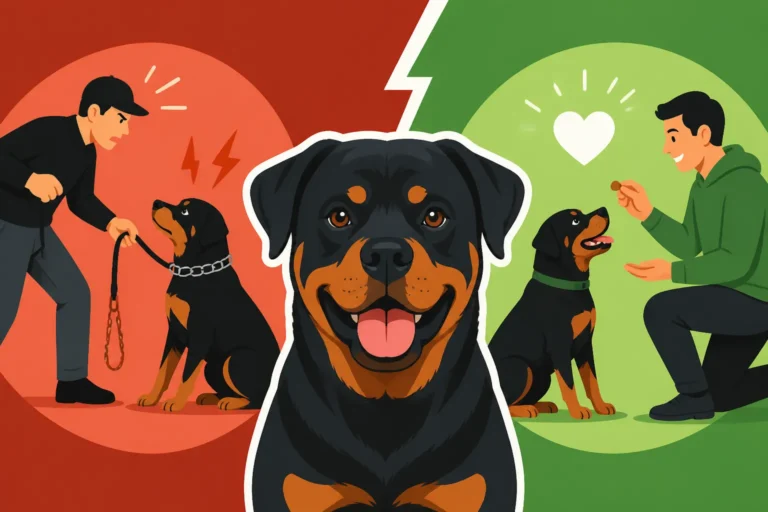
Educate everyone in the household, especially children, about your Rottweiler's condition and how to interact safely. Teach them where not to touch your dog, and to always approach gently and slowly. Avoid sudden movements or loud noises that might startle a dog already on edge from pain. If your dog is guarding a certain area, or reacting defensively to specific types of handling, respect those boundaries and work with your vet or a certified professional dog trainer to modify the behavior in a safe, positive way. A professional can help you implement strategies from resources like BAXTER & Bella, which offer comprehensive training programs that can aid in building confidence and safe handling techniques, even for dogs dealing with discomfort.
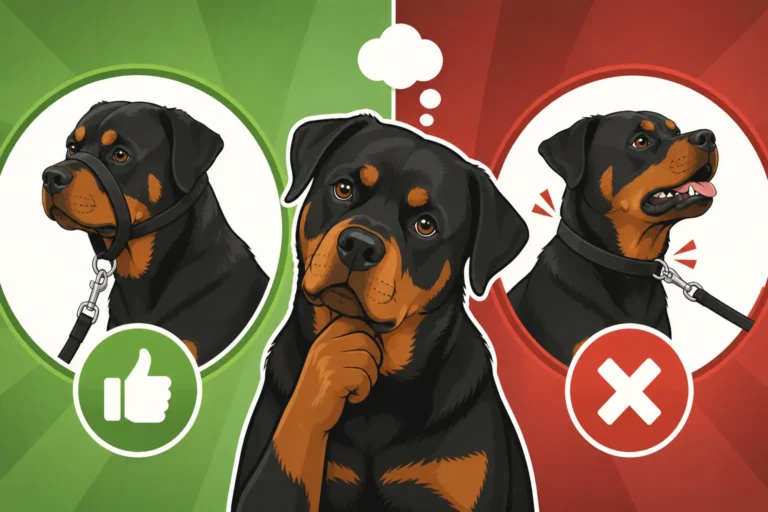
In some cases, particularly during periods of intense pain, or for necessary procedures like vet visits or grooming, muzzle training can be a responsible safety measure. A well-fitted muzzle, introduced positively, allows your dog to feel less threatened by necessary handling, as they know they cannot accidentally injure someone, and it provides immense peace of mind for owners and veterinary staff alike. This proactive step can prevent bites and make painful situations much less stressful for everyone involved. Investing time in Muzzle Training a Rottweiler Before You Need It is always a wise decision.
| Orthopedic Condition | Common Signs (beyond aggression) | Typical Diagnostics | Pain Management Approach |
|---|---|---|---|
| Hip Dysplasia | Lameness, "bunny hopping," difficulty rising, reluctance to run/jump, muscle atrophy in hindquarters | X-rays (OFA/PennHIP), physical exam | NSAIDs, joint supplements, weight management, physical therapy, sometimes surgery (FHO, THR) |
| Elbow Dysplasia | Front limb lameness (often unilateral), stiffness after rest, reluctance to play/exercise, "outward" turn of paw | X-rays, CT scan, physical exam | NSAIDs, joint supplements, physical therapy, weight management, sometimes surgery |
| Arthritis | Stiffness (especially after rest), lameness, reluctance to move, decreased activity, changes in posture | X-rays, physical exam, gait analysis | NSAIDs, joint supplements, acupuncture, laser therapy, weight management, moderate exercise |
| Osteosarcoma | Persistent lameness (often sudden onset), swelling on affected limb, reluctance to bear weight, pain on palpation | X-rays, biopsy, CT scan, bone scan | NSAIDs, palliative radiation, chemotherapy, amputation, pain medication |
Long-Term Care and Prognosis
Living with a Rottweiler experiencing chronic bone pain requires a deep commitment to ongoing care. It’s a marathon, not a sprint, and your role will evolve as their condition does. This journey can be emotionally challenging, but with the right approach, you can ensure your beloved companion maintains the best possible quality of life.
Ongoing Monitoring and Quality of Life
Long-term care for a Rottweiler with bone pain means establishing a regular routine of vet check-ups. These visits allow your veterinarian to monitor the progression of their condition, assess the effectiveness of current pain management strategies, and make necessary adjustments to medication dosages or therapy plans. It's not uncommon for pain protocols to need tweaking over time as the body adapts or the underlying condition advances.
Adapting daily routines is also critical. If your dog has hip pain, perhaps long walks on uneven terrain are replaced with shorter, more frequent strolls on soft ground, or swimming sessions that provide low-impact exercise. Raised food and water bowls can make eating more comfortable, particularly for dogs with neck or shoulder pain. As your Rottweiler approaches their golden years, specifically after the Senior Rottweiler Care After the Age of Seven, their needs will change even more dramatically, requiring greater patience and modification of their environment.
Ultimately, the goal is always to maximize your Rottweiler's quality of life. This involves constantly assessing their comfort level, their appetite, their engagement with the family, and their ability to enjoy simple pleasures. Tools like a "quality of life scale," often provided by vets, can help you objectively Scoring Quality of Life for a Rottweiler by considering various factors like pain, hygiene, happiness, and mobility, guiding you in making informed decisions about their ongoing care.
The Emotional Toll on Owners and Seeking Support
Watching your strong, vibrant Rottweiler succumb to chronic pain, especially when it manifests as aggression, can be incredibly taxing on your own emotional well-being. You might feel guilt, sadness, frustration, or even fear. It's heartbreaking to see them suffer, and confusing when their behavior changes from the dog you know. It’s okay to acknowledge these feelings; you are not alone in this experience.
Seek support for yourself. This might come from friends and family who understand your bond with your dog, or from online communities and support groups for owners of dogs with chronic illnesses. Your veterinary team can also be a wonderful resource for emotional support and practical advice. They've seen it all and can offer empathy and guidance through difficult times. If the aggression is particularly challenging, a veterinary behavioral specialist can provide tailored strategies and support, helping you and your dog navigate this complex situation safely.
There will come a time when, despite all efforts, pain management may no longer be sufficient to maintain a good quality of life. This is perhaps the hardest decision any pet owner faces. When pain-induced aggression becomes severe and untreatable, or when their suffering outweighs their joy, making end-of-life decisions for a Rottweiler becomes a loving, compassionate choice. Discussions about Making End-of-Life Decisions for a Rottweiler should be had openly and honestly with your veterinarian, ensuring your dog's dignity and comfort are prioritized until the very end.
Disclaimer
This article is for general informational purposes only and does not constitute professional advice. Laws, prices and regulations vary by location and change over time. Consult a qualified professional for guidance on your specific situation.