Rottweiler Puppy Play Biting With Children
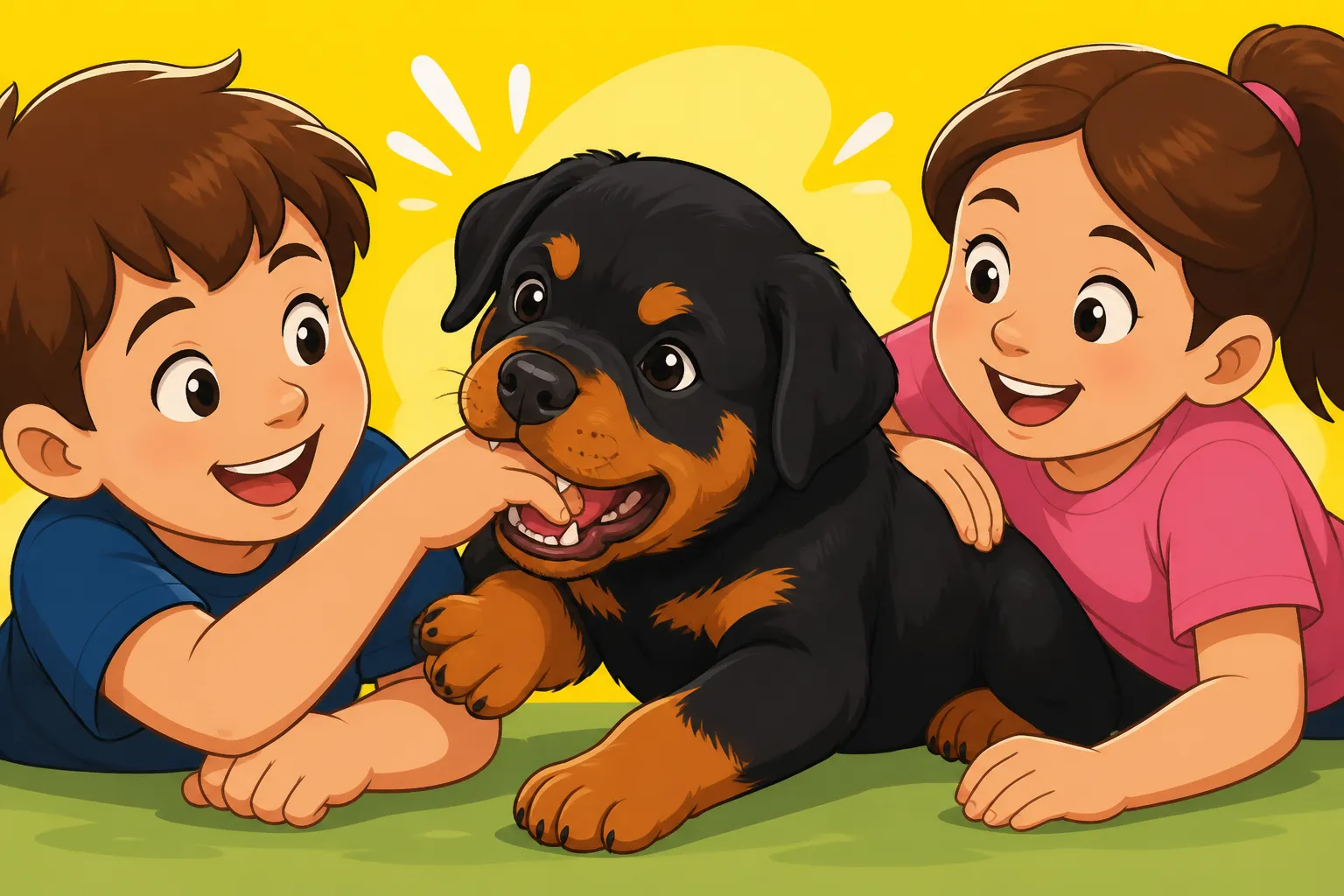
There’s nothing quite like the joy and chaos a new Rottweiler puppy brings into a home, especially when you have children. Those tiny needle teeth might seem cute at first, a sign of playful puppy antics, but when they connect with a child’s delicate skin, the charm quickly wears off. The incessant nipping, tugging, and downright biting during play can turn what should be joyful interactions into tearful moments, leaving parents frustrated and kids wary. This guide is here to walk you through understanding why your Rottweiler puppy is doing this, how to effectively teach them better manners around your little ones, and how to create a harmonious household where everyone, two-legged and four-legged alike, feels safe and happy.
Understanding Rottweiler Puppy Play Biting
It's a common scenario: you bring home that adorable, fluffy Rottweiler puppy, and your kids are over the moon. Then, the razor-sharp teeth appear, making playtime a minefield. You might find yourself wondering if your puppy is "mean" or if this is just normal. Let's dig into why this happens and what makes a Rottweiler puppy's biting particularly challenging.
Why Puppies Bite – It's Natural, But Painful
First off, let's establish a foundational truth: puppies bite. They just do. It's how they explore their world, how they communicate with their littermates, and how they learn about bite inhibition – the crucial lesson that too much pressure hurts. Think of a litter of puppies tumbling around: they bite each other's ears, tails, and legs, and when one bites too hard, the other yelps and pulls away. This immediate feedback is invaluable. It's their first classroom for Teaching Bite Inhibition to a Rottweiler Puppy.
However, human skin is far more sensitive than a puppy's tough hide, and our reactions are often different from those of another puppy. A child, especially, might not understand to yelp, freeze, or redirect. They might just scream, cry, or run, which can, paradoxically, excite the puppy even more and make them chase. It's not malice; it's instinct and a lack of understanding boundaries in a new environment. Your puppy isn't trying to hurt your child; they're trying to play the only way they know how, and they haven't yet learned that this particular play style is not acceptable with their human family.
The Rottweiler Factor: Size and Strength Even as a Puppy
Now, add the "Rottweiler" element to this equation. Even as puppies, Rottweilers are substantial. They grow quickly, and what might be a minor nip from a smaller breed puppy can feel like a significant chomp from a Rottie. Their jaws are already strong, and their instincts, honed over centuries as drovers and guardians, mean they have a natural inclination to use their mouths. This isn't about aggression; it's about their heritage. They're bred to be powerful dogs, and that power is evident even in their early months.
This rapid growth also means that their puppy teeth, which are notoriously sharp, quickly give way to larger, stronger adult teeth. If you don't address play biting early, you're not just dealing with needle-sharp nips, but soon with the considerable force of a growing Rottweiler's jaw. It's why we emphasize starting training from the moment they arrive home. A Rottweiler puppy needs clear, consistent guidance on what's acceptable long before they reach their imposing adult size. For insights into their early development, consider reading What a Rottweiler Learns in Its First Eight Weeks Home. Ignoring this behavior with the hope that they'll "grow out of it" is a recipe for disaster, as When Rottweiler Mouthing Stops Being Cute becomes a serious concern.
Teaching Bite Inhibition to Your Rottweiler Puppy with Kids Around
The goal isn't to stop your Rottweiler puppy from ever using their mouth; it's to teach them how to use it gently and appropriately, especially around children. This is called bite inhibition, and it's one of the most vital lessons your puppy will ever learn. It’s about teaching them that human skin is fragile, and even in play, teeth should never make contact with it.
The "Ouch!" Method Adapted for Children
The classic "ouch" method works well for puppies and adults, but it needs to be adapted when children are involved, primarily because a child’s natural reaction might not be calm or consistent. Here’s how you can make it work:
When your Rottweiler puppy nips too hard:
- Immediate, Clear Communication: As soon as those teeth make painful contact, let out a sharp, high-pitched "Ouch!" or "Yelp!" – something akin to what another puppy would do. This should startle the puppy.
- Withdraw Attention Immediately: The second you say "ouch," remove your hand or body part from their mouth. Then, immediately turn your back, cross your arms, and completely ignore them for about 10-15 seconds. No eye contact, no talking, no petting. The message is: hard biting makes the fun stop.
- Resume Play Gently: After the short "timeout," you can calmly re-engage. If the puppy bites hard again, repeat the process. The goal is to teach them that gentle mouthing allows play to continue, but hard biting ends it.
- Practice with Children (Supervised!): For children, this is trickier. They might cry or get scared. Instead of expecting a child to consistently perform the "ouch" and ignore, you become the primary responder. If the puppy nips a child, you, the adult, should step in, say "ouch," and immediately remove the puppy from the child and place them in a short "timeout" in a separate, puppy-proofed area (like a playpen or crate) for 10-20 seconds. This is not punishment, but a clear signal that biting people makes the fun stop. Then, redirect the puppy to an appropriate chew toy.
The consistency is key here. Every single family member, including older children who can understand the rules, needs to follow this protocol. Inconsistency confuses the puppy and prolongs the learning process.
Redirecting Biting to Appropriate Chews
This is perhaps the most practical and frequently used strategy. Puppies have an innate need to chew and mouth. Instead of trying to suppress this natural behavior, you need to channel it towards acceptable outlets.
Keep a variety of appropriate Rottweiler Chew Toys That Survive the Jaw readily available. When your puppy starts to mouth or nip at a person, immediately shove an approved chew toy into their mouth. Praise them enthusiastically when they take the toy and chew on it instead. This teaches them: "You want to chew? Great! Chew this, not my hand, not my child, not the furniture."
Consider having toys of different textures and hardness to keep them interested. Some good options include hard rubber toys (like those from KONG or similar brands available on Amazon), nylon bones, or braided ropes. Avoid anything that can splinter or be easily ingested, especially as your Rottweiler grows and their jaw strength increases. The idea is to satisfy that chewing urge in a safe, constructive way. Make sure to rotate toys to keep things novel and exciting, ensuring your puppy always has something more appealing than your child's fingers or toes.
Supervising Play and Managing Interactions
Supervision is non-negotiable, especially when you have a Rottweiler puppy and young children. You cannot expect a small child to effectively manage a strong, growing puppy's impulses, and you cannot expect a puppy to instinctively know the rules around human children.
- Active Supervision: This means you are present and attentive during all interactions. No checking your phone, no multitasking. You need to be ready to intervene at a moment's notice.
- Short, Structured Play Sessions: Instead of letting the puppy and children "figure it out" for hours, manage short, positive play sessions. Use a leash during these sessions so you can easily guide your puppy away if they get too mouthy or over-excited.
- Physical Barriers: When you can't actively supervise, use physical barriers. Baby gates are your best friend. Create designated "safe zones" for both your puppy and your children. A crate for the puppy, or a playpen, gives them a secure space to decompress. For children, a gated-off room provides a quiet escape from an overzealous puppy. This separation prevents accidental nips and gives everyone a much-needed break.
- Understand Puppy Body Language: Learn to recognize when your puppy is getting over-stimulated – excessive panting, frantic zooming, ignoring commands, or persistent nipping. This is your cue to end the interaction and give the puppy a quiet space to calm down.
Remember, A Rottweiler Puppy That Will Outweigh the Children needs careful management to ensure safe interactions from the very beginning.
Strategies for Preventing Biting Incidents
Prevention is always better than cure. By being proactive and setting clear boundaries, you can significantly reduce the likelihood of biting incidents and foster a positive relationship between your Rottweiler puppy and your children.
Creating a Safe Environment for Both Child and Puppy
A well-structured environment minimizes opportunities for trouble and maximizes opportunities for appropriate behavior.
- Designated Spaces: Just as mentioned with supervision, creating separate, safe spaces is crucial. The puppy needs a comfortable crate or playpen where they can relax without being bothered. This is not a punishment area but a personal den. Children also need areas where they can play freely without the puppy jumping, nipping, or getting into their toys. These separate spaces prevent conflicts over resources and give everyone a chance to decompress.
- Puppy-Proofing: Beyond protecting your belongings, puppy-proofing the child's play areas (and vice versa) helps prevent issues. Remove small toys that could be choking hazards for the puppy. Teach children to pick up their toys, especially those that might be tempting for chewing. This proactive approach helps prevent situations where a puppy might grab a child's toy and then guard it, leading to potential issues like Rottweiler Resource Guarding at Home.
- Consistent Routines: Predictability helps puppies feel secure. Establish consistent feeding, potty, play, and nap schedules. A tired, overstimulated puppy is more likely to be mouthy. Ensuring your puppy gets adequate rest in their quiet space can dramatically reduce nipping behavior.
Enrolling in Puppy Classes for Socialization and Structure
Puppy classes are not just for basic obedience; they are critical for socialization and helping your Rottweiler puppy learn appropriate social behaviors, including how to interact gently with different people.
- Structured Socialization: Look for Puppy Classes That Accept Rottweilers that emphasize positive reinforcement and offer supervised off-leash play with other puppies of similar size and play style. This allows your puppy to continue learning bite inhibition from their peers, in a safe and controlled environment. They'll learn what "too hard" means from another dog's yelp.
- Exposure to Different People: A good puppy class will expose your Rottweiler to various people – men, women, children (if the class allows responsible, supervised child visitors). This helps your puppy generalize that all human hands are to be treated gently. This is part of a broader program of Rottweiler Socialization Before Sixteen Weeks that extends beyond just other dogs.
- Learning Basic Cues: Commands like "sit," "stay," "leave it," and "drop it" are invaluable tools for managing a mouthy puppy. "Leave it" can divert attention from a child's hand, and "drop it" can prevent a tug-of-war over a cherished toy. Many online training programs, such as those offered by BAXTER & Bella, can help reinforce these commands at home between classes. They provide a structured curriculum that supports consistent training.
Remember, even after puppy classes, ongoing socialization and training are essential for a Rottweiler throughout their Rottweiler Puppy Training Through the First Year.
Involving Children Safely in Training
It might seem counterintuitive to involve children, especially if they’re the ones being bitten, but teaching them how to safely interact and participate in training empowers them and helps build a stronger bond.
- Simple Commands: Teach your children how to give simple, clear commands like "sit" or "down" and reward the puppy with a treat. This helps the puppy associate children with positive experiences and leadership, rather than just sources of exciting, chase-worthy movement.
- The "Treat Toss": Instead of letting children offer treats by hand (which can encourage nipping), teach them to gently toss treats away from themselves. This rewards the puppy for good behavior while keeping the child's hands safe. It’s also a great way to build a positive association with the children.
- Understanding Puppy Limits: Educate children about puppy body language. Teach them when the puppy is tired, overstimulated, or needs space. This helps them respect the puppy's boundaries, reducing the chance of unwanted interactions. For example, learning to recognize Reading a Still Rottweiler That Is Not Relaxed can prevent a child from approaching a puppy that needs quiet time.
- "Statue Game": Teach children that if the puppy gets too rough or bitey, they should stand still like a "statue" with their hands tucked in, rather than running or squealing, which can escalate the puppy's excitement. As soon as the puppy disengages, they can walk away.
Always supervise these interactions and ensure the children are not teasing or engaging in rough play that could encourage biting.
When to Seek Professional Help and What to Look For
While puppy biting is normal, there are times when it can escalate beyond typical puppy behavior. Knowing when to call in a professional is crucial for the safety of your family and the well-being of your dog.
Recognizing Escalating Behavior
Most puppy nipping is curiosity and play. However, some signs can indicate that the behavior is becoming more serious:
- Increasing Intensity or Frequency: If the bites are getting harder, causing more pain or breaking the skin more often, despite your consistent efforts, it's a red flag.
- Lack of Bite Inhibition: If your puppy consistently bites hard even after you yelp or withdraw, and shows no signs of learning to moderate their pressure, this is concerning. They haven't learned the "ouch" lesson effectively.
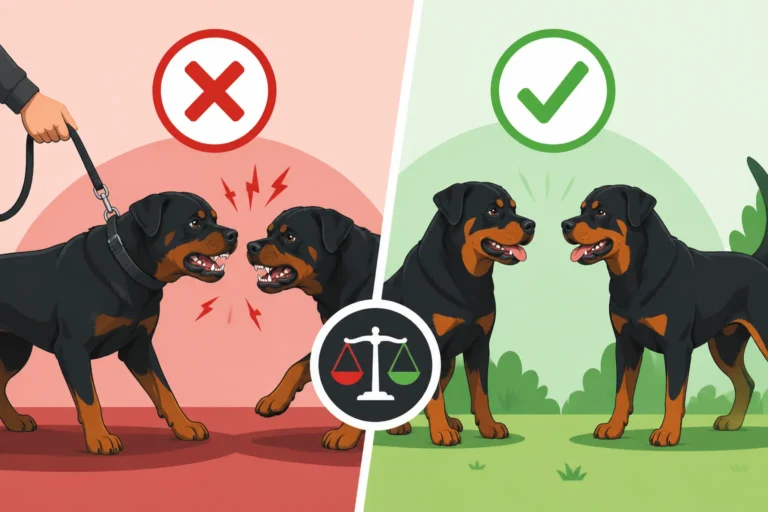
- Aggressive Body Language: Watch for stiff body posture, growling (not the happy Rottweiler rumble, but a warning growl), snarling, rigid staring, or refusal to disengage. These are not typical play behaviors. If your puppy starts to show signs of Why a Rottweiler Freezes Over Its Bowl or other forms of resource guarding with children, it's time for intervention.
- Targeting: If the puppy consistently targets children specifically, or goes straight for hands/feet with a hard bite rather than general playful mouthing.
- Fear or Anxiety-Induced Biting: Sometimes puppies bite out of fear or anxiety. If your puppy seems overwhelmed by interactions with children and resorts to biting, rather than engaging playfully, that's another sign for concern.
If you observe any of these escalating behaviors, don't delay. Early intervention is key.
Finding a Qualified Trainer or Behaviorist
Not all dog trainers are created equal, and for a Rottweiler, you need someone with specific experience and knowledge.
- Look for Experience with Large Breeds and Families: When searching for Finding a Rottweiler-Experienced Trainer Near You, prioritize those who have extensive experience with large, powerful breeds like Rottweilers and, crucially, experience working with families that have children. Ask about their philosophy on bite inhibition and how they handle puppy-child dynamics.
- Positive Reinforcement Focus: Always choose a trainer who uses positive reinforcement methods. Avoid anyone who suggests harsh corrections, punitive tools (like shock collars), or methods that rely on fear or intimidation. These approaches can damage your relationship with your Rottweiler and can actually increase aggression in a breed with a strong guarding instinct.
- Certifications and Credentials: Look for trainers certified by reputable organizations, such as the Certification Council for Professional Dog Trainers (CCPDT), Karen Pryor Academy (KPA), or a board-certified veterinary behaviorist (Dip ACVB). These certifications indicate a professional understanding of animal learning and behavior.
- In-Home Consultations: An in-home consultation can be particularly beneficial as it allows the trainer to observe your puppy's behavior in its natural environment and assess the dynamics between your puppy and children directly. They can provide tailored advice and hands-on guidance.
Addressing Rottweiler puppy play biting with children requires patience, consistency, and a proactive approach. By understanding your puppy's natural instincts, implementing effective training strategies, and creating a safe, structured environment, you can guide your Rottweiler puppy to become a gentle and beloved family companion, fostering a lifetime of positive interactions with your children.
| Behavior Type | Common Puppy Play Biting Signs | Escalating/Concerning Signs | Action Needed |
|---|---|---|---|
| Bite Pressure | Nips that cause light pressure, quickly release | Bites that break skin, leave deep marks, or don't release quickly | Immediate professional consult |
| Motivation | Playful lunges, chasing, attempts to mouth hands/feet | Aggressive posturing, growling, snarling, guarding | Seek professional behaviorist |
| Response to "Ouch" | Puppy startles, pauses, or lessens pressure | Puppy ignores "Ouch," bites harder, or escalates excitement | Reinforce training, consider professional help |
| Body Language | Loose, wiggly body, play bow, wagging tail (if natural) | Stiff body, whale eye, lowered head, rigid tail (if natural) | Recognize stress/fear, consult professional |
| Targeting | Mismatched mouthing of hands, clothes during general play | Direct, repeated targeting of children's faces/sensitive areas | High concern, urgent professional intervention |
Disclaimer
This article is for general informational purposes only and does not constitute professional advice. Laws, prices and regulations vary by location and change over time. Consult a qualified professional for guidance on your specific situation.