Puppy Classes That Accept Rottweilers
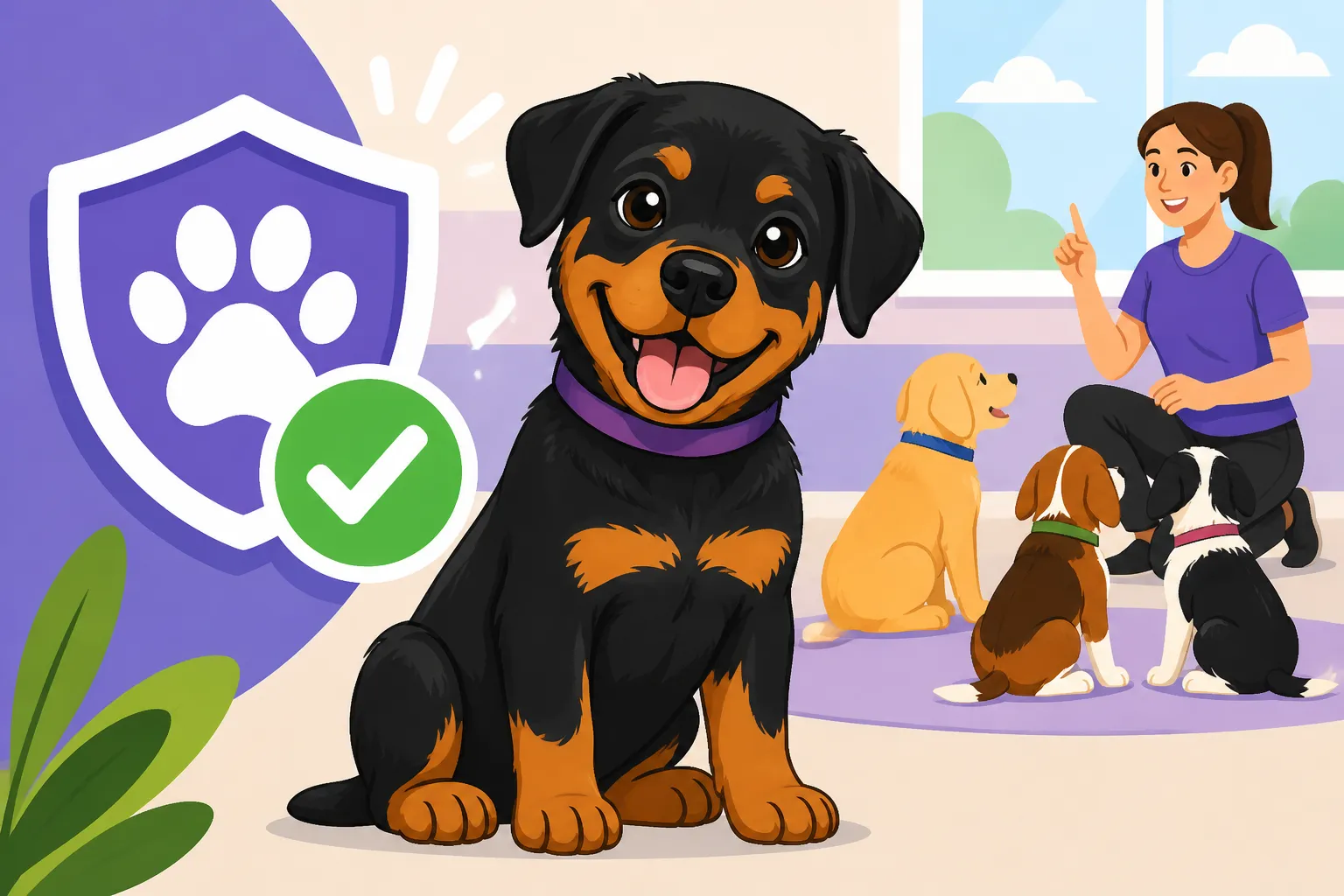
Finding a puppy class that truly understands and welcomes a Rottweiler can feel like an uphill battle. Many owners face hesitation from trainers or classes that aren't equipped for a large, powerful breed, which is a real shame because early socialization and training are absolutely critical for these magnificent dogs. This guide is here to walk you through exactly what to look for and how to confidently choose the right puppy class that will set your Rottweiler up for a lifetime of success and good behavior.
The Unique Challenges of Enrolling a Rottweiler in Puppy Class
Let's be honest, walking into a typical puppy class with a Rottweiler puppy can sometimes feel like you're an anomaly. While all puppies are cute, there's often a different perception when a Rottweiler is involved, even when they're still small and wobbly. These challenges aren't insurmountable, but recognizing them upfront helps you advocate for your pup and choose the right environment.
Breed Stereotypes and Misconceptions
One of the biggest hurdles Rottweiler owners face is the pervasive breed stereotypes. Despite their gentle nature with their families, Rottweilers often carry an undeserved reputation for aggression. This can lead to trainers, and even other puppy owners, feeling a little wary. You might encounter classes that have blanket breed restrictions or trainers who, while not overtly discriminatory, lack experience with the specific nuances of the Rottweiler temperament. It's frustrating, because what your Rottweiler needs most at this stage is positive, structured exposure to the world, other dogs, and various people. Without this crucial early foundation, those very stereotypes can become self-fulfilling prophecies, not because of the dog's inherent nature, but because of a lack of proper guidance. Remember, your Rottweiler puppy is a blank slate, and their early experiences will profoundly shape their confidence and behavior.
Size and Strength Considerations
A Rottweiler puppy grows at an astonishing rate. What starts as a cuddly, 15-pound ball of fluff will quickly become a sturdy 50-pound adolescent, and eventually a powerful 100-plus-pound adult. This rapid growth, coupled with their inherent strength, means that a trainer needs to be prepared to handle a large, enthusiastic dog, even in puppyhood. Some general puppy classes might be designed for smaller breeds, where a rough-and-tumble Rottweiler puppy could unintentionally overwhelm smaller playmates or even the human handlers. It's not about malice on the puppy's part; it's simply about their size and play style. Imagine a Rottweiler puppy learning Teaching a Rottweiler Puppy That Teeth Hurt when its jaw strength is already considerably more robust than a Beagle puppy's. Trainers must be skilled in managing different sizes and energy levels to ensure safety for all puppies involved, and that includes understanding appropriate play.
The Importance of Early Socialization for Rottweilers
Given their guarding instincts and naturally reserved nature, early and positive socialization is absolutely non-negotiable for a Rottweiler. This isn't just about meeting other dogs; it's about experiencing a wide variety of sights, sounds, textures, and people in a way that builds confidence, not fear or anxiety. A well-socialized Rottweiler is a confident, calm, and trustworthy companion, but without it, they can become fearful, reactive, or overly protective. Puppy class provides a controlled environment for this crucial learning phase. It’s where they learn appropriate play etiquette, develop bite inhibition, and begin to understand how to interact politely with the world. Missing out on this period, especially Rottweiler Socialization Before Sixteen Weeks, can create behavioral challenges down the road that are much harder to correct once your puppy matures and gains its formidable adult strength. This early foundation directly impacts how your Rottweiler will handle new situations, strangers, and other animals throughout their life.
What to Look For in a Rottweiler-Friendly Puppy Class
Since not all puppy classes are created equal, especially when you have a Rottweiler, knowing what to specifically look for can save you a lot of time and potential frustration. The right class won't just tolerate your Rottweiler; it will actively support their development.
Trainer Experience with Large Guardian Breeds
This is perhaps the most critical factor. When you're interviewing potential trainers, don't be shy about asking pointed questions: "What experience do you have with Rottweilers specifically, or other large guardian breeds like German Shepherds, Dobermans, or Mastiffs?" A trainer who has worked with these types of dogs understands their specific needs – their sensitivity, their protective instincts, their physical power, and their sometimes "wait-and-see" approach to strangers. They'll know how to manage play sessions so that everyone stays safe, how to read subtle Rottweiler body language (which can be different from, say, a Labrador), and how to guide you in shaping their natural instincts responsibly. A trainer who dismisses breed differences or claims "all puppies are the same" might not be the best fit for your Rottweiler, regardless of their general certification. Look for someone who can articulate why certain training approaches might be particularly beneficial or detrimental for a Rottweiler's specific temperament.
Class Structure and Safety Protocols
The physical setup and rules of the class are just as important as the trainer's expertise.
- Class Size: A smaller class size (e.g., 4-6 puppies) generally allows for more individualized attention and better management of dynamics, which is ideal for a growing Rottweiler.
- Supervision: High-quality puppy classes will have excellent supervision, often with more than one instructor or assistant, to closely monitor interactions and intervene positively when needed.
- Play Area Management: Ask about how play sessions are structured. Do they separate puppies by size or play style? Do they allow puppies to take breaks? For a large breed puppy, having designated play groups or very carefully supervised mixed play is crucial to prevent accidental rough play that could scare smaller puppies or inadvertently teach your Rottweiler to be overly boisterous.
- Safety Measures: Inquire about vaccination requirements for all puppies. A reputable class will insist on age-appropriate vaccinations to protect all participants.
- Management Tools: How do they handle an overly excited or shy puppy? Are leashes and harnesses used consistently? Do they have barriers or crates for quiet time? A trainer who uses appropriate management techniques shows they prioritize safety and positive learning experiences.
Positive Reinforcement Methods
For Rottweilers, positive reinforcement is the golden standard. These dogs thrive on clear communication, consistency, and positive motivation. Harsh corrections, punishment, or fear-based training methods can severely damage the bond you have with your Rottweiler and lead to mistrust, fear, and even aggression later on. Imagine a trainer using physical force to stop a Rottweiler puppy from jumping; this can quickly escalate into a power struggle or create a dog that suppresses natural behaviors out of fear, only to react unexpectedly later. Instead, look for trainers who use rewards like treats, toys, and praise to encourage desired behaviors. They should focus on teaching your puppy what to do, rather than punishing what not to do. This approach builds confidence, strengthens your relationship, and makes learning enjoyable for your Rottweiler. As we've discussed, Why You Should Never Punish a Rottweiler Growl is a critical lesson for any Rottweiler owner and good trainers understand this nuance.
Curriculum that Supports Large Breed Growth
The curriculum should be tailored, or at least adaptable, to the needs of a growing large breed.
- Bite Inhibition: This is paramount. A Rottweiler puppy needs to learn a soft mouth, and the curriculum should explicitly address how to teach Rottweiler Bite Inhibition and the Adult Mouth through controlled play and redirection.
- Leash Manners: Even as puppies, practicing leash manners is essential. Learning to walk politely on a leash before they hit 100 pounds is much easier than trying to correct a strong pulling habit later. The class should introduce concepts that lay the groundwork for Teaching a Rottweiler Not to Pull at 110 Pounds.
- Foundation Behaviors: Beyond basic sits and stays, the curriculum should focus on impulse control, polite greetings, coming when called, and comfortable handling. These are all critical skills for a large, powerful dog that needs to be a well-mannered citizen.
- Confidence Building: Exposure to novel objects, surfaces, and sounds within a safe context will help your Rottweiler puppy develop into a well-adjusted adult. A good class integrates these elements into their lessons.
Where to Find and Evaluate Potential Puppy Classes
Finding the right class can feel like detective work, but it's worth the effort. You're looking for a partner in your Rottweiler's early development.
Asking for Recommendations and Referrals
Your best resources are often those already immersed in the Rottweiler community.
- Reputable Breeders: If you got your puppy from a responsible breeder, they are a treasure trove of information. They often have long-standing relationships with trainers who understand the breed and can provide excellent referrals.
- Rottweiler Breed Clubs: Local and national Rottweiler clubs (such as the American Rottweiler Club) often maintain lists of recommended trainers or can put you in touch with experienced owners who can share their experiences.
- Veterinarians: Your vet or vet technicians often know local trainers with good reputations, particularly those who handle large or working breeds. They see the results of good and bad training firsthand.
- Trusted Dog-Owning Friends: While their breed might be different, a friend with a well-behaved dog can often recommend a training facility that maintains high standards of care and instruction, even if you still need to vet their specific experience with Rottweilers.
Online Resources and Platforms
The internet offers a vast array of options, but you need to be discerning.
- Dog Training Directories: Websites that list certified professional dog trainers (such as those from the Certification Council for Professional Dog Trainers or the Karen Pryor Academy) are a great starting point. You can filter by location and often look for trainers who list experience with specific breeds or behavioral issues.
- Social Media Groups: Local dog-owner groups on platforms like Facebook can be helpful for recommendations, but always take them with a grain of salt and do your own research. You can ask for experiences with particular trainers or facilities in your area.
- Reviews: Look at Google reviews, Yelp, and other independent review sites for insights into a trainer's approach, facility cleanliness, and customer service. Pay attention to reviews from owners of larger or more challenging breeds, as their experiences might be more relevant to you.
- Online Training Programs: While not a replacement for in-person socialization, online platforms can supplement your training. For instance, BAXTER & Bella offers comprehensive online puppy programs that can teach you many skills at home, which can be invaluable preparation before or alongside an in-person class. These programs often provide structured curricula and support that can help you feel more confident in training your Rottweiler puppy. You can also find a vast array of training tools and books on Amazon to help with at-home practice.
Interviewing Trainers and Visiting Classes
Once you have a shortlist, it's time to get hands-on.
- Phone Interview: Call potential trainers and ask your prepared questions. Don't feel rushed. A good trainer will be happy to discuss their philosophy, methods, experience, and class structure. Ask about their policy on problematic behaviors, how they handle different play styles, and what their class size typically looks like.
- Observe a Class: Ask if you can observe a puppy class without your puppy. This is crucial. Watch the trainer's interactions with the puppies and owners. Are they calm and patient? Do the puppies look engaged and happy? Do the owners seem supported? Pay attention to how they manage larger puppies versus smaller ones. Does their approach align with positive reinforcement principles?
- Facility Tour: Take a tour of the facility. Is it clean, well-lit, and spacious enough for larger puppies to move around comfortably? Do they have safe, secure outdoor areas if outdoor training is part of the curriculum?
- Gut Feeling: Trust your instincts. You need to feel comfortable and confident in the trainer's ability to guide both you and your Rottweiler puppy.
Here's a quick comparison table to help you evaluate:
| Feature | Red Flags (Less Ideal for Rottweilers) | Green Flags (Ideal for Rottweilers) |
|---|---|---|
| Trainer Experience | No specific experience with large/guardian breeds; "all puppies are the same" | Extensive experience with Rottweilers, German Shepherds, Dobermans |
| Training Methods | Uses harsh corrections, leash pops, dominance theory; relies on fear | Exclusively positive reinforcement; focuses on reward-based learning |
| Class Size | Very large classes (10+ puppies); chaotic play | Small class sizes (4-6 puppies); calm, structured play sessions |
| Play Management | Unsupervised free-for-all play; no separation by size/temperament | Carefully supervised play; puppies matched by size/play style; quiet breaks |
| Safety Protocols | Lax vaccination requirements; messy facility | Strict vaccination checks; clean, secure facility |
| Curriculum Focus | Primarily basic obedience; no emphasis on bite inhibition/impulse control | Strong emphasis on bite inhibition, impulse control, polite greetings; large breed considerations |
| Owner Support | Discourages questions; critical of owners or puppies | Encourages questions; offers individualized feedback; supportive atmosphere |
Preparing Your Rottweiler Puppy for Success
Getting into the right puppy class is just the beginning. Your active participation and preparation will greatly influence your Rottweiler's success.
Pre-Class Socialization and Basic Skills
Even before your first class, you can begin laying a strong foundation at home.
- Exposure to Novelty: Safely introduce your puppy to different sounds, textures, and sights within your home and yard. Play different types of music, let them walk on various surfaces (carpet, tile, grass), and expose them to household noises like the vacuum cleaner or doorbell in a positive way.
- Gentle Handling: Practice handling your puppy all over their body – touching their paws, ears, tail, and mouth. Pair this with yummy treats so they associate handling with positive experiences. This will be invaluable for vet visits and grooming sessions.
- Basic Cues: Start teaching simple cues like "sit," "down," and "come." Keep sessions short, fun, and highly rewarding. This helps your puppy learn how to learn and builds communication between you.
- Controlled "Meetings": If possible, arrange very controlled, positive meetings with calm, fully vaccinated adult dogs you trust, one at a time. This isn't the free-for-all of a dog park, but a carefully managed interaction to teach polite greetings. Remember, The Rottweiler Socialization Checklist by Week can be a great resource for ideas.
Essential Gear for Puppy Class
Having the right equipment ensures both your comfort and your Rottweiler's safety and learning.
- Leash and Collar/Harness: A sturdy, comfortable 6-foot leash (not retractable) is essential. For collars, a flat buckle collar is standard. Many Rottweiler owners opt for a front-clip harness or a head halter, even in puppyhood, to help manage their strength and prevent pulling. Experiment before class to see what your puppy is most comfortable with. You can find a good selection of durable leashes and harnesses for large breeds on Amazon.
- High-Value Treats: Bring plenty of soft, pea-sized, high-value treats that your puppy absolutely loves. Think boiled chicken, cheese, or specialized training treats. The higher the value, the more motivated your puppy will be to learn in a distracting environment.
- Water and Bowl: Your puppy will get thirsty during play and training, so bring water and a collapsible bowl.
- Chew Toy/Mat: Sometimes puppies need a quiet break. A favorite chew toy or a mat can help them settle down.
- Poop Bags: Always be prepared!
- Enrichment Tools: Consider using interactive toys that your Rottweiler can enjoy during downtime, or even a specialized puzzle feeder that can keep them engaged. BAXTER & Bella often recommend specific enrichment toys as part of their online curriculum.
Continuing Training Beyond Puppy Class
Puppy class is a fantastic starting point, but it's just that – a start. Think of it as kindergarten for your Rottweiler. The real learning and development happen over their lifetime, and especially through their adolescent period.
- Consistency is Key: The lessons learned in class need to be reinforced daily at home. Practice skills in various environments and with different levels of distraction.
- Enroll in Further Classes: Consider moving on to basic obedience, advanced obedience, or even specialty classes like Canine Good Citizen (CGC) or therapy dog training. These help maintain momentum and continue to challenge your Rottweiler mentally. Rottweiler Puppy Training Through the First Year outlines many important milestones to keep in mind.
- Mental Stimulation: Rottweilers are intelligent dogs who need mental work just as much as physical exercise. Puzzle toys, scent work, and learning new tricks are excellent ways to keep their minds engaged.
- Ongoing Socialization: Continue to provide safe, positive socialization experiences throughout their adolescence and adulthood. This might include structured dog-dog playdates, walks in dog-friendly areas, or quiet visits to pet stores.
- Be a Lifelong Learner: The world of dog training is always evolving. Read books, attend workshops, and stay open to learning new ways to understand and communicate with your Rottweiler. Your dedication now will pay off immensely, shaping your powerful, loyal companion into a well-mannered and cherished family member.
Disclaimer
This article is for general informational purposes only and does not constitute professional advice. Laws, prices and regulations vary by location and change over time. Consult a qualified professional for guidance on your specific situation.