What Actually Adds Years to a Rottweiler
It’s a heartbreaking reality that our beloved Rottweilers, with their magnificent presence and loyal hearts, often don't get to stay with us as long as we wish. The average lifespan of a Rottweiler, often cited as eight to ten years, can feel tragically short for such an incredible companion. But what if you could actually influence that number? This comprehensive guide delves into the practical, research-backed strategies that can genuinely add healthy, vibrant years to your Rottweiler’s life, helping you maximize your time together.
Understanding the Rottweiler's Natural Lifespan
Before we talk about extending their years, it's crucial to understand why Rottweilers have a relatively shorter lifespan compared to some other breeds. It’s not just bad luck; there are some inherent factors at play.
Genetics and Predispositions
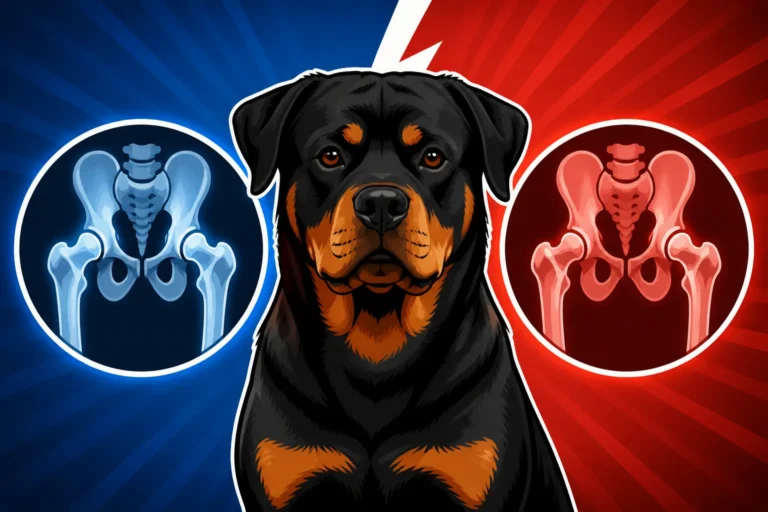
Every breed comes with its own genetic blueprint, which unfortunately includes predispositions to certain health conditions. For Rottweilers, these include significant concerns like certain cancers, particularly osteosarcoma, and joint issues such as hip and elbow dysplasia. These conditions, while not universal, are more prevalent in Rottweilers than in many other breeds and can severely impact their quality of life and longevity. The genetic lottery plays a huge role, which is why choosing a puppy from a health-focused breeder is paramount, as we’ll discuss shortly. Beyond the immediate health concerns, some theories suggest that larger breeds, in general, tend to age faster, with their systems experiencing more wear and tear over a shorter period.
The Eight to Ten Year Average Reality
When we talk about the average lifespan of a Rottweiler sitting around Rottweiler Lifespan and the Eight to Ten Year Average, it's important to remember that "average" means some live longer, and sadly, some live shorter. This number is influenced by a myriad of factors including genetics, environment, nutrition, and veterinary care. It’s not a hard and fast rule, but rather a benchmark that highlights the critical need for proactive intervention. Many dedicated owners strive to push past this average, and with consistent effort and informed decisions, it's absolutely achievable to give your Rottie a longer, healthier, and happier life. The goal isn't just more years, but more quality years.
The Foundation: Choosing Wisely and Providing Optimal Care from Day One
The journey to a long, healthy life for your Rottweiler begins even before they come home with you, and continues with diligent daily care. These early choices and consistent habits form the bedrock of their well-being.
The Importance of Responsible Breeding
This might be the single most impactful decision you make. A responsible breeder is not just someone who sells puppies; they are custodians of the breed, dedicated to improving health and temperament. They will perform The Five Clearances a Rottweiler Breeder Must Have on their breeding stock, looking for issues like hip and elbow dysplasia, heart disease (subaortic stenosis), eye conditions, and genetic markers for JLPP (Juvenile Laryngeal Paralysis & Polyneuropathy). When you choose a puppy from parents with these clearances, you are significantly reducing the risk of your Rottweiler inheriting these debilitating conditions. It's an investment that pays dividends in longevity and fewer heartbreaking vet visits down the line. A good breeder will also provide transparent health records and be a lifelong resource, demonstrating their commitment to the puppies they produce. Don't fall for the lure of a cheaper puppy from a backyard breeder; the hidden health costs almost always far outweigh the initial savings.
Nutritional Excellence and Weight Management
What you feed your Rottweiler and how much of it is arguably one of the most controllable factors in their health and lifespan.
Quality Diet for Growing Pups and Adults
For puppies, a high-quality large breed puppy food is crucial. These formulas are specifically designed to support the slower, more controlled growth needed for large breeds, preventing too-rapid growth that can lead to orthopedic problems. They carefully balance calcium and phosphorus, as Rottweiler Calcium Limits and Why Supplements Hurt highlights, preventing issues that can stress developing bones and joints. As your Rottweiler matures, transitioning to a premium adult large breed formula that provides balanced nutrition is key. Look for foods with real meat as the first ingredient, and avoid excessive fillers, artificial colors, and preservatives.
The Dangers of Obesity
This cannot be stressed enough: a lean Rottweiler is a healthier Rottweiler. Rottweiler Obesity and the Load It Adds is immense, putting incredible strain on their joints, heart, and other organs. Even a few extra pounds can accelerate the onset of arthritis in predisposed joints, exacerbate heart conditions, and increase the risk of certain cancers. Regularly assess your Rottweiler's body condition score. You should be able to easily feel their ribs without seeing them, and they should have a discernible waist when viewed from above and a tuck-up from the side. Work with your vet to determine the ideal weight for your individual dog and adjust their food portions accordingly. Portion control, precise measurement of food (by weight is best!), and healthy, low-calorie treats are your best friends here.
Strategic Exercise for Joint Health
Rottweilers are powerful dogs, but their large size and rapid growth make their joints vulnerable, especially during puppyhood.
Avoiding Over-Exercise in Puppies
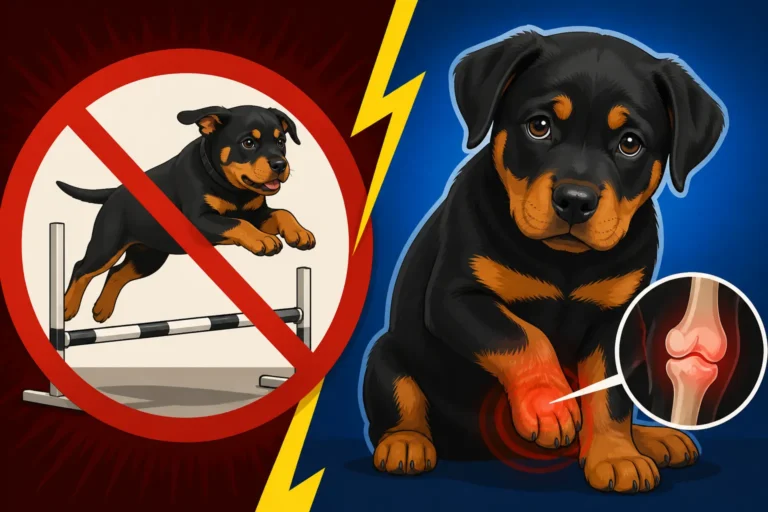
It’s tempting to let a rambunctious Rottweiler puppy run and play endlessly, but this can be detrimental to their developing joints. Their Rottweiler Growth Plates and Why They Close So Late are open for an extended period, making them susceptible to damage from high-impact activities like excessive jumping, running on hard surfaces, or long, strenuous walks. Instead, focus on shorter, controlled play sessions and walks on softer surfaces. The "five-minute rule" per month of age up to twice a day is a good guideline (e.g., a 4-month-old puppy gets 20 minutes of walking twice daily). This allows for healthy muscle and bone development without undue stress.
Balanced Activity for Adults
Once your Rottweiler is fully mature (typically around 18-24 months), a consistent, moderate exercise routine is vital. This includes daily walks, swimming (excellent for joints!), and mentally stimulating games. Avoid activities that involve repetitive hard impacts or sudden stops and starts, which can be hard on their knees and hips, potentially leading to issues like cruciate tears. Maintaining muscle mass through regular exercise supports their joints and helps them carry their weight more comfortably as they age. Think quality over quantity when it comes to exertion.
Proactive Health Management: Staying Ahead of Common Rottweiler Issues
Even with the best breeding and daily care, Rottweilers are prone to certain health challenges. Being proactive and vigilant can make all the difference in catching problems early and managing them effectively.
Regular Veterinary Check-ups and Early Detection
Think of your vet as your partner in your Rottweiler's longevity. Regular check-ups are not just for vaccinations; they are crucial opportunities for early detection.
Annual Exams and Diagnostic Screenings
At least once a year, your Rottweiler should have a comprehensive physical exam. For senior Rottweilers (typically those over seven years old, as discussed in Senior Rottweiler Care After the Age of Seven), bi-annual exams are highly recommended. During these visits, your vet can catch subtle changes that you might miss. Beyond the physical exam, discuss age-appropriate diagnostic screenings. This might include routine blood work (CBC, chemistry panel, thyroid), urinalysis, and potentially fecal exams. These tests can reveal underlying issues like kidney disease, liver problems, diabetes, or thyroid imbalances long before outward symptoms become apparent. Early detection allows for earlier intervention, often leading to more successful outcomes and better management.
Understanding Specific Rottweiler Health Risks
Beyond general health, discuss specific Rottweiler predispositions with your vet. This includes:
- Cancer Screening: As Rottweilers are highly susceptible to various cancers, including Osteosarcoma, the Cancer That Takes Most Rottweilers, proactive screening is invaluable, particularly as they age. Regular physical exams to feel for lumps, and sometimes advanced diagnostics like X-rays or ultrasounds, might be recommended after age six, as mentioned in Cancer Screening for a Rottweiler Past Six.
- Cardiac Evaluation: If a heart murmur is detected in a puppy, further evaluation for Rottweiler Heart Disease and Subaortic Stenosis is critical. Even in adult dogs, regular heart auscultation is important.
- Joint Monitoring: Pay close attention to any changes in gait, lameness, or difficulty getting up or lying down. These could be early signs of conditions like Rottweiler Hip Dysplasia and the OFA Grade or elbow dysplasia.
Mitigating Major Health Risks
Specific conditions pose a significant threat to Rottweiler longevity, but many can be managed or even prevented with the right strategies.
Preventing Bloat
Gastric Dilatation-Volvulus (GDV), commonly known as bloat, is a life-threatening emergency that Rottweilers are unfortunately prone to. It’s when the stomach fills with gas and often twists, cutting off blood supply. Understanding Bloat in a Rottweiler and the Hours That Matter is crucial for survival. Prevention is key:
- Meal Timing: Follow Feeding Rules That Lower Rottweiler Bloat Risk by feeding two or more smaller meals per day instead of one large one.
- Exercise Timing: Avoid strenuous exercise an hour before and after meals.
- Slow Eating: Use slow-feeder bowls to prevent rapid eating and gulping air.
- Gastropexy: This surgical procedure tacks the stomach to the abdominal wall, preventing it from twisting. It's often performed electively at the same time as spaying or neutering, significantly reducing the risk of fatal bloat. For a breed so susceptible, it’s a highly recommended preventive measure that can truly save a life.
Managing Joint Health
Beyond appropriate exercise, joint health for Rottweilers often requires ongoing support.
- Supplements: Discuss joint supplements like glucosamine, chondroitin, and Omega-3 fatty acids with your vet. Starting these early, even before signs of arthritis, can help support cartilage health.
- Weight Control: Reiterate the importance of maintaining a lean body condition to minimize stress on joints.
- Comfort: Provide soft, orthopedic beds to cushion their joints and ease pressure points, especially as they get older.
Addressing Cancer Concerns
While preventing all cancers is impossible, early detection is your best weapon.
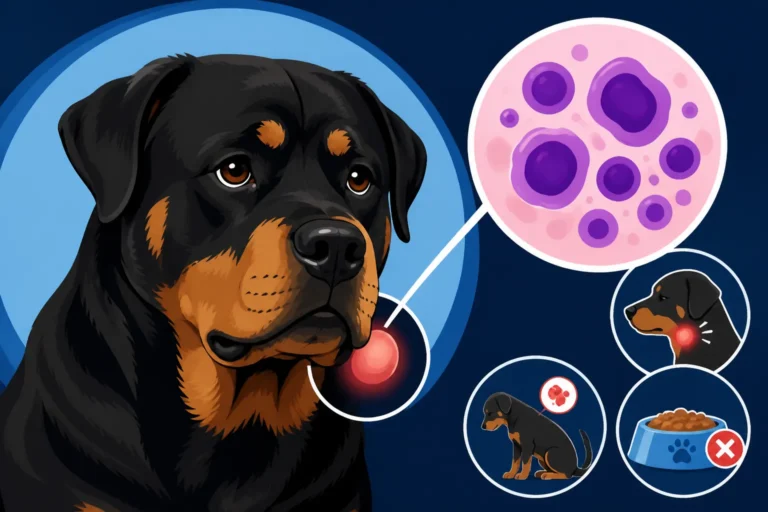
- Regular Lumps and Bumps Checks: Familiarize yourself with your Rottweiler's body during grooming and petting sessions. Report any new lumps, bumps, or sores to your vet immediately. Many lumps are benign, but early biopsy of suspicious masses can lead to faster treatment if it's cancerous.
- Behavioral Changes: Be alert to subtle changes in appetite, energy levels, persistent lameness (which could indicate bone cancer, as in The First Limp That Turns Out to Be Bone Cancer), or unexplained weight loss. These can be early indicators of internal cancers.
Supporting Mobility and Cognitive Function
As Rottweilers enter their senior years, maintaining their physical comfort and mental sharpness becomes paramount to extending their joyful existence.
Aid for Aging Joints
Even with the best care, arthritis is common in older large breed dogs.
- Pain Management: Work with your vet to create a pain management plan, which might include NSAIDs (non-steroidal anti-inflammatory drugs), gabapentin, or other medications. Never give human pain medication without veterinary guidance.
- Mobility Aids: Consider ramps for cars or stairs, non-slip rugs on slick floors, or even a mobility harness to assist them in getting up or walking, especially if they are experiencing Senior Rottweiler Mobility Decline. Physical therapy, including hydrotherapy (swimming in a controlled environment), can also be incredibly beneficial.
- Comfort: Ensure they have warm, supportive bedding away from drafts.
Cognitive Health and Enrichment
An active mind is as important as an active body.
- Mental Stimulation: Continue to provide mental enrichment through puzzle toys, regular training sessions (even simple commands, keeping their brains engaged), and new experiences (safe, gentle walks in new environments).
- Dietary Support: Some senior dog foods and supplements contain ingredients like antioxidants, Omega-3s, and medium-chain triglycerides (MCTs) that are believed to support brain health. Discuss these options with your vet.
- Recognizing Decline: Be aware of signs of cognitive decline, such as disorientation, changes in sleep-wake cycles, or house-soiling accidents. Your vet can offer strategies and medications to help manage these symptoms.
| Factor | Impact on Lifespan | Key Actions |
|---|---|---|
| Genetics | Reduces risk of inherited diseases like dysplasia, certain cancers, heart conditions. | Choose a responsible breeder with verifiable health clearances for hips, elbows, heart, eyes, and JLPP. |
| Nutrition & Weight | Prevents obesity-related illnesses (arthritis, heart disease, diabetes, some cancers); supports healthy growth. | Feed high-quality, large-breed appropriate food. Maintain a lean body condition. Avoid overfeeding. |
| Exercise | Develops strong muscles to support joints; maintains cardiovascular health; prevents injury from overexertion. | Age-appropriate, moderate exercise. Avoid high-impact activities in puppies. Incorporate swimming or other low-impact options. |
| Preventive Vet Care | Early detection and treatment of diseases; crucial for managing chronic conditions. | Annual/bi-annual vet exams, routine blood work, urinalysis. Discuss age-appropriate cancer and heart screenings. |
| Bloat Prevention | Direct prevention of a life-threatening emergency. | Feed multiple smaller meals, avoid exercise around meals, use slow feeders, consider prophylactic gastropexy. |
| Joint Care | Reduces pain, improves mobility, slows progression of arthritis. | Appropriate exercise, weight management, vet-approved joint supplements, pain medication for older dogs. |
| Cancer Vigilance | Improves prognosis through early diagnosis and treatment. | Regular body checks for lumps, monitor for unexplained lameness, weight loss, or changes in behavior. |
| Mental Enrichment | Supports cognitive function, reduces stress, enhances quality of life. | Puzzle toys, training, new environments, social interaction. |
Cultivating a Stress-Free and Enriching Environment
A Rottweiler’s lifespan isn't just about physical health; their mental and emotional well-being play a significant role too. A secure, stimulating, and loving home environment reduces stress and fosters overall vitality.
Mental Stimulation and Training
Rottweilers are intelligent dogs who thrive on having a "job" to do. A bored Rottweiler can easily become a destructive or anxious one, and chronic stress can negatively impact physical health.
Engaging Their Minds Daily
Regular mental stimulation keeps their brains sharp and helps prevent cognitive decline as they age. This doesn't mean you need to sign up for advanced obedience every week, though that's a great option if available. Simple activities like daily training sessions, even just reviewing basic commands, can be incredibly beneficial. Puzzle feeders that make them work for their meal, snuffle mats, or hiding treats around the house for them to sniff out are fantastic ways to engage their natural problem-solving abilities. Rotating toys keeps things interesting and prevents boredom. A tired dog, both physically and mentally, is a happy and healthier dog.
Continued Socialization and Positive Experiences
While Rottweiler Aloofness and Why It Reads as Cold is a breed trait, positive and controlled social experiences are still important throughout their lives. Well-socialized Rottweilers are less likely to be stressed by novel situations, people, or other dogs. Continuing to expose them to different sights, sounds, and controlled interactions in a positive way helps build their confidence and resilience. This can be as simple as a quiet walk in a new park, a visit to a pet-friendly store, or supervised play with a trusted dog friend. Reducing anxiety and fear contributes directly to a healthier immune system and better overall well-being.
Safety and a Stable Home Life
A safe and predictable home environment is fundamental to reducing stress and preventing accidents that could shorten a Rottweiler's life.
A Secure and Predictable Home
Rottweilers thrive on routine and stability. A consistent daily schedule for feeding, walks, and playtime helps them feel secure and reduces anxiety. A dedicated, comfortable space where they can retreat and relax, like a crate or a cozy bed in a quiet corner, is also essential. Ensure your home is dog-proofed, especially if you have a puppy or a curious adult. Remove toxic plants, secure cleaning supplies, and store medications out of reach. Remember, a Rottweiler's mouth can be surprisingly destructive, and ingesting something harmful can lead to life-threatening emergencies.
Managing Environmental Hazards
Beyond the home, consider environmental factors. In warm climates, remember that a black-coated Rottweiler can overheat quickly. Providing plenty of shade and fresh water, and avoiding exercise during the hottest parts of the day, as covered in Keeping a Black-Coated Rottweiler Cool, is vital. Conversely, in cold weather, ensure they have adequate shelter and protection from the elements, especially if they spend time outdoors. A secure, well-fenced yard is also non-negotiable for a large, powerful breed to prevent escapes and potential run-ins with cars or other hazards. An emergency plan and understanding of Emergency Vet Bills a Rottweiler Owner Should Expect can also give you peace of mind for the unexpected.
Ultimately, adding years to a Rottweiler’s life is a multifaceted commitment, woven from informed choices about their origins, meticulous daily care, proactive health management, and a deep understanding of their unique needs. It's about providing not just more days, but better days, filled with love, comfort, and vitality.
Disclaimer
This article is intended for informational purposes only and does not constitute professional veterinary advice. Always consult with a qualified veterinarian for any health concerns or before making any decisions about your Rottweiler's care.