Mobility Harnesses and Slings for a Rottweiler
It's incredibly tough to watch your powerful, majestic Rottweiler start to struggle with movement, whether it's the stiffness of age, a sudden injury, or recovery from surgery. The frustration of seeing them falter where they once moved with such grace, and the challenge of lifting a hundred pounds (or more!) of dog, is something many of us face. This guide is here to walk you through understanding why your Rottweiler might need mobility help and how different harnesses and slings can make a world of difference for both of you.
Why a Rottweiler Might Need Mobility Support
When you have a dog as robust and large as a Rottweiler, the physical demands on their joints and muscles are immense. Even the healthiest Rottweilers are predisposed to certain conditions, and their sheer size means that any mobility issue quickly becomes a significant challenge, not just for them, but for you as their caretaker.
Understanding Common Mobility Challenges in Rottweilers
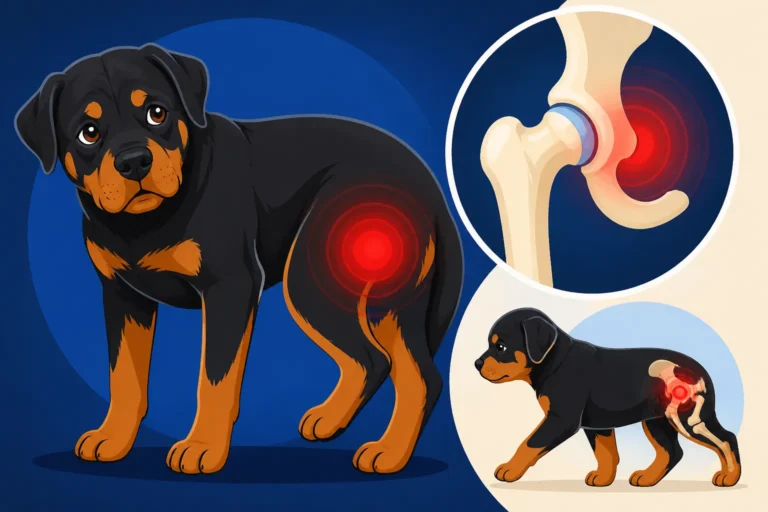
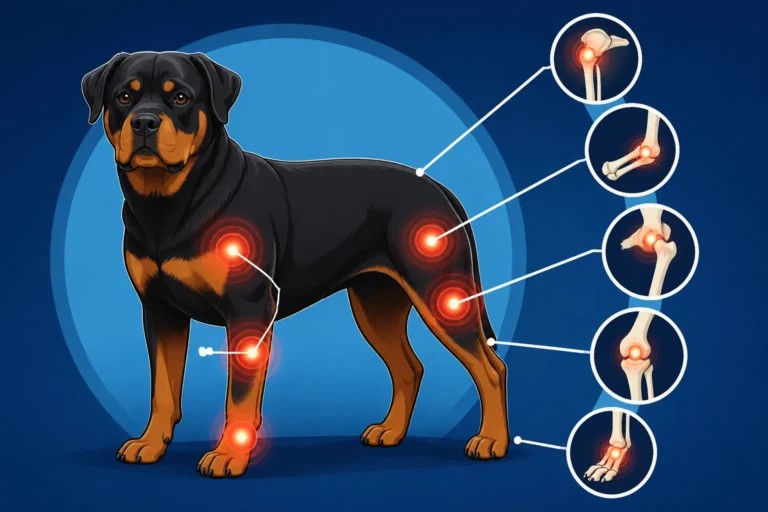
One of the most frequently discussed health concerns for our beloved Rottweilers is Rottweiler Hip Dysplasia and the OFA Grade . This genetic condition, where the hip joint doesn't form correctly, can lead to severe arthritis and pain as they age. But it's not just hips; elbow dysplasia is another common culprit, affecting their front limb mobility. Over time, the wear and tear on these joints can result in debilitating arthritis, especially as a Rottweiler moves into its senior years. Suddenly, tasks they once performed effortlessly, like climbing stairs or hopping into the car, become monumental efforts.
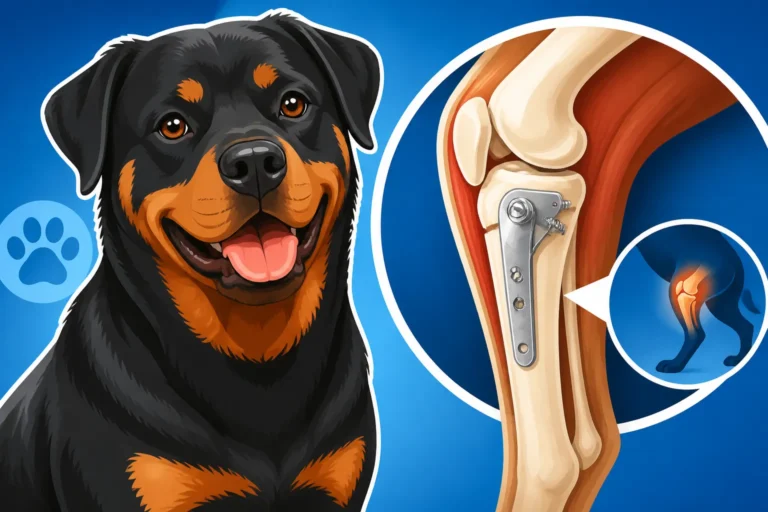
Beyond chronic conditions, acute injuries can strike at any age. Cruciate ligament tears, similar to an ACL tear in humans, are particularly devastating for large, active breeds. Imagine trying to support a powerful, 100-pound dog with a compromised knee! Even less severe injuries, like strains or sprains, can temporarily sideline a Rottweiler, and during their recovery, even simple trips outside require assistance. Conditions like degenerative myelopathy, though less common, can also slowly rob a Rottweiler of hind-end control, necessitating external support to maintain their quality of life. The weight of these dogs means that every step, every movement, places a significant load on their structure, so any weakness quickly becomes pronounced.
Recognizing the Signs Your Rottweiler Needs Help
It's easy to miss the early signs, especially with a stoic breed like the Rottweiler, who might try to push through discomfort. However, paying close attention to subtle changes can allow you to intervene earlier and make a huge difference in their comfort. Are they slower to get up after resting, perhaps taking a few attempts or needing to brace themselves? Do their hind legs seem to wobble or cross when they walk, especially on smooth surfaces like hardwood or tile? This weakness, often referred to as "slipping," is a classic indicator of hind-end instability or pain.
You might also notice them being reluctant to jump, forgoing their usual spot on the couch, or hesitating before tackling stairs. They might walk with a shortened stride, carry their weight unevenly, or even limp slightly after exercise or first thing in the morning. Some Rottweilers will show less enthusiasm for walks or play, preferring to lie down more often. Keep an eye on their general demeanor too; chronic pain can make a normally sweet-natured dog irritable or withdrawn. These are all critical clues that their mobility is compromised, and it's time to consider ways to help them move more comfortably and safely. Don't wait until they completely collapse or refuse to move; early intervention can greatly improve their comfort and slow the progression of some issues. Regular vet check-ups, especially as your dog approaches The Age at Which a Rottweiler Counts as Senior, are vital for catching these issues early.
Different Types of Mobility Harnesses and Slings for Rottweilers
Once you've identified that your Rottweiler needs a little extra help, the next step is figuring out what kind of support will best meet their specific needs. There's a wide range of options available, each designed for different levels and types of mobility challenges.
Full-Body Support Harnesses
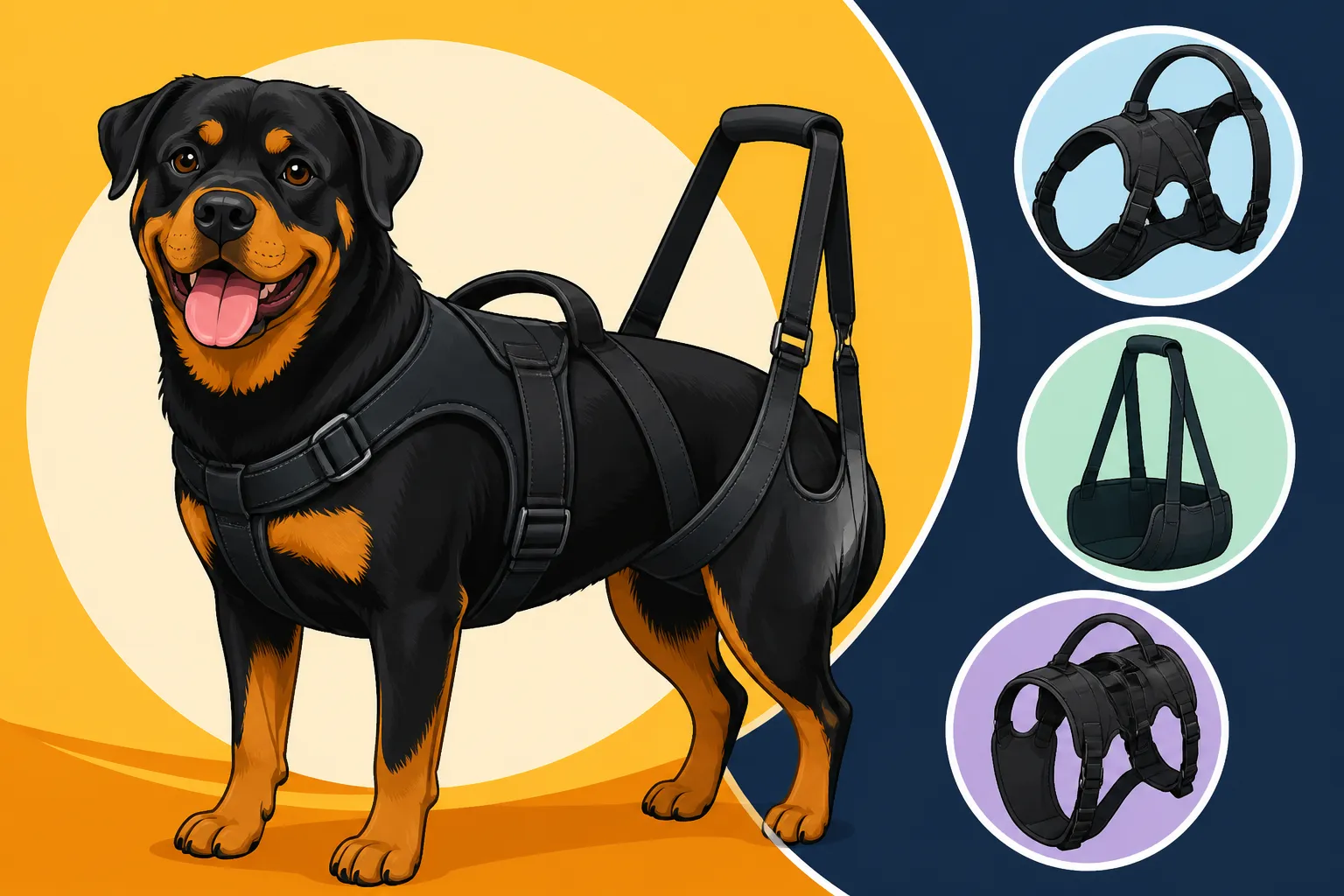
For Rottweilers experiencing more generalized weakness, significant instability, or recovering from major surgery, a full-body support harness can be a game-changer. These aren't just your everyday walking harnesses; they are robust systems designed to distribute your dog's weight evenly across multiple points, reducing pressure on any single area. Think of them as a gentle, supportive exoskeleton. Brands like the Help 'Em Up Harness are well-regarded in this category, offering front and rear sections that connect to provide comprehensive lifting support. They often feature multiple handles positioned along the back, allowing you to lift from various angles, which is incredibly useful when assisting a large dog like a Rottweiler who might be struggling to stand, navigate stairs, or even just get outside for a potty break.
The beauty of these harnesses lies in their stability. They prevent your Rottweiler from twisting awkwardly and give you maximum control, which is crucial for preventing further injury. However, their comprehensive nature also means they can be a bit bulkier and take a bit more time to put on and take off. They are typically left on for extended periods, only removed for sleeping or specific grooming, which means choosing one with excellent padding and breathable materials is paramount to prevent chafing or hot spots. The investment in a high-quality full-body harness can literally mean the difference between your Rottweiler being able to move around with dignity and being largely immobile.
Rear-End Support Slings and Harnesses
Many Rottweilers, especially those dealing with hip dysplasia, arthritis in their hindquarters, or recovering from a TPLO Surgery on a Rottweiler Knee, primarily experience weakness in their back legs. For these situations, a rear-end support sling or harness is often the perfect solution. These devices focus specifically on lifting and supporting the hindquarters, providing just enough assistance to help your Rottweiler stand, walk, and relieve themselves without putting undue strain on their legs.
Slings are typically simpler, often just a piece of durable fabric with handles that goes under the belly in front of the hind legs. They're excellent for quick, temporary assists, like helping your dog up a step or supporting them during a short potty break. Rear-end harnesses, on the other hand, are more structured, resembling the back half of a full-body harness. They often have leg loops or a saddle-like design for more secure and comfortable support over longer periods. The key benefit of these options is their ease of use and portability. You can quickly slip them on, provide the necessary support, and then remove them. When your Rottweiler just needs a little boost for Helping a Senior Rottweiler Up the Stairs or into the car, these slings are incredibly practical. Look for wide, padded straps that won't dig into your dog's sensitive groin area, and comfortable handles that are easy for you to grip, especially if you're using it frequently.
Specialized Wheelchairs and Carts
When a Rottweiler experiences severe mobility loss, such as paralysis due to a spinal injury or advanced degenerative myelopathy, or perhaps has had an amputation, traditional harnesses and slings may no longer be enough. This is where specialized wheelchairs and carts come into play, offering a profound way to restore independence and quality of life. While it might seem daunting at first to consider a wheelchair for your big Rottweiler, these devices are custom-fitted to provide optimal balance and support, allowing them to run, play, and explore again.
There are generally two types: two-wheel carts for hind-leg weakness or paralysis, which support the back end while the front legs still propel the dog, and four-wheel carts for full-body support if all four limbs are compromised. Getting a custom fit is crucial to ensure the wheelchair is comfortable, prevents pressure sores, and allows for natural movement without restricting their remaining abilities. While the initial investment is higher, and there's an adjustment period for both you and your Rottweiler, the joy of seeing them regain their zest for life can be immeasurable. Brands like Walkin' Wheels or K9 Carts are popular choices that offer sturdy, adjustable designs built to handle the size and weight of a Rottweiler. It's a significant step, but for dogs with severe mobility issues, it can open up a world they thought was lost.
Choosing the Right Mobility Aid and Proper Usage
Deciding on the best mobility aid for your Rottweiler involves a thoughtful assessment of their needs, your capabilities, and the specific challenges they face daily. It's not a one-size-fits-all situation, especially with a dog of such substantial size and power.
Factors to Consider When Selecting a Harness or Sling
First and foremost, you need to be clear about why your Rottweiler needs assistance. Is it primarily hind-end weakness due to conditions like Rottweiler Hip Dysplasia and the OFA Grade or Senior Rottweiler Mobility Decline? Or is it more generalized weakness, perhaps after an injury, during recovery from surgery, or due to neurological issues affecting all four limbs? For hind-end specific problems, a rear-end sling might suffice. For more comprehensive support, a full-body harness is typically better. If it's a temporary need, ease of on/off might be paramount. For long-term use, comfort and durability become critical.
Next, consider your Rottweiler's size and weight. This is non-negotiable. A flimsy harness designed for smaller breeds will simply not hold up or provide adequate support for a 90-130 pound Rottweiler. Look for aids specifically designed for "large" or "extra-large" breeds, with robust straps, heavy-duty buckles, and strong, padded handles. The padding is crucial not just for your dog's comfort, preventing chafing or skin irritation, but also for your grip. Materials should be durable, washable, and breathable to prevent skin issues.
Your own physical ability is also a major factor. Can you comfortably lift and support your Rottweiler with the chosen aid? If you have back issues or are a smaller individual, a well-designed harness with multiple handles can make lifting much easier and safer for both of you. Some full-body harnesses, for instance, allow you to use both hands to lift the dog, distributing the effort. It’s always a good idea to research products from reputable brands known for quality in the large dog market. While looking into care options, you might also consider how pet insurance, such as a plan from Healthy Paws, could help cover the costs of these specialized mobility aids or the ongoing vet care needed for your Rottweiler's condition. Knowing you have that safety net can take a huge amount of pressure off when making these important purchasing decisions.
Step-by-Step Guide to Fitting and Using Mobility Aids
Once you've selected a harness or sling, proper fitting is absolutely essential. An improperly fitted aid can cause discomfort, rub raw spots, or even exacerbate your Rottweiler's existing issues.
1. Measure Accurately: Before ordering, always follow the manufacturer's specific measuring guide. Don't guess! Typically, you'll need chest girth, waist girth, and sometimes length. For a Rottweiler, these measurements can be quite large, so double-check them.
2. Introduce Gradually: Don't just strap it on and expect immediate cooperation. Let your Rottweiler sniff the harness, offer treats, and praise them. Start by putting it on for very short periods indoors, perhaps just a few minutes, gradually increasing the time. Positive reinforcement is key.
3. Adjust for Comfort: Once on, ensure all straps are snug but not tight. You should be able to slide two fingers comfortably under any strap. Pay special attention to areas around the armpits, groin, and chest. There should be no pinching or digging. For hind-end slings, make sure the fabric covers enough area to distribute weight without pulling at one spot.
4. Practice Lifting Technique:
* For Slings: Position the sling just in front of your Rottweiler's hind legs. Bend your knees, keep your back straight, and lift with your legs, not your back. Support only as much weight as needed, letting your dog still use their legs as much as possible.
* For Harnesses: Use the designated handles. If there are multiple, use them all to distribute the lift. Again, lift with your legs, maintaining good posture. The goal is to provide stability and support, not to carry their entire weight unless absolutely necessary.
5. Start Small: Begin with short, assisted walks in a familiar, quiet area. Gradually increase the duration and distance as your Rottweiler becomes more comfortable and confident. If they show signs of pain or extreme discomfort, stop and reassess the fit or consult your vet.
6. Monitor for Chafing: Routinely check your Rottweiler's skin, especially in friction areas like the armpits, inner thighs, and belly, for any redness, irritation, or hair loss. Adjust the harness or add extra padding if needed. You might find that even with a robust harness, like one by Ruffwear, a little extra attention to these details can make all the difference for a comfortable experience.
| Mobility Aid Type | Pros | Cons | Ideal Uses for a Rottweiler |
|---|---|---|---|
| Rear-End Sling | Quick on/off, portable, good for temporary assistance. | Limited overall support, can shift, only supports hindquarters. | Short trips, potty breaks, assisting into car/stairs for hind-end weakness. |
| Rear-End Harness | More secure than a sling, better weight distribution for hindquarters. | Still primarily hind-end support, less full-body control. | Longer walks for hind-end issues (e.g., hip dysplasia, arthritis). |
| Full-Body Harness | Excellent overall support, stability, distributes weight evenly. | Can be bulky, takes longer to put on/off, may cause heat in summer. | Post-surgery recovery, generalized weakness, neurological conditions. |
| Specialized Wheelchair | Restores full mobility for severe paralysis/amputation, independence. | Higher cost, adjustment period, not suitable for all conditions. | Paralysis, severe hind-end weakness, complete loss of limb function. |
Integrating Mobility Support into Daily Life and Long-Term Care
Helping a Rottweiler with mobility challenges is a marathon, not a sprint. It requires adapting your home environment and committing to ongoing care, often in collaboration with your veterinary team.
Making Your Home Rottweiler-Friendly
Your home environment plays a huge role in your Rottweiler's comfort and safety. One of the biggest hazards for a dog with mobility issues is slippery flooring. Hardwood, tile, and laminate floors can be like ice rinks for a dog with weak legs, leading to dangerous slips and falls that can cause further injury. Lay down runners, yoga mats, or area rugs in high-traffic areas, especially where your Rottweiler needs to stand up or make turns. These provide much-needed traction and confidence.
Consider ramps for areas where your Rottweiler struggles with elevation changes. A sturdy ramp can make getting into the car much safer than trying to lift a squirming, heavy dog. Ramps can also be installed over a few steps if your dog still needs to navigate them. Investing in a high-quality, orthopedic dog bed is crucial. These beds offer superior joint support and cushioning, alleviating pressure points and making it easier for them to rest comfortably and get up without excessive stiffness. Managing Arthritis in an Older Rottweiler often involves providing soft, supportive places to rest, away from drafts. Elevated food and water bowls can also help, as they reduce the strain on your Rottweiler's neck and front joints, making meal times more comfortable. This is especially true for senior dogs or those with neck or shoulder pain.
The Role of Veterinary Care and Other Therapies
Mobility aids are just one piece of the puzzle. Comprehensive care for a Rottweiler with mobility issues always involves a strong partnership with your veterinarian. Regular vet visits are essential to monitor their condition, manage pain effectively, and adjust treatment plans as needed. Your vet can prescribe appropriate pain medication, anti-inflammatories, or joint supplements that can significantly improve their comfort and mobility. Just as vital are therapies that go beyond medication. Physical therapy, which might include specific exercises, stretches, and massage, can help strengthen muscles, improve range of motion, and maintain joint health. Many clinics offer hydrotherapy, where your Rottweiler can exercise in water, which provides buoyancy to support their weight and reduces impact on their joints, allowing for pain-free movement and muscle building.
Acupuncture and chiropractic care are also becoming increasingly popular complementary therapies for managing chronic pain and improving neurological function in dogs. Your vet can refer you to certified specialists in your area for these treatments. Remember, conditions like Rottweiler Growth Plates and Why They Close So Late mean their skeletal system is under unique stress. While they are young, proper nutrition and controlled exercise are key, but as they age, joint support becomes paramount. This ongoing care, from specialized foods to physical therapy, can add up. It's in these moments that having pet insurance, such as a comprehensive plan from Healthy Paws, can be incredibly helpful, easing the financial burden and allowing you to focus on getting your Rottweiler the best possible care without constant worry about the cost of every vet visit, therapy session, or specialist consultation.
Disclaimer
This guide offers general information about mobility harnesses and slings for Rottweilers and is not a substitute for professional veterinary advice. Always consult with your veterinarian to determine the best course of action for your dog's specific health needs and before starting any new treatment or mobility aid.