Rottweiler Bloat Surgery and the Odds of Survival
The sudden, terrifying onset of bloat in a Rottweiler is one of the most frightening emergencies a dog owner can face. One moment your loyal companion is fine, the next they are visibly distressed, trying to vomit without success, and their abdomen is growing taut. When this happens, understanding the role of emergency surgery and what to expect regarding the odds of survival becomes absolutely critical. This guide will walk you through the surgical process, the factors influencing prognosis, and what recovery entails for your beloved Rottweiler.
Understanding Gastric Dilatation-Volvulus The Emergency
Gastric Dilatation-Volvulus, or GDV, commonly known as bloat, is not just an upset stomach. It's a life-threatening condition where the stomach fills with gas and often twists upon itself, trapping food, gas, and fluids. For a deep dive into the urgency, you can learn more about Bloat in a Rottweiler and the Hours That Matter. Rottweilers, with their deep chests, are unfortunately among the breeds most predisposed to this rapid and devastating condition.
Why Bloat Is So Dangerous for Rottweilers
When a Rottweiler's stomach twists, it's a cascade of severe problems. First, the twisting (volvulus) cuts off the blood supply to the stomach, causing the tissue to begin dying almost immediately. This lack of blood flow can also lead to systemic shock, affecting the heart, kidneys, and other vital organs. It also blocks the normal passage of food and gas, leading to immense pressure within the stomach (dilatation). This pressure can press on major blood vessels, further impeding blood return to the heart, which drastically reduces blood pressure and circulation throughout the body.
The speed at which this can progress is terrifying. What starts as mild discomfort can escalate into critical condition within an hour or two. The pressure can also make it difficult for your Rottweiler to breathe, as the distended stomach pushes against the diaphragm. Without immediate veterinary intervention, the outcome is almost always fatal due to shock, organ damage, or gastric rupture. This is why knowing Why a Rottweiler Stomach Twists at All is so important for prevention and swift action.
Recognizing the Critical Signs
Knowing the signs of bloat could quite literally save your Rottweiler's life. Owners often describe the onset as sudden and dramatic. The most tell-tale symptom is unproductive retching – your dog tries to vomit repeatedly, sometimes bringing up foamy saliva, but nothing substantial comes out. This is a critical red flag. You might notice a distended, firm abdomen, especially on the left side, which can feel tight like a drum. Many dogs will pace restlessly, drool excessively, whine, or try to hide, indicating severe pain and discomfort.
Other signs can include an arched back, a refusal to lie down, panting, and a pale appearance to their gums. As the condition worsens, they may become weak, collapse, or show signs of shock. It's easy to mistake early signs for a simple upset stomach, but the key differentiator is the unproductive retching and the rapidly worsening condition. If you ever see your Rottweiler A Rottweiler Retching Without Bringing Anything Up, do not wait. Head to an emergency vet immediately.
The Surgical Intervention What Happens Next
Once bloat is suspected, there's no time for hesitation. The veterinary team will jump into action to confirm the diagnosis and prepare for surgery. This isn't a procedure that can wait until morning; it's a true emergency.
Diagnosing GDV and Preparing for Surgery
Upon arrival at the emergency clinic, the veterinary team will perform a rapid assessment. This includes checking vital signs and, crucially, taking an X-ray of your Rottweiler’s abdomen. A specific X-ray view, often with the dog lying on its right side, will show a characteristic "double bubble" or "Smurf hat" appearance if the stomach is twisted, confirming GDV.
While X-rays are being taken, the team will work to stabilize your dog. This often involves placing intravenous (IV) catheters, administering fluids to combat shock, and providing pain medication. They may attempt to decompress the stomach by passing a tube down the esophagus, or, if that's impossible due to the twist, by inserting a large-bore needle directly into the stomach through the abdominal wall (a trocharization) to release some of the trapped gas. This helps to reduce the immediate pressure, which can temporarily improve blood flow and breathing, buying precious time before surgery.
The Surgical Procedure Itself
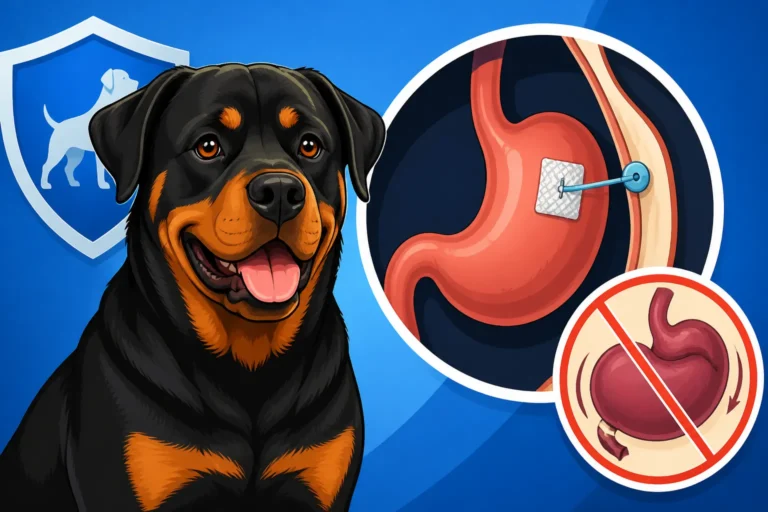
The primary goal of bloat surgery, known as a gastrectomy and gastropexy, is twofold: to untwist the stomach (detorsion) and to prevent it from twisting again in the future (gastropexy).
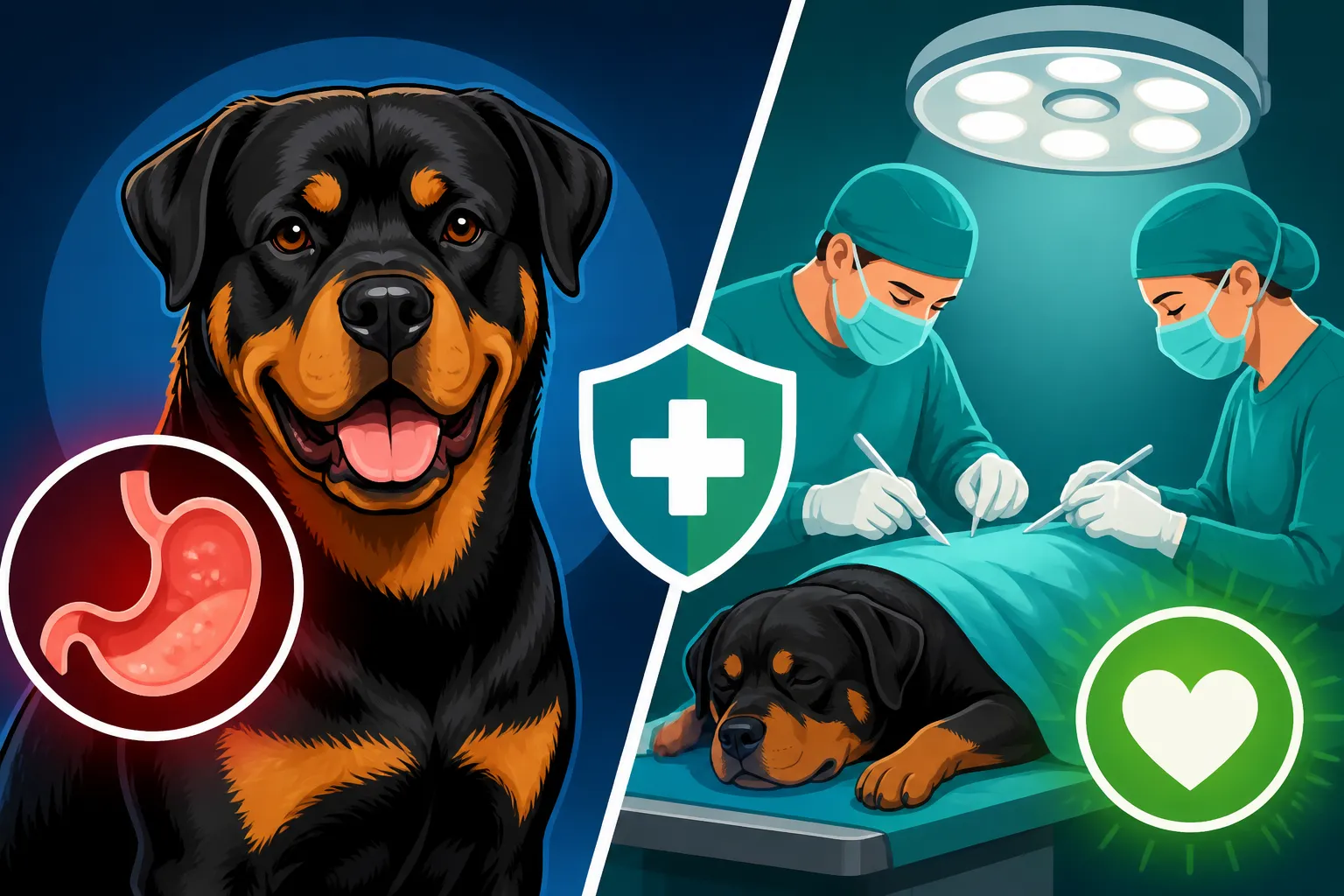
Once your Rottweiler is under general anesthesia, an incision is made in the abdomen. The surgeon will gently rotate the stomach back into its correct anatomical position. This can be a delicate process, as the stomach can be very swollen and fragile. After untwisting, the surgeon will carefully examine the stomach wall to assess any damage. Areas of the stomach that have suffered prolonged lack of blood flow may appear dark blue, gray, or even black, indicating dead tissue. If there are dead or severely compromised portions, those sections may need to be removed (a partial gastrectomy), which significantly adds to the complexity and risk of the procedure.
The crucial second part of the surgery is the gastropexy. This involves permanently tacking the stomach to the abdominal wall, usually on the right side. This physical attachment prevents the stomach from twisting again, though it doesn't prevent it from dilating (filling with gas). A gastropexy is incredibly effective at preventing future GDV occurrences, often with a success rate of 90-95% or more against recurrence. You can explore Gastropexy to Prevent Rottweiler Bloat for more information on this life-saving technique.
Rottweiler Bloat Surgery Survival Rates and Factors
The question on every owner's mind, naturally, is "what are the odds?" While bloat surgery is undoubtedly a high-stakes procedure, many Rottweilers do survive and go on to live full, happy lives. However, various factors influence the prognosis.
Immediate Post-Operative Risks and Complications
The immediate post-operative period is critical and fraught with potential complications. Even if the surgery goes perfectly, your Rottweiler isn't out of the woods. The most common immediate risk is cardiac arrhythmias, irregular heartbeats that can occur as the blood supply returns to the stomach after being cut off. These can range from mild to life-threatening. Your vet will closely monitor your dog's heart rhythm for several days post-surgery.
Other serious complications include:
- Shock: Despite aggressive fluid therapy, some dogs may remain in a state of shock, which can lead to organ failure.
- Peritonitis: If the stomach wall was severely damaged and leaks, or if a gastrectomy was performed, there's a risk of abdominal infection.
- Stomach tissue necrosis (death): Even after untwisting, some stomach tissue might continue to die, requiring a second surgery or leading to fatal complications.
- Infection and wound complications: As with any major surgery, there's a risk of incision site infection.
Long-Term Prognosis and What Influences It
Overall survival rates for Rottweilers undergoing GDV surgery are generally reported to be between 70% and 90%. However, this is a broad range, and individual prognosis depends heavily on several key factors:
- Time to Surgery: This is perhaps the most crucial factor. The faster your Rottweiler receives veterinary attention and surgical intervention, the better the chances of survival. Dogs operated on within 2-4 hours of symptom onset generally have a much higher survival rate.
- Extent of Stomach Wall Damage: If significant portions of the stomach wall are necrotic and require removal, the survival rate drops considerably. This is because removing part of the stomach adds to surgical complexity, increases the risk of leakage, and affects the dog's ability to digest food.
- Presence of Splenic Damage: Sometimes, the spleen, which sits near the stomach, can also be affected by the twisting and may need to be removed. This adds another layer of complication.
- Pre-existing Conditions: Older dogs or those with other health issues (like heart disease) may have a harder time recovering from such an invasive surgery and anesthesia.
- Post-Operative Care: Diligent monitoring, medication, and strict adherence to recovery instructions are vital for a successful outcome.
The table below summarizes some of these influencing factors:
| Factor | Positive Impact on Survival Odds | Negative Impact on Survival Odds |
|---|---|---|
| Time to Surgery | Less than 4-6 hours from symptom onset | More than 6 hours from symptom onset |
| Stomach Wall Viability | Minimal or no necrotic tissue requiring removal | Significant necrotic tissue requiring gastrectomy |
| Splenic Involvement | Spleen is healthy and intact | Spleen is damaged and requires removal (splenectomy) |
| Cardiac Arrhythmias | No or easily controlled arrhythmias post-op | Severe or refractory arrhythmias post-op |
| Shock Status | Responds quickly to IV fluids and stabilization | Persistent shock despite aggressive treatment |
| Concurrent Illnesses | Young, otherwise healthy Rottweiler | Older dog, or those with underlying heart/kidney disease |
| Pre-emptive Gastropexy | Preventative surgery performed, no GDV occurs | No preventive gastropexy, emergency GDV occurs |
The Importance of Proactive Measures and Insurance
Given the high stakes and rapid onset of GDV, preventive measures are something every Rottweiler owner should consider. Elective gastropexy, often performed during a spay or neuter, can dramatically reduce the risk of the stomach twisting. While it doesn't prevent bloating, it makes the twisting component of GDV almost impossible. For more information, read up on Whether Preventive Gastropexy Is Worth It.
The cost of emergency GDV surgery can be astronomical, easily running into several thousands of dollars, especially if complications arise or extensive aftercare is needed. This is where pet insurance can be a literal lifesaver. Companies like Healthy Paws offer coverage that can significantly offset these unexpected, massive bills, allowing you to make medical decisions based on what's best for your Rottweiler, rather than solely on financial constraints. Having a policy in place from a reputable provider like Healthy Paws before an emergency strikes can alleviate immense stress during a crisis. It's truly a critical consideration for any Rottweiler owner. Understanding Emergency Vet Bills a Rottweiler Owner Should Expect can help you prepare.
Recovery and Life After Bloat Surgery
Surviving the surgery is a huge hurdle, but the journey doesn't end there. The recovery period is crucial for your Rottweiler's long-term health and well-being.
The Critical First Few Days at Home
Once your Rottweiler is stable enough to come home, you'll have detailed instructions from your veterinarian. The first few days are all about strict rest, pain management, and careful feeding. Your dog will likely be on a bland diet, with small, frequent meals to ease digestion. Remember, their stomach has just undergone significant trauma. Medications will typically include pain relievers and potentially antibiotics or anti-arrhythmic drugs.
Activity will be severely restricted. No running, jumping, or rough play. Leash walks for potty breaks only, and definitely no stairs if you can avoid them for the initial recovery phase. The surgical incision needs to be kept clean and dry, and you'll need to monitor it daily for any signs of swelling, redness, or discharge. An Elizabethan collar (cone) will likely be mandatory to prevent your Rottweiler from licking or chewing at their stitches. This period requires immense patience and diligence on your part, but it's essential for proper healing.
Preventing Recurrence After Gastropexy
The good news is that if a gastropexy was performed during the emergency surgery, the chances of the stomach twisting again are extremely low – less than 5%. This greatly reduces the anxiety associated with future bloat episodes. However, a gastropexied stomach can still dilate (fill with gas) if not managed properly.
Therefore, many of the preventive feeding strategies still apply even after surgery. These include feeding smaller, more frequent meals (two to three times a day instead of one large meal), avoiding vigorous exercise immediately before or after meals, and ensuring your dog has constant access to fresh water. While the raised bowl argument is debated in terms of prevention, some owners find it helpful for comfort after surgery. You might find it useful to review Feeding Rules That Lower Rottweiler Bloat Risk to reinforce these habits. Keeping your Rottweiler at a healthy weight also lessens strain on their body and can contribute to overall wellness, making future recoveries easier if other issues arise.
Disclaimer
The information provided in this article is for educational purposes only and is not a substitute for professional veterinary advice. Always consult with a qualified veterinarian for any health concerns or before making any decisions about your Rottweiler's health or treatment plan.