Why a Rottweiler Should Not Jump Down From the Car
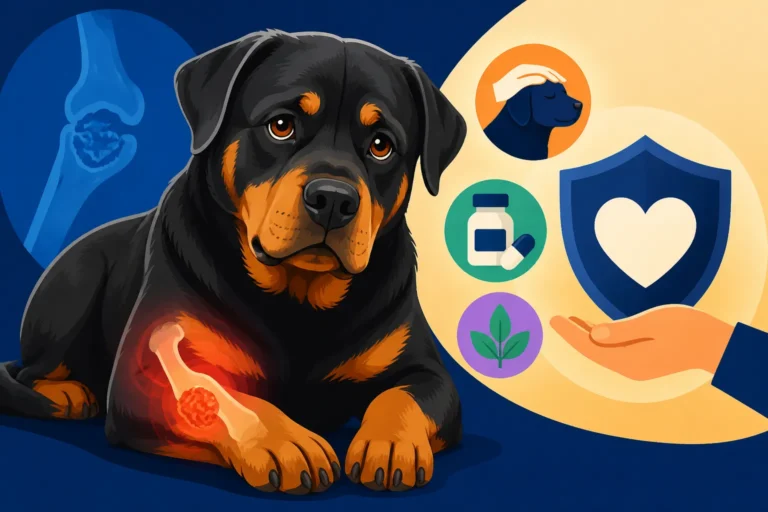
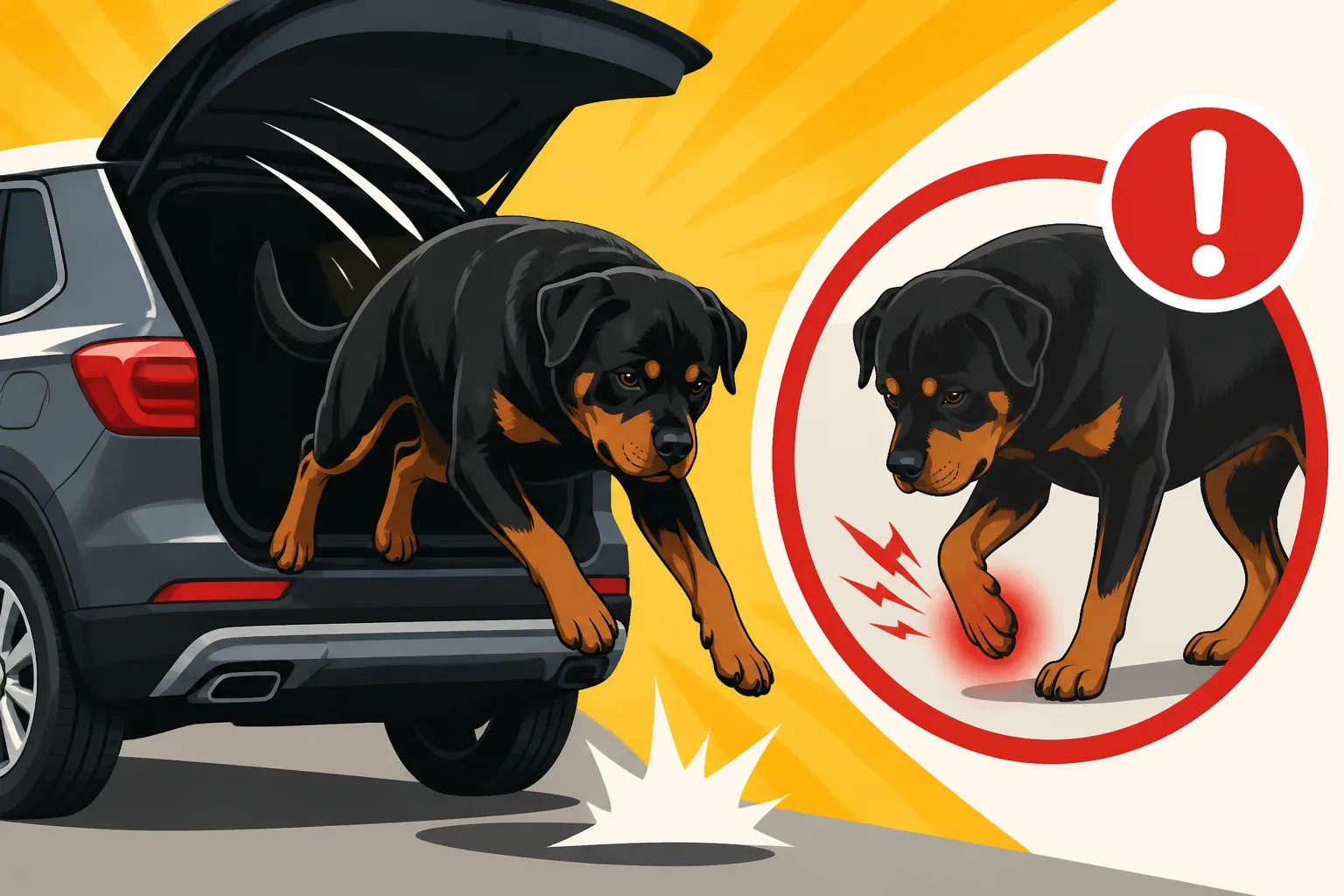
That moment when your big, excited Rottweiler leaps out of the car, tail wagging, seems harmless enough, right? We've all been there, watching them bound away, eager for their walk or adventure. But that seemingly innocent jump, especially if it's a regular occurrence from a high vehicle, can put immense and repetitive stress on their powerful, yet surprisingly vulnerable, joints. What looks like agility to us is actually a high-impact event that can silently contribute to long-term health issues. This guide will delve into why that car jump is more detrimental than you might think for your Rottweiler and what you can do to protect them.
The Hidden Impact of High-Impact Jumps on Rottweiler Joints
It’s easy to overlook the cumulative effect of seemingly small actions when you have a large, robust breed like a Rottweiler. They seem so strong, so capable, but their very size works against them when it comes to repetitive impact. Each jump from a car, particularly a truck or SUV, sends a jarring force through their skeletal system, potentially causing microtraumas that add up over time.
Understanding the Force on Heavy Joints
Imagine dropping a bowling ball versus a tennis ball. The physics behind the impact on your Rottweiler's joints is similar. A Rottweiler can weigh anywhere from 80 to 135 pounds or even more. When a hundred-pound dog jumps from a height of even two or three feet, that force is multiplied many times over as their weight suddenly hits the ground. This isn't just a gentle landing; it's a significant deceleration event that puts immense strain on their ligaments, tendons, and cartilage.
Their long bones and large muscle mass are designed for power and endurance, not necessarily for absorbing repeated high-impact shock. The main joints that bear the brunt of this force are their elbows, shoulders, stifles (knees), and especially their hips. Over time, this constant pounding can lead to inflammation, microscopic tears, and the gradual wearing away of joint cartilage, paving the way for chronic pain and debilitating conditions. It's a silent assailant, often showing no immediate signs, but laying the groundwork for problems years down the line.
Predisposition to Joint Issues in Rottweilers
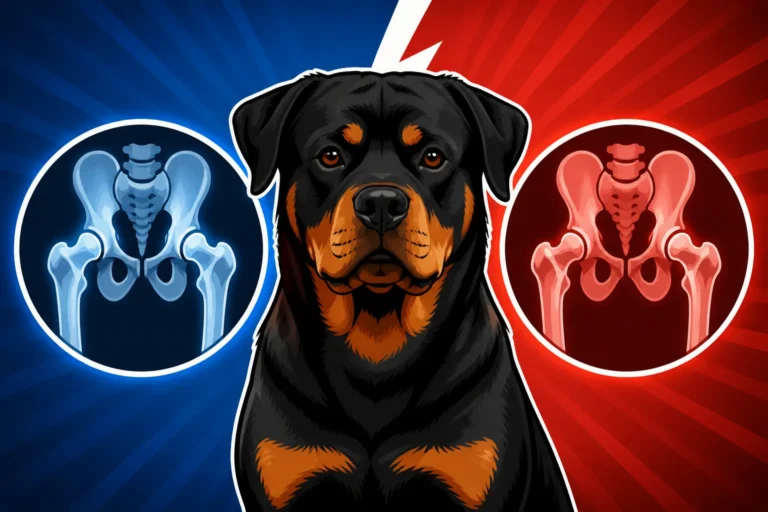
Rottweilers, unfortunately, are genetically predisposed to several significant orthopedic conditions that make these high-impact jumps even more dangerous. Conditions like Rottweiler Hip Dysplasia and the OFA Grade and Rottweiler Elbow Dysplasia and Front Leg Lameness are common in the breed. Hip dysplasia, for instance, means the hip joint doesn't fit together perfectly, leading to grinding and deterioration. Elbow dysplasia is a complex condition involving multiple growth abnormalities in the elbow joint. When a dog with even a mild predisposition to these issues repeatedly slams their joints into the ground, it drastically accelerates the progression and severity of the disease.
Another critical factor, especially in growing puppies, is the late closure of their growth plates. Rottweilers continue to grow until they are around 18 to 24 months old, meaning their growth plates – the areas of cartilage at the end of their long bones responsible for bone growth – remain open and vulnerable for a longer period than smaller breeds. High-impact activities like jumping can damage these soft growth plates, leading to improper bone formation and lifelong lameness. You can read more about Rottweiler Growth Plates and Why They Close So Late to understand the timeline. Even after growth plates close, the sheer force can lead to acute injuries like Cruciate Ligament Tears in a Hundred Pound Rottweiler, which are incredibly painful and often require expensive surgery. These predispositions, combined with the impact of jumping, make a strong case for preventing car jumps altogether.
Preventing Car Jump Injuries: Practical Solutions
Once you understand the risks, the next logical step is to implement preventative measures. Thankfully, there are many practical and easy-to-use solutions to help your Rottweiler enter and exit vehicles safely, turning a potential hazard into a routine, gentle transition.
Ramps and Steps: Making Exiting Safer
The most straightforward and often most effective solution is investing in a good quality ramp or set of steps designed for large dogs. These tools provide a gradual incline or manageable steps, allowing your Rottweiler to walk in and out of the car rather than jump.
When choosing a ramp, consider a few key features:
- Length and Incline: A longer ramp provides a gentler incline, which is easier on the joints. If your car is particularly high, opt for a longer ramp.
- Non-Slip Surface: This is paramount. Look for ramps with a high-traction surface like sandpaper-like grip or rubberized treads to prevent slips, especially in wet weather or for an eager dog.
- Weight Capacity: Your Rottweiler is a substantial dog, so ensure the ramp can safely support their full weight, plus a little extra for good measure.
- Portability and Storage: Many ramps fold or telescope for easy storage in your car. Consider the space you have available.
Training your Rottweiler to use a ramp or steps takes patience and positive reinforcement. Start by introducing the ramp on flat ground, rewarding them heavily for simply walking over it. Gradually introduce it to the car at a low height, making it a positive experience with treats and praise. Never force them, as this can create a negative association. Some popular options include telescoping ramps from brands like PetSafe or folding ramps from Solvit, which often feature robust designs suitable for a Rottweiler's size.
Car steps offer an alternative, particularly if space is a concern or if your dog prefers distinct steps over an incline. They are usually compact and can be easily deployed. Ensure they are sturdy and have wide, deep steps for your Rottweiler's paws, along with a non-slip surface.
Lifting Aids and Assisted Exits
Sometimes, a ramp or steps aren't feasible or sufficient. Perhaps your car is too small, or your Rottweiler is already senior or injured and needs more direct support. This is where lifting aids, such as mobility harnesses or slings, become invaluable.
Mobility harnesses, often with handles over the back or near the hips, allow you to provide controlled support as your dog moves. Brands like Ruffwear or GingerLead offer durable designs. For dogs with significant hip or hind end weakness, a rear-support sling can be a lifesaver. It wraps under their belly and allows you to take a substantial portion of their weight, guiding their legs to the ground gently. These are especially useful for dogs recovering from surgery, managing severe arthritis, or those with advanced Senior Rottweiler Mobility Decline. While pet insurance like Healthy Paws won't cover the cost of the harness itself, having one can absolutely help prevent injuries that would be covered if they happened. It's an investment in prevention!
If you need to physically lift your Rottweiler, especially when they are smaller puppies or in an emergency, always prioritize proper lifting techniques to protect both your back and their joints. For a larger dog, ideally, it's a two-person job, with one person supporting the chest and the other the hindquarters, lifting in unison to keep their body level. For solo lifting, always bend your knees, lift with your legs, and keep your back straight, supporting their weight evenly. Consistency is key here. Make using a ramp or receiving assistance the only way your Rottweiler exits the car from day one, and they will adapt readily.
| Feature | Car Ramp | Car Steps | Lifting Aid/Sling |
|---|---|---|---|
| Primary Use | Gradual entry/exit | Step-by-step entry/exit | Assisted lifting for weak/injured dogs |
| Ease of Use | Requires training for consistent use | May require less training than ramps | Requires handler strength and technique |
| Portability | Can be bulky, but many fold/telescope | Generally more compact | Highly portable and easy to store |
| Joint Impact | Very low impact, gentle incline | Low impact, but still some step-down | Virtually no impact, controlled descent |
| Ideal For | Most dogs, preventative use | Dogs preferring steps, smaller vehicles | Senior, injured, or post-op dogs |
| Pros | Very gentle on joints, independence | More compact, familiar motion | Maximum joint protection, handler control |
| Cons | Can be bulky, training required | Can be steep for some dogs, less smooth | Requires direct physical involvement |
Long-Term Joint Health Beyond the Car
Preventing car jump injuries is a fantastic start, but a Rottweiler's joint health is a lifelong endeavor that extends far beyond how they get in and out of your vehicle. It involves a holistic approach that considers diet, appropriate exercise, supplements, and proactive veterinary care.
Holistic Approaches to Joint Care
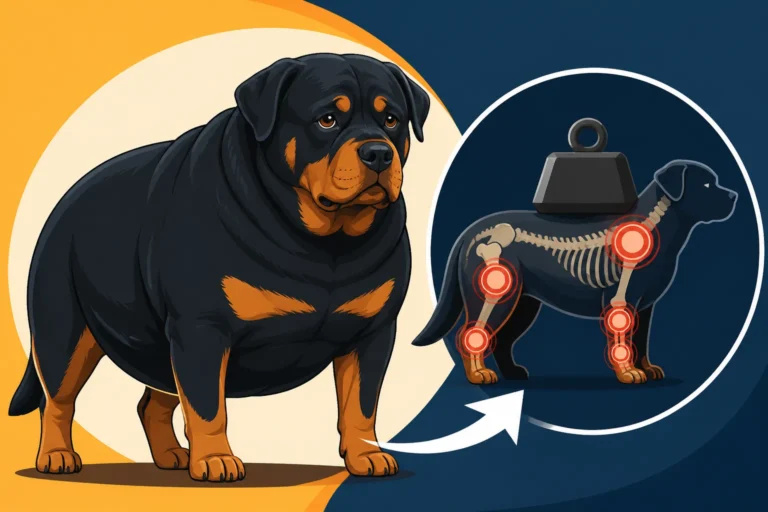
Maintaining a lean body weight is arguably the single most important factor in supporting your Rottweiler's joints. Every extra pound your dog carries puts exponentially more stress on their hips, elbows, and knees. Keeping them at a healthy, lean weight can significantly delay the onset and reduce the severity of joint diseases. It's worth reviewing how Rottweiler Obesity and the Load It Adds can impact their overall health and lifespan. Work with your vet to establish an ideal weight range and a feeding plan that keeps them there.
Joint supplements can play a supportive role, especially for a large breed like the Rottweiler. Ingredients like glucosamine, chondroitin, and omega-3 fatty acids (like fish oil) are commonly recommended to support cartilage health and reduce inflammation. Many owners start these supplements proactively, sometimes as early as when their Rottweiler is a puppy, typically after their rapid growth phase. You can learn more about starting Joint Supplements Started Before a Rottweiler Turns Two as a preventative measure.
Controlled, appropriate exercise is also vital. While Rottweilers are powerful, intense, high-impact activities like repeated jumping, long runs on pavement, or sudden stops and starts on slippery surfaces should be limited, particularly when they are young and their growth plates are still open. Instead, focus on low-impact activities like swimming, leash walks on soft surfaces, or controlled play. Understanding A Growing Rottweiler's Joints and Overexercise is crucial during their developmental stages. As they age, continuing these low-impact activities becomes even more important to maintain muscle mass and joint flexibility without causing undue wear and tear.
Finally, regular veterinary check-ups are non-negotiable. Your vet can monitor your Rottweiler's gait, assess joint health, and recommend early interventions if they detect any issues. Many problems are far easier to manage if caught early. These check-ups become even more critical as your Rottweiler enters their senior years, as part of a comprehensive Senior Rottweiler Care After the Age of Seven plan.
When an Injury Occurs: What to Do
Despite our best efforts, accidents can happen, or genetic predispositions can manifest. Knowing what to do when an injury occurs is crucial. Signs of pain or lameness can include limping, difficulty getting up or lying down, reluctance to jump or use stairs, crying out when touched, or a change in temperament. If you notice any of these signs, don't delay – consult your veterinarian immediately.
Your vet will likely perform a thorough physical examination, potentially order X-rays, or recommend more advanced diagnostics like an MRI to pinpoint the issue. Treatment options vary widely depending on the injury. They can range from pain management and anti-inflammatory medications to physical therapy, or even surgery. For instance, a ruptured cranial cruciate ligament (ACL equivalent) often requires surgery like TPLO Surgery on a Rottweiler Knee. Severe hip dysplasia might eventually lead to a Total Hip Replacement in a Rottweiler.
These treatments can be incredibly effective, but they often come with significant costs. This is where comprehensive pet insurance, such as a policy from Healthy Paws, can be a true lifesaver. Healthy Paws, for example, can help cover the costs of diagnostics, specialist consultations, surgery, medications, and even long-term therapies like Physical Therapy After Rottweiler Joint Surgery. Having a policy in place before an injury occurs ensures you can make medical decisions based on what's best for your Rottweiler, rather than being solely driven by financial concerns. It provides peace of mind, knowing that if the worst happens, you're prepared to give your Rottweiler the best possible chance at recovery and a comfortable life.
Disclaimer
The information provided in this article is for general informational purposes only and is not a substitute for professional veterinary advice, diagnosis, or treatment. Always seek the advice of your veterinarian or other qualified health provider with any questions you may have regarding a medical condition.