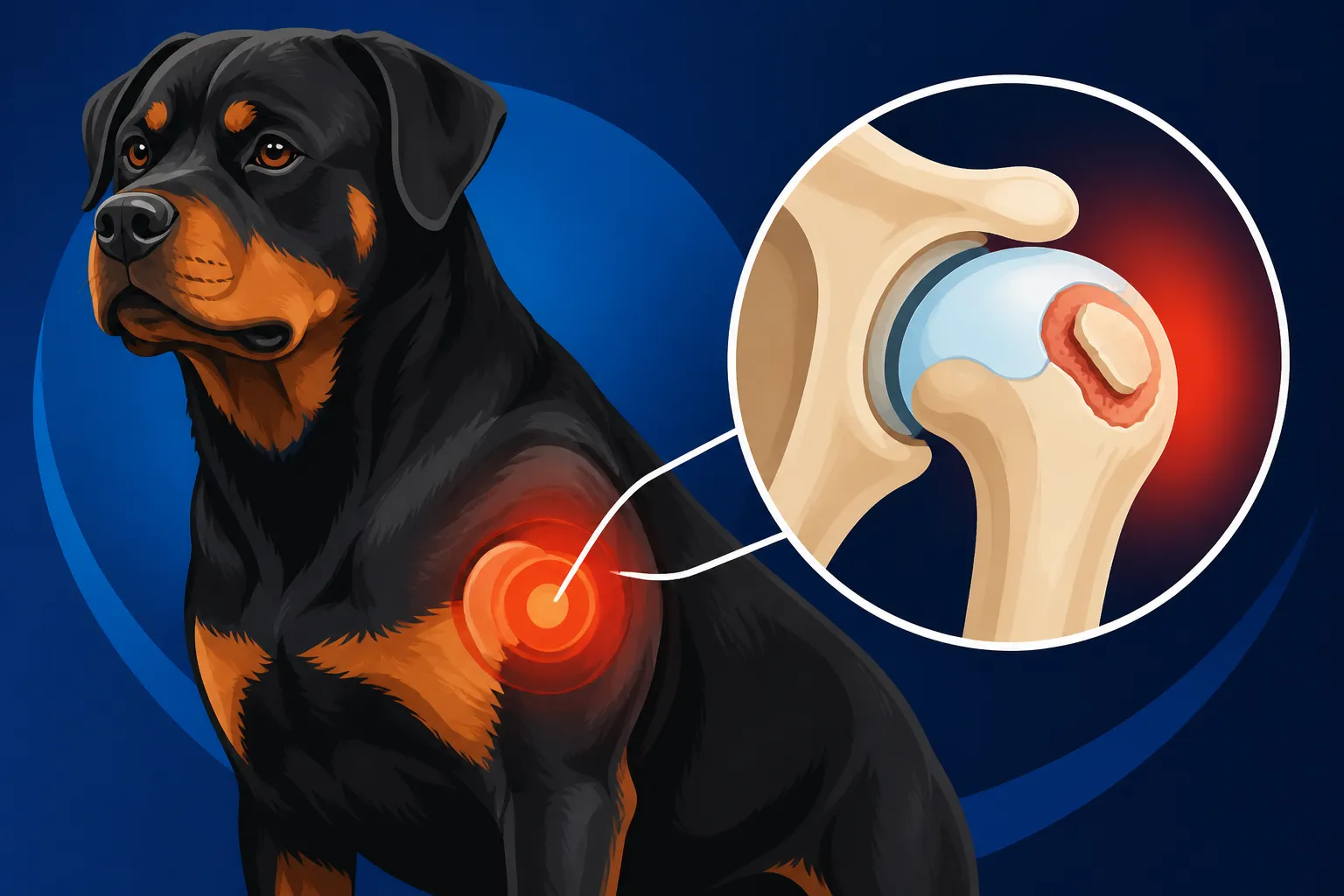
Osteochondritis Dissecans in a Rottweiler Shoulder
It's incredibly frustrating, and often heartbreaking, when your robust, growing Rottweiler puppy suddenly develops a limp, or seems reluctant to play like they used to. You expect bumps and bruises with a rambunctious youngster, but a persistent lameness in a young, active dog can spark fears about serious joint issues. This comprehensive guide is here to shed light on one such condition, Osteochondritis Dissecans (OCD) specifically in a Rottweiler's shoulder, helping you understand what it is, why it happens, and how best to manage it for your beloved companion.
Understanding Osteochondritis Dissecans (OCD) in Rottweilers
Osteochondritis Dissecans, thankfully often shortened to OCD, is a developmental orthopedic disease that impacts the cartilage and underlying bone in a dog's joints. It’s a condition where the cartilage, which is supposed to be smooth and protective, fails to properly form and adhere to the bone during the rapid growth phase of a puppy. For Rottweilers, given their incredible growth rate and significant adult size, this is a concern that many owners unfortunately encounter.
What Exactly is OCD?
Imagine the ends of your bones in a joint, covered by a slick, smooth layer of cartilage, allowing them to glide effortlessly over each other. In a dog with OCD, during that crucial growth period, a piece of this cartilage doesn't fully harden into bone as it should. Instead, it becomes a thicker, weaker flap that can eventually detach. When this flap lifts or breaks off, it exposes the underlying bone to the joint fluid and friction, leading to significant pain, inflammation, and degenerative changes in the joint. It's essentially a defect in the cartilage maturation process.
This detached piece of cartilage, sometimes called a "joint mouse," can float freely within the joint space, causing further irritation and mechanical obstruction. The exposed bone underneath the cartilage defect is highly sensitive, leading to the pain and lameness you'd observe in your Rottweiler. Over time, without intervention, this ongoing inflammation and abnormal joint mechanics inevitably lead to secondary osteoarthritis, making early diagnosis and management crucial.
Why Are Rottweilers Particularly Susceptible?
Rottweilers, like many other large and giant breeds, are predisposed to developmental orthopedic diseases like OCD. Their immense size means they undergo an incredibly rapid growth spurt in their first year to eighteen months, putting enormous demands on their skeletal system. This rapid growth, combined with specific genetic predispositions, makes their cartilage particularly vulnerable to these developmental errors. If you're wondering, it's why understanding concepts like Rottweiler Growth Plates and Why They Close So Late is so important for their overall skeletal health.
Genetics play a significant role. While not a simple Mendelian trait, the propensity for OCD can run in certain lines, highlighting the importance of choosing a reputable breeder who screens their breeding stock for orthopedic issues. Beyond genetics, external factors like diet, especially diets high in calories or calcium that promote too-rapid growth, can exacerbate the risk. Many owners want to see their Rottweiler puppy grow big and strong quickly, but this can inadvertently set them up for problems like OCD and other skeletal issues. You'll want to ensure your puppy is on a diet specifically formulated for large breed puppies, and understand Why You Never Supplement a Rottweiler Puppy's Calcium.
Common Locations for OCD
While OCD can occur in several joints, the shoulder (specifically the caudal humeral head) is one of the most common sites in Rottweilers. Other joints frequently affected include the elbow, hock (ankle), and stifle (knee), but the shoulder tends to be particularly prevalent. When a Rottweiler is diagnosed with OCD in one shoulder, there's always a possibility it could develop in the other shoulder or another joint, as it's a systemic developmental issue, not just a localized injury.
The shoulder joint is a ball-and-socket joint, designed for a wide range of motion. When an OCD lesion develops here, it directly interferes with this smooth movement. You might observe your Rottweiler holding their leg slightly away from their body, or walking with a noticeable limp, especially after a period of rest or exercise. This is a tell-tale sign that something isn't right within that crucial joint.
Recognizing the Signs and Getting a Diagnosis
Spotting OCD early in a Rottweiler can sometimes be tricky because the initial signs can be subtle, easily mistaken for a minor strain or just puppy clumsiness. However, paying close attention to your dog's gait and behavior, especially during their key growth phases, is paramount.
Subtle Versus Obvious Lameness
The signs of shoulder OCD can range from very subtle to quite pronounced. Often, the first thing owners notice is an intermittent lameness, perhaps a slight limp after a vigorous play session that seems to disappear after rest. Then, it might reappear the next day. This "on-again, off-again" nature can be particularly frustrating and confusing for owners. Sometimes, the lameness is more evident after your Rottweiler has been lying down for a while and then stands up, indicating stiffness that eases with a bit of movement.
As the condition progresses, the lameness typically becomes more consistent. Your Rottweiler might start holding the affected limb outward, away from their body, to alleviate pressure on the painful joint. They may become reluctant to engage in activities they once loved, like chasing a ball, jumping, or even just going for a long walk. They might shift their weight more to their other front leg, which can lead to muscle atrophy in the affected shoulder and increased strain on the healthy limb. This is why paying attention to changes in their desire for activity is just as important as watching for an outright limp. Consider if you've been pushing your puppy too hard, as A Growing Rottweiler's Joints and Overexercise can certainly contribute to issues.
Age of Onset
OCD is typically diagnosed in Rottweiler puppies and young adults, most commonly between 4 to 12 months of age, during their most intensive period of growth. However, it can sometimes be diagnosed as late as 18-24 months if the signs were previously mild or went unnoticed. It's rare for a Rottweiler to develop new OCD lesions after their growth plates have closed, as the underlying cartilage defect is a developmental issue.
If you have an older Rottweiler suddenly developing shoulder lameness, other conditions like arthritis, soft tissue injuries, or even something more serious like The First Limp That Turns Out to Be Bone Cancer would be higher on the diagnostic list. But for a growing puppy, OCD should always be a strong consideration when there's unexplained front-end lameness. This is why regular vet check-ups during their first year are so vital.
Veterinary Examination and Imaging
When you bring your Rottweiler in with suspected lameness, your veterinarian will perform a thorough orthopedic examination. This involves palpating the joints, checking for pain, swelling, and muscle atrophy, and assessing the range of motion in each joint. With shoulder OCD, your vet might notice pain when the shoulder is extended or rotated. They might also pick up on a subtle grinding sensation, called crepitus, within the joint.
The definitive diagnosis of OCD typically involves radiography (X-rays). Standard X-rays of the shoulder can often reveal the characteristic "flattening" or defect on the humeral head, and sometimes the presence of a detached cartilage flap (though cartilage itself doesn't show up on X-rays, the bone irregularities beneath it do). In some cases, especially if the X-rays are inconclusive or if surgical planning is underway, your vet might recommend more advanced imaging techniques like a CT scan or MRI. These can provide a much clearer, 3D picture of the cartilage and bone defects, which is invaluable for precise diagnosis and surgical planning. Don't be surprised if these diagnostics add up; having pet insurance, perhaps from a provider like Healthy Paws, can be incredibly helpful for managing these costs.
Treatment Options for a Rottweiler With Shoulder OCD
Once a diagnosis of shoulder OCD is confirmed, your veterinarian will discuss the best course of action for your Rottweiler. Treatment generally falls into two main categories: conservative management or surgical intervention, with the choice depending on factors like the size of the lesion, the severity of the lameness, and the presence of any detached cartilage fragments.
Conservative Management When Applicable
Conservative management is typically considered for smaller, less severe lesions, especially if the Rottweiler is still very young and has minimal lameness, and if there's no evidence of a detached cartilage flap floating in the joint. The primary goal is to encourage the cartilage to heal and minimize further damage. This approach usually involves strict rest and activity restriction for several weeks, meaning no running, jumping, or vigorous play. Leash walks for potty breaks only are often recommended.
Alongside rest, pain relief and anti-inflammatory medications (NSAIDs) will be prescribed to keep your Rottweiler comfortable and reduce joint inflammation. Joint supplements containing ingredients like glucosamine, chondroitin, and omega-3 fatty acids are also frequently recommended to support cartilage health. Physical therapy, once the initial acute pain has subsided, can be incredibly beneficial. This might include passive range of motion exercises, gentle stretching, and controlled underwater treadmill sessions to build muscle without stressing the joint. The challenge with a growing, energetic Rottweiler is keeping them adequately rested, but it's crucial for success with this approach. Sometimes, conservative management is also applied as a temporary measure while waiting for surgical scheduling or if surgery isn't an immediate option. You might find resources on joint supplements Started early in a Rottweiler beneficial here.
Surgical Intervention and Techniques
For larger lesions, lesions causing significant pain, or when a detached cartilage flap is present, surgical intervention is generally the preferred and most effective treatment for shoulder OCD in Rottweilers. The goal of surgery is to remove the loose cartilage flap and debride (smooth out) the affected bone surface, creating a more stable environment within the joint. This helps reduce pain and slow the progression of secondary arthritis.
There are two main surgical techniques:
- Arthroscopy: This is a minimally invasive procedure where a small camera and instruments are inserted into the joint through tiny incisions. It offers excellent visualization of the joint, less pain, and a faster recovery compared to traditional open surgery. For a Rottweiler, the smaller incisions mean less tissue trauma and often a quicker return to weight-bearing.
- Open Arthrotomy: This traditional method involves a larger incision to open the joint and allow direct visualization and access. While more invasive, it's sometimes necessary for very large lesions or if arthroscopic equipment isn't available.
Your veterinary surgeon will discuss which technique is best suited for your Rottweiler's specific case. Regardless of the method, the success rate for alleviating pain and improving function with surgery is generally very high, especially when performed early.
Post-Operative Care and Rehabilitation
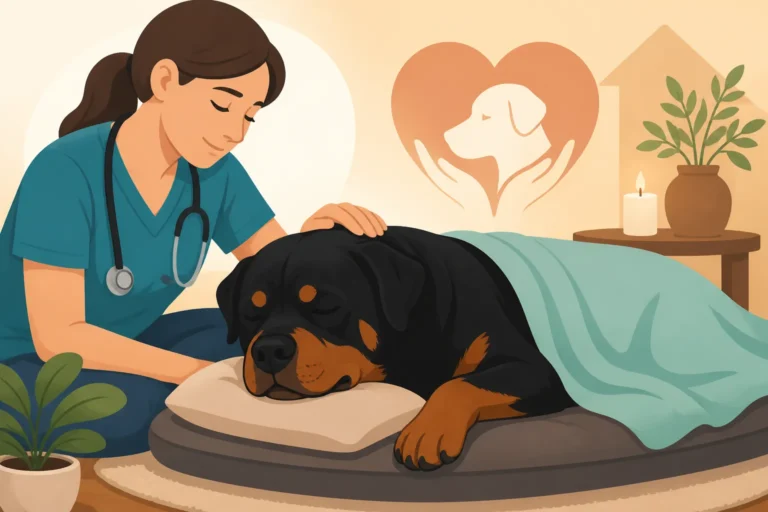
Surgery is just the first step; the post-operative period is equally critical for a successful outcome. Your Rottweiler will need strict activity restriction for several weeks to allow the joint to heal, followed by a carefully managed rehabilitation program. This means no off-leash running or jumping for a specified period, typically 6-8 weeks or longer. Pain management will continue, and your vet might recommend specific exercises or refer you to a certified canine rehabilitation therapist.
Physical therapy after surgery is invaluable. It helps restore range of motion, build muscle strength and endurance, and improve proprioception (the dog's awareness of its body in space). This can significantly improve long-term function and potentially delay the onset of secondary arthritis. Programs often include therapeutic exercises, hydrotherapy (like underwater treadmill walking), and even modalities like laser therapy. These interventions are often covered by pet insurance, which can make a significant difference in your ability to provide the best care for your Rottweiler. Check with providers like Healthy Paws to understand their coverage for such procedures. For more on this, you can look into Physical Therapy After Rottweiler Joint Surgery.
Managing Long-Term Prognosis and Prevention
While treatment for OCD in a Rottweiler's shoulder is often very successful in resolving immediate lameness and pain, it's important to understand the long-term implications and how to best support your dog throughout their life. The journey doesn't end with surgery or the completion of a conservative management plan; rather, it transitions into ongoing care.
What Does the Future Hold?
Even with successful treatment, the joint that experienced OCD will always have a higher predisposition to developing secondary osteoarthritis later in life. This is because the initial insult to the cartilage and bone alters the joint's mechanics and integrity, creating a cascade that can lead to degenerative changes over time. Many Rottweilers with a history of shoulder OCD will develop some degree of arthritis as they age, especially as they enter their senior years.
This doesn't mean a bleak future for your Rottweiler. With proactive management, many dogs live full, active lives. Regular monitoring for signs of arthritis, such as stiffness, subtle lameness, or reluctance to exercise, becomes part of their routine care. Early intervention for arthritis, through diet, supplements, controlled exercise, and pain management, can significantly improve their comfort and quality of life for many years. Learning about topics like Managing Arthritis in an Older Rottweiler will be beneficial for a lifetime of care.
Preventive Measures
Prevention is always better than cure, and while you can't eliminate the genetic component of OCD, you can certainly mitigate the environmental factors. The most crucial preventive measures revolve around responsible breeding and appropriate puppy care.
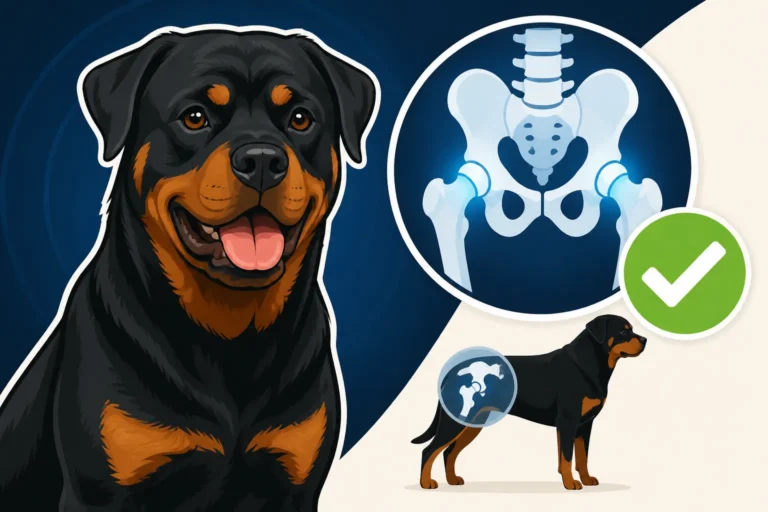
- Responsible Breeding: Always choose a reputable breeder who health-tests their breeding stock for orthopedic conditions. While there isn't a direct genetic test for OCD, good breeders will screen for other common orthopedic issues like hip and elbow dysplasia, as these conditions often share similar genetic predispositions and environmental influences. They should be transparent about their dogs' health histories.
- Proper Nutrition: Feed a high-quality, large-breed puppy food formulated for slow and steady growth, not rapid weight gain. Avoid overfeeding, as excess weight puts undue stress on developing joints. As discussed earlier, avoid calcium supplementation, as too much calcium can disrupt normal bone and cartilage development. Look for balanced Protein Levels That Suit a Growing Rottweiler and controlled calcium.
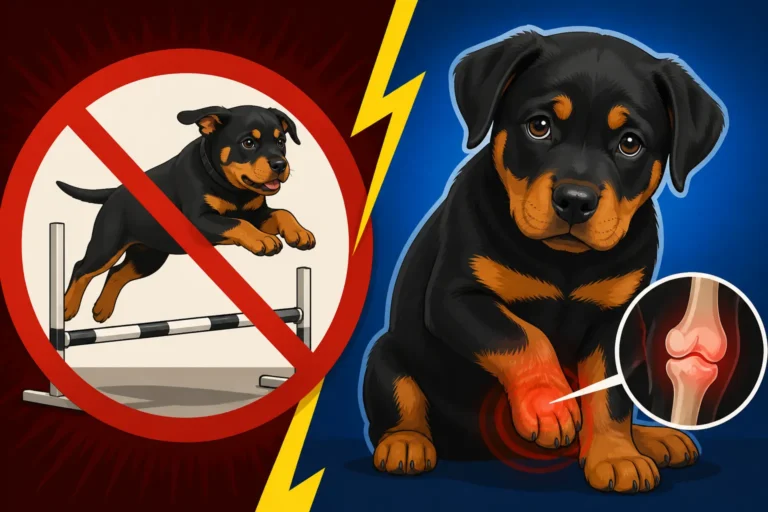
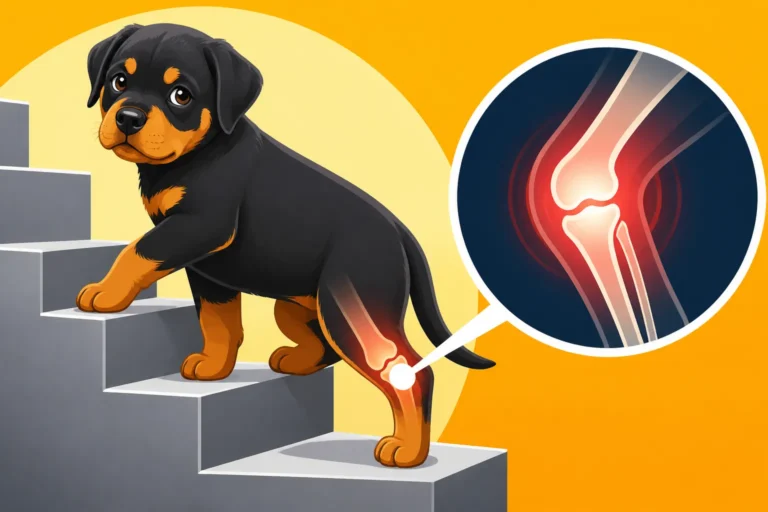
- Controlled Exercise: Limit strenuous, high-impact exercise, such as jumping, long-distance running, or rough play on hard surfaces, especially during your Rottweiler's rapid growth phases (typically up to 18-24 months). Short, frequent walks on soft surfaces are generally preferred over long, intense sessions. Understand that A Growing Rottweiler's Joints and Overexercise can lead to long-term problems. The "five-minute rule" (five minutes of exercise per month of age, twice a day) is a good guideline for puppies.
The Role of Pet Insurance
The costs associated with diagnosing and treating shoulder OCD can be substantial. From initial vet visits, X-rays, and potentially advanced imaging like CT scans, to surgical fees, anesthesia, medications, and weeks or months of physical rehabilitation, the bills can quickly add up to thousands of dollars. This financial burden can be a huge source of stress for owners, potentially impacting their ability to pursue the best course of treatment.
This is where pet insurance becomes an invaluable tool. A good pet insurance policy, especially one from a reputable provider like Healthy Paws, can cover a significant portion of these costs. Enrolling your Rottweiler in a policy early, ideally when they are a puppy, before any signs of lameness appear, ensures that conditions like OCD are not considered "pre-existing" and are therefore covered. This peace of mind allows you to make treatment decisions based on what's best for your dog's health, rather than what's feasible for your wallet. It's truly worth investigating Rottweiler Pet Insurance and the $204 Average to understand the benefits.
Osteochondritis Dissecans in a Rottweiler's shoulder is a serious condition, but with early detection, appropriate veterinary care, and dedicated post-treatment management, most Rottweilers can go on to live comfortable and happy lives. Being proactive about their health, from puppyhood through their senior years, is the greatest gift you can give them.
Disclaimer
Please remember that the information provided in this guide is for educational purposes only and should not be considered a substitute for professional veterinary advice. Always consult with a qualified veterinarian for any health concerns or before making any decisions about your Rottweiler's medical care.