The ADRK and Its Rottweiler Breeding Rules
Many prospective Rottweiler owners hear the terms "German lines" or "ADRK" thrown around, but often feel confused about what these distinctions truly mean for the dog they might bring home. It's more than just a fancy label; it signifies a profound commitment to exceptionally rigorous breeding standards designed to preserve the Rottweiler's health, stable temperament, and traditional working ability. This guide will walk you through the comprehensive breeding rules set forth by the Allgemeiner Deutscher Rottweiler-Klub (ADRK), shedding light on why these regulations are considered the absolute gold standard for Rottweiler enthusiasts and responsible breeders worldwide.
Understanding the ADRK's Foundation and Mission
The ADRK, or Allgemeiner Deutscher Rottweiler-Klub e.V., is the official breed club for Rottweilers in Germany, where the breed originated. It holds a unique and powerful position in the Rottweiler world, much like the German Shepherd Dog Club of Germany (SV) does for its breed. Unlike many national kennel clubs that simply register dogs, the ADRK is deeply involved in setting and enforcing the strictest standards for breeding, health, and temperament, aiming to maintain the Rottweiler as a sound, capable working dog.
A Legacy of Preservation
The ADRK was established in 1907, just a few short years after the Rottweiler breed was officially recognized in Germany. Its founders were acutely aware of the breed's rich history as a drover and guard dog in the town of Rottweil, working alongside butchers to move cattle and guard their earnings. They understood that to prevent the breed from fading into obscurity or becoming diluted by poor breeding practices, a strong, centralized authority was needed. Their mission was clear: to preserve the Rottweiler's intrinsic qualities – its imposing physical presence, unwavering courage, robust health, and intelligent, stable temperament – for future generations. This wasn't just about looks; it was about the whole dog, head to tail, heart to paw.
This historical context is crucial because it explains why the ADRK takes such a comprehensive approach. They weren't just creating a pet dog; they were safeguarding a piece of living history, a working breed with specific jobs it needed to perform. Every rule, every test, every evaluation traces back to this core mission of ensuring the Rottweiler remains true to its heritage as a powerful, confident, and reliable working partner. It’s a legacy of responsibility that filters down through every generation of Rottweilers bred under their guidance.
The Club's Core Purpose
The ADRK's core purpose can be distilled into several key areas, all focused on meticulous breed preservation. Firstly, they maintain the official German breed standard, which is incredibly detailed and prescriptive, covering everything from skull shape to coat texture to gait. This standard isn't just a suggestion; it’s the blueprint. Secondly, they oversee a stringent breeding program that ensures only the healthiest, most stable, and conformationally correct Rottweilers are allowed to reproduce. This involves a battery of health tests, temperament assessments, and working trials that go far beyond what many other kennel clubs require.
Think of it this way: the ADRK acts as a quality control guardian. They don't just register puppies; they scrutinize the parents, grandparents, and even great-grandparents to ensure that genetic predispositions to health issues are minimized and that desired traits are consistently passed down. They believe that a Rottweiler should not only look the part but also act the part, possessing the intelligence, nerves, and drive necessary for its original duties, even if today those duties might involve police work, therapy visits, or simply being a well-behaved family companion. This dedication translates into a dog that is, ideally, both physically and mentally sound, a true representation of the breed.
The Cornerstone of ADRK Breeding Regulations
When you hear about an "ADRK Rottweiler," you're really talking about a dog whose parents have successfully navigated a gauntlet of tests and evaluations. These aren't casual requirements; they are deeply ingrained in the breeding process, designed to weed out deficiencies and promote excellence. It's a commitment that breeders undertake, knowing that every step is a validation of their breeding stock.
Non-Negotiable Health Clearances
Before any Rottweiler can be considered for breeding under ADRK rules, it must pass a series of comprehensive health screenings, and these are far more demanding than simple vet checks. The primary focus is on conditions common to large breeds, particularly those that can affect mobility and quality of life.
Firstly, hip and elbow dysplasia are paramount. All breeding dogs must undergo X-rays of their hips and elbows, which are then officially graded by a panel of veterinarians. The standards are incredibly strict. A dog with even mild hip or elbow dysplasia would be disqualified from breeding. This is why you often hear about Rottweiler Hips and Elbows and the 24-Month Rule, which specifies the age at which these crucial X-rays must be taken to ensure skeletal maturity. The goal is to reduce the incidence of these debilitating conditions, which can cause significant pain and mobility issues for a large, heavy dog. This proactive approach aims to ensure that future generations are as free from these genetic predispositions as possible, something any responsible owner wants for their dog.
Beyond hips and elbows, cardiac health is also a critical component. Rottweilers must receive a clear echocardiogram from a board-certified veterinary cardiologist to rule out conditions like Rottweiler Heart Disease and Subaortic Stenosis. This is a serious concern in the breed, and ensuring breeding stock is clear helps prevent passing on genetic heart conditions. Eye certifications, typically for hereditary eye diseases like entropion or ectropion, are also required, often needing Rottweiler Eye Certification and the Three Year Rule for re-certification. Furthermore, with the advent of genetic testing, the ADRK has also incorporated DNA tests for breed-specific hereditary diseases, most notably JLPP and the Rottweiler DNA Test (Juvenile Laryngeal Paralysis & Polyneuropathy). Breeders must ensure at least one parent of a litter is genetically clear of JLPP to avoid producing affected puppies. This holistic approach to health goes a long way in producing robust, long-lived companions.
Temperament and Working Ability Evaluations
Health alone isn't enough; an ADRK Rottweiler must also demonstrate correct temperament and working ability. This is where the breed's historical purpose truly shines through. A Rottweiler isn't just a pretty face; it's a thinking, capable working animal.
The first step in temperament evaluation is typically the Begleithundprüfung (BH), or "companion dog test." This test assesses a dog's obedience, self-confidence, nerve stability, and ability to behave well in public under various distractions. It's not a protection test, but rather a foundational evaluation of a dog's general conduct and responsiveness to its handler. Passing the BH shows that a Rottweiler possesses the fundamental good manners and stable temperament required to be a reliable member of society. Without a BH, a dog cannot progress to more advanced working titles, underscoring its importance.
After the BH, many ADRK-approved breeding dogs will go on to achieve advanced working titles like the IGP (formerly IPO or Schutzhund). These demanding titles evaluate a dog in three distinct phases: tracking, obedience, and protection work. The protection phase, often misunderstood, is not about creating an aggressive dog but about assessing the dog's courage, nerve, prey drive, and control under pressure. A dog that is too timid or too uncontrolled would fail. These tests ensure that the Rottweiler retains its natural guarding instincts but does so with impeccable control and discernment, which is central to the Rottweiler Guarding Instinct and How to Shape It. It truly reflects the breed's intelligence and desire to work alongside its human partner. This comprehensive testing framework for both temperament and working ability helps maintain the breed's characteristic self-assured aloofness rather than aggression or shyness.
Conformation and Breed Worthiness Testing
Beyond health and temperament, a Rottweiler must also conform to the physical breed standard, and this is assessed through rigorous conformation evaluations. The most significant of these is the Zuchttauglichkeitsprüfung (ZTP), or "Breed Suitability Test." This is a comprehensive examination that combines a detailed physical assessment with a further temperament test.
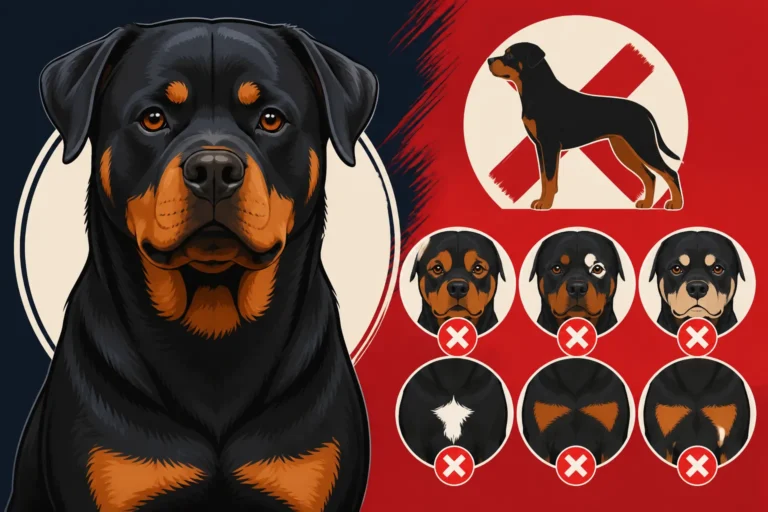
During the ZTP, experienced ADRK judges meticulously evaluate the dog against the official breed standard. They look at every aspect: head shape, ear set, eye color, bite, neck, topline, chest depth, angulation, coat quality, and movement. Every detail counts, and faults that deviate significantly from the standard can lead to a dog being deemed unsuitable for breeding. For example, a dog that is too tall or too short, or has incorrect markings, might not pass. The ZTP also includes a further temperament assessment, where the dog's reactions to various stimuli, including loud noises and confident approaches by strangers, are observed. The aim is to confirm the Rottweiler's inherent stability and self-confidence, ensuring it is neither overly shy nor unduly aggressive. You can often see why German Rottweilers Against American Rottweilers might diverge in type, as the German standard is much more specific and rigidly enforced for breeding purposes.
A dog that passes its ZTP has demonstrated not only its physical conformity to the breed standard but also its mental soundness and suitability for contributing to the future of the breed. This test is a cornerstone of the ADRK's commitment to producing Rottweilers that are excellent examples of the breed in every sense, from their robust physique to their composed and courageous disposition. This ensures that the aesthetic and functional aspects of the breed are preserved simultaneously.
Strict Age and Breeding Frequency Limits
The ADRK doesn't just evaluate the quality of the breeding dog; it also dictates when and how often a dog can be bred, prioritizing the animal's well-being and responsible breeding practices. These rules are designed to ensure that dogs are physically and mentally mature before breeding and are not over-bred, which can impact their health and the quality of their offspring.
Female Rottweilers, or bitches, typically cannot be bred before they are at least 20 months old, and male Rottweilers, or stud dogs, generally not before they are 18 months old. This minimum age requirement aligns with the understanding that Rottweilers are a large breed with a slower maturation rate. Their Rottweiler Growth Plates and Why They Close So Late, often not fully fused until 18-24 months, mean that early breeding could put undue stress on a still-developing body. By waiting, the ADRK ensures that the dog's full adult structure and temperament have had time to develop, providing a clearer picture of its suitability for breeding. This responsible approach prevents potential health complications for the mother and contributes to the overall health of the puppies.
Furthermore, there are strict limits on how frequently a female can be bred. Typically, a female Rottweiler cannot have more than one litter within a 12-month period. This allows the bitch ample time to recover physically and mentally from pregnancy and whelping, ensuring she is in peak condition for her next litter, if any. The ADRK also imposes limits on the total number of litters a female can produce in her lifetime, usually around three to four, and there's often an upper age limit for breeding, to protect older dogs. These rules are in place to prevent the over-breeding that can occur in less regulated environments, which often leads to compromised health in both the parents and the puppies. They exemplify a deep respect for the individual animal and the long-term health of the breed, ensuring that breeding is a thoughtful, planned process, not a commercial endeavor.
Why ADRK Standards Set the Bar So High
The dedication to these rigorous standards isn't just for show; it has tangible benefits that directly impact the quality of Rottweilers produced under the ADRK banner. These standards essentially act as a filter, allowing only the best examples of the breed to contribute to its future.
Impact on Rottweiler Health and Longevity
The most profound impact of ADRK breeding rules is on the overall health of the Rottweiler breed. By mandating comprehensive health clearances for hips, elbows, heart, eyes, and genetic diseases like JLPP, the ADRK drastically reduces the prevalence of these conditions in their lines. When both parents have passed these stringent tests, the likelihood of their puppies inheriting debilitating genetic health issues is significantly lowered. This proactive health screening means that ADRK-bred Rottweilers are statistically more likely to lead healthier, more comfortable lives.
For an owner, this translates into potentially fewer heart-wrenching vet visits and lower long-term medical costs. While no breeder can guarantee a dog will never have health issues – life happens, after all – the ADRK framework provides the strongest possible foundation for health. It's an investment in a dog's well-being, an assurance that generations of careful breeding have gone into trying to produce a sound companion. When considering the What a Health-Tested Rottweiler Puppy Costs, it becomes clear that the upfront expense reflects this commitment to health, aiming to save you significant emotional and financial stress down the road. You'll find a responsible breeder dedicated to these standards will offer a health guarantee, and resources like Chewy often carry specialized large breed foods and supplements to support a healthy, active life.
Maintaining True Rottweiler Temperament
Beyond physical health, the ADRK's emphasis on temperament and working evaluations is crucial for preserving the Rottweiler's stable and confident nature. The breed standard calls for a "good-natured, calm, fundamental disposition, very devoted, obedient, biddable, and eager to work." It also notes they should be "fearless, self-assured, and with a strong character." This isn't a dog meant to be flighty or overly aggressive. The BH and IGP tests are specifically designed to assess these traits, ensuring that only dogs exhibiting true Rottweiler temperament are bred.
A Rottweiler from ADRK lines is, therefore, more likely to possess the inherent mental stability, intelligence, and trainability that the breed is renowned for. This means a dog that can discern threats, remain calm under pressure, and be a reliable family member. This is particularly vital for a powerful breed of this size. A poorly bred Rottweiler, without these temperament screenings, might be shy, overly reactive, or unstable, leading to significant behavioral challenges. The ADRK rules help to consistently produce dogs with the Rottweiler Temperament and That Self-Assured Aloofness, ensuring they are confident and controlled, rather than displaying unwarranted aggression or timidity. This commitment to temperament creates a Rottweiler that is a joy to live with and a true credit to its heritage.
The Global Influence of German Standards
The ADRK's rigorous breeding rules have an immense influence far beyond Germany's borders. Many reputable Rottweiler breeders in North America, Europe, and other parts of the world strive to adhere to ADRK standards, even if their local kennel clubs don't mandate them. These breeders understand that following the ADRK model is the best way to produce Rottweilers that are true to type, both physically and mentally.
Breeders who import dogs from German ADRK lines, or who adhere to the same demanding health and working tests, are essentially making a statement about their commitment to quality. They recognize that the ADRK has done the foundational work of establishing and maintaining the breed's integrity. When you see a breeder emphasizing "German lines" and proudly displaying titles like BH, ZTP, and IGP, they are often trying to communicate that they are following these higher standards, offering puppies with a stronger genetic and temperamental background. This global impact means that even if you don't live in Germany, you can often find breeders who are working to uphold the legacy of the ADRK, ensuring that the true Rottweiler archetype continues to thrive worldwide. It's why The Five Clearances a Rottweiler Breeder Must Have often mirrors the ADRK's requirements, serving as a benchmark for excellence.
Table of Key ADRK Requirements
To give you a clearer picture of just how comprehensive these standards are, here's a simplified overview of some core ADRK breeding requirements. Keep in mind that these are minimums, and many top breeders aim even higher.
| Category | ADRK Requirement Examples | Significance |
|---|---|---|
| Health Clearances | OFA equivalent for Hips (Excellent/Good/Fair) & Elbows (Normal). | Reduces incidence of debilitating joint diseases. |
| Cardiac certification by a board-certified cardiologist. | Screens for hereditary heart conditions like SAS. | |
| Eye examination for hereditary eye diseases. | Prevents passing on conditions like entropion/ectropion. | |
| JLPP DNA test (at least one parent clear). | Eliminates risk of producing affected puppies for this neurological condition. | |
| Temperament Tests | Begleithundprüfung (BH) – Companion Dog Test. | Assesses basic obedience, nerve stability, and public decorum. |
| Zuchttauglichkeitsprüfung (ZTP) – Breed Suitability Test. | Combines conformation evaluation with advanced temperament assessment. | |
| Working Titles (e.g., IGP/IPO) – Tracking, Obedience, Protection. | Demonstrates high intelligence, trainability, courage, and control. | |
| Conformation | ZTP pass with explicit adherence to breed standard. | Ensures physical structure meets the ideal for function and type. |
| Age & Frequency | Bitches: Min. 20 months, Max. 8 years. Max 1 litter per 12 months, Max 3-4 litters lifetime. | Protects the health of the mother and ensures optimal puppy development. |
| Studs: Min. 18 months. | Ensures physical and mental maturity before contributing to the gene pool. |
This table highlights the multifaceted approach the ADRK takes, leaving no stone unturned in its quest to breed the best possible Rottweilers. For those looking for durable pet supplies, like quality food that supports joint health or robust chew toys that stand up to a strong jaw, retailers like Chewy often cater to the specific needs of large, active breeds that are bred to these exacting standards.
The ADRK Influence Beyond Germany
The impact of the ADRK extends globally, shaping the Rottweiler breed in countries far from its German homeland. While not every Rottweiler in the world adheres to these exact standards, the principles and practices established by the ADRK serve as a guiding light for serious breeders everywhere.
International Breeder Aspirations
Many dedicated Rottweiler breeders outside of Germany actively strive to meet or even exceed ADRK standards, even when their national kennel club does not mandate such rigorous testing. These breeders often import dogs directly from ADRK-registered kennels in Germany, or they breed dogs whose lineage is heavily influenced by these German lines. They understand that the ADRK framework provides the clearest path to producing healthy, well-tempered, and type-correct Rottweilers.
For these breeders, it's a matter of principle and a commitment to the integrity of the breed. They invest considerable time, money, and effort into obtaining the required health clearances (often sending X-rays to Germany for official readings), training their dogs for working titles like BH and IGP, and meticulously evaluating their conformation. They're not just breeding; they're upholding a legacy. This often means Why Health-Tested Rottweiler Parents Raise the Price of puppies, as the cost of these extensive evaluations and training is significant. However, for prospective owners seeking a dog with the highest possible chances of health and stable temperament, this adherence to ADRK-level standards offers immense peace of mind. Such breeders might also recommend high-quality large breed foods, often available from stores like Chewy, to support the development and maintenance of these well-bred dogs.
Shaping Breed Type Worldwide
The ADRK's influence isn't just about individual breeding choices; it has fundamentally shaped the global understanding of what a Rottweiler should be. The German breed standard, enforced by the ADRK, is widely regarded as the definitive blueprint for the breed. This standard dictates the ideal physical characteristics, from the structure of the head and body to the correct placement of markings and the desired gait. Breeders around the world often refer back to this standard, even when local show rings might have slightly different nuances.
This consistent adherence to a single, strong standard helps prevent fragmentation within the breed, ensuring that a Rottweiler in America or Australia still strongly resembles its German ancestors and maintains the working qualities for which it was originally prized. Without this central guiding force, the breed could easily diverge into different "types" that bear little resemblance to each other, as has happened with some other breeds. The ADRK's uncompromising commitment ensures that the classic Rottweiler – the powerful, self-assured, and noble dog – remains the global ideal, influencing everything from judging criteria in conformation shows to the fundamental temperament traits sought in breeding programs. It reinforces the importance of responsible breeding to maintain the very essence of the breed, a concept that is increasingly appreciated by pet owners who are looking for a dog that embodies the qualities they expect from a Rottweiler.
Disclaimer
This article is for general informational purposes only and does not constitute professional advice. Laws, prices and regulations vary by location and change over time. Consult a qualified professional for guidance on your specific situation.