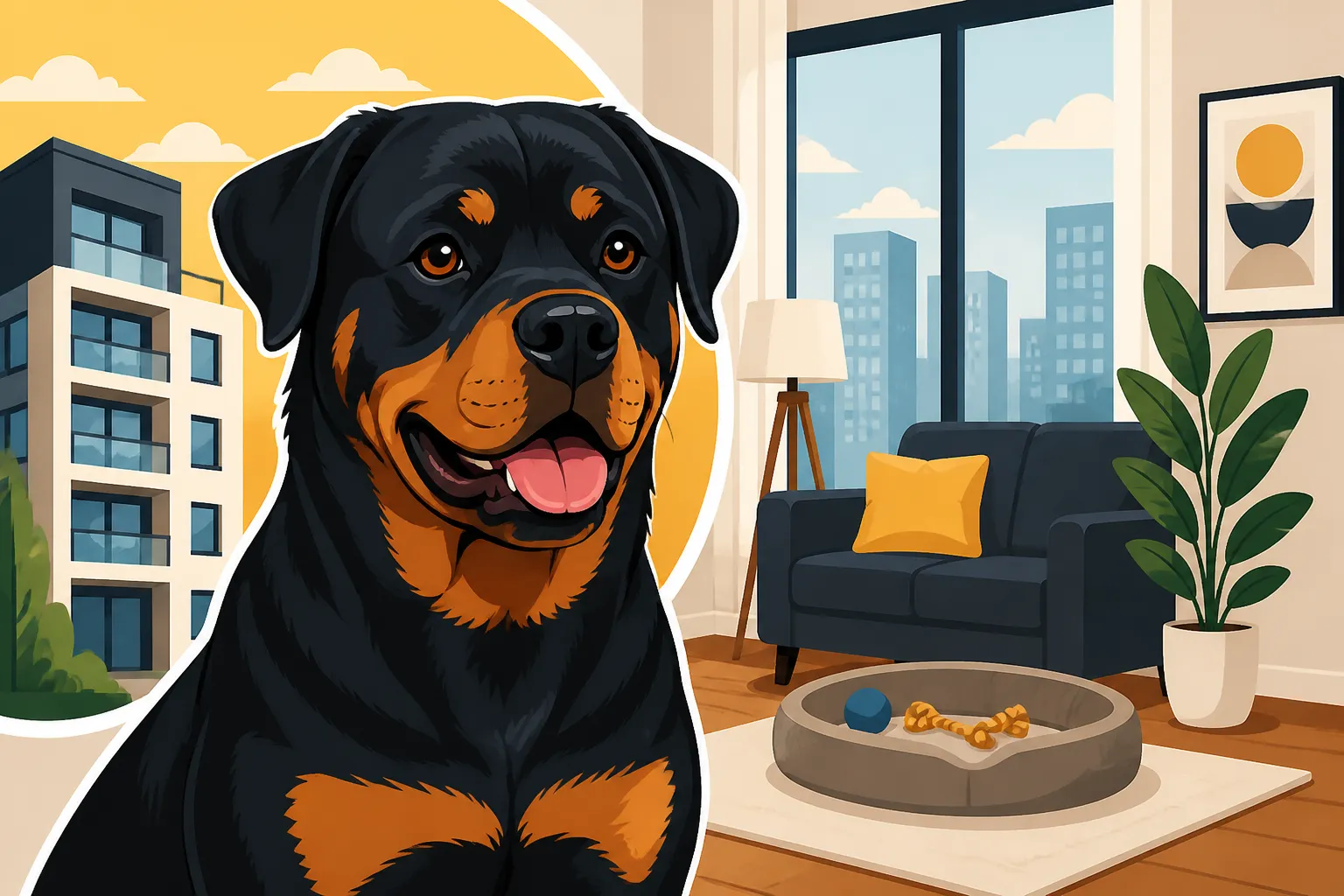
Keeping a Rottweiler in an Apartment
It’s a common misconception that owning a magnificent, powerful breed like a Rottweiler means you absolutely need a sprawling backyard and acres of land. Many folks dream of having a Rottweiler but feel instantly defeated, thinking their apartment or smaller home rules out such a loyal companion. The truth is, a Rottweiler can absolutely thrive in an apartment setting, but it requires a very specific approach, a deep understanding of the breed's needs, and an unwavering commitment from their human. This guide is here to walk you through exactly what it takes to make apartment living successful and fulfilling for both you and your Rottweiler.
Dispelling the Myth: Why a Yard Isn't Everything for a Rottweiler
Let's cut right to the chase: the idea that a large dog needs a large yard is often misleading. While a big outdoor space certainly doesn't hurt, it's rarely the primary factor in a dog's well-being, especially for a Rottweiler. What truly matters is consistent mental and physical exercise, proper training, and a strong bond with their family.
Understanding the Rottweiler Temperament Indoors
Many people picture Rottweilers as constantly on the go, needing to run and patrol endlessly. In reality, a well-exercised and well-trained Rottweiler is often a remarkably calm and composed house dog. They're typically not the kind of dog that bounces off the walls indoors or demands constant attention like some high-energy herding breeds. Once their needs for activity are met, they are often content to chew on a favorite bone, nap near their family, or simply observe the household goings-on from a comfortable spot. Their roots as Roman drover dogs meant they spent much of their time moving cattle but also had periods of rest, often staying close to their handlers. They are very much a "people dog" and prefer to be with their humans rather than banished to a yard alone. Rottweiler Aloofness and Why It Reads as Cold often confuses people; they aren't necessarily unfriendly, just discerning, and prefer to connect deeply with their chosen few.
Size Versus Energy Level
It's crucial to differentiate between a dog's size and its actual energy level. A Rottweiler is a large, powerful dog, yes, but their energy isn't boundless like, say, a Jack Russell Terrier. Their exercise needs are significant but generally more focused and structured. They require good, solid walks, mental challenges, and consistent training rather than hours of unsupervised outdoor romping. A large yard, without active human engagement, often becomes nothing more than an extended potty area, offering little in the way of true stimulation. In fact, a bored Rottweiler left alone in a yard can develop all sorts of undesirable behaviors, from digging to barking, precisely because their mental and physical needs aren't being met.
Meeting a Rottweiler's Needs in a Compact Space
Successfully keeping a Rottweiler in an apartment hinges entirely on your commitment to their daily routine and enrichment. You might not have a private park, but you can certainly provide everything they need.
The Power of Structured Exercise
This is non-negotiable. Your Rottweiler needs dedicated, daily exercise outside the apartment. This isn't just about letting them out to potty; it's about physical exertion and mental engagement.
- Multiple Daily Walks: Aim for at least two to three substantial walks every day. For an adult Rottweiler, "substantial" means at least 30-45 minutes each, incorporating brisk walking, sniffing opportunities, and maybe some obedience work on the leash. These walks are your primary tool for burning off physical energy. Vary your routes to keep things interesting and provide new scents and sights. Rottweiler Leash Manners at a Hundred Pounds is essential training that starts early, as you absolutely cannot have a hundred-pound dog pulling you down the street.
- Play Sessions: Incorporate active play sessions, either at a dog park (if appropriate and safe for your dog, with careful supervision) or in a secure, large open space. Fetch, flirt poles, or even just a good game of "find it" with treats can be great ways to expend energy. Remember, until their Rottweiler Growth Plates Closing at Eighteen to Twenty-Four Months have fused, high-impact activities like jumping or prolonged running on hard surfaces should be minimized to protect their developing joints.
- Beyond the Walk: Consider dog sports like obedience, rally, or even urban agility (once fully grown). These activities provide both physical and mental challenges. If you have a local dog-friendly hiking trail, that can be a fantastic way to bond and exercise.
Essential Mental Stimulation
Physical exercise alone won't create a calm apartment Rottweiler. These are intelligent dogs that need to use their brains.
- Consistent Training: Daily training sessions, even short ones of 5-10 minutes, can be incredibly enriching. Work on basic obedience, advanced cues, or fun tricks. This strengthens your bond and gives your Rottweiler a job to do. Puzzle toys and slow feeders are fantastic for mental engagement, turning mealtime into a brain game. Chewy offers a wide selection of durable puzzle feeders and interactive toys designed for strong chewers, which can be invaluable for keeping a Rottweiler engaged when you can't actively play with them.
- Enrichment Toys: Provide a variety of chew toys and puzzle toys. Rotate them regularly to keep things novel and interesting. A good quality, durable chew toy can keep a Rottweiler happily occupied for a significant period. Kongs stuffed with treats and frozen are a classic for a reason – they take time and effort to empty. Rottweiler Enrichment Beyond Walks offers more ideas for keeping their minds sharp.
- Socialization (Outside the Apartment): Even if your Rottweiler is friendly with people, continued positive exposure to various sights, sounds, and controlled interactions with other dogs is vital. This helps them remain confident and well-adjusted in busy apartment environments. Puppy classes and adult obedience classes are excellent ways to continue Socializing a Rottweiler Puppy Properly throughout their lives.
Apartment Living Logistics with a Large Breed
Owning a Rottweiler in an apartment comes with its own set of practical challenges that need proactive management.
Landlord and Lease Agreements
This is often the first hurdle. Many landlords and apartment complexes have breed restrictions that specifically name Rottweilers. Do not try to sneak your dog in; it will inevitably lead to problems.
- Be Upfront and Honest: Before you even look for an apartment, understand your local Renting With a Rottweiler and the Breed Clause. When applying, be completely transparent about your dog's breed, size, and temperament. Provide references from previous landlords or your vet if possible.
- Showcase Responsible Ownership: Offer to bring your dog for a "meet and greet" with the landlord. Demonstrate your Rottweiler's excellent manners and training. Provide proof of training classes, current vaccinations, and perhaps even a Canine Good Citizen (CGC) certificate. This shows you are a responsible owner with a well-behaved dog.
- Consider Pet Deposits and Fees: Be prepared for higher pet deposits or monthly pet rent. Factor these into your budget. This is often the cost of having a breed sometimes labeled "high risk."
Noise Management and Neighbor Relations
A large dog makes noise and takes up space, and in close quarters, this can be an issue.
- Barking Control: While Rottweilers aren't typically excessive barkers, they will bark to alert or if bored or anxious. Address any excessive barking immediately through training. Rottweiler Barking and When It Means Something can help you distinguish between a casual woof and a deeper concern. If your dog barks when you leave, it could be a sign of Rottweiler Separation Anxiety in the First Month, which needs prompt attention.
- Heavy Steps: A hundred-pound dog has heavy footsteps. If you live above someone, consider rugs or runners to dampen sound, especially near doors and common pathways.
- Elevator Etiquette and Hallway Manners: Teach your Rottweiler impeccable elevator manners, like sitting patiently and waiting for people to exit. In hallways, keep them close on a short leash, always yielding to others. This shows respect for your neighbors and helps counteract negative perceptions of the breed.
Waste Management
This is a big one. You'll be picking up a lot of poop, often multiple times a day.
- Always Be Prepared: Carry plenty of sturdy waste bags. It's not just about being a good neighbor; in many municipalities, it's the law. Chewy is a great resource for bulk quantities of strong, biodegradable waste bags that can handle the volume a Rottweiler produces.
- Regular Potty Breaks: Ensure your Rottweiler gets frequent opportunities to relieve themselves, especially if they are a puppy still learning House Training a Rottweiler Through the Winter. This often means scheduling specific walks or quick trips outside.
- Odor Control: In an apartment, keeping things clean and odor-free is paramount. Regular vacuuming, cleaning up accidents immediately with enzymatic cleaners, and washing dog beds frequently will help immensely.
| Apartment Challenge for Rottweilers | Practical Solution | Important Consideration |
|---|---|---|
| Limited indoor space | Consistent outdoor exercise and mental enrichment | A bored Rottweiler will find its own (destructive) fun. |
| Breed restrictions | Proactive landlord communication, proof of training | Never hide your dog; honesty builds trust. |
| Noise (barking, heavy steps) | Training for barking, rugs for sound dampening | Neighbors' comfort is key to peaceful living. |
| Waste management | Always carry bags, frequent potty breaks, odor control | Public perception is shaped by your responsibility. |
| Lack of private yard | Scheduled walks, dog parks, structured playtime | Unsupervised yard time is not a substitute for engagement. |
Making Your Apartment a Rottweiler Haven
Even without a sprawling estate, your apartment can be a true sanctuary for your Rottweiler with some thoughtful planning.
Dedicated Space and Comfort
Every dog, especially a large one, needs their own designated spot where they can retreat and feel secure.
- Crate Training: A crate, when used properly, is not a punishment; it's a safe den. It provides a secure, private space for your Rottweiler to rest, especially when you're away or need them out from underfoot. Make sure the crate is appropriately sized for their adult stature. The Crate Size a Hundred Twenty Pound Rottweiler Needs is larger than many people imagine. It should be large enough for them to stand up, turn around, and lie down comfortably. Place it in a quiet corner of the living area or bedroom where they can still feel part of the family without being in the main traffic flow.
- High-Quality Bedding: Rottweilers are prone to Rottweiler Hip Dysplasia and the OFA Grade and elbow issues, so a supportive, orthopedic dog bed is a wise investment from day one. It helps cushion their joints and provides comfort on hard apartment floors. Chewy offers a vast array of extra-large, durable orthopedic beds that can withstand a Rottweiler's weight and provide essential support.
- Cooling Options: With their thick, black coats, Rottweilers can easily overheat, especially in warmer climates or apartments without strong AC. Provide cooling mats or ensure they have access to a tiled floor during hot weather. Keep their water bowl full and consider taking walks during cooler parts of the day. Heat Tolerance in a Black-Coated Rottweiler is a real concern.
Safety and Security Considerations
Apartment living means being extra vigilant about potential hazards.
- Supervised Access to Balconies: If you have a balcony, ensure it's completely secure. Rottweilers can be curious, and falls are a serious risk. Never leave your dog unsupervised on a balcony, especially if the railings have wide gaps or are climbable.
- Child-Proofing (and Dog-Proofing): Just like you'd child-proof, dog-proof your apartment. Put away toxic plants, secure cleaning supplies, and store food out of reach. Rottweilers are strong and determined, so what might be out of reach for a smaller dog might not be for them.
- Emergency Plan: Know your nearest 24/7 emergency vet clinic and have their number handy. Understand the typical Emergency Vet Bills a Rottweiler Owner Should Expect so you can be prepared. In a bloat emergency, for example, time is absolutely critical. Recognizing Bloat in a Rottweiler can save a life.
Ultimately, keeping a Rottweiler in an apartment isn't about the size of your living space, but the size of your commitment. With consistent exercise, mental enrichment, diligent training, and responsible management, your apartment can be a wonderful home for one of the most loyal and loving breeds out there. It takes effort, yes, but the reward of their companionship is truly priceless.
Disclaimer
This article is for general informational purposes only and does not constitute professional advice. Laws, prices and regulations vary by location and change over time. Consult a qualified professional for guidance on your specific situation.