House Training a Rottweiler Through the Winter
Bringing home a new Rottweiler puppy, or even an adult rescue, is an exciting time, but the joy can quickly turn into frustration when house training hits a snag – especially when it's cold, wet, or snowy outside. You want your dog to learn quickly, but the thought of repeatedly bundling up, dragging your reluctant pup into miserable weather, and standing around shivering while they sniff for the perfect spot can be utterly disheartening. This comprehensive guide is here to tackle the specific challenges of house training your Rottweiler through the winter months, offering practical strategies to achieve success, no matter how frightful the weather outside.
The Unique Challenges of Winter Potty Training
Winter adds a whole new layer of complexity to house training that summer simply doesn't present. It's not just about the cold; it's about motivation, comfort, and sometimes, even safety. For a large, often sensitive breed like the Rottweiler, these factors are amplified. You're dealing with a dog that might not appreciate cold paws or wet fur, and you, as the owner, might find your own patience tested by the relentless chill. Understanding these specific hurdles is the first step toward overcoming them.
The Battle Against the Elements
Imagine stepping barefoot onto icy pavement, or having to walk through a slushy puddle every few hours. That's essentially what your Rottweiler faces during winter potty breaks. Puppies especially have thinner coats and less body fat to protect them from the cold. Their paw pads are sensitive, and snow and ice can be genuinely painful, leading to a reluctance to even step outside. An adult Rottweiler with a dense double coat might tolerate cold better, but nobody enjoys being soaked to the skin in freezing rain. This discomfort can make an otherwise compliant dog refuse to settle and relieve themselves, leading to prolonged outdoor excursions that end in frustration for everyone, and often, an accident shortly after returning indoors.
Furthermore, snow can cover familiar scents, making it harder for your Rottweiler to "find" their usual potty spot. Deep snow can be an obstacle course, especially for smaller puppies, or can make even an adult Rottweiler hesitant to wade through it. Ice is a major slipping hazard, not just for you but for your powerful, heavy dog, potentially leading to injuries like strains or even Cruciate Tears in a Heavy Rottweiler. The short days also mean more potty breaks happen in the dark, adding another element of discomfort and potential danger, as you might not see ice patches or obstacles.
Owner Motivation and Consistency in Inclement Weather
Let's be honest: when it's freezing outside, the last thing you want to do is put on five layers, wrestle a leash onto a reluctant dog, and stand in the biting wind for ten minutes. It's easy for owner motivation to dip when the weather is consistently miserable. This dip in enthusiasm can unfortunately lead to shortcuts: waiting too long between breaks, not going out immediately after waking or eating, or cutting potty breaks short.
However, consistency is the absolute cornerstone of effective house training. Any lapse, even a small one, can confuse your Rottweiler and set back progress. If you're less likely to take your dog out promptly because of the weather, accidents indoors become inevitable. This creates a cycle of frustration for you and confusion for your dog, who might start to associate going outside with discomfort and your own impatience. Maintaining a positive, consistent routine, despite the weather, requires a conscious effort and some smart strategies to make those outdoor trips as tolerable as possible for both of you. Many owners find that signing up for structured online training programs, like those offered by BAXTER & Bella, can help keep them accountable and consistent, regardless of external challenges.
Setting Up Your Winter Potty Training Command Center
Successful winter house training isn't just about enduring the cold; it's about preparation. By strategically setting up your environment and equipping yourself and your Rottweiler, you can minimize discomfort, maximize efficiency, and keep your training on track even when the snow is flying. Think of it as creating a well-oiled machine for quick, effective potty breaks.
Creating a Dedicated Outdoor Potty Zone
Having a specific, easily accessible outdoor potty spot is crucial during winter. Instead of letting your Rottweiler roam the entire yard, designate a smaller area close to an exit. This area should be cleared of snow regularly to provide an obvious, clear patch of ground. A cleared path leading to this spot is also essential to prevent slips and make access easier, especially during those urgent middle-of-the-night trips.
Some owners even consider setting up a temporary covered area, like a small tent or a section under an overhang, to offer a bit of shelter from falling snow or rain. This creates a more appealing environment for your dog and encourages them to go quickly. The key is to make this spot the most convenient and comfortable option available for your Rottweiler, reinforcing the idea that this is the place to do their business. Consistency in using this one spot also helps your dog develop a strong scent memory, which can be particularly helpful when snow covers everything else.
Essential Winter Gear for Rottweiler and Owner
Proper gear for both you and your Rottweiler can make all the difference in turning a dreaded chore into a manageable routine. For your Rottweiler, especially if they are a puppy or an older dog with less tolerance for cold, paw protection is paramount. Dog booties, once your dog gets used to them, can protect against ice, snow, salt, and freezing temperatures. Alternatively, applying a paw balm before and after going out can help protect their pads. For shorter-coated or younger Rottweilers, a well-fitting dog coat can add an essential layer of warmth. Always ensure the coat is waterproof and doesn't restrict movement.
For you, the owner, dressing warmly and waterproof is non-negotiable. Think layers, a heavy-duty waterproof coat, waterproof boots with good traction, warm gloves, and a hat. Having your gear ready by the door, much like you would have your dog's leash, eliminates excuses and speeds up departure. A bright flashlight or headlamp is also vital for dark winter mornings and evenings, ensuring you can see where your Rottweiler is going and spot any potential hazards. Investing in good quality winter gear, easily found on platforms like Amazon, is a small price to pay for consistent house training success and your own comfort.
Strategic Use of Indoor Potty Solutions
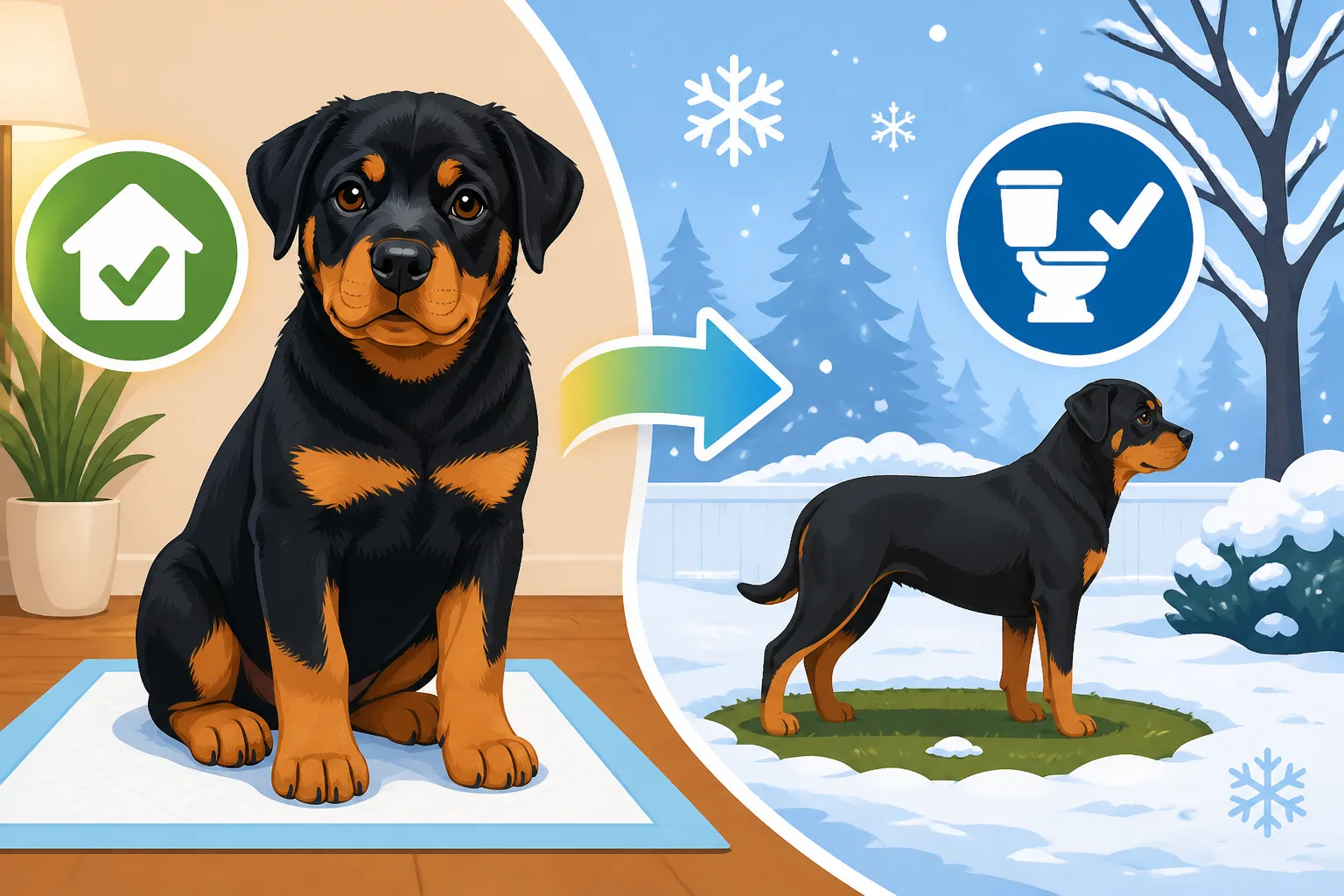
While the ultimate goal is always outdoor potty training, winter can present situations where an indoor emergency solution is a lifesaver. This is especially true for young puppies who may not yet have full bladder control and simply cannot hold it for longer periods in extreme cold, or for older, arthritic Rottweilers who struggle with ice or deep snow. Options include large puppy pads or even an indoor litter box designed for dogs.
However, it's crucial to use these strategically to avoid confusing your Rottweiler about where they are supposed to go. They should be seen as a temporary bridge, not a permanent solution. Place them in a designated area away from living and eating spaces, and only use them when absolutely necessary – for instance, during a severe blizzard or if your puppy is having a particularly difficult time with the cold. The moment the weather permits, revert immediately and consistently to outdoor training. The goal is always to transition back to 100% outdoor elimination as quickly as possible. When choosing indoor potty solutions, look for absorbent, large-sized pads or a sturdy litter box that can accommodate your growing Rottweiler Puppy Training Through the First Year.
Mastering the Outdoor Potty Break in Inclement Weather
Getting your Rottweiler to actually go outside when it's unpleasant means mastering the art of the efficient, positive, and predictable potty break. This isn't the time for leisurely sniffing or play; it's a mission with a clear objective. The faster and more positively you can complete the task, the more successful you'll be in keeping your Rottweiler's house training on track.
Establishing a Predictable Potty Schedule
Consistency in schedule is perhaps the single most important factor in house training, and it becomes even more critical in winter. Your Rottweiler thrives on routine. Set up a firm schedule for potty breaks: first thing in the morning, after every meal, after naps, after playtime, and just before bed. For puppies, you might need to go out every hour or two. Even if your dog doesn't seem to have to go, take them out on schedule.
In winter, it's tempting to extend the time between breaks to avoid the cold, but this is a recipe for accidents. Stick to your schedule rigidly. If anything, you might need to increase frequency for a young puppy who uses more energy trying to stay warm or navigate the snow. A predictable schedule helps your Rottweiler learn to anticipate when and where they need to relieve themselves, reducing anxiety and increasing the likelihood of success. This consistency builds good habits, helping your Rottweiler understand that outside is the designated place, regardless of the thermometer reading. You can find more detail on this in House Training a Rottweiler Puppy by Week.
Making Outdoor Trips Quick and Rewarding
When the weather is bad, efficiency is key. Make potty trips strictly business. As soon as you step outside, lead your Rottweiler directly to their designated potty spot. Use a consistent phrase like "Go potty!" or "Do your business!" to associate the phrase with the act. Avoid playing or long walks until after they've done their business. The moment your Rottweiler eliminates, praise them enthusiastically with a happy tone and offer a high-value, easy-to-eat treat. Think small, soft, and incredibly tasty — something they only get for successful outdoor potties. This immediate reward reinforces the desired behavior.
Once they've done their business and received their reward, you can quickly head back inside to warmth. If they don't go within a few minutes, bring them back inside, confine them (crate them or keep them on leash right next to you), and try again in 10-15 minutes. Do not allow free roam in the house after an unsuccessful potty trip; this is when accidents happen. The goal is for your Rottweiler to learn that going potty outside quickly leads to warmth and rewards, making it a positive experience despite the cold.
Reading Your Rottweiler's Potty Cues
Even the most consistent schedule needs to be flexible enough to respond to your Rottweiler's individual needs. Learning to recognize your dog's subtle (and not-so-subtle) potty cues is essential. Common signs include sniffing around intently, circling, whining, pacing by the door, or suddenly interrupting play. For Rottweilers, their size means they can sometimes appear quite subtle before a sudden, urgent need to go. If you see any of these signs, immediately grab your gear and take your Rottweiler out, even if it's not on the regular schedule.
Sometimes, especially with puppies, they might give almost no warning at all until they are actively squatting. This is why vigilance and strict adherence to the schedule are so important. The more you watch your Rottweiler, the better you'll become at anticipating their needs. Keep a mental or even written log of when they typically go, and adjust your schedule accordingly. Understanding these cues is paramount, particularly when outdoor conditions might make your Rottweiler hesitant to signal their need more overtly.
Troubleshooting Common Winter House Training Setbacks
Despite your best efforts, house training can hit bumps in the road, especially in winter. Accidents happen, and sometimes your Rottweiler might seem to regress or stubbornly refuse to cooperate with the cold weather. It's frustrating, but it's important to remember that these are often temporary setbacks, not failures. Approaching them with patience and a clear strategy is crucial.
Handling Indoor Accidents and Cleaning Effectively
An indoor accident can feel like a huge step backward, especially when you thought you were making progress. The most important rule is: never punish your Rottweiler for an indoor accident, especially if you didn't catch them in the act. If you find a mess, simply clean it up thoroughly. Punishment after the fact only teaches your dog to fear you or to hide their accidents, making house training even harder. If you catch them in the act, interrupt them with a sharp clap or "No!", immediately scoop them up (if a puppy) or quickly leash them, and rush them outside to their designated potty spot to finish. If they finish outside, praise and reward them lavishly.
Thorough cleaning is critical. Dogs are drawn to repeat urination in spots where they can still smell previous accidents. Regular household cleaners might mask the odor for humans, but a dog's keen nose will still detect it. Invest in a high-quality enzymatic cleaner, readily available from retailers like Amazon, specifically designed to break down and neutralize pet urine odors. Follow the product instructions carefully, often involving soaking the spot and allowing it to air dry. Ventilate the area well, especially in winter when windows might be closed. Failure to fully eliminate the odor can lead to repeat "mistakes" in the same spot.
When Your Rottweiler Refuses to Potty Outside
This is a classic winter dilemma: you take your Rottweiler out, they shiver, look miserable, stand there for five minutes, and then refuse to go, only to come inside and have an accident a few minutes later. This usually stems from discomfort or a lack of strong positive association with the outdoor potty spot.
First, double-check their winter gear. Are their paws protected? Is their coat warm enough? Perhaps the spot itself is too exposed to the wind. Make the outdoor experience as comfortable as possible. Next, revisit the "quick and rewarding" strategy. Is your praise enthusiastic enough? Are your treats high-value enough? Maybe they need a few extra high-value treats just for going out and being present in the spot, even before they eliminate.
If they refuse to go, bring them inside, but don't give them free rein. Confine them in their crate (ensure it's the correct size, as detailed in The Crate Size a Hundred Twenty Pound Rottweiler Needs) or keep them tethered to you for 10-15 minutes, then try again. Repeat this cycle until they succeed. This teaches them that coming inside doesn't mean playtime, but rather a temporary holding pattern until the outdoor mission is complete. Persistence and patience are key here.
Dealing with Potty Regression After a Good Start
It's disheartening when your previously reliably house-trained Rottweiler suddenly starts having accidents again. Regression can happen for several reasons. For puppies, it might be a phase of "adolescence" where they test boundaries or their bladder control isn't quite mature yet. For adult dogs, it could indicate an underlying health issue (like a urinary tract infection), increased stress, or a change in routine.
If regression occurs, the first step is always a vet visit to rule out any medical causes, especially for an adult dog. Once health issues are excluded, treat your Rottweiler as if they are a brand new puppy again. Go back to basics: stringent schedule, immediate outdoor trips, high-value rewards, and strict supervision indoors, including crating when you can't actively supervise. Limit their access to the house by keeping them on a leash with you or in a contained area.
Remember that house training, especially for a large breed that develops slowly like the Rottweiler (who continues growing until nearly two years old, as mentioned in Rottweiler Growth Plates Closing at Eighteen to Twenty-Four Months), is a journey. Setbacks are part of the process. Stay calm, be consistent, and don't get discouraged. Often, a brief return to a more intensive training schedule will resolve the regression.
Maintaining Consistency and Patience for Winter Success
House training a Rottweiler, particularly through the colder months, demands a marathon mindset, not a sprint. There will be frustrating days, but sustained effort and a positive attitude will ultimately lead to a reliably house-trained companion. Your Rottweiler looks to you for guidance, and your calm, consistent leadership is their best chance at understanding expectations.
The Importance of a Calm and Consistent Approach
A Rottweiler is a powerful, intelligent breed that thrives on clear communication and consistent boundaries. If your approach to house training varies daily—sometimes you're patient, sometimes you're frustrated; sometimes you take them out immediately, sometimes you wait—your dog will become confused. This confusion often manifests as accidents or a reluctance to perform the desired behavior.
Maintain a calm demeanor, even when an accident occurs. Your Rottweiler picks up on your emotions, and anger or stress can make them anxious and less likely to cooperate. Every interaction should reinforce the routine: take them to the spot, give the cue, reward success, and clean up silently if they fail. This unwavering consistency, day in and day out, teaches your Rottweiler what is expected of them, regardless of the challenging weather. Remember, they are eager to please you, but they need crystal clear instructions to do so. This approach is fundamental to all aspects of Training a Rottweiler Before It Outweighs You.
Celebrating Small Wins and Staying Positive
It's easy to focus on the accidents, but don't let them overshadow the successes. Every time your Rottweiler potties outside, especially in the cold, it's a win! Celebrate those moments with enthusiastic praise, petting, and those high-value treats. Let them know they did something truly fantastic. These positive reinforcement moments build confidence in your dog and strengthen their association between going outside and good things happening.
Beyond the potty breaks themselves, recognize your own efforts. It takes dedication to maintain a rigorous schedule in winter. Acknowledge your patience and consistency. Staying positive, even when things are tough, creates a better learning environment for your Rottweiler and makes the entire process more enjoyable for both of you. You're building a bond and teaching a vital life skill, and that's worth celebrating.
Knowing When to Call in Professional Support
Sometimes, despite your best efforts, house training can feel insurmountable. If you're struggling with persistent accidents, severe regression, or if your Rottweiler is showing extreme reluctance or fear about going outside in winter, it might be time to seek professional help. A certified professional dog trainer or a veterinary behaviorist can observe your routine, identify specific challenges, and offer tailored strategies.
They can help you troubleshoot issues you might be missing, suggest different techniques, or rule out behavioral issues that are more complex than simple house training. Online resources, such as the comprehensive guides and coaching offered by BAXTER & Bella, can also provide structured programs and direct support for those moments when you feel stuck. Don't view seeking help as a failure; it's a responsible step toward ensuring your Rottweiler gets the best possible training and you both can enjoy a harmonious life together, no matter the season.
The table below offers a quick comparison of general house training approaches in different seasons, highlighting the specific adaptations needed for winter.
| Task/Item | Summer Approach | Winter Approach | Key Adaptation for Winter |
|---|---|---|---|
| Potty Breaks | Frequent, leisurely, combine with outdoor play | Frequent, quick, highly focused, direct | Efficiency & quick return to warmth |
| Outdoor Attire (Dog) | Bare fur, perhaps light harness | Paw balm, booties, warm coat for young/old pups | Protect from cold, snow, and ice |
| Outdoor Attire (Owner) | Light clothes, casual shoes | Warm coat, waterproof boots, gloves | Personal comfort & protection from elements |
| Designated Spot | Open yard, grass, natural cover | Shoveled path, protected area, easy access | Clear, safe, and convenient location |
| Motivation | Natural desire to be outside, general curiosity | High-value treats, enthusiastic praise, quick return | Maximize positive reinforcement for desired action |
| Accident Cleanup | Standard cleaner, open windows for ventilation | Fast-drying enzymatic cleaner, good ventilation | Thorough odor elimination, manage indoor air quality |
| Duration of Breaks | Can be extended for sniffing or exploration | Short, purposeful, just long enough to eliminate | Minimize exposure to cold |
| Monitoring | Easier to observe outdoor cues from a distance | Requires closer supervision, especially in darkness | Use flashlight, stay close to monitor for signs |
Disclaimer
This article is for general informational purposes only and does not constitute professional advice. Laws, prices and regulations vary by location and change over time. Consult a qualified professional for guidance on your specific situation.