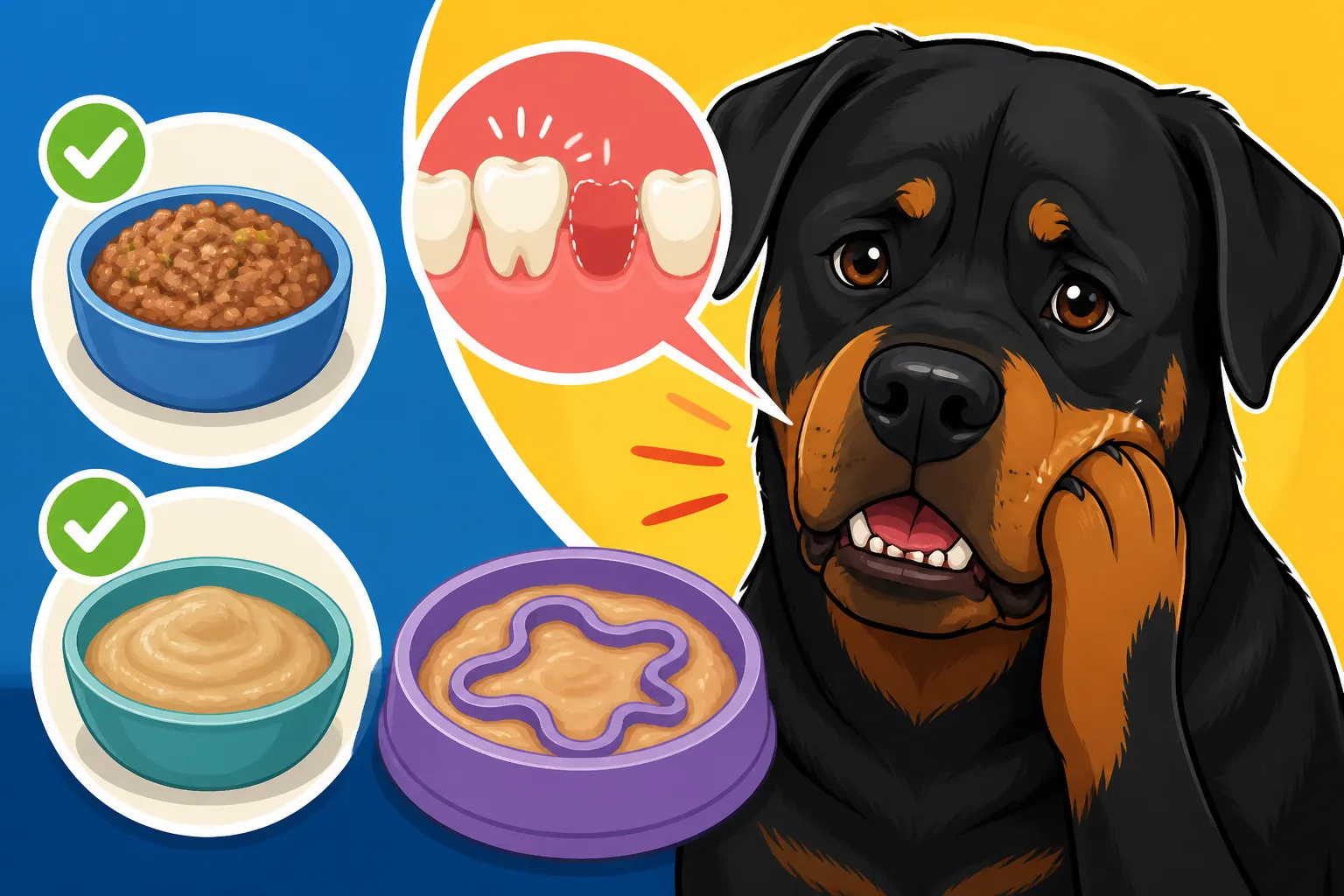
Feeding a Rottweiler That Has Lost Molars
It's truly heartbreaking and often quite alarming when our big, strong Rottweilers start facing dental issues, especially when those crucial molars, designed for crunching kibble and bones, begin to disappear. Suddenly, mealtime, which used to be a joyful event, becomes a source of stress and worry as you see your beloved dog struggling to eat, sometimes even turning away from their food. This guide is here to walk you through exactly how to adapt your Rottweiler's diet and care to ensure they stay well-nourished and comfortable, even without a full set of teeth.
Why Rottweilers Lose Molars in the First Place
Molars are the powerhouses of your Rottweiler's mouth, vital for grinding down food. When they start to go missing, it’s not just a sign of aging; it often points to deeper issues that have been brewing for a while. Understanding the root cause can help you prevent further problems and manage the current situation more effectively.
The Reality of Advanced Dental Disease
For many Rottweilers, molar loss is a direct consequence of long-term dental neglect or simply a genetic predisposition to poor dental health. It's not always visible until it's quite advanced. Plaque, that sticky film on teeth, hardens into tartar over time. This tartar then creeps under the gum line, causing gingivitis (inflammation of the gums) and eventually periodontitis, which is the destruction of the tissues supporting the teeth.
Think of it like this: that dark buildup you see on your dog's back teeth isn't just cosmetic. It's a bacterial playground, actively eating away at the bone and ligaments holding those molars in place. Our Rottweilers are known for their strong jaws and hearty chewing, but even they are susceptible to this silent progression. By the time a molar is loose enough to fall out or needs extraction, the surrounding bone can be significantly compromised. This is a common story, and it highlights why attention to Rottweiler Dental Disease and Cracked Teeth throughout their lives is so important. Many owners don't realize the extent of the problem until their dog is already showing signs of pain or difficulty eating.
Accidents and Other Causes of Molar Loss
While dental disease is the leading culprit, it's not the only reason a Rottweiler might lose molars. Fractured teeth are surprisingly common, especially in a breed with such powerful jaws and a love for chewing hard objects. A bone that's too hard, a rock, or even a robust chew toy can lead to a slab fracture on a molar, exposing the sensitive pulp and eventually leading to infection and loss if not treated. Imagine the pain of a cracked tooth when you bite down; your Rottweiler feels it too, but they're often stoic.
Other traumas, like being hit by a car, a rough collision during play, or even a serious fall, can sometimes dislodge or damage teeth beyond repair. Less commonly, certain autoimmune diseases or even some forms of oral cancer can lead to tooth instability and loss. While these cases are rarer, they underscore the importance of a thorough veterinary examination if you notice any sudden changes in your Rottweiler's mouth or eating habits.
Adjusting Diet for a Toothless Rottweiler
Once those molars are gone, the way your Rottweiler eats fundamentally changes. They can no longer effectively grind kibble, making it difficult, painful, or even impossible to get the nutrition they need. The good news is, there are many ways to adapt their diet to keep them healthy and happy.
Softening the Standard Kibble
You don't necessarily have to overhaul their entire diet overnight. For many Rottweilers, simply softening their existing dry kibble can make a world of difference. The goal is to make it easy to swallow with minimal chewing, as they'll primarily be using their front teeth or just gulping.
A common method is to soak their kibble in warm water, low-sodium chicken broth, or even a bone broth for about 15-20 minutes before mealtime. You want it to be mushy, not just damp. For a truly molars-free mouth, you might even need to mash it into a paste with a fork or a potato masher. Some owners find using a blender to create a slurry works best, especially if their Rottweiler is struggling with even soft chunks. This method is often the easiest transition for dogs already accustomed to dry food, and you can still find many high-quality kibble options at retailers like Chewy that are formulated for large breeds and can be easily softened. Remember that consistency is key; if it's too thick, it might still be hard to manage, and if it's too thin, they might not feel satisfied.
Exploring Wet and Fresh Food Options
If softened kibble isn't cutting it, or if your Rottweiler simply finds it unappetizing, it's time to consider wet or fresh food options. Canned dog food is an obvious choice, offering a much softer consistency from the get-go. Look for pâté-style foods rather than chunky stews, as the latter might still contain pieces too large for comfortable eating.
Another increasingly popular option is fresh-prepared dog food. Brands like Ollie offer human-grade ingredients gently cooked and typically come in a texture that's easy to chew or can be easily mashed. While the cost structure for fresh food can be different from traditional kibble, many owners find the palatability and ease of consumption make it worth it for a dog with dental issues. You can even consider making your own fresh food at home, but be incredibly careful to ensure it's nutritionally balanced. It's very easy to miss essential vitamins and minerals, especially for a large breed like a Rottweiler, and home cooking often leads to imbalances, particularly with critical nutrients like calcium. Always consult with a veterinary nutritionist before committing to a long-term homemade diet to ensure your Feeding a Rottweiler on Cancer Treatment or just senior dog is getting everything they need.
Managing Eating Habits and Bowl Placement
A Rottweiler missing molars might eat differently. They might scoop food with their tongue, use their incisors more, or try to swallow whole pieces, which can lead to gulping and potential digestive upset. Pay attention to how they approach their food. Some dogs might prefer a wider, shallower bowl that makes it easier to get at the food without struggling to pick up pieces.
For Rottweilers, especially older ones, raised bowls can be incredibly beneficial. Bending down to eat from a floor-level bowl can put strain on their neck and joints, which is particularly relevant if they are dealing with conditions like Managing Arthritis in an Older Rottweiler or Rottweiler Hip Dysplasia Symptoms Before Age Two. Elevated bowls allow them to eat in a more natural, upright posture, which can be much more comfortable and even aid digestion. You can find a variety of elevated bowl stands on platforms like Amazon, many designed to be sturdy enough for a large breed. Always ensure the height is appropriate for your individual dog, allowing them to eat without craning their neck upwards or downwards excessively.
| Food Type | Preparation for Molar Loss | Pros | Cons |
|---|---|---|---|
| Dry Kibble | Soak in warm water/broth, mash or blend | Cost-effective, familiar flavor | Can be less appealing, requires prep |
| Canned Wet Food | Choose pâté style, mash if chunky | Soft, highly palatable, easy to eat | More expensive, can be less calorie-dense |
| Fresh-Prepared Food | Usually soft, can be mashed further | Human-grade ingredients, highly palatable | Highest cost, may require refrigeration |
| Homemade Purees | Blend cooked meats, veggies, grains | Full control over ingredients, fresh | Nutritional balancing is complex, time-consuming |
Nutritional Considerations and Monitoring
It's not enough to just make the food soft; you also need to ensure your Rottweiler is getting proper nutrition. Losing molars can often coincide with other age-related changes, like a slower metabolism or reduced appetite, so a holistic approach is crucial.
Ensuring Adequate Calorie Intake
One of the biggest concerns with a Rottweiler who has lost molars is maintaining a healthy weight. If eating becomes difficult or painful, they might not consume enough calories, leading to unwanted weight loss. This is especially critical for a large breed, where a healthy weight directly impacts joint health and overall vitality.
Monitor your Rottweiler's body condition regularly. You should be able to feel their ribs easily without seeing them protruding, and they should have a discernible waist when viewed from above. If they are losing weight, you might need to increase the caloric density of their food or offer more frequent, smaller meals. Sometimes, adding a highly palatable, calorie-dense supplement, like a high-fat broth or a veterinary-prescribed nutritional paste, can help. Remember, a Senior Rottweiler Mobility Decline or general lethargy can also be a sign of under-nutrition. Don't assume a slower older dog needs less food; they might just need food that's easier to eat. Pay attention to their Daily Calories for a Hundred Twenty Pound Rottweiler and adjust as needed, possibly leaning towards the higher end of the range for active seniors or those who struggle to maintain weight.
Supplementation and Vet Check-ups
As your Rottweiler ages and faces challenges like molar loss, their nutritional needs can shift. Discuss with your vet whether any supplements might be beneficial. For older dogs, especially those prone to joint issues, joint supplements started early in a Rottweiler are often continued or intensified. Omega-3 fatty acids, for instance, can help with inflammation and skin health.
Regular veterinary check-ups are more important than ever. Your vet can assess your dog's overall health, check for underlying issues that might be contributing to appetite loss or weight changes, and provide specific dietary recommendations tailored to your dog's individual needs. They might recommend specific Senior Formulas Sized for a Rottweiler or prescription diets designed for easy digestion and high nutritional content. Bloodwork is also a good idea during these visits to catch any metabolic changes that might affect appetite or nutrient absorption. Staying on top of Vet Visit Frequency for a Senior Rottweiler is truly vital.
Safe Chewing Alternatives
Even without molars, many Rottweilers still have an innate desire to chew. Chewing is a natural stress reliever and can keep their minds engaged. However, hard chews are absolutely out of the question to protect any remaining teeth and avoid injury to their gums.
Look for very soft, digestible chews. Things like soft dental chews designed for puppies or senior dogs, frozen pureed fruit or vegetable pops (ensure they contain no toxic ingredients like xylitol or grapes), or even a soft, pliable rubber toy that can be gently gnawed on can provide satisfaction without risk. Some owners find success with LickiMats spread with soft, spreadable treats like peanut butter (xylitol-free!), yogurt, or pureed pumpkin. These can satisfy the licking and gnawing instinct without requiring any hard chewing. Always supervise your Rottweiler with any chew, especially new ones, to ensure it's truly safe and doesn't pose a choking hazard. Remember, we want to avoid any further Cracked Teeth in a Rottweiler That Chews Hard.
Practical Tips for a Smooth Transition
Changing your Rottweiler's diet can sometimes be met with resistance, but with a little patience and strategy, you can make the transition as smooth as possible for both of you.
Gradual Food Changes
Never switch your Rottweiler's food abruptly, even if you're just changing consistency. A sudden change can upset their digestive system, leading to diarrhea or vomiting, which is the last thing you want when they're already struggling to eat.
Start by mixing a small amount of the new, softened food with their old food, gradually increasing the proportion of the new food over a period of 7-10 days. For example, you might start with 25% new food and 75% old food for a few days, then move to 50/50, then 75/25, until they are fully on the new diet. Watch for any signs of digestive upset during this transition. If you notice problems, slow down the process even further. Patience is your best friend here.
Creative Presentation
Sometimes, it's not just the taste or texture, but the presentation that can make a difference. If your Rottweiler is reluctant to eat, try warming the food slightly to enhance its aroma. A little warmth can make even a familiar food seem more appealing. Adding a tiny sprinkle of something they absolutely adore – a bit of grated cheese, a spoonful of plain yogurt, or a dash of salmon oil – can sometimes entice them to eat. Be mindful not to add anything that could be harmful or too rich, and remember the list of What a Rottweiler Should Never Be Fed.
You might also try different bowls or feeding locations. Some dogs prefer to eat alone in a quiet space, especially if eating has become a challenge. Others might enjoy having their meal presented to them by hand, receiving encouragement. If your dog is dealing with Appetite Loss in an Old Rottweiler, making mealtime a positive, low-stress experience is paramount.
Monitoring Weight and Overall Health
Beyond just food intake, you need to keep a close eye on your Rottweiler's overall health once they've lost molars and you've adjusted their diet. Continue to weigh them regularly – once a week or every two weeks is a good habit. Any significant weight loss should be reported to your vet immediately.
Also, observe their energy levels, coat condition, and stool quality. A dull coat, lethargy, or changes in stool can all indicate nutritional deficiencies or underlying health issues. Watch for signs of discomfort or pain during eating, such as pawing at their mouth, dropping food, or reluctance to approach the bowl. These could mean a new dental problem has emerged or that the current diet still isn't comfortable enough. Maintaining open communication with your veterinarian and being vigilant about changes in your Rottweiler's behavior will ensure they continue to thrive despite their dental challenges.
Disclaimer
This article is for general informational purposes only and does not constitute professional advice. Laws, prices and regulations vary by location and change over time. Consult a qualified professional for guidance on your specific situation.