Rottweiler Paw Pad Care on Rough Ground
One of the most common worries for Rottweiler owners is seeing their powerful companion suddenly favor a paw, limp, or start licking incessantly after a walk. Our big, sturdy dogs are built for work, but their paw pads, despite appearing tough, are actually quite vulnerable to the harsh realities of rough ground. This guide is here to walk you through everything you need to know about protecting your Rottweiler's paw pads, recognizing injuries, and providing the best care to keep them comfortable and adventuring by your side.
Understanding the Anatomy of Your Rottweiler's Paw Pads
It’s easy to look at a Rottweiler’s paw and assume those thick, leathery pads are invincible. After all, they’re designed to carry a substantial amount of weight over varied terrain. But a closer look reveals a complex and surprisingly delicate structure that requires our attention, especially when we’re asking them to navigate hot asphalt, jagged gravel, or icy pathways. These aren’t just tough skin; they’re vital shock absorbers and sensory organs.
The Layers of Protection and Sensation
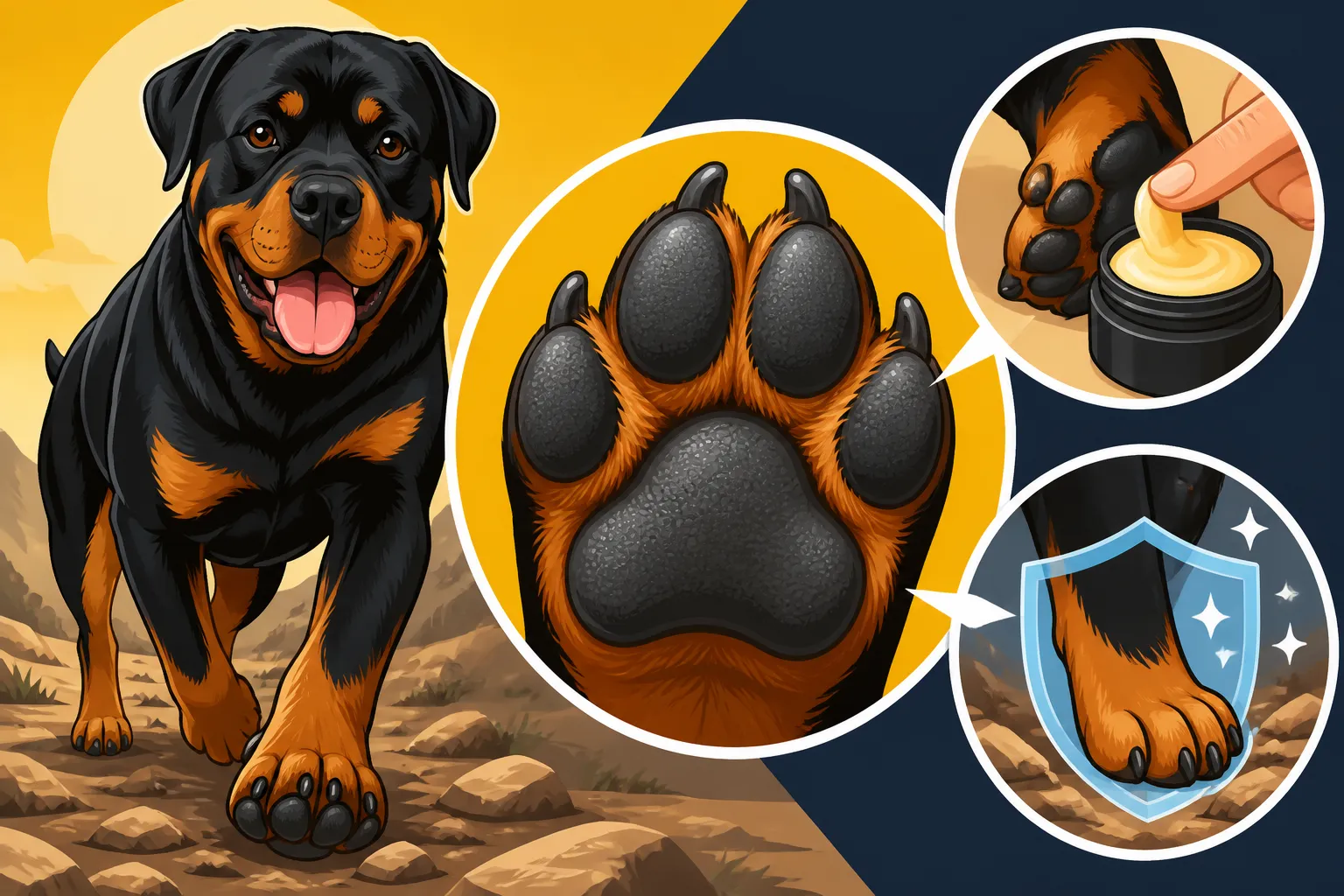
A Rottweiler’s paw pads are made up of several layers of specialized skin, fatty tissue, and connective tissue. The outer layer, the epidermis, is incredibly thick and keratinized, meaning it contains a lot of keratin, the same protein found in our fingernails and hair. This is what gives the pads their tough, rubbery feel. Beneath this, there are layers of fat and elastic fibers that act like natural cushioning, absorbing the impact of every stride your big dog takes. Imagine walking barefoot over concrete all day; that's essentially what your Rottweiler's pads do, day in and day out. This natural padding protects their bones and joints from jarring forces, especially crucial for a heavy breed prone to joint issues. Rottweiler Hips and Elbows and the 24-Month Rule is a great resource if you're concerned about your Rottweiler's joint health.
Beyond protection, paw pads are also packed with nerve endings. This means they are highly sensitive, capable of detecting changes in temperature, pressure, and texture. While this allows your Rottweiler to navigate their environment with remarkable agility and awareness, it also makes them susceptible to pain from injuries, burns, or extreme cold. That quick flinch when they step on a tiny, sharp pebble? That’s their paw pads doing their job, telling them to be careful.
Why Paw Pads are So Important for Overall Mobility
Think of your Rottweiler's paw pads as their primary interface with the world. They provide traction, stability, and sensory feedback crucial for balance and movement. Healthy, supple paw pads are essential for everything from a casual stroll around the block to a vigorous romp in the dog park. If the pads are compromised—cracked, cut, or burned—it severely impacts their ability to walk comfortably, run, or even stand without pain.
A Rottweiler already carries a significant amount of body weight, and any discomfort in their paws can quickly lead to compensatory lameness, shifting weight to other limbs, which can then strain other joints. This is particularly concerning for a breed that can be predisposed to conditions like hip or elbow dysplasia. If you have a Senior Rottweiler Mobility Decline, healthy paw pads are even more critical for maintaining their quality of life. Even seemingly minor paw issues can cascade into larger mobility problems, making it tough for them to engage in daily activities.
Identifying Common Paw Pad Issues from Rough Ground
As much as we try to keep our Rottweilers safe, adventures on rough ground are inevitable. From the rocky trail at the local park to the hot pavement on a summer day, their paws are constantly exposed to potential hazards. Recognizing the signs of injury early is key to preventing more serious complications and getting your dog back on their feet comfortably.
Cuts, Abrasions, and Punctures
These are probably the most common injuries you'll encounter. A sharp rock, a piece of broken glass, a thorny plant, or even just persistent friction from coarse gravel can lead to nicks, cuts, or abrasions. Punctures can be tricky because the entry wound might look small, but the object could have gone deep, carrying bacteria with it.
- How to spot them: Your Rottweiler might suddenly limp, lift their paw, or start licking and chewing at their foot. Upon inspection, you might see a visible cut, a red, raw patch of skin, or a small hole. Sometimes, there might be blood, either fresh and visible, or dried onto their fur.
- Real-world scenario: You're out on a hike, and your Rottweiler, usually bounding ahead, suddenly slows down, picks up a paw, and gives a little whine. You stop, check their paw, and find a small, jagged cut right in the middle of a pad, likely from a sharp stone on the trail. This needs immediate attention to prevent infection.
Blisters and Burns from Extreme Temperatures
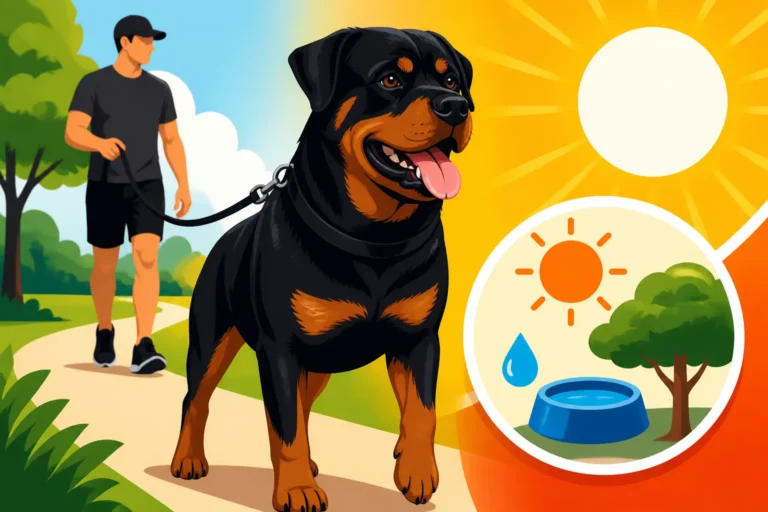
Hot pavement is a silent killer for paw pads. If the ground is too hot for your bare hand, it's too hot for your Rottweiler's paws. Similarly, prolonged exposure to freezing surfaces or harsh de-icing chemicals can cause frostbite or chemical burns. These aren't just uncomfortable; they can cause serious tissue damage.
- How to spot them: Blisters might appear as raised, fluid-filled pockets on the pads. Burns often look red, swollen, and can even have an unpleasant odor or appear blackened in severe cases. Your Rottweiler will likely be very reluctant to walk, may whimper, or hop from foot to foot. They might also chew obsessively at their paws.
- Real-world scenario: It's a sunny summer afternoon, and you took your Rottweiler for a quick walk down the street to the mailbox. The asphalt felt warm to your hand, but you didn't think much of it. Later that evening, your dog is refusing to get up, and when you gently lift a paw, the pads are visibly red, tender, and feel unusually warm, with a couple of small, fluid-filled bumps starting to form. Those are likely burns. Rottweiler Heat Exhaustion Warning Signs delves into other heat-related issues to watch for.
Cracked and Dry Pads
While less dramatic than cuts or burns, chronically dry and cracked paw pads can be just as painful and lead to deeper issues. Dryness can result from walking on abrasive surfaces frequently, exposure to harsh weather, or simply lack of moisture. These cracks can deepen, exposing sensitive tissue and making them prone to infection.
- How to spot them: The pads will feel rough and look dull, rather than supple. You might see small fissures or deep cracks, especially around the edges of the pads. Your dog might lick their paws excessively, and the cracks can sometimes bleed, especially after a walk.
- Real-world scenario: Your Rottweiler loves to patrol the fence line, which is mostly rough, dry dirt and some sparse, stubbly weeds. Over time, you notice his pads are looking increasingly dull and developing small, hard cracks. He starts to spend more time licking his feet after coming inside, and you worry about those cracks becoming deeper and painful. This is where consistent moisturizing care comes in.
Preventive Care and Protection for Robust Paws
The best offense is a good defense when it comes to your Rottweiler’s paw health. A proactive approach to care can save you and your dog a lot of pain, worry, and vet bills down the line. Given their size and active nature, a little extra effort here goes a long way.
Routine Paw Inspections and Cleaning
Make checking your Rottweiler's paws a regular habit, ideally after every significant outing, or at least once a day. This simple routine allows you to catch minor issues before they escalate.
- What to look for: Spread their toes gently and look for foreign objects like small stones, burrs, or bits of glass stuck between the pads or in the fur. Check for redness, swelling, cuts, cracks, or any tenderness. Pay attention to the nails, too; overgrown nails can splay the toes and put undue pressure on the pads. Rottweiler Dental Disease and Cracked Teeth also highlights the importance of routine checks, even for seemingly unrelated areas.
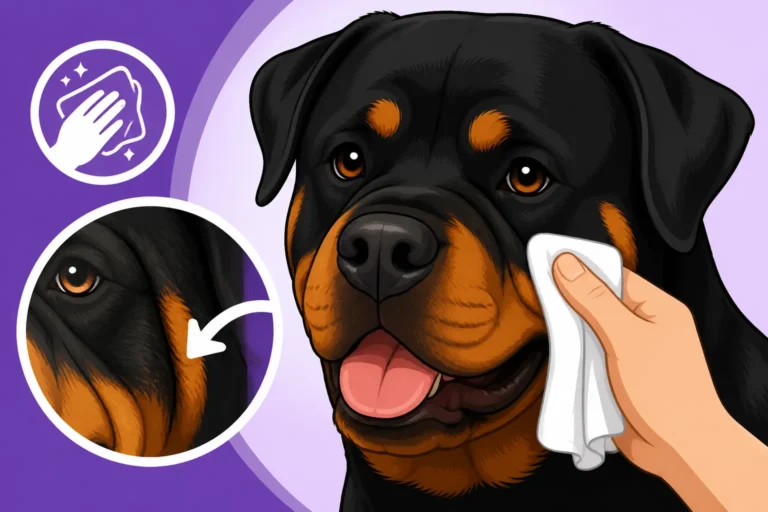
- Cleaning: Use a soft, damp cloth to wipe down their paws, especially after walks on dirty or potentially chemically treated surfaces. This removes irritants and allows you to feel for any abnormalities. If they've been through mud, a quick rinse with lukewarm water is ideal. Regular grooming is part of this, keeping the hair between their pads trimmed. Too much hair here can trap debris and moisture, leading to skin irritation or infections.
Moisturizing and Conditioning the Pads
Just like our hands and feet, paw pads can get dry and cracked. Keeping them moisturized and supple is crucial, especially if your Rottweiler spends a lot of time on rough or abrasive surfaces.
- Paw balms and waxes: There are many excellent paw balms and waxes designed specifically for dogs. These products create a protective barrier and help to hydrate the skin. Look for natural ingredients like beeswax, shea butter, or coconut oil.
- Application: Gently rub a small amount into each pad, ensuring it's absorbed. Do this regularly, perhaps before bed, to allow it to soak in overnight. This can be a great bonding moment for you and your dog. Brands like Musher's Secret or Burt's Bees offer popular options, and you can often find a wide selection on platforms like Chewy or Amazon.
- Real-world scenario: You've noticed your Rottweiler's pads are getting a bit rough and dry from all the walking. You decide to incorporate a paw balm into your nightly routine. After their last potty break, you sit down with them, gently massage a little balm into each pad, and maybe give them a little ear scratch. Not only does it help their paws, but it also becomes a calming ritual.
Paw Protection for Extreme Conditions
Sometimes, prevention isn't enough, and you need physical protection for your Rottweiler's paws, especially when facing genuinely harsh environments.
- Boots and socks: Dog boots are invaluable for extreme weather (hot pavement, snow, ice, salt) or rough terrain (sharp rocks, thorny underbrush). They provide a physical barrier against injury and temperature extremes.
- Fitting is crucial: Ill-fitting boots can cause rubbing and blisters, defeating their purpose. Make sure to measure your Rottweiler's paws carefully and read reviews. Look for durable, well-fitting options with good traction. It might take some time to get your Rottweiler used to wearing them – start with short periods indoors, positive reinforcement, and high-value treats.
- Liquid paw protectors: For lighter protection, or for dogs who just won't tolerate boots, there are liquid paw protection sprays or gels that form a thin, invisible barrier. These can help protect against minor abrasions and irritants, though they won't offer the same level of defense as a physical boot against sharp objects or extreme temperatures.
- When to use them:
- Hot pavement: On summer days, if the asphalt is too hot to hold your hand on for five seconds, your dog needs boots.
- Ice and snow: Protects against frostbite, ice balls forming between pads, and caustic de-icing salts.
- Rocky or thorny trails: Prevents cuts and punctures.
- Chemical exposure: If walking in areas where fertilizers, pesticides, or other irritants might be present.
- Real-world scenario: You're planning a long hike on a new trail known for its rocky sections and thorny bushes. Knowing your Rottweiler's paws could take a beating, you invest in a quality set of durable dog boots. After a few short training sessions at home, your dog tolerates them well enough for the hike, and you arrive back home with perfectly intact, protected paws.
Here’s a quick comparison of common paw protection methods:
| Protection Type | Best For | Pros | Cons |
|---|---|---|---|
| Paw Balm/Wax | Dry/cracked pads, minor abrasion defense | Moisturizes, creates light barrier, natural ingredients | Not for sharp objects or extreme temps, needs frequent reapplication |
| Dog Boots/Shoes | Hot pavement, snow, sharp rocks, chemicals | Excellent barrier, full protection, covers entire paw | Can be hard to fit, takes training to accept, some dogs dislike them, can be expensive |
| Liquid Paw Protector | Mild abrasions, light irritants, traction | Easy application, non-intrusive, can add grip | Less protection than boots, washes off, limited defense against cuts/burns |
| Routine Trimming | General paw health, debris prevention | Prevents matting, allows better inspection, improves comfort | Requires consistency, only addresses hair, not external hazards |
Managing Existing Paw Injuries and When to Seek Vet Care
Despite our best efforts, sometimes injuries happen. Knowing how to provide initial first aid and when to escalate to professional veterinary care is critical for your Rottweiler's well-being and a swift recovery.
First Aid for Minor Paw Pad Injuries
For small cuts, scrapes, or minor irritations, you can often provide effective first aid at home. The goal is to clean the wound and prevent infection.
- Cleanliness is key: Gently clean the injured paw pad with warm water and a mild antiseptic solution, such as diluted povidone-iodine (Betadine) or chlorhexidine. Avoid hydrogen peroxide, as it can damage healthy tissue and delay healing. You might need to trim any hair around the wound to keep it clean, but be very careful not to nick the skin.
- Remove foreign objects: If there’s a visible foreign object (like a thorn or small piece of gravel) that isn’t deeply embedded, try to remove it with clean tweezers. If it’s deeply lodged, or if your dog is in a lot of pain, don't force it – that's a job for the vet.
- Apply antiseptic: After cleaning, apply an antibiotic ointment safe for dogs (like Neosporin, but always check with your vet first to ensure it's appropriate and won't be licked off excessively).
- Bandaging (if necessary): For cuts or abrasions that need protection, apply a non-stick pad over the wound, then wrap it with self-adhering vet wrap (like CoFlex or Vetrap). Don't wrap too tightly, as this can cut off circulation. You should be able to slip two fingers under the bandage comfortably. Change the bandage daily, cleaning the wound each time.
- Prevent licking: Dogs instinctively lick wounds, but this can introduce bacteria and prevent healing. An Elizabethan collar (cone of shame) might be necessary to keep your Rottweiler from chewing or licking the bandage and wound. Even a short period of intense licking can undo your careful work.
- Rest: Limit exercise and keep your Rottweiler off rough ground while the paw heals. This might mean shorter, leashed potty breaks on soft grass. Remember, A Growing Rottweiler's Joints and Overexercise can also be a factor in recovery, so gentle rest is beneficial for overall health too.
Recognizing Signs That Warrant a Vet Visit
While home care is fine for superficial issues, some paw injuries require immediate veterinary attention. Don't hesitate to call your vet if you're unsure.
- Deep cuts or punctures: If a cut is gaping, bleeding heavily, or extends through multiple layers of the pad, or if a puncture wound is deep or persistent, it needs professional assessment. Deep wounds may require sutures, and punctures carry a high risk of infection.
- Severe bleeding: If the bleeding doesn't stop after applying direct pressure for 5-10 minutes, get to the vet.
- Limping or refusal to bear weight: If your Rottweiler is severely lame, can't put weight on the paw, or seems to be in extreme pain, it could indicate a fracture, deep tissue damage, or a serious infection.
- Swelling, redness, or pus: These are classic signs of infection. If the paw becomes hot to the touch, swollen, or you see pus or a foul odor, antibiotics or further intervention might be needed.
- Blisters or severe burns: Burns, especially, need prompt veterinary care. They can be incredibly painful and are prone to infection.
- Foreign objects: If you can't easily remove a foreign object, or if you suspect something is deeply embedded (like glass or a long thorn), your vet has the tools and expertise to extract it safely under sedation if needed.
- No improvement: If a minor injury you're treating at home doesn't show signs of improvement within a couple of days, or if it worsens, it's time for a vet check.
Long-Term Paw Health and Maintenance
Beyond acute care, establishing a routine for long-term paw health is essential for your Rottweiler. This includes diet, regular nail trims, and mindful exercise.
- Balanced nutrition: A high-quality diet provides the necessary nutrients for healthy skin and strong paw pads. Ensure your Rottweiler is getting adequate protein, essential fatty acids (like Omega-3s), and vitamins. Sometimes, supplements like fish oil can support skin and coat health, which extends to the paw pads.
- Nail care: Regular nail trims are incredibly important. Overgrown nails can push the toes back, distort the natural alignment of the paw, and put pressure on the pads, making them more susceptible to injury and discomfort. If you're unsure how to trim them yourself, your vet or a professional groomer can help.
- Appropriate exercise: While Rottweilers need exercise, it's crucial to be mindful of the surfaces they're on. Avoid excessive running or jumping on hard surfaces, especially with young, growing Rottweilers whose Rottweiler Growth Plates Closing at Eighteen to Twenty-Four Months are still developing. Introduce new, rougher terrains gradually to allow their pads to toughen up naturally.
- Weight management: Keeping your Rottweiler at a healthy weight reduces the overall stress on their paws and joints. Rottweiler Obesity and the Load It Adds is a significant factor in joint and paw health, making weight management a cornerstone of long-term care.
By staying vigilant, providing preventive care, and acting quickly when injuries occur, you can ensure your beloved Rottweiler enjoys a lifetime of comfortable, happy adventures on all four healthy paws.
Disclaimer
This article is for general informational purposes only and does not constitute professional advice. Laws, prices and regulations vary by location and change over time. Consult a qualified professional for guidance on your specific situation.