Rottweiler Cold Tolerance in Winter
When winter rolls around, many of us look at our big, sturdy Rottweilers with their dense, dark coats and assume they're practically bulletproof against the cold. After all, they’re tough dogs, right? The reality is a little more nuanced than that, and misjudging their comfort can lead to a very uncomfortable, even dangerous, situation for your beloved companion. This guide is here to shed some light on your Rottweiler's actual cold tolerance, helping you understand their natural defenses, recognize the subtle (and not-so-subtle) signs they're getting too chilly, and equip you with practical tips to keep them safe, warm, and happy all through the frosty months.
Understanding Your Rottweiler's Natural Cold Adaptations
It's easy to assume that a large, muscular dog like a Rottweiler, with its striking black coat, is impervious to the cold. While they certainly have some natural defenses, they aren't built for arctic exploration. Understanding these adaptations, and their limitations, is key to providing appropriate winter care.
The Double Coat and Its Limitations
Rottweilers boast a beautiful, short, and dense coat that often hides a secret weapon: a double layer. This consists of a coarse, water-resistant outer coat and a softer, insulating undercoat. The undercoat traps air close to their body, creating a thermal barrier that helps keep them warm in cool weather. This is what gives them an edge over breeds with single, thin coats that offer little protection.
However, it's important to set realistic expectations. While this double coat is effective, it’s not comparable to the luxuriant, thick fur of breeds like Huskies, Malamutes, or Newfoundlands, who are truly designed for extreme, sub-zero conditions. Those breeds have evolved to thrive in prolonged, bitter cold, with coats that can withstand blizzards and maintain core body temperature even during inactivity. A Rottweiler's coat is more suited to crisp, cool autumn days or mild winter temperatures, offering moderate insulation rather than extreme protection. They're good for a romp in the snow, but not for hours spent outdoors in a deep freeze. You might notice your Rottweiler's undercoat sheds a bit more as the seasons change, especially during the biannual "coat blow" when they prepare for new growth. You can learn more about this process in Rottweiler Undercoat Shedding Twice a Year.
Body Mass and Metabolic Heat Production
One undeniable advantage Rottweilers have in cold weather is their sheer size and muscle mass. A larger body has a greater volume-to-surface-area ratio, meaning it loses heat more slowly than a smaller body. Think of it like a large thermos vs. a small cup – the large thermos keeps its contents warm for much longer. Their substantial musculature also contributes to metabolic heat production. When a Rottweiler is active, their muscles generate a significant amount of heat, helping to keep their core temperature up. This is why a brisk walk or an energetic play session can keep them comfortable in temperatures that might make a smaller dog shiver instantly.
This robust build means a Rottweiler can generally tolerate colder temperatures for longer periods than, say, a Chihuahua. They have more internal "engine" to keep themselves warm. However, this isn't an invitation to leave them out indefinitely. There’s still a limit to how much metabolic heat they can generate and retain, especially if they are inactive or the temperatures plummet. While a healthy weight contributes to overall warmth, relying on excess body fat for insulation is detrimental. Rottweiler Obesity and the Load It Adds discusses the significant health burdens of carrying too much weight, which far outweigh any perceived benefit in cold tolerance.
Age, Health, and Individual Variation
It’s crucial to remember that not all Rottweilers are created equal when it comes to cold tolerance. Several factors can significantly impact an individual dog's ability to cope with chilly weather. Puppies, for instance, have less developed thermoregulation systems and lower body fat reserves, making them much more susceptible to cold than an adult. Their bodies simply aren't as efficient at generating and retaining heat yet. On the other end of the spectrum, senior Rottweilers may also struggle. As dogs age, their circulation can become less efficient, their coats might thin, and underlying health conditions like arthritis can make moving in the cold painful. Senior Rottweiler Care After the Age of Seven delves into the specific needs of older Rottweilers, including considerations for their comfort in various weather conditions.
Beyond age, a Rottweiler's general health plays a massive role. Dogs with chronic illnesses such as hypothyroidism, which can be linked to a dull coat and unexplained weight gain as described in Rottweiler Hypothyroidism and Unexplained Weight Gain, may have a harder time regulating their body temperature. Heart conditions like those explored in Rottweiler Heart Disease and Subaortic Stenosis can also compromise their ability to cope with physiological stress, including cold. Even among healthy adult Rottweilers, there's individual variation. Some dogs simply have a higher natural tolerance for cold, perhaps due to genetics or gradual acclimatization, while others are just more sensitive. Always observe your own dog's behavior and comfort level, as they are the best indicator of what they can handle.
Recognizing the Signs of Cold Stress in Your Rottweiler
Knowing your Rottweiler's natural cold tolerance is one thing, but being able to read their signals when they're actually feeling cold is another. They can't tell you in words, so it's up to us to interpret their behavior and physical cues. Ignoring these signs can quickly turn an uncomfortable situation into a dangerous one, leading to hypothermia or frostbite.
Behavioral Cues and Body Language
Your Rottweiler is constantly communicating with you, and cold stress is no exception. The most obvious sign is shivering – small tremors or uncontrollable shaking. However, there are often more subtle cues that appear first. Look for a hunched posture, where they might tuck their tail tightly between their legs, round their back, and pull their limbs closer to their body, trying to make themselves smaller to conserve heat. They might lift their paws one by one off the cold ground, a clear indication that their feet are uncomfortable.
Reluctance to move, a slower gait, or an unwillingness to go outside when normally eager are also big red flags. If they usually love their walk but seem hesitant or try to cut it short, they might be telling you it’s too cold. You might also notice them whining, barking to be let back inside, or pawing at the door. Once indoors, a cold Rottweiler might immediately seek out warm spots, curl up tightly, or try to burrow into blankets or your lap. Lethargy or unusual stillness after coming in from the cold could mean they've expended too much energy trying to stay warm. Pay attention to these changes; your Rottweiler is relying on you to understand their needs.
Physical Indicators of Hypothermia and Frostbite
While behavioral cues signal discomfort, certain physical indicators point to more serious conditions like hypothermia (dangerously low body temperature) or frostbite. If you see severe, persistent shivering that doesn't subside when they move or go indoors, it's a critical sign. Other indicators of hypothermia include pale or bluish gums (due to reduced blood flow), cold ears and paw pads to the touch, and dilated pupils. As hypothermia progresses, they may become weak, disoriented, or even collapse. This is an emergency requiring immediate veterinary attention.
Frostbite typically affects extremities with less protective fur and poorer circulation, such as the ear tips, tail tip, and especially the paw pads. Initially, affected skin might appear pale, waxy, or feel unusually hard to the touch. As tissue damage occurs, these areas can turn red, then dark blue or even black, indicating severe damage. If you suspect hypothermia or frostbite, the immediate goal is to warm them gently. Wrap them in blankets, offer warm (not hot) water, and get them to a vet as quickly as possible. Never rub frostbitten areas, as this can cause further tissue damage. A warm, not hot, bath can aid warming, but professional assessment is crucial to prevent lasting harm.
Safe Outdoor Temperature for a Rottweiler
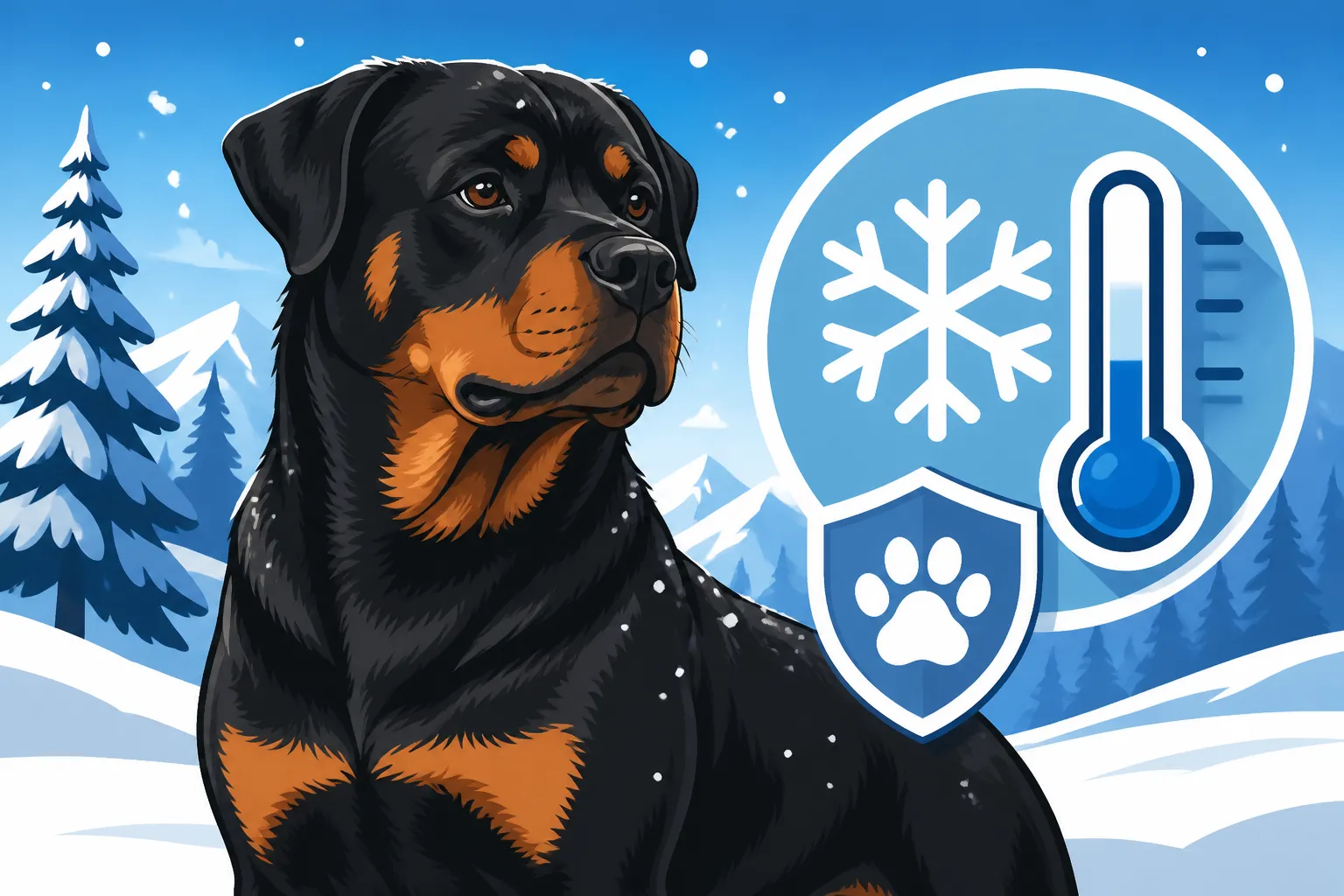
So, what’s a "safe" temperature for a Rottweiler? There's no single magic number, as it depends on individual factors like age, health, and activity level, but we can establish some general guidelines. Most healthy, adult Rottweilers can comfortably tolerate temperatures down to about 30-45°F (-1 to 7°C) for normal activity, such as a walk or supervised play. When temperatures dip into the 20-30°F range (-6 to -1°C), caution should be exercised. Walks should be shorter and more active, and you should consider adding protection like a coat. Below 20°F (-6°C), the risk increases significantly, and outdoor time should be very brief and strictly supervised, typically just for quick potty breaks.
Crucially, these numbers are for dry, still conditions. Wind chill can make even mild cold feel piercing, stripping away body heat rapidly. A wet coat also compromises its insulating ability, making a Rottweiler far more vulnerable to cold. A damp 35°F day with wind can be much more dangerous than a dry, still 25°F day. Ultimately, the best rule of thumb is to "listen to your dog." If they are showing any signs of discomfort, bring them inside immediately. No dog, not even a robust Rottweiler, should ever be left outside for extended periods in freezing temperatures. They are companion animals and belong indoors with their families.
Practical Strategies for Keeping Your Rottweiler Warm in Winter
Once you understand your Rottweiler's cold tolerance and how to read their signals, the next step is implementing practical strategies to keep them warm and comfortable. This involves both providing a cozy indoor environment and offering appropriate protection when they venture outside.
Indoor Warmth and Comfort
Even if your Rottweiler spends minimal time outdoors, ensuring their indoor environment is sufficiently warm and comfortable is paramount. Your home should be heated to a comfortable temperature, generally what feels good to you. Rottweilers, like us, appreciate a cozy spot to relax. A high-quality, insulated dog bed is essential, especially if your floors are tile, concrete, or hardwood, which can draw heat away from their bodies. These types of beds often feature memory foam or orthopedic support, which is a huge bonus for a heavy breed prone to joint issues. Rottweiler Beds That Survive the Weight offers some great insights into finding the right bed for your large companion.
Consider elevating their bed off the floor. Even a few inches can make a big difference in preventing cold from seeping up. More importantly, check for drafts. Your Rottweiler's favorite nap spot near a window or door might be surprisingly chilly. Block these drafts with weatherstripping or heavy curtains. For older Rottweilers, those with thin coats, or dogs recovering from illness, providing extra blankets or a dog-safe heating pad (always follow manufacturer instructions and ensure it's not too hot and has an auto-shutoff) can provide much-needed warmth and soothing comfort for stiff joints.
Outdoor Gear and Protection
When it's time to brave the elements, don't shy away from using appropriate outdoor gear for your Rottweiler, especially if the temperatures are dropping significantly. While some might think a coat is unnecessary for a Rottweiler, it can be incredibly beneficial for older dogs, those with less dense undercoats, or during particularly frigid conditions. A well-fitting, waterproof, and insulated coat can make a world of difference for their comfort on a walk.
Paw protection is another critical aspect. Road salt and de-icing chemicals can not only irritate and burn paw pads but also be toxic if ingested when your dog licks their paws. Snow and ice can also lead to frostbite. Dog boots offer an excellent barrier, or you can use a paw wax product to create a protective layer. Both options can be easily found on platforms like Chewy or Amazon. For winter walks, which often mean shorter daylight hours, don't forget reflective gear. A reflective vest or collar can drastically improve visibility, keeping you and your Rottweiler safe in low-light conditions. If your Rottweiler must spend any supervised time outdoors in cold weather, ensure they have access to an insulated, draft-free shelter, such as a well-constructed dog house with bedding.
Exercise, Nutrition, and Hydration
Maintaining proper exercise, nutrition, and hydration is crucial for your Rottweiler's well-being in winter. In very cold weather, shorter, more frequent walks are generally better than one long excursion. Keeping them moving helps generate body heat, but prolonged exposure to extreme cold can still be dangerous. Be mindful of ice and slippery surfaces; a heavy dog falling on ice can lead to serious injuries, including cruciate tears, as discussed in Cruciate Ligament Tears in a Hundred Pound Rottweiler.
When outdoor physical exercise is limited due to weather, it's essential to provide ample mental enrichment indoors. Puzzle toys, like those often found on Chewy or Amazon, or engaging in indoor training games Puzzle Feeders Built for a Rottweiler can prevent boredom and keep their minds active. For nutrition, active dogs might need a slight caloric increase in cold weather to fuel their metabolism, but this should be done cautiously to avoid unhealthy weight gain. Always consult your vet about any dietary changes. Brands like Ollie offer fresh food options, which might be appealing, but always ensure any diet provides balanced nutrition appropriate for a large breed. If your Rottweiler has specific dietary needs, a quick browse on Chewy can help you find specialized food. Lastly, don't forget hydration! Even in winter, dogs need plenty of water. If your Rottweiler spends any time outside, ensure their water bowl doesn't freeze over, and always have fresh water readily available indoors. While Water Intake for a Rottweiler on a Hot Day focuses on summer, the principle of constant access to fresh water applies year-round.
Common Winter Hazards and Prevention
Winter brings not only beautiful scenery but also a unique set of hazards that every Rottweiler owner needs to be aware of. Being proactive about these risks can prevent discomfort, injury, and even serious health emergencies for your dog.
Ice, Snow, and Slipping Hazards
One of the most insidious dangers of winter, especially for a large, heavy breed like a Rottweiler, is ice. A momentary slip on an icy patch can lead to severe injuries. Imagine a hundred-pound dog falling awkwardly – the force can easily strain or tear ligaments, fracture bones, or exacerbate existing conditions like Spondylosis Along a Rottweiler's Spine or Managing Arthritis in an Older Rottweiler. Cruciate ligament tears are particularly common in heavy dogs and can be a painful, costly injury.
To prevent these incidents, be diligent about clearing paths in your yard and around your home. When walking, stick to well-maintained, clear sidewalks or paths. Be cautious about letting your Rottweiler run off-leash in areas where ice might be hidden under a light dusting of snow. If you use de-icers on your property, ensure they are pet-safe. Regular rock salt can be very irritating to paws and harmful if ingested. Also, be mindful of overhead dangers like heavy snow or icicles that could fall from roofs. A little prevention can go a long way in keeping your Rottweiler sound and safe throughout the winter.
Road Salt, Antifreeze, and Toxins
Beyond the physical danger of slipping, winter surfaces often carry chemical threats. Road salt and chemical de-icers are widespread, and while they help prevent ice, they can be highly irritating to your Rottweiler's paw pads, causing dryness, cracking, and even chemical burns. More dangerously, if your dog licks their paws after a walk, they can ingest these chemicals, leading to gastrointestinal upset or more severe toxicity. Always wipe your Rottweiler's paws thoroughly with a warm, damp cloth after every walk, or use paw boots or wax as described earlier.
Antifreeze is another grave danger. Its sweet taste unfortunately makes it attractive to dogs, but even a small amount can be lethal, causing acute kidney failure. Be extremely vigilant for antifreeze spills in driveways, garages, or on the street. Store all automotive fluids and winterizing chemicals securely out of your dog's reach. Additionally, winter often sees an increase in rodent activity as mice and rats seek warmth indoors, leading to more rodenticide use. These baits are highly toxic to dogs and should be used with extreme caution or avoided altogether in a pet-friendly home. A general rule of thumb: assume any chemical spill or strange substance outside could be harmful, and keep your Rottweiler away.
Winter Skin and Coat Care
Just like our skin, a Rottweiler's skin and coat can suffer in the harsh, dry conditions of winter. The low humidity indoors and cold, dry air outdoors can strip moisture from their skin, leading to dryness, flakiness, and itching. This can be especially noticeable under their dense, black coat. Regular brushing, even in winter, is beneficial as it helps distribute natural skin oils, promoting a healthy, moisturized coat.
It's wise to limit bathing frequency during the colder months. Excessive bathing, especially with harsh shampoos, can strip away essential oils, exacerbating dry skin. When you do bathe your Rottweiler, use a moisturizing dog shampoo and ensure they are thoroughly dry afterward to prevent chills and skin issues. Our guide on Bathing a Rottweiler Without Stripping the Coat Oil offers tips for maintaining coat health. Keep an eye out for any hot spots or skin irritations that might develop, particularly if they are wearing a coat or sweater that traps moisture. Lastly, consider discussing a vet-approved omega-fatty acid supplement with your veterinarian. These supplements can work from the inside out to support healthy skin and a shiny coat, helping your Rottweiler combat the drying effects of winter.
Disclaimer
This article is for general informational purposes only and does not constitute professional advice. Laws, prices and regulations vary by location and change over time. Consult a qualified professional for guidance on your specific situation.