Rottweiler Treats Inside a Calorie Budget
It's a familiar scenario for many Rottweiler owners: you're trying your best to keep your big, beloved dog healthy and at a proper weight, but those soulful brown eyes make it incredibly hard to say no to an extra treat. The problem is, with a breed as prone to joint issues and weight-related health challenges as the Rottweiler, every single calorie counts. This guide is here to help you navigate the world of treats, ensuring your Rottweiler gets all the joy of a tasty reward without sacrificing their waistline or overall health.
Understanding Your Rottweiler's Daily Calorie Needs
Before you can even begin to think about adding treats, you absolutely must have a clear picture of your Rottweiler's baseline daily calorie requirement. Without this fundamental understanding, every treat given is just a shot in the dark, potentially contributing to unhealthy weight gain that puts immense strain on their powerful but delicate joints. It’s not about deprivation, but about precision and informed choices for their long-term well-being.
Calculating Maintenance Calories
Figuring out your Rottweiler's ideal daily calorie intake isn't a "one size fits all" endeavor, especially with a breed known for its substantial size and varying activity levels. Your veterinarian is truly your best resource here, as they can assess your dog's current weight, body condition score, age, and activity level to give you a precise number. However, a general rule of thumb involves calculating your dog's resting energy requirement (RER) and then multiplying it by an activity factor. For a large, active adult Rottweiler, this can easily be 2,000 to 3,000 calories a day, but for a more sedate senior, it could be significantly less.
Remember, this isn't just a number to hit; it's a budget. Every treat, every lick from your plate, every chew toy with calories hidden inside contributes to that total. Many owners are genuinely surprised when they first sit down and calculate how much their Rottweiler should be eating. It often feels like less than what they've been providing, especially if treats have been given freely. The goal is to find that sweet spot that maintains a lean, athletic build where you can easily feel their ribs without seeing them, and they have a distinct waist tuck. Overlooking this foundational step is like trying to budget your household finances without knowing your income – it's just not going to work out in the long run.
Adjusting for Activity Level and Age
A young, rambunctious Rottweiler puppy, still growing and burning energy like a furry furnace, has different needs than a calm, mature adult who enjoys leisurely strolls. Similarly, a working Rottweiler involved in protection sports or advanced obedience will require more fuel than a couch potato enjoying retirement. It's vital to adjust their caloric intake based on their current life stage and activity.
For instance, a rapidly growing puppy needs more calories per pound of body weight, but those calories must be balanced to support steady, not rapid, growth to protect their Rottweiler Growth Plates and Why They Close So Late. An older Rottweiler, on the other hand, might have a slower metabolism and reduced mobility, meaning their calorie needs will decrease. If you notice your senior Rottweiler starting to put on weight despite no change in food, it's a clear sign their metabolism has shifted, and a calorie adjustment is needed. Senior Rottweiler Feeding and Mobility becomes a critical consideration. Conversely, if your Rottweiler is particularly active – say, you're regularly hiking miles or training for endurance – they might need an increase in their daily intake to prevent weight loss and maintain muscle mass. Regularly re-evaluating their body condition and consulting with your vet will ensure you're always hitting the right mark.
The Problem with Eyeballing Portions
Let's be honest, we've all been guilty of it: "just a scoop" of kibble or "a handful" of treats. But when you're dealing with a breed the size of a Rottweiler, eyeballing portions is one of the quickest ways to accidentally overfeed. A single cup of kibble can vary significantly in weight and calorie density depending on the brand and how densely packed it is. What looks like a cup to one person might be 10% more to another, and those small discrepancies add up to hundreds of extra calories over weeks and months.
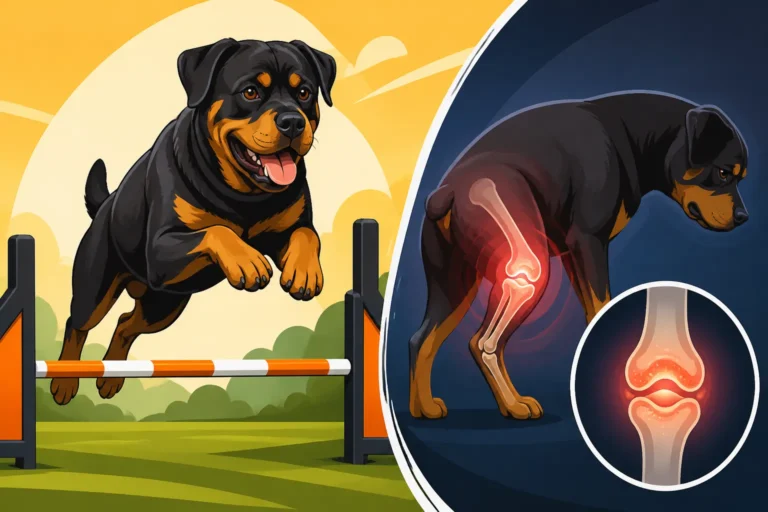
This is why precision is paramount. Investing in a digital kitchen scale and weighing your Rottweiler's daily food ration, including treats, is the most accurate way to ensure they are getting exactly the right amount. It might seem like a hassle at first, but it quickly becomes second nature and gives you peace of mind. Without precise measurement, you're constantly guessing, and for a breed where a few extra pounds can severely exacerbate conditions like Rottweiler Hip Dysplasia and the OFA Grade or Cruciate Tears in a Heavy Rottweiler, guessing is just too risky. Remember the goal here isn't just a healthy weight, but a healthy life.
The Role of Treats in Training and Bonding
Treats aren't just empty calories; they're powerful tools for training, motivation, and strengthening the bond you share with your Rottweiler. They can make learning new commands exciting and rewarding, and turn a potentially stressful situation into a positive one. However, it's incredibly easy to go overboard, turning a helpful training aid into a hidden source of excess calories. The trick is to be mindful, strategic, and selective about what treats you use and how often.
High-Value Treats for Motivation
When you're teaching a challenging new command, working on recall in a distracting environment, or trying to make vet visits less scary, a high-value treat can be a game-changer. These are the treats your Rottweiler would do almost anything for – the ones that make their ears perk up and their focus laser-sharp. Think small pieces of cooked chicken, cheese, or even liverwurst.
The key here is "small pieces." A high-value treat doesn't need to be big to be effective. A pea-sized morsel of cheese is just as motivating as a larger chunk, but with significantly fewer calories. Save these power-packed treats for truly important moments. If you use them for every sit and stay, they lose their special appeal, and your Rottweiler quickly learns that all treats are high-value, diminishing their effectiveness for critical training. Many trainers recommend keeping high-value treats somewhat rare to maintain their impact. Training Treats Small Enough for a Rottweiler Session are crucial for keeping calories in check during intensive training.
Low-Calorie Options for Frequent Rewards
For everyday training, regular reinforcement of known commands, or simply acknowledging good behavior, you'll want to lean heavily on low-calorie treats. These allow you to reward frequently without blowing your Rottweiler's daily calorie budget. Think crunchy kibble (taken from their daily ration!), small bits of carrot, green beans, or specially formulated low-calorie training treats.
Several brands offer great low-calorie options. You can often find a wide selection of these on platforms like Chewy, allowing you to compare ingredients and calorie counts before committing. The trick is to ensure they are truly low in calories and that you're still mindful of the quantity. Even low-calorie treats add up if you're giving dozens throughout the day. Consider breaking larger low-calorie treats into even smaller pieces. This gives you more opportunities to reward, stretches your treat supply, and keeps calorie intake minimal. Remember, the gesture of the reward and your praise are often just as important as the treat itself for a Rottweiler.
Treats as Part of Daily Interaction
Treats aren't just for formal training sessions; they can be a wonderful way to foster connection and provide enrichment. A quick "cookie" after coming in from the yard, a treat dispensed from a puzzle toy, or a chew to settle down with in the evening are all ways treats integrate into daily life. But again, these moments need to be factored into the calorie budget.
Consider using a small portion of your Rottweiler's daily kibble ration as treats throughout the day. This is a brilliant way to ensure all those "extra" calories are already accounted for. For enrichment, instead of simply handing over a treat, make your Rottweiler work for it. Load a treat-dispensing toy or a puzzle feeder with a handful of their kibble or some low-calorie options. This provides mental stimulation and extends the "treat experience," making a small amount feel like more. You can find a huge array of these types of toys on Amazon, offering variety to keep your Rottweiler engaged. Puzzle Feeders Built for a Rottweiler are fantastic tools for this.
Choosing the Right Treats for a Rottweiler
With so many options lining pet store shelves and online marketplaces, choosing the "right" treat for your Rottweiler can feel overwhelming. It's not just about what they like, but what's good for them within their calorie limits. For a large, powerful breed, ingredient quality, appropriate size, and dental safety are paramount. You want treats that contribute positively to their health, not just their palate.
Prioritizing Wholesome Ingredients
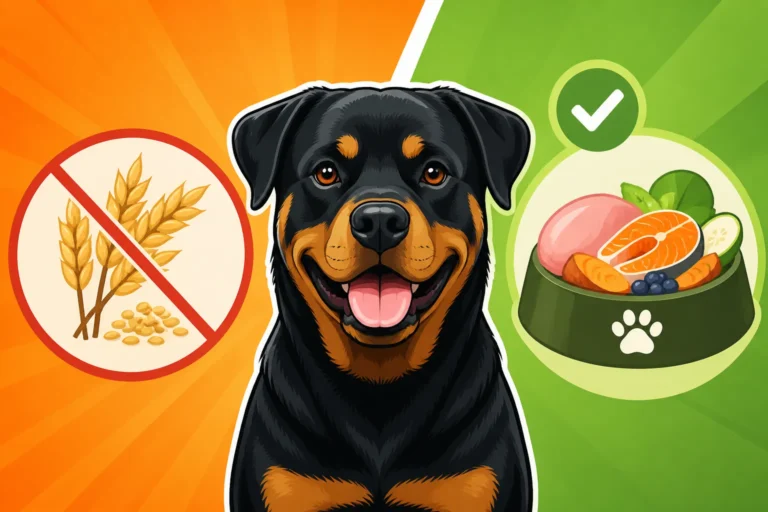
Just like with their main diet, the ingredients in your Rottweiler's treats matter significantly. Look for treats with short, recognizable ingredient lists. Single-ingredient treats, like freeze-dried liver or plain cooked sweet potato, are excellent choices because you know exactly what you're giving them. Avoid treats laden with artificial colors, flavors, excessive sugars, or unnecessary fillers. These offer little nutritional value and can contribute to weight gain or digestive upset.
When browsing options on Chewy or other retailers, take the time to read the label. Is the first ingredient a real meat source? Are there any by-products or vague "meat meals" that aren't specifically identified? Many reputable brands focus on natural, wholesome ingredients. For example, some companies, like Ollie, offer human-grade fresh dog food and often have accompanying high-quality, limited-ingredient treats that align with a healthy diet. Always prioritize quality over quantity, especially when treats contribute to your dog's overall nutritional intake.
Portioning Commercial Treats
Even the healthiest commercial treats have calories. This is where portion control becomes non-negotiable. Many treats are designed for smaller dogs and can be quite calorie-dense for a Rottweiler if given whole. Always check the calorie count per treat, usually listed in kilocalories per treat (kcal/treat), on the packaging.
Once you know the calorie count, you can make informed decisions. A single crunchy biscuit might be 30-50 calories. If your Rottweiler's treat allowance is 150 calories for the day, that's only 3-5 biscuits. Suddenly, those frequent rewards seem much harder to dole out! The solution? Break them into smaller pieces. A single biscuit can often be snapped into two, three, or even four smaller portions, effectively multiplying your rewards without increasing the calorie load. This strategy is especially helpful during training sessions where you're giving numerous rewards. You'll be amazed at how far a single treat can go when portioned correctly.
Homemade and Single-Ingredient Options
For ultimate control over ingredients and calories, homemade treats or simple, single-ingredient options are fantastic. Not only can you tailor them to your Rottweiler's preferences and any dietary sensitivities, but you can also make them incredibly low in calories.
Here's a table comparing some popular treat options:
| Treat Type | Calorie Density (Estimated) | Pros | Cons |
|---|---|---|---|
| Commercial Training Treats | Moderate (3-10 kcal/treat) | Convenient, varied flavors, often small | Can add up quickly, some contain fillers |
| Kibble (from daily ration) | Low (2-5 kcal/piece) | Already accounted for, familiar, cost-effective | Less "exciting" than special treats |
| Cooked Chicken Breast | Low (1-2 kcal/pea-sized piece) | High-value, palatable, pure protein | Requires preparation, can spoil quickly |
| Carrot Slices | Very Low (1 kcal/slice) | Crunchy, healthy, good for frequent rewards | Not all dogs love them, minimal protein |
| Green Beans | Very Low (1 kcal/bean) | Low calorie, fiber-rich, good for dogs on a diet | Some dogs dislike texture |
| Cheese (small cubes) | High (5-10 kcal/pea-sized) | Extremely high-value, motivating | Very calorie-dense, can cause stomach upset if too much |
| Freeze-Dried Liver | Moderate (2-5 kcal/piece) | High-value, good for sensitive stomachs, pure protein | Can be expensive |
| Peanut Butter (licked) | High (50-100 kcal/tbsp) | Excellent for enrichment toys, high-value | Very calorie-dense, often overused, check for xylitol |
Vegetables like sliced carrots, green beans, cucumber, or bell peppers make excellent, almost calorie-free rewards. Cooked lean meats, like chicken breast or turkey, cut into tiny cubes, are also excellent high-value options when used sparingly. Just be sure to avoid anything seasoned or cooked with oils. For dental chews, always choose carefully to avoid issues. Chews That Do Not Crack a Rottweiler Molar are essential to consider for your powerful chewer. The beauty of homemade or single-ingredient options is that you control the entire process, ensuring health and safety while managing calories.
Integrating Treats into a Balanced Diet
The key to successfully incorporating treats into your Rottweiler's life without overfeeding is to view them as an extension of their daily calorie budget, not an addition to it. This means being deliberate about how treat calories impact their main meals and understanding the "10% rule." It's about maintaining balance, ensuring nutritional needs are met, and keeping that impressive Rottweiler physique lean and healthy.
Accounting for Treat Calories in Main Meals
This is arguably the most crucial step: every calorie from a treat needs to be deducted from your Rottweiler's main meal portion for the day. If you don't do this, you're essentially adding extra food on top of their already calculated daily intake, leading to inevitable weight gain. It sounds simple, but it's a step many owners overlook.
Let's say your 120-pound adult Rottweiler needs 2,500 calories a day to maintain his ideal weight Daily Calories for a Hundred Twenty Pound Rottweiler. If you give him 150 calories worth of treats throughout the day – perhaps a few small training biscuits and a dental chew – then his main meals (kibble, fresh food, etc.) should only amount to 2,350 calories for that day. This requires a little math, but it's vital. You can either pre-portion their entire daily allowance of food and treats in the morning, or keep a running tally. This is where Measuring Rottweiler Food by Weight Not Cups comes in handy; weighing all food, including treats, ensures accuracy. This conscious adjustment is what prevents those "extra" calories from becoming problematic.
The "10% Rule" and Why It Matters
The "10% rule" is a widely recommended guideline for treats: no more than 10% of your dog's total daily caloric intake should come from treats. This rule exists for a very good reason: commercial dog food, especially high-quality formulas designed for large breeds like Rottweilers, is nutritionally complete and balanced. Treats, on the other hand, are often not.
If treats make up too large a portion of their diet, you risk unbalancing their nutrition, potentially leading to deficiencies or excesses in certain vitamins and minerals. Imagine if 30% of your own diet came from potato chips – you'd be missing out on a lot of essential nutrients! For a Rottweiler, whose dietary needs are precise, especially during growth or as a senior, maintaining this balance is paramount. Sticking to the 10% rule ensures that their main, balanced diet remains the primary source of nutrition, while treats serve their purpose as rewards and enrichment without undermining their overall health. This is a critical aspect when thinking about Feeding an Adult Rottweiler at a Hundred Twenty Pounds.
Non-Food Rewards and Enrichment
While treats are fantastic, they shouldn't be your only form of reward or enrichment. Relying solely on food can inadvertently lead to a demanding dog who only responds when food is present, or worse, one who becomes overweight. Integrating non-food rewards and enrichment activities is a powerful way to keep your Rottweiler engaged, happy, and stimulated without adding a single calorie.
Think about what truly motivates your Rottweiler. For some, it's a quick game of tug or fetch. For others, it's enthusiastic verbal praise and a good scratch behind the ears. A walk around the block, a session with a favorite squeaky toy, or even just a few minutes of undivided attention can be incredibly rewarding. Rottweiler Impulse Control Games can be played using toys or praise once they understand the game. Puzzle toys filled with kibble (again, from their daily ration!) or even just a frozen Kong with some plain yogurt can provide mental stimulation and a lasting "treat" experience. These non-food rewards encourage a well-rounded and versatile motivation system, ensuring your Rottweiler remains responsive and engaged even when food isn't on the table.
Common Treat Traps and How to Avoid Them
Even with the best intentions, it's surprisingly easy to fall into common treat traps that can quickly derail your Rottweiler's calorie budget and lead to unwanted weight gain. As the old saying goes, "the road to hell is paved with good intentions," and in the world of dog treats, those intentions can pave the way to an overweight pup. Being aware of these common pitfalls is the first step to avoiding them.
The Dangers of Table Scraps
This is perhaps the biggest and most insidious trap of all. Your Rottweiler is part of the family, and it feels natural to share a bite of your dinner. But those "just a little bit" moments quickly accumulate into a significant calorie surplus, often without you even realizing it. Not only are table scraps typically high in fat, salt, and calories, but many human foods are outright dangerous or toxic for dogs.
Even seemingly harmless foods like plain pasta or bread contain calories that must be accounted for. Richer foods, like fatty meat trimmings, cheese, or anything cooked with butter or oil, are exceptionally high in calories and can upset your Rottweiler's sensitive digestive system, leading to pancreatitis in severe cases. Furthermore, feeding table scraps can encourage begging behavior, which can be frustrating and difficult to break once established, especially with a persistent Rottweiler. What a Rottweiler Should Never Be Fed is a good article to review to keep your Rottweiler safe from human food. The best policy is a strict "no table scraps" rule. Your Rottweiler will still love you, and you'll be doing wonders for their long-term health.
Overlooking "Healthy" Chews and Bones
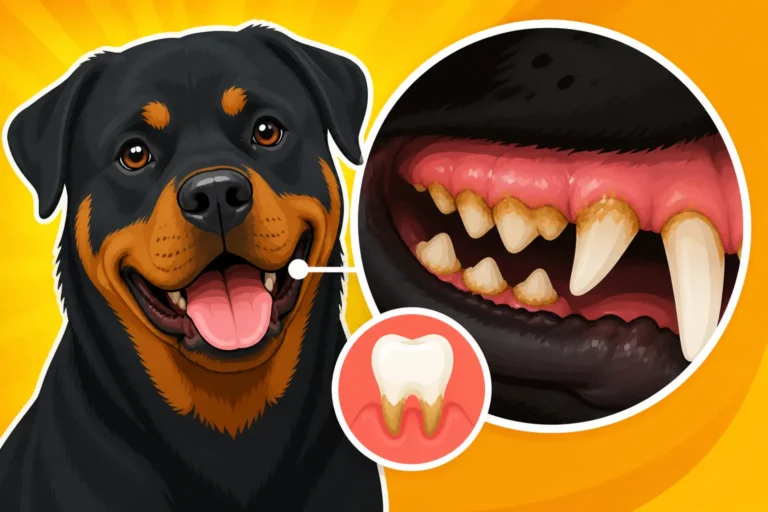
Many owners mistakenly believe that dental chews, bully sticks, pig ears, or other long-lasting chews are calorie-free or negligible. While they offer great mental stimulation and can sometimes help with dental hygiene, they are absolutely not calorie-neutral. A single large dental chew can contain hundreds of calories, equivalent to a significant portion of your Rottweiler's daily treat allowance. Bully sticks, for example, are pure protein and fat, making them quite calorie-dense.
It's essential to research the caloric content of any long-lasting chew you give your Rottweiler. If you give one regularly, it must be factored into their daily calorie budget and deducted from their main meals. If your Rottweiler is prone to weight gain, opting for non-caloric chew toys, like durable rubber toys, is a much safer bet. These still provide the satisfaction of chewing without the added calories. For safe chewing, look into Chews That Do Not Crack a Rottweiler Molar, as a Rottweiler's powerful jaws can easily break many "heavy-duty" chews.
Accidental Overfeeding by Multiple Family Members
In a multi-person household, it's incredibly easy for a Rottweiler to get treats from several different sources, leading to accidental overfeeding. One person gives a treat for going outside, another for sitting nicely, and a third for looking cute during dinner prep. Each family member thinks they're only giving "just one," but by the end of the day, your Rottweiler has had a treat buffet!
To combat this, clear communication is key. Establish a household "treat budget" for the day and assign one person to manage it, or use a visual system like a treat jar where each family member takes their allocated treats from the jar. Once the jar is empty, treats are done for the day. This prevents unintentional overfeeding and ensures everyone is on the same page regarding your Rottweiler's dietary plan. This is particularly important for managing conditions like Rottweiler Obesity and the Load It Adds or preventing Rottweiler Weight Gain After Neutering, where calorie control is paramount. Consistency across the entire family ensures your efforts to keep your Rottweiler healthy are successful.
Disclaimer
This article is for general informational purposes only and does not constitute professional advice. Laws, prices and regulations vary by location and change over time. Consult a qualified professional for guidance on your specific situation.