Rottweiler Beds That Survive the Weight
If you've ever owned a Rottweiler, you know the struggle: you invest in a nice, comfy bed for your beloved companion, only to find it shredded, flattened, or simply collapsing under their magnificent weight within weeks. It's frustrating, wasteful, and honestly, a little heartbreaking to see your big dog trying to get comfortable on what looks like a deflated beanbag. This guide is here to help you navigate the world of dog beds to find one that truly stands up to the power and presence of your Rottweiler, ensuring comfort, support, and longevity.
The Challenge of Finding a Durable Rottweiler Bed
Let's be real, finding a dog bed that can withstand a Rottweiler is a unique quest. These aren't dainty lap dogs; they are powerful, substantial animals, and their beds need to be just as robust. Many first-time Rottweiler owners, or even seasoned ones, find themselves cycling through beds, wondering if a truly durable option even exists.
Why Standard Beds Just Don't Cut It
Most dog beds on the market are simply not designed with a 100-plus-pound Rottweiler in mind. They might look plush and inviting in the store, but bring them home, and it's a different story. The fill material quickly compresses, leaving your Rottweiler essentially sleeping on the hard floor with a thin layer of fabric over it. This is especially true if your Rottweiler is prone to nesting behaviors, which often involves some enthusiastic digging or circling before settling down. That "digging" motion, while natural, can tear through flimsy covers and shift internal stuffing, creating lumps and bare spots.
Then there's the sheer force of their weight. A bed designed for a smaller dog might hold its shape for a while, but a Rottweiler's concentrated weight repeatedly pressing down will quickly break down foam, fiberfill, or even lower-quality spring coils. And let's not forget the chewing. While not all Rottweilers are destructive chewers, a bored or anxious puppy, or even an adult, can make short work of exposed zippers, seams, or thin fabric. You might find yourself constantly patching holes or, more likely, tossing out yet another mangled bed.
The Cost of Constant Replacements
It’s easy to think of a dog bed as a one-off purchase, but when you're buying a new one every few months, those costs add up quickly. What initially seems like a cheaper option can become a significant drain on your wallet over time. Beyond the financial cost, there's the mental fatigue of constantly researching, purchasing, and disposing of failed beds. You just want your dog to be comfortable, and the endless cycle of trial and error can be incredibly frustrating. Imagine trying to explain to a friend that you just spent another hundred dollars on a bed that your Rottweiler obliterated in a week – it's a conversation most of us would rather avoid. This hidden expense is one of the most common surprises for new owners, right up there with unexpected vet bills.
Health Implications of Poor Support
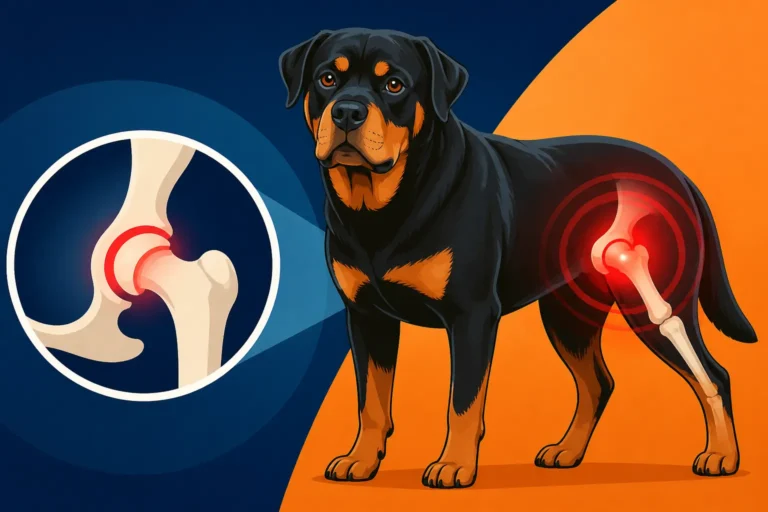
Beyond the annoyance and expense, there are real health consequences to providing inadequate bedding for your Rottweiler. As they are a large breed, Rottweilers are predisposed to certain joint issues like Rottweiler Hip Dysplasia and the OFA Grade and elbow dysplasia. Sleeping on hard surfaces, or on beds that offer no real support, exacerbates these conditions. Imagine sleeping on a sagging mattress night after night – you'd wake up stiff and sore. The same applies to your Rottweiler. Poor bedding can lead to:
- Increased Joint Pain: Lack of cushioning puts direct pressure on hips, elbows, and shoulders, leading to discomfort and inflammation, especially in older dogs or those with existing arthritis.
- Pressure Sores and Calluses: Constant pressure on bony prominences, like elbows and hocks, can cause the skin to thicken and form painful calluses. In severe cases, these can break open and become infected.
- Reduced Quality of Sleep: A dog that can't get comfortable won't sleep deeply, which can affect their mood, energy levels, and overall well-being. Good sleep is vital for physical and mental restoration.
- Aggravated Arthritis: For senior Rottweilers, finding a comfortable position becomes even more critical. A supportive bed can significantly improve their quality of life as they deal with Senior Rottweiler Mobility Decline and other age-related changes.
Key Features to Look For in a Rottweiler Bed
When you're shopping for a Rottweiler bed, you need to think like an engineer, not just a pet parent. You're looking for strength, support, and smart design. Forget the pretty patterns and focus on the core construction.
Superior Construction and Materials
This is where the rubber meets the road. A durable Rottweiler bed starts with its components.
- Heavy-Duty Fabric: Look for covers made from high-denier nylon, canvas, or ripstop materials. These fabrics are much harder for teeth and nails to penetrate. Some brands use ballistic nylon, which is exceptionally tough and often used in military gear. The weave should be tight, and the fabric itself should feel substantial. Thin, plush fleece might be soft, but it won't last.
- Reinforced Stitching and Zippers: Examine the seams. Double-stitching or reinforced seams are a must. Zippers should be heavy-duty, preferably concealed, or with a flap covering them to prevent your Rottweiler from getting a purchase with their teeth. A weak zipper is an open invitation for a determined chewer to get at the inner stuffing.
- Waterproof Liners: Accidents happen, especially with puppies or senior dogs. A waterproof liner beneath the main cover protects the internal foam from moisture, odors, and bacteria. This vastly extends the life of the bed's core, which is often the most expensive part.
- Non-Toxic Materials: Always prioritize beds made with pet-safe, non-toxic materials, especially for the foam and any waterproof coatings.
Orthopedic Support is Non-Negotiable
For a dog of the Rottweiler's size and predisposition to joint issues, orthopedic support isn't a luxury; it's a necessity. This means going beyond standard fiberfill or egg crate foam.
- High-Density Memory Foam: This is the gold standard for orthopedic support. Look for beds that use solid slabs of high-density memory foam, similar to what's found in human mattresses. This type of foam conforms to your Rottweiler's body, distributing their weight evenly and relieving pressure points. It should rebound quickly and not flatten out after repeated use. Some beds even feature multiple layers, with a firmer base layer for support and a softer top layer for comfort. Brands often specify the density (e.g., pounds per cubic foot), with higher numbers generally indicating better quality and durability.
- Joint-Specific Design: Some beds are designed with specific joint needs in mind, featuring bolsters around the edges for head and neck support, or an open design for easy entry and exit, particularly important for dogs with mobility challenges. You want a bed that provides consistent, firm support from head to tail, ensuring proper spinal alignment. This kind of attention to detail can help manage conditions that might otherwise progress, such as those related to Rottweiler Growth Plates and Why They Close So Late.
Chew-Resistant and Easy-to-Clean Options
Even the most well-behaved Rottweiler can be a challenge to keep clean, and a determined chewer needs extra safeguards.
- Removable, Washable Covers: This is non-negotiable. Your Rottweiler's bed will accumulate dirt, dander, hair, and odors. A cover that can be easily removed and machine-washed is essential for hygiene and extending the bed's freshness. Check the washing instructions – ideally, it should be machine-washable and dryer-safe.
- Durable Zippers and Hidden Seams: As mentioned, strong, hidden zippers are crucial. Many manufacturers now design beds with internal flaps or recessed zippers to prevent chewing.
- Consider a Multi-Layered Approach: If your Rottweiler is a super chewer, consider a bed with an external chew-proof cover on top of the regular orthopedic bed. This adds an extra layer of defense.
- Material Selection for Easy Cleaning: Beyond washability, some materials naturally repel dirt and hair better than others. Smooth, tightly woven fabrics tend to be easier to wipe down or vacuum, making daily maintenance a breeze.
Types of Beds That Stand Up to a Rottweiler's Might
Now that we know what features to look for, let's explore the types of beds that commonly offer the durability and support your Rottweiler needs. These aren't your average department store dog beds; these are built for serious canine comfort.
Orthopedic Memory Foam Beds
These are often the go-to for large breeds like Rottweilers, and for good reason. They offer superior pressure relief and support.
- Construction: High-quality orthopedic memory foam beds consist of solid blocks or multiple layers of dense foam. You might find a layer of true memory foam on top of a firmer support foam. This layered approach prevents the bed from flattening out completely, even under substantial weight. Brands like Chewy and Ollie often feature orthopedic options tailored for larger dogs, emphasizing both comfort and robust construction. The key is the density of the foam – cheaper memory foam will break down faster.
- Benefits:
- Excellent Joint Support: Conforms to the body, cradling joints and spine, which is crucial for preventing and managing conditions like Managing Arthritis in an Older Rottweiler.
- Durability: When made with high-density foam, these beds maintain their shape and support for years, not months.
- Comfort: Provides a luxurious sleeping surface that encourages deep, restorative sleep.
- Considerations:
- Cost: Quality orthopedic beds are an investment, often among the more expensive options. However, their longevity often makes them cheaper in the long run than constant replacements.
- Weight: They can be quite heavy and cumbersome to move, especially the larger sizes.
- Heat Retention: Some memory foams can retain body heat, which might be a concern for black-coated breeds like Rottweilers, especially in warmer climates. Look for "cooling gel" infused foams or breathable covers if this is an issue.
Elevated Cot-Style Beds
These beds offer a completely different approach to support and often surprise owners with their durability.
- Construction: Elevated beds feature a sturdy frame (often metal or heavy-duty PVC) with a taut fabric or mesh sleeping surface stretched across it. The Rottweiler sleeps suspended above the ground.
- Benefits:
- Air Circulation: Excellent for keeping your Rottweiler cool, especially in warm weather, as air can circulate freely underneath. This is a huge plus for black-coated dogs like Rottweilers who can get warm quickly.
- Joint Relief: The taut surface provides firm, even support, distributing weight without creating pressure points. There's no "bottoming out" as with traditional stuffed beds.
- Chew-Resistant: Many designs have minimal exposed fabric edges, making them harder for persistent chewers to destroy. If the fabric is damaged, replacement slings are often available.
- Easy to Clean: The mesh or fabric surface is typically easy to wipe down or hose off, and dirt and hair fall through, keeping the sleeping surface cleaner.
- Considerations:
- Aesthetics: Some owners find them less aesthetically pleasing than plush beds.
- Initial Acceptance: Some dogs might need a bit of time to get used to the elevated, less "cushy" feel. You can often add a thin, washable mat or blanket for extra coziness.
- Outdoor Use: Many are designed for both indoor and outdoor use, making them versatile.
Armored or "Indestructible" Beds
For the truly determined destroyer, or just to buy peace of mind, some manufacturers specialize in beds designed to be virtually indestructible.
- Construction: These beds are built with extreme durability in mind. They often feature proprietary chew-proof fabrics, reinforced metal frames (for cot styles), or impenetrable zippered closures. The focus is on preventing access to the internal components and resisting chewing and scratching. Some brands offer impressive guarantees, like the famous "chew-proof" warranty, which can be a huge relief for owners of serial bed destroyers.
- Benefits:
- Ultimate Durability: Designed to withstand the most aggressive chewers and diggers.
- Peace of Mind: You won't be constantly worrying about coming home to a destroyed bed.
- Long-Term Investment: While often the most expensive upfront, their warranties and longevity can make them highly cost-effective.
- Considerations:
- Cost: These are typically the highest-priced options.
- Comfort: While they've come a long way, some earlier models might have prioritized toughness over plush comfort. Modern designs often combine durable exteriors with orthopedic foam interiors, offering the best of both worlds.
- Weight/Bulk: Due to their robust construction, they can be heavy and bulky.
Here's a quick comparison of bed types for your Rottweiler:
| Bed Type | Key Advantages | Key Disadvantages | Best For |
|---|---|---|---|
| Orthopedic Memory Foam | Superior joint support, ultimate comfort, good long-term durability (high-end) | Can be expensive, may retain heat, heavy to move, not always chew-proof | Older Rottweilers, those with joint issues, indoor use, comfort priority |
| Elevated Cot-Style | Excellent air circulation, firm support, chew-resistant, very easy to clean | Less plush, takes getting used to, can be bulky, less aesthetically varied | Warm climates, outdoor use, chewers, easy maintenance, strong support |
| Armored / "Indestructible" | Extreme durability, often chew-proof warranty, peace of mind | Highest cost, can be very heavy, some prioritize toughness over softness | Aggressive chewers/diggers, multi-dog households, owners seeking ultimate longevity |
Making the Right Investment for Your Rottweiler's Comfort and Health
Choosing the right bed for your Rottweiler is more than just picking something off a shelf; it's an investment in their long-term health, comfort, and your own peace of mind. It’s about recognizing that a massive dog needs massive support.
Considering Your Rottweiler's Age and Needs
Your Rottweiler's age plays a significant role in bed selection.
- Puppies: For a young Rottweiler, durability is often the primary concern due to teething and exuberant play. While you want comfort, investing in a top-tier orthopedic bed might be overkill if they're still in their destructive phase. A sturdy, washable cot bed or a mid-range, heavily reinforced orthopedic bed with a chew-resistant cover might be a better choice. Remember, keeping a Rottweiler puppy lean is important for their developing joints, so a too-soft bed isn't ideal. As your Rottweiler grows, remember that their Rottweiler Growth Plates Close at Eighteen to Twenty-Four Months, so continued joint support is crucial even for young adults.
- Adults: Most adult Rottweilers will benefit greatly from a high-quality orthopedic memory foam bed. By this age, you know their chewing habits (or lack thereof), and their full weight will demand superior support. If you have a Rottweiler with a lot of energy, a daybed that is robust enough for them to flop onto and relax after a good session of Hiking With an Adult Rottweiler is key.
- Seniors: For senior Rottweilers, orthopedic support becomes absolutely critical. They need beds that minimize pressure on aging joints and provide easy entry and exit. Lower-profile orthopedic beds or those with supportive bolsters can make a huge difference in their daily comfort and mobility. Look for dense memory foam that offers consistent support and doesn't sag. Companies like Healthy Paws, while an insurance provider, would be the type of company that understands the value of preventative care, and a good bed is absolutely preventative care against joint issues and associated vet visits.
How to Introduce a New Bed
Even the best bed in the world won't be used if your Rottweiler isn't keen on it. Introduce new items positively.
- Make it Inviting: Place the new bed in a familiar, comfortable spot. Drape a favorite blanket or toy on it to make it smell like them.
- Positive Reinforcement: Encourage them to explore the bed with treats and praise. Toss a favorite toy onto it and reward them when they go on it. You can even feed them their meals on the bed initially.
- Lead by Example (if appropriate): If it's a large enough bed, you might sit on it yourself for a moment to show them it's safe and comfortable.
- Patience is Key: Some dogs take to new things instantly, others need time. Don't force them. Let them investigate at their own pace.
The Long-Term Value of a Quality Bed
It’s easy to balk at the price tag of a high-end Rottweiler bed, but consider it an investment. A truly durable, orthopedic bed can last for many years, potentially outlasting several cheaper, less effective alternatives. Over your Rottweiler's Rottweiler Lifespan and the Eight to Ten Year Average, the cumulative cost of replacing inferior beds can easily exceed the price of one excellent one.
More importantly, a quality bed contributes significantly to your Rottweiler's overall health and well-being. By providing proper joint support, you may help delay or alleviate symptoms of conditions like hip and elbow dysplasia, reducing potential veterinary costs and improving their quality of life. This proactive approach to their comfort and health is invaluable. Think of it this way: a good bed helps keep your Rottweiler comfortable, happy, and potentially more mobile for longer, which means more quality time with your beloved companion.
Disclaimer
This article is for general informational purposes only and does not constitute professional advice. Laws, prices and regulations vary by location and change over time. Consult a qualified professional for guidance on your specific situation.