Rottweiler Agility and Its Joint Cost
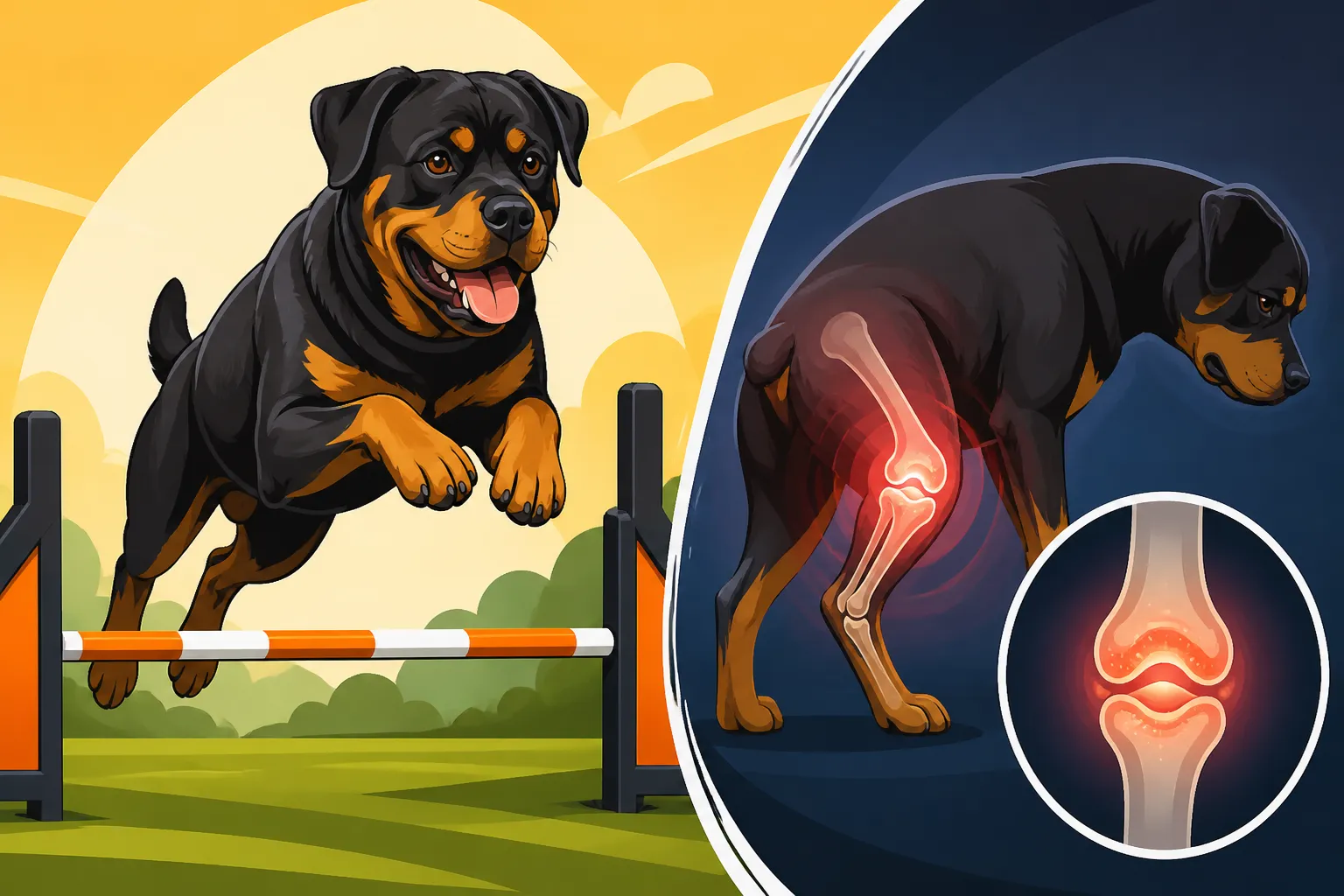
Oh, the sheer joy of watching a magnificent Rottweiler fly over jumps, weave through poles, and dash through tunnels! It's a truly captivating sight, and it’s natural to feel that pull towards agility training for your smart, athletic companion. But as a seasoned Rottweiler parent, I know that enthusiasm has to be tempered with a healthy dose of realism, especially when it comes to the impact on those big, powerful joints. This guide is all about exploring the magnetic appeal of agility for our beloved Rotties while giving you an unvarnished look at the potential joint costs, and most importantly, how to protect your dog's long-term health if you decide to jump into the exciting world of canine sports.
The Allure of Agility for a Working Rottweiler
Rottweilers were, for centuries, working dogs – herding cattle, guarding property, and pulling carts. They possess an incredible drive, intelligence, and physical prowess that often goes beyond what a daily walk can fulfill. Agility training can seem like the perfect outlet for that dormant working spirit, a way to tap into their natural abilities in a fun, competitive environment.
More Than Just Physical Exercise
It's easy to look at agility and just see the running, jumping, and physical exertion, but for a Rottweiler, it's so much more. This breed thrives on having a job to do, on solving problems, and on using their brain just as much as their brawn. Agility courses present a complex puzzle: which obstacle next, how to navigate it most efficiently, and how to stay connected to their handler. This kind of mental workout can be incredibly satisfying for a Rottie, channeling their intense focus and intelligence into a productive activity. It reduces boredom, which often leads to destructive behaviors at home, and offers a fantastic way to engage their innate desire to learn and perform. Seeing your Rottweiler's eyes light up as they understand a new sequence, or the sheer joy in their stride as they conquer a challenging tunnel, is a reward in itself.
Building the Bond and Confidence
There's a unique kind of trust that develops when you and your Rottweiler navigate an agility course together. It’s a dance of communication, where you guide with subtle cues and they respond with unwavering focus. This shared experience deepens the bond between dog and owner in a way that few other activities can. For some Rottweilers, who can sometimes be a bit reserved or "aloof" with strangers, agility can also be a wonderful confidence builder. They learn to tackle new, sometimes scary, obstacles like the teeter-totter or the A-frame, which helps them build self-assurance. As they master new skills and receive positive reinforcement, their overall confidence can soar, making them more resilient and adaptable in other aspects of their life. You become a team, working towards a common goal, and that strengthens the partnership immensely.
What Agility Looks Like for a Large Breed
Agility courses typically involve a variety of obstacles, including jumps (hurdles), tunnels, weave poles, A-frames, dog walks, and teeter-totters. While the basic equipment is the same for all dogs, how a large breed like a Rottweiler approaches it often needs careful consideration. Jumps for Rottweilers, especially those new to the sport, should start much lower than for smaller, lighter breeds. The broader body of a Rottweiler needs more space through tunnels and around weave poles, and their sheer mass means they land with significant force after any jump or descent from a contact obstacle like the A-frame. Reputable agility organizations and trainers understand these differences and will adapt courses and training methods to suit the physiology of larger dogs, focusing on technique and safety over breakneck speed, particularly in the initial stages.
The Inherent Joint Challenges for Rottweilers
Now, let's talk about the elephant in the room—or rather, the magnificent, heavy-boned Rottweiler. While agility offers many benefits, we simply cannot ignore the unique anatomical realities of our breed. Rottweilers are powerful, substantial dogs, and their large size and weight inherently place greater stress on their joints, making them more susceptible to certain conditions.
Understanding the Rottweiler's Anatomy and Growth
Rottweilers are a giant breed, with males often weighing over 100 pounds and standing over two feet tall at the shoulder. This impressive size means their skeletal system, particularly their joints, bears a considerable load with every step, jump, and turn. What's more, Rottweilers mature slowly. Their Rottweiler Growth Plates and Why They Close So Late, typically not fully fusing until 18-24 months of age, are incredibly vulnerable during their first two years. Engaging in high-impact activities like jumping and tight turns before these growth plates have completely closed can cause irreversible damage, leading to lifelong joint issues.
Beyond the growth plates, Rottweilers are predisposed to several orthopedic conditions. Hip and elbow dysplasia are significant concerns in the breed, where the joints don't develop properly, leading to instability, pain, and eventually arthritis. Rottweiler Hips and Elbows and the 24-Month Rule is a critical guideline, emphasizing that health clearances for these joints should only be performed once the dog has reached full maturity. Even a dog with seemingly "clear" hips and elbows can still be at risk if subjected to excessive or inappropriate stress. The sheer force of their weight combined with rapid, twisting movements creates a perfect storm for potential injury.
The Impact of High-Stress Agility Movements
Agility demands a lot from a dog's body, and for a Rottweiler, certain movements carry elevated risks. Think about the common elements:
- Jumping: While jumps can be lowered, the act of propelling a 100+ pound body over a hurdle and then landing repeatedly places immense concussive force on the elbows, shoulders, stifles (knees), and hips.
- Weave Poles: The tight, twisting motion required to navigate weave poles puts significant rotational stress on the spine, hips, and hocks.
- Rapid Starts and Stops: The explosive power needed to accelerate and then suddenly brake can strain ligaments and tendons, particularly in the knees. Cruciate Tears in a Heavy Rottweiler are a sadly common injury, and agility's demands can certainly contribute.
- Tight Turns and Direction Changes: These movements are particularly taxing on all weight-bearing joints, as the dog's momentum shifts rapidly, often at high speed.
These aren't just one-off stressors; agility involves repetitive movements. Over time, this cumulative impact can accelerate the wear and tear on cartilage, lead to inflammation, and contribute to the early onset or worsening of conditions like osteoarthritis. It’s a marathon, not a sprint, and the joint cost can accumulate silently until a noticeable problem emerges.
Signs Your Rottweiler Might Be Struggling
One of the hardest things as a Rottweiler owner is knowing when your stoic companion is in pain. Rottweilers are often tough and may hide discomfort until a problem is quite advanced. However, if you're involved in agility, or even just high-impact play, it's crucial to be a keen observer.
Look for subtle changes:
- Reluctance: Is your dog hesitant to jump, climb stairs, or get in and out of the car? Do they seem less enthusiastic about agility practice or certain obstacles?
- Stiffness: Do they seem stiff, especially after rest or in the morning? Do they take longer to "warm up" before moving freely?
- Changes in Gait: Is there a subtle limp, a shorter stride, or a change in how they carry their weight? This might be the first limp that turns out to be serious.
- Licking or Chewing: Are they excessively licking, chewing, or grooming a particular joint or area of their body?
- Behavioral Shifts: Pain can make even the sweetest Rottweiler grumpy or irritable. They might snap when touched, avoid interaction, or become more withdrawn.
- Muscle Atrophy: Over time, if a limb is favored due to pain, the muscles surrounding it might start to shrink.
Don't dismiss these signs. If you notice any of them, it's absolutely vital to consult your veterinarian. Early diagnosis and intervention can make a huge difference in managing joint issues and preserving your Rottweiler's quality of life. Pushing through pain, even if subtle, can lead to more severe, long-term damage.
Mitigating Risks and Preparing Your Rottweiler for Agility
So, does this mean agility is completely off-limits for Rottweilers? Not necessarily! But it does mean approaching the sport with extreme caution, prioritizing your dog's health above all else, and implementing strategies to minimize risk. It's about being proactive, not reactive.
Prioritizing Health Clearances and Physical Conditioning
Before you even dream of signing up for an agility class, your Rottweiler must have their foundational health checked. This is non-negotiable.
- Orthopedic Clearances: Your dog needs to be at least 24 months old to receive official Rottweiler Hip Dysplasia and the OFA Grade and Rottweiler Elbow X-Rays Taken at Twenty-Four Months (or PennHIP evaluations) from a veterinary orthopedic specialist. Only dogs with excellent or good ratings should even consider high-impact sports. Remember, even a "fair" grade, while passing for CHIC, might indicate a joint that could struggle under intense agility demands.
- Comprehensive Vet Check-up: Get a thorough physical exam from your regular vet, specifically discussing your agility aspirations. They can assess overall fitness, joint health, and identify any pre-existing conditions that might make agility unsafe.
- Building Foundational Strength: A Rottweiler can't just jump off the couch and onto the agility course. They need a strong, well-conditioned body. Focus on controlled, low-impact exercises like long, leashed walks on varied terrain, swimming (an excellent choice for Swimming as Low-Impact Rottweiler Exercise), and core strengthening exercises. This conditioning should begin long before any formal agility training, building muscle tone and body awareness without putting undue stress on their developing joints. This phase of conditioning is crucial and can last for months.
Smart Training Practices and Course Design
Once you have a healthy, conditioned Rottweiler, it's about training smart.
- Age-Appropriate Start: Absolutely no formal jumping, weaving, or hard contact obstacles before your Rottweiler is at least 18-24 months old and has received their full health clearances. Even then, start slowly. The Exercise That Damages a Growing Rottweiler includes activities like jumping and repetitive turns, which are prevalent in agility. Focus on foundation work like flatwork, obedience, and understanding verbal cues first.
- Gradual Progression: Introduce obstacles one at a time, at very low heights, and with plenty of positive reinforcement. Never rush your Rottweiler. Focus on perfect execution and good body mechanics, not speed. For jumps, start with the bar on the ground, gradually raising it by an inch at a time over weeks or months.
- Proper Warm-ups and Cool-downs: Treat your Rottweiler like the athlete they are. Every training session should begin with 5-10 minutes of gentle walking or trotting to warm up muscles and joints, and end with a similar cool-down period.
- Adjust Equipment: Work with a trainer who understands giant breeds. Jumps should always be set at the lowest possible competition height for your Rottweiler, or even lower for practice. Contact obstacles should ideally have non-slip surfaces and a gradual incline.
- Listen to Your Dog: Pay close attention to their body language. If they seem tired, unwilling, or hesitant, take a break. Over-training is a fast track to injury.
- Professional Guidance: Seek out an agility instructor experienced with large, heavy working breeds. They will understand the necessary modifications and pacing.
Nutritional Support and Weight Management
Nutrition and maintaining an ideal weight are cornerstones of joint health for any dog, but especially for a Rottweiler participating in agility.
- Lean Body Weight is King: Every extra pound on a Rottweiler translates to significant additional stress on their joints. Rottweiler Obesity and the Load It Adds is a serious concern, greatly exacerbating any underlying joint issues. Work with your vet to determine your Rottweiler's ideal weight and stick to a feeding plan that maintains it. You should be able to easily feel, but not see, their ribs, and they should have a distinct waist tuck.
- High-Quality Diet: Feed a diet formulated for large-breed adult dogs, rich in quality protein and appropriate fats. Some owners explore fresh food options like those offered by Ollie, which can provide excellent nutrition and help maintain a healthy weight. Always consult your vet before making significant dietary changes.
- Joint Supplements: Many Rottweiler owners proactively use joint supplements, especially if their dogs are active. Look for ingredients like glucosamine, chondroitin, MSM, and omega-3 fatty acids (fish oil). These can help support cartilage health and reduce inflammation. You can often find a wide array of options on sites like Chewy or Amazon. Joint supplements started early in a Rottweiler can be a great preventative measure.
Here’s a look at common joint supplement ingredients:
| Ingredient | Primary Benefit | How It Helps |
|---|---|---|
| Glucosamine | Cartilage repair & maintenance | Supports the building blocks of cartilage; may reduce cartilage breakdown. |
| Chondroitin | Cartilage elasticity & hydration | Helps cartilage retain water and maintain flexibility; inhibits destructive enzymes. |
| MSM | Anti-inflammatory & pain relief | Reduces inflammation and pain; supports connective tissue health. |
| Omega-3 Fatty Acids (EPA/DHA) | Anti-inflammatory & joint lubrication | Potent anti-inflammatory effect; improves joint comfort and mobility. |
| Hyaluronic Acid | Joint lubrication & shock absorption | Component of joint fluid, improves lubrication and acts as a shock absorber. |
| Green-Lipped Mussel | Anti-inflammatory, pain relief, cartilage support | Contains omega-3s, glucosamine, chondroitin, and other minerals for joint health. |
Remember, supplements are not a magic bullet and should not replace veterinary advice or proper conditioning.
When Agility Isn't the Right Fit: Alternative Mental and Physical Outlets
Even with the best intentions and the most careful training, agility might not be the right path for every Rottweiler. Some dogs simply aren't built for the intensity, or they may develop early signs of joint issues that rule out high-impact sports. This doesn't mean your Rottweiler can't live a full, enriching, and active life! There are countless ways to engage their minds and bodies without the high "joint cost."
Low-Impact Activities for Mental Engagement
Rottweilers thrive on mental challenges. If agility is too much for their body, pivot to activities that stimulate their incredible brains.
- Obedience and Rally: These sports focus on precision, teamwork, and following commands. They require intense focus and build fantastic communication between you and your dog, all with minimal impact on joints.
- Scent Work/Nose Work: Tapping into a dog's most powerful sense, scent work is incredibly engaging and satisfying. Dogs learn to identify and locate specific odors, offering a tremendous mental workout without any physical strain. It's truly amazing to watch a Rottweiler use their nose.
- Trick Training: Teaching your Rottie complex tricks provides mental stimulation and strengthens your bond. From "wave" to "fetch the remote," these activities can be done safely indoors or out, tailored to their physical capabilities.
- Puzzle Feeders: While not a sport, incorporating puzzle feeders into daily meals can turn eating into a mental challenge, slowing them down and making them think. You can find robust, large-dog-friendly options on sites like Chewy that will stand up to a Rottweiler's enthusiasm.
These activities offer many of the same mental and bonding benefits as agility, but without the high-stress demands on their hips, elbows, and stifles.
Building Body Awareness and Strength Without High Impact
Even if high-flying agility is out, you can still focus on building strength, flexibility, and body awareness in a low-impact way. Canine conditioning and physical therapy exercises are excellent for this.
- Cavaletti Poles: Walking over low poles encourages controlled limb movement, strengthens core muscles, and improves proprioception (awareness of where their body is in space). These can be started very low and gradually raised or made more complex.
- Balance Discs and Wobble Boards: These tools help build core strength and stabilize joints by challenging balance. They are excellent for controlled muscle engagement.
- Underwater Treadmill/Swimming: As mentioned earlier, Swimming as Low-Impact Rottweiler Exercise is a fantastic full-body workout that supports joints rather than stressing them. An underwater treadmill provides controlled resistance without gravity's full impact. These are often available at veterinary rehabilitation clinics.
- Controlled Hill Work: Walking up and down gentle slopes can build hindquarter strength without the impact of jumping. Always start slow and assess your dog's comfort.
Working with a certified canine rehabilitation therapist can help you develop a safe and effective conditioning program tailored specifically to your Rottweiler's needs and physical limitations.
Enjoying Life's Adventures at a Slower Pace
Ultimately, the goal is a happy, healthy Rottweiler who shares a fulfilling life with you. Sometimes, that simply means enjoying the simpler pleasures.
- Exploring New Trails: Long, leisurely walks on varied but stable terrain, discovering new smells and sights, are incredibly enriching. They provide mental stimulation through exploration and physical exercise at a comfortable pace.
- Socialization and Play: Structured play sessions with compatible dogs can provide exercise and social engagement. Always supervise carefully to ensure play remains appropriate and low-impact.
- Family Adventures: Including your Rottweiler in family outings—a trip to the pet-friendly hardware store, a relaxed picnic in the park, or just lounging on the patio—enriches their life by keeping them engaged with their human pack.
Remember, a Rottweiler's happiness isn't measured by the height of the jumps they clear, but by the quality of life they experience with you. Prioritizing their comfort and long-term health over competitive achievements is the greatest gift you can give them.
Disclaimer
This article is for general informational purposes only and does not constitute professional advice. Laws, prices and regulations vary by location and change over time. Consult a qualified professional for guidance on your specific situation.