Weight Pulling and Whether a Rottweiler Should
It's completely natural to look at a powerful, muscular breed like the Rottweiler and wonder how best to channel all that strength and drive. Many owners are intrigued by activities like weight pulling, seeing it as a way to engage their dog both physically and mentally. However, the decision to involve your Rottweiler in a high-impact sport like weight pulling isn't one to take lightly, as it comes with a unique set of considerations for their long-term health and well-being. This guide will help you understand the sport, its potential benefits, and the very real risks, so you can make an informed choice for your beloved companion.
Understanding Weight Pulling as a Canine Sport
Weight pulling is a sport designed to showcase a dog's strength, endurance, and willingness to work. It taps into the inherent drive many working breeds possess, challenging them to pull a weighted cart or sled over a short distance. While it might look simple from the sidelines, there's a lot more to it than just brute force.
What Weight Pulling Entails
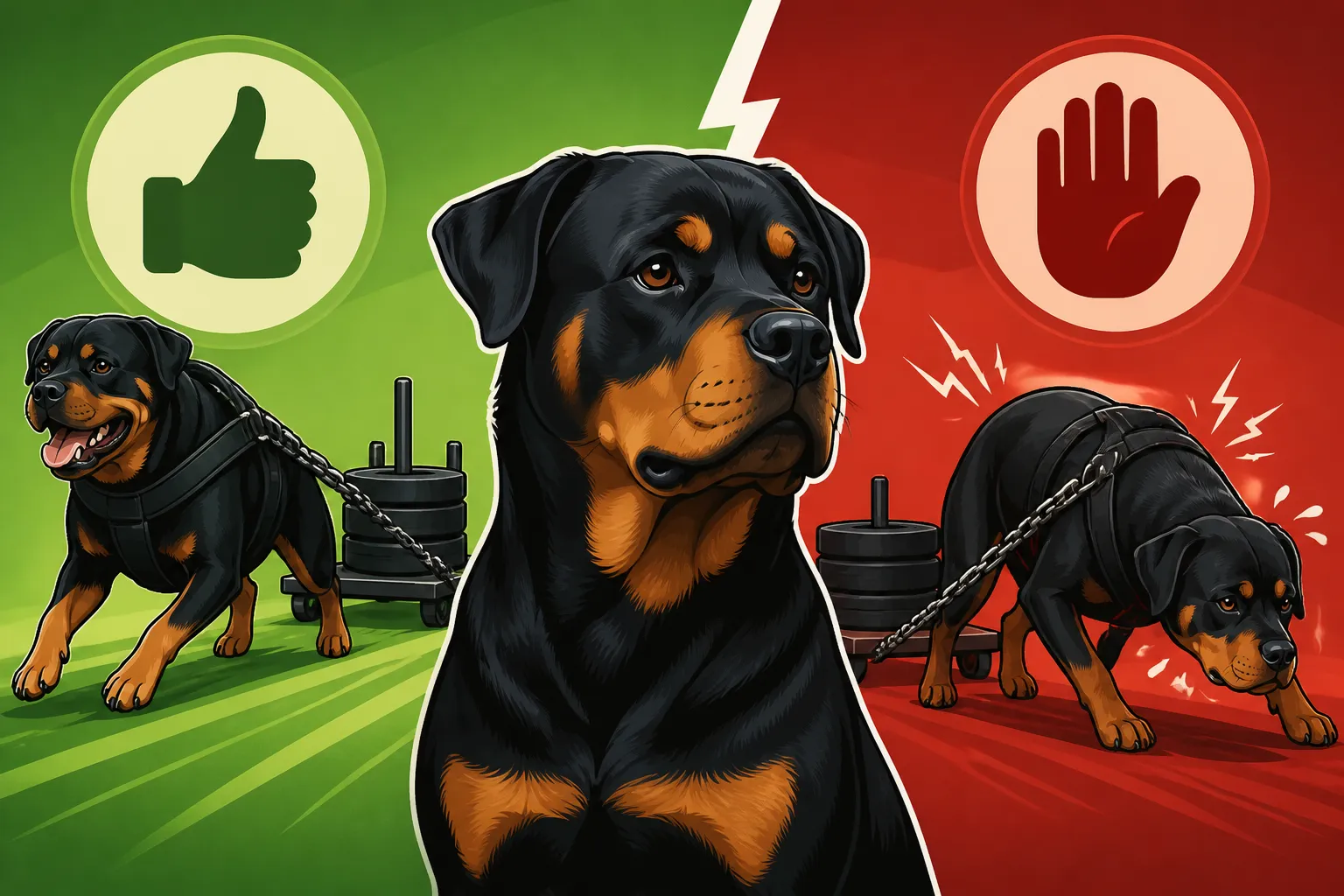
In competitive weight pulling, dogs are fitted with specially designed harnesses that distribute the load evenly across their strongest muscles, preventing injury that could arise from improper rigging. They then pull a weighted cart, often on rails, or a sled over various surfaces like carpet, snow, or dirt, for a predetermined distance, usually around 15-20 feet. The weight is progressively increased in rounds, and the dog that pulls the most weight relative to their body size, or the heaviest absolute weight, wins.
It's not just about raw power; it also requires immense focus and determination. Dogs need to be calm under pressure, listen to their handler, and execute the pull efficiently. Handlers use verbal cues and encouragement, but there's no physical pushing or pulling of the dog. It’s a testament to the bond between dog and handler, and the dog’s desire to perform. This sport has roots in the working history of many breeds, including the Rottweiler's ancestors who once pulled butcher carts and guarded livestock.
Why Owners Are Drawn to Weight Pulling
For many Rottweiler owners, the appeal of weight pulling lies in seeing their dog fulfill a purpose that aligns with their breed's historical function. Rottweilers were bred to be strong, robust working dogs, capable of substantial physical feats. When you see your Rottweiler straining with focus, their muscles rippling as they move a heavy load, it can feel incredibly rewarding. It’s a powerful demonstration of their capabilities.
Beyond the competitive aspect, weight pulling is also seen as an excellent outlet for a Rottweiler's abundant energy and strong drive. These dogs thrive on having a job to do. If their physical and mental needs aren't met, they can develop behavioral issues. A properly introduced and supervised weight-pulling program can provide intense physical exercise and mental stimulation, helping to create a well-adjusted and tired (in a good way!) dog. It can also build muscle mass and promote a robust physique, which is something many owners value. Many believe it helps channel the dog's natural guarding and working instincts into a positive, structured activity, rather than letting them manifest in undesirable ways. A Rottweiler might find immense satisfaction in the dedicated, focused work, similar to how other working breeds thrive in roles like Rottweiler Jobs From Police Work to Therapy Visits.
The Physical Demands on a Rottweiler
While Rottweilers are undeniably strong, the physical demands of weight pulling are significant and should not be underestimated. This isn't just a leisurely walk; it's an intense, explosive effort that puts considerable strain on their entire musculoskeletal system.
The primary stress points are the hips, elbows, spine, and the large muscle groups in the shoulders, back, and hindquarters. The act of bracing and launching forward with a heavy load, especially repeatedly, can lead to micro-traumas or more severe injuries if the dog isn't properly conditioned or if the equipment isn't fitted perfectly. A Rottweiler’s heavy build, while advantageous for strength, can also be a disadvantage in terms of joint impact. It's crucial to remember that a Rottweiler's growth plates close relatively late, often around Rottweiler Growth Plates and Why They Close So Late, meaning their bones are still developing well into their adolescent years. Engaging in high-impact activities like weight pulling before these plates have fully fused can cause irreversible damage, leading to lifelong orthopedic issues. A Growing Rottweiler's Joints and Overexercise is a serious concern for any activity that stresses the still-developing skeleton.
Furthermore, the cardiovascular system is also put under strain, especially during prolonged or highly competitive events. Dogs need to have excellent heart health to withstand such exertion, and any underlying conditions could be exacerbated. The repetitive motion can also lead to soft tissue injuries like sprains, strains, or even ligament tears, particularly in the knees (cruciate ligaments). All of this underscores the absolute necessity of a thorough veterinary examination and a very gradual conditioning program if you're even considering this sport.
The Potential Risks and Rewards for a Rottweiler
Deciding whether weight pulling is right for your Rottweiler involves a careful balancing act between the potential benefits and the inherent risks. It's not a sport for every dog, nor is it suitable without stringent precautions.
Advantages for a Well-Conditioned Rottweiler
When approached correctly, with a focus on safety and gradual progression, weight pulling can offer several advantages for a healthy, mature, and well-conditioned Rottweiler. One of the most noticeable benefits is the development of powerful, lean muscle mass. The specific movements involved in pulling a load engage the hindquarters, back, and shoulder muscles in a way that typical exercise often doesn't, leading to a truly impressive and functional physique. This can enhance overall strength and stability, potentially providing some protective benefits to joints if the muscles are strong enough to support them.
Beyond the physical, the mental stimulation is profound. Weight pulling requires intense focus and discipline. Dogs learn to concentrate on the task at hand, ignore distractions, and respond precisely to their handler's cues. This mental engagement can be incredibly satisfying for a Rottweiler, a breed known for its intelligence and desire to work. It can boost their confidence, reinforce their bond with their owner, and provide a positive outlet for their natural drive, preventing boredom and destructive behaviors. The structure and routine of training can be very beneficial, teaching them patience and impulse control, which can translate to better manners in everyday life. For some dogs, it's the ultimate "job" that keeps them happy and fulfilled.
Significant Health and Injury Risks
Despite the potential benefits, the health and injury risks associated with weight pulling are substantial and cannot be ignored, especially for a large, heavy breed like the Rottweiler. The most pressing concern revolves around joint health. Rottweilers are already prone to orthopedic issues such as hip and elbow dysplasia. The extreme stress placed on these joints during weight pulling can accelerate the development of degenerative joint disease, exacerbate existing mild dysplasia, or lead to acute injuries like torn ligaments or meniscal damage. Even a dog with excellent Rottweiler Hip Dysplasia and the OFA Grade or Rottweiler Elbow Grades and What Grade One Means can suffer.
The spinal column is another area of vulnerability. The immense force exerted during a pull can strain the intervertebral discs, potentially leading to disc herniation, especially in the lumbar region. Soft tissue injuries – muscle strains, tendonitis, and ligament tears – are also common. These can be debilitating and require extensive rest and rehabilitation. Heatstroke is a risk, particularly for black-coated dogs like Rottweilers during warm weather events, as their deep chest and dark fur can make them less efficient at cooling themselves. While the immediate goal might be strength, the cumulative effect of such high-impact stress over a Rottweiler’s Rottweiler Lifespan and the Eight to Ten Year Average can significantly contribute to Senior Rottweiler Mobility Decline and chronic pain later in life. It's a sport that can shorten their comfort years if not managed with extreme caution.
Temperament and Training Considerations
A Rottweiler's temperament plays a crucial role in whether weight pulling is even a viable option, and how it should be approached. These dogs are intelligent, powerful, and possess a strong work ethic, which are all positive traits for a pulling sport. However, their inherent protectiveness and occasional stubbornness mean that early, consistent, and positive reinforcement training is non-negotiable. You need a dog that is highly handler-focused and trustworthy, especially in a competitive environment where there might be other dogs and distractions.
Training for weight pulling must start with basic obedience and impeccable leash manners. The dog must understand and respect commands like "wait," "pull," and "stop" implicitly. Building confidence and drive is also key; a fearful or hesitant dog is more prone to injury and will not enjoy the sport. Moreover, the dog needs to be socially sound and comfortable in novel environments with noise and activity. A Rottweiler that is reactive or anxious would find the competition environment overwhelming and stressful, potentially leading to negative experiences or even aggression. Therefore, the temperament should be calm, confident, and eager to please, coupled with a robust physical condition, before considering this demanding activity.
Responsible Participation and Alternatives
If, after careful consideration of the risks, you still feel weight pulling might be right for your Rottweiler, responsible participation is paramount. This means prioritizing your dog's health and well-being above all else, and knowing when to seek alternatives.
Assessing Your Rottweiler's Readiness
Before even thinking about a weight-pulling harness, a comprehensive veterinary check-up is absolutely essential. This isn't just a routine visit; it should specifically focus on orthopedic soundness, including x-rays of hips and elbows. You want to know that your dog has clear clearances, like those indicated by The Five Clearances a Rottweiler Breeder Must Have, and no hidden issues that could be exacerbated by the sport. Many competitive organizations require veterinary clearance, and for good reason. Your vet can advise on your dog’s overall fitness, cardiovascular health, and susceptibility to certain conditions.
Beyond health clearances, age is a critical factor. A Rottweiler should be fully mature, typically no younger than two years old, to even begin light weight-pulling training. This ensures that their growth plates have completely closed, and their musculoskeletal system has had a chance to fully develop and strengthen. Starting earlier significantly increases the risk of irreversible joint damage. Conditioning should be a long, slow process, building strength and endurance gradually over months, not weeks. This means a solid base of Building Adult Rottweiler Fitness Safely through regular, balanced exercise.
Essential Equipment and Safety Protocols
The right equipment is non-negotiable for safety in weight pulling. A specialized weight-pulling harness is designed to distribute the pulling force across the dog's chest and shoulders, avoiding strain on the neck, throat, and spine. It's crucial to invest in a high-quality, custom-fitted harness. A poorly fitting harness can cause chafing, restrict movement, or concentrate pressure in dangerous areas, leading to injury. Brands known for durable dog gear, available on platforms like Amazon or Chewy, often carry options, but seeking out a custom fit from a specialized supplier is highly recommended.
Safety protocols also include training on appropriate surfaces. Starting on carpet or snow is much kinder to joints than asphalt or concrete. Proper warm-ups and cool-downs before and after each session are vital, just as they would be for a human athlete. Always monitor your Rottweiler closely for any signs of discomfort, lameness, or fatigue. If your dog shows any reluctance or pain, stop immediately and consult your veterinarian. Hydration is also key; always have fresh water available, especially during training or competitions, to prevent overheating. And remember, the goal should always be a happy, healthy dog, not just the heaviest pull.
Alternatives for Channeling Drive and Building Muscle
If weight pulling feels too risky, or simply isn't a good fit for your Rottweiler, there are many other fantastic activities that can channel their drive, build muscle, and strengthen your bond without the same extreme joint impact.
- Canicross or Bikejoring: These sports involve your dog pulling you while you run (canicross) or bike (bikejoring). The weight pulled is significantly less, primarily your body weight plus the bike, and it’s a more continuous, aerobic effort rather than explosive. This provides excellent cardiovascular exercise and muscle engagement.
- Drafting/Carting: Similar to weight pulling in concept but with much lighter loads, drafting (or carting) involves a dog pulling a small cart, often carrying supplies, groceries, or even children. It's a wonderful way to honor the Rottweiler's historical role without the intensity of competitive weight pulling. It focuses on controlled movement, teamwork, and practicality.
- Obedience and Rally: These sports are fantastic for mental stimulation and reinforcing the handler-dog bond. They require focus, precision, and sustained attention, which can be just as tiring for a Rottweiler as physical exercise.
- Tracking and Scent Work: Rottweilers have excellent noses and love to use them. Tracking, nose work, or scent detection sports are incredibly engaging mentally and can build confidence. These are low-impact activities that can be done at any age.
- Agility (with caution): While agility is dynamic, it can be adapted for larger, heavier breeds with careful course design to minimize high jumps and sharp turns. Focus on technique and accuracy rather than speed, and ensure excellent joint health.
- Swimming: An incredible low-impact exercise that builds muscle and cardiovascular fitness without stressing joints. Many Rottweilers enjoy swimming, and it's a great option, especially for older dogs or those needing rehabilitation.
- Advanced Hiking/Backpacking: Carrying a properly fitted dog pack with light weight (never exceeding a small percentage of their body weight) on challenging hikes can build endurance and strength. Always ensure the pack fits well and the load is balanced.
Remember that providing varied exercise and mental enrichment is key to a well-rounded and happy Rottweiler. What you feed them also plays a critical role in supporting their active lifestyle; subscription services like Ollie or high-quality kibble from Chewy can provide balanced nutrition tailored to their needs.
The Long-Term Impact on a Rottweiler's Body
The choices we make about our Rottweiler's activities, especially physically demanding ones, have a ripple effect across their entire lifespan. Understanding these long-term implications is crucial for responsible ownership.
Joint Health Over a Lifespan
For a large, powerful breed like the Rottweiler, joint health is a lifelong consideration. Every impact, every strain, every repetitive motion, accumulates. Engaging in high-impact sports like weight pulling, even with perfect form and conditioning, introduces additional stress to their joints. This can accelerate the natural wear and tear process, potentially leading to or worsening conditions like arthritis, hip dysplasia, and elbow dysplasia earlier in their lives. Managing Arthritis in an Older Rottweiler becomes a much more complex challenge if their joints have been subject to excessive stress throughout their younger years.
The goal for any Rottweiler owner should be to preserve their dog's mobility and comfort for as long as possible. This means carefully evaluating activities that could compromise joint integrity. While a Rottweiler might appear indestructible in their prime, the consequences of joint strain often manifest years later, leading to chronic pain, lameness, and a reduced quality of life in their senior years. Proactive joint care, including appropriate exercise, maintaining a lean body weight (to avoid Rottweiler Obesity and the Load It Adds), and sometimes supplements, becomes even more critical if they participate in demanding sports.
The Importance of Post-Exercise Recovery
Just like human athletes, Rottweilers involved in strenuous activities need proper post-exercise recovery to prevent injury and promote muscle repair. This isn't just about letting them crash on the couch. Adequate recovery involves several key components:
- Cool-down: After any intense session, a gradual cool-down walk allows their heart rate to normalize, and muscles to gently stretch, reducing stiffness and lactic acid buildup.
- Hydration: Immediate access to fresh water is paramount to replenish fluids lost during exertion.
- Nutrition: Replenishing energy stores and supporting muscle repair requires a high-quality diet. Consider the Daily Calories for a Hundred Twenty Pound Rottweiler and ensure their food provides the necessary protein and nutrients for recovery. Sometimes, a vet-approved joint supplement, started well before two years old, might also be considered to proactively support cartilage health.
- Rest: Dedicated rest periods are non-negotiable. Overtraining can lead to burnout, injury, and a decreased enjoyment of the activity. Their bodies need time to repair and rebuild.
- Comfortable Bedding: A supportive, orthopedic bed, easily found on sites like Amazon, is essential to protect joints and provide restful sleep for a heavy dog.
Ignoring these recovery principles is a recipe for injury and chronic discomfort. A dog that is constantly sore or fatigued will not only perform poorly but will also eventually stop enjoying the activity altogether.
Veterinary Oversight and Preventive Care
Regardless of whether your Rottweiler participates in weight pulling, consistent veterinary oversight is a cornerstone of responsible ownership. However, for a dog engaging in a high-impact sport, it becomes even more critical. Regular check-ups, ideally twice a year, allow your veterinarian to monitor their musculoskeletal health, identify any subtle signs of strain or injury early, and manage any emerging issues proactively.
This might include more frequent orthopedic examinations, blood work to check for inflammatory markers, or even periodic imaging (x-rays) if concerns arise. Your vet can also guide you on appropriate preventive care, such as joint supplements (glucosamine, chondroitin, MSM, fish oil) or pain management strategies if needed. They can also advise on maintaining a healthy weight, which is arguably the single most impactful factor in preserving joint health for a large breed. Being proactive, listening to your vet's advice, and being vigilant for any changes in your Rottweiler's gait, willingness to exercise, or general demeanor will go a long way in ensuring they can enjoy a long, comfortable, and active life, regardless of their athletic pursuits.
Pros and Cons of Weight Pulling for Rottweilers
To help you weigh the decision, here's a summary of the potential advantages and disadvantages of involving your Rottweiler in weight pulling:
| Aspect | Potential Pros | Potential Cons |
|---|---|---|
| Physical | Builds impressive muscle mass and strength | High risk of joint injury (hips, elbows, spine) |
| Enhances cardiovascular fitness (if done safely) | Accelerates onset of arthritis/degenerative joint disease | |
| Provides an intense physical outlet | Risk of soft tissue injuries (strains, tears) | |
| Mental | Excellent mental stimulation and focus | Can lead to stress if dog is not suited |
| Channels natural working drive and energy | Potential for burnout or loss of interest | |
| Boosts confidence and handler bond | ||
| Longevity | Improves functional strength in prime years | May shorten years of comfortable mobility |
| Can provide a 'job' that satisfies the dog | Increases need for extensive vet care and potential surgeries | |
| Commitment | Requires dedicated training and conditioning | Demands significant time, effort, and financial investment |
| Strengthens bond with handler | Requires specialized, correctly fitted equipment | |
| Suitability | Ideal for dogs with specific temperament & health | Not suitable for immature or unhealthy dogs |
Disclaimer
This article is for general informational purposes only and does not constitute professional advice. Laws, prices and regulations vary by location and change over time. Consult a qualified professional for guidance on your specific situation.