Rottweiler Winter Care and Cold Weather
Many Rottweiler owners find themselves surprised when their robust-looking dog shivers in the cold, or seems reluctant to go out when temperatures drop. Despite their imposing build and short, dense coat, Rottweilers are not built for extreme cold and need careful attention during winter months. This guide will walk you through understanding your Rottweiler's cold weather needs, identifying risks, and implementing practical care strategies to keep them safe and comfortable when the mercury plummets.
Understanding Your Rottweiler's Natural Cold Tolerance
It's easy to look at a powerful, muscular Rottweiler and assume they're immune to the cold, like some of the longer-coated northern breeds. But that assumption can actually put your beloved companion at risk. Rottweilers have a specific coat type and physiological makeup that dictates how well they handle low temperatures, and it’s often less than owners expect.
The Rottweiler's Single Coat Explained
Unlike double-coated breeds such as Siberian Huskies or German Shepherds, which possess a thick, insulating undercoat to trap warmth, Rottweilers typically have a single, short, dense coat. This coat is fantastic for shedding rain and offering some protection against milder chills, but it simply doesn't provide the thermal insulation needed for prolonged exposure to freezing temperatures or harsh winter conditions. Think of it like wearing a single thick sweater versus a full winter parka – there's a significant difference in warmth.
When the wind whips through or snow starts to fall, that sleek Rottweiler coat doesn't stand a chance against truly bitter cold. Their skin is relatively close to the surface, and without that fuzzy underlayer, they lose body heat much more quickly. This is why you might see your Rottie shivering even when you feel it's just a little nippy outside. They aren't being dramatic; they're genuinely feeling the cold.
Factors Affecting Cold Sensitivity
Several individual factors can impact how well your specific Rottweiler tolerates cold weather. Puppies, for instance, have less body fat and a less developed thermoregulation system, making them far more susceptible to cold. An older Rottweiler, too, might struggle more as their metabolism slows, and they may have underlying health conditions like arthritis that are exacerbated by cold, damp weather. Senior Rottweiler Mobility Decline often means they move less, generating less body heat.
Body condition also plays a crucial role. A lean, healthy Rottweiler might get colder faster than one carrying a little extra weight, though Rottweiler Obesity and the Load It Adds comes with its own serious health risks, so it’s not an excuse for overfeeding. Their overall health is also a big factor. A Rottweiler with a compromised immune system, heart condition, or other chronic illness will have a harder time maintaining body temperature and fending off cold-related illnesses. Always consult with your vet if you have concerns about your dog's specific cold tolerance based on their age or health status.
Assessing the Risks of Cold Weather for Rottweilers
Just like humans, dogs can suffer from various cold-related ailments, and given a Rottweiler's particular build and coat, they are prone to certain issues if not properly cared for. Understanding these risks is the first step in prevention.
Hypothermia and Frostbite
Hypothermia occurs when a dog's body temperature drops dangerously low, usually from prolonged exposure to cold. Early signs include shivering, lethargy, weakness, and a general lack of coordination. As it progresses, their gums may appear pale or blue, their breathing and heart rate can slow, and they may become unresponsive. This is a medical emergency that requires immediate veterinary attention.
Frostbite, on the other hand, is the freezing of body tissues, most commonly affecting extremities like paw pads, ear tips, and the tail. These areas have less fur and are further from the main body, making them more vulnerable. Initial signs can be hard to spot, but later you might see discolored skin (pale, blue-gray, or reddish), coldness to the touch, pain when touched, or even blisters. In severe cases, the tissue will turn black and fall off. While frostbite can sometimes be subtle at first, it's incredibly painful and can lead to permanent damage or even necessitate amputation. If you suspect frostbite, warm the area gently with lukewarm (not hot!) water, and get to the vet immediately.
Joint Pain and Arthritis Exacerbation
Cold weather can be particularly cruel to a Rottweiler with underlying joint issues. Many Rottweilers are predisposed to conditions like hip and elbow dysplasia, and while these conditions may be managed well in warmer months, the cold and damp can significantly worsen pain and stiffness. It's a common frustration for owners to see their normally active dog become reluctant to move, struggle to get up, or limp noticeably when the temperatures drop. This isn't just discomfort; it's genuine pain.
The cold causes muscles and ligaments to stiffen, reducing circulation and increasing inflammation in already compromised joints. Even a dog without a formal diagnosis of arthritis might experience generalized aches and pains in cold weather, simply due to their large size and the stress on their joints over time. This means that exercise, while still important, needs to be managed carefully, and warmth becomes a critical component of pain management. Talk to your vet about potential supplements or pain management strategies for your Rottweiler during the colder months, especially if they show signs of Managing Arthritis in an Older Rottweiler.
Practical Strategies for Keeping Your Rottweiler Warm Outdoors
When winter arrives, our instinct might be to just let our Rottweilers "tough it out" for quick potty breaks. But with their limited cold tolerance, a proactive approach to outdoor care is essential. It's about balancing their need for fresh air and exercise with protecting them from the elements.
Appropriate Winter Gear
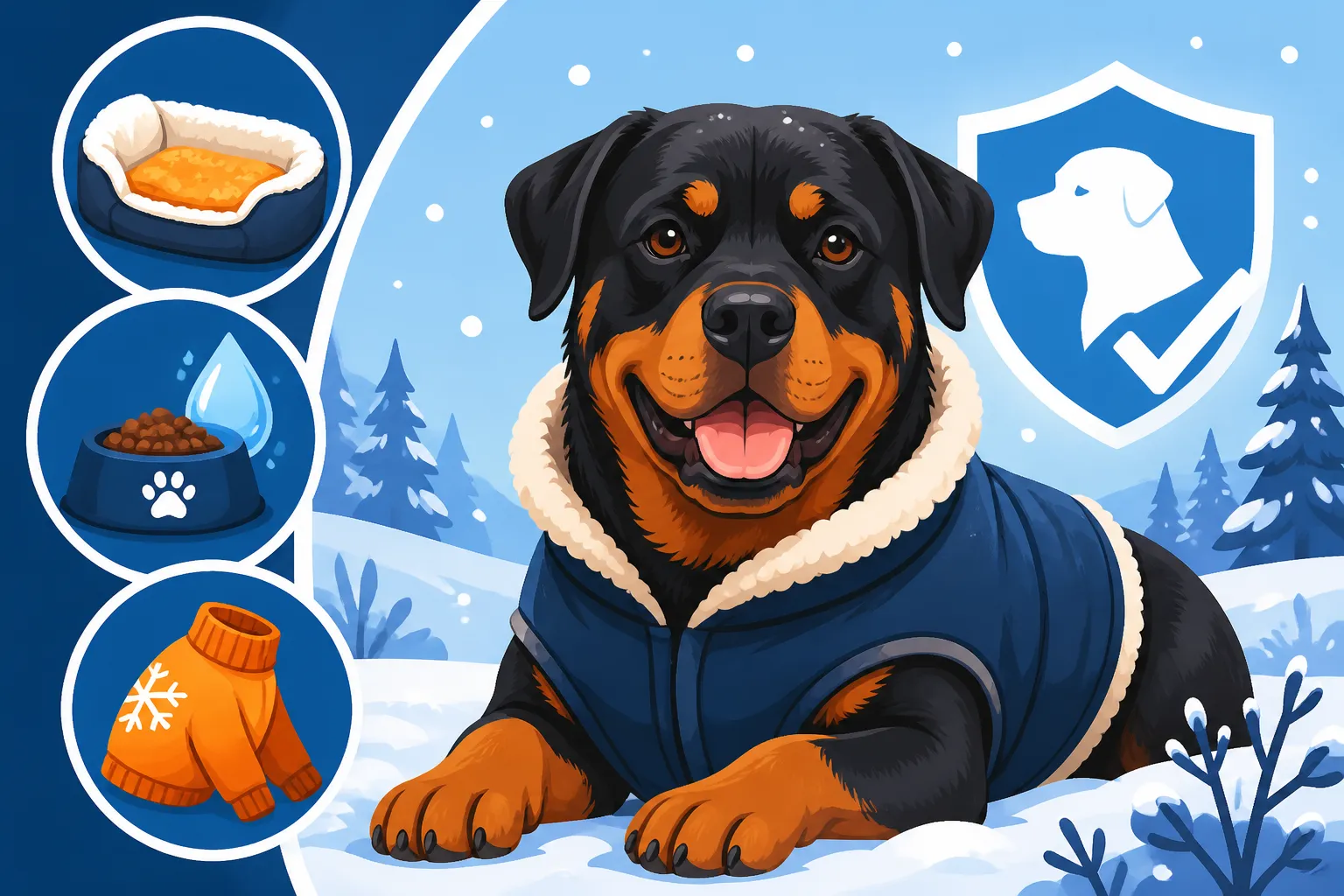
Investing in the right winter gear can make a huge difference in your Rottweiler's comfort and safety. A good quality, waterproof dog coat or jacket is not a luxury; it's a necessity for many Rottweilers in cold climates. Look for options that cover their chest and belly, as these areas are particularly vulnerable to cold. Brands available through retailers like Chewy often offer a range of sizes and styles designed for larger breeds, ensuring a good fit that doesn't restrict movement. The coat should be easy to put on and take off, and secure enough not to slip.
Paw protection is equally vital. Snow, ice, and especially de-icing salts can be incredibly harsh on a Rottweiler's paw pads, leading to cracks, irritation, and even chemical burns. Dog boots can protect against these hazards, though it might take some patience to get your Rottie used to wearing them. Alternatively, a paw balm applied before and after walks can create a protective barrier. Make sure to thoroughly wipe your dog's paws after every outdoor excursion to remove any salt or chemicals. You'll find a wide variety of these products on Amazon.
Shortening Outdoor Time and Adjusting Exercise
During cold snaps, the duration of your Rottweiler's outdoor excursions needs to be significantly reduced. A quick potty break is fine, but long walks, especially in sub-freezing temperatures or during snow, should be cut short. Pay close attention to your dog's cues: shivering, lifting paws, or trying to turn back are all signs they're getting too cold.
Exercise is still important, but it might need to shift indoors or to warmer parts of the day. Instead of one long outdoor walk, consider several shorter, brisk walks when the sun is out, or opting for indoor play sessions. Puzzle toys, training games, or even indoor fetch can help your Rottweiler burn off energy and stay mentally stimulated without risking overexposure to the cold. Remember, A Growing Rottweiler's Joints and Overexercise can be a concern even in mild weather, so always be mindful of strenuous activity, especially on cold, hard ground.
Protecting Paws from Ice and Salt
Beyond just the cold, ice and road salt pose specific threats to your Rottweiler's paws. Ice can accumulate between paw pads, causing discomfort and potentially leading to small cuts or abrasions. Road salt and other de-icing chemicals are not only irritating but can also be toxic if ingested, which often happens when dogs lick their paws after a walk.
Using paw protection like boots is ideal. If boots aren't an option, a good paw wax or balm can provide a protective layer and moisturize pads to prevent cracking. After every walk, thoroughly clean your Rottweiler's paws with warm water and a towel. Check carefully between their pads for ice balls, salt crystals, or any signs of irritation. Keep their paw fur trimmed short, especially between the pads, to prevent ice and debris from clinging. This simple routine can prevent a lot of discomfort and potential vet visits. Rottweiler Paw Protection on Hot Pavement also applies to protecting paws in cold extremes, just with different hazards.
| Hazard Type | Description | Prevention Strategy |
|---|---|---|
| Extreme Cold | Air temperatures below freezing, wind chill. | Insulated Coat/Jacket: Choose a waterproof, well-fitting coat that covers the chest and belly. |
| Ice & Snow | Slippery surfaces, ice balls forming between paw pads. | Dog Boots: Provides grip and prevents ice accumulation. Paw Balm/Wax: Protects pads if boots aren't used. Trim Paw Fur: Prevents ice buildup between pads. |
| Road Salt/Chemicals | De-icing agents cause irritation, burns, and can be toxic if ingested. | Dog Boots: Best barrier. Thorough Paw Cleaning: Wash paws with warm water after walks. Avoid Salted Areas: Stick to un-treated paths if possible. |
| Reduced Visibility | Shorter daylight hours, snow accumulation obscuring pathways. | Reflective Gear: Use reflective collars, leashes, or vests for walks in low light. Flashlight: Carry a flashlight on night walks. |
| Falling Hazards | Slippery sidewalks, unseen ice patches. | Leash Control: Keep your Rottweiler on a secure leash. Walk Slowly: Allow for careful footing. Avoid Steep/Uneven Terrain: Stick to flat, familiar paths. |
Indoor Winter Care for Your Rottweiler
While outdoor precautions are critical, don't underestimate the importance of creating a warm and safe indoor environment for your Rottweiler during winter. Their indoor comfort is just as important for their overall well-being.
Providing Warm, Comfortable Resting Spots
After a cold outing, your Rottweiler needs a warm, cozy place to relax and recover. Hard floors, even indoors, can quickly sap their body heat. Invest in a thick, orthopedic dog bed, ideally one with raised sides to help them burrow and retain warmth. A bed made from insulating materials or even one with a self-warming feature can be a godsend. Many options can be found on Chewy or Amazon, designed to handle the weight and size of a Rottweiler.
Consider placing their bed away from drafts, such as near windows or exterior doors. If your home tends to be chilly, an extra blanket or two for them to nest in will be much appreciated. For older dogs or those with arthritis, warmth is not just about comfort; it's about minimizing pain and stiffness. A soft, warm bed can significantly help alleviate aches and encourage them to rest without discomfort.
Managing Indoor Humidity and Skin Dryness
The dry air of heated indoor spaces can wreak havoc on your Rottweiler's skin and coat during winter. Just like our skin gets dry and itchy, so can theirs. This can lead to flakiness, increased shedding, and even skin irritation. A whole-house humidifier or even a small room humidifier in their main living area can add much-needed moisture back into the air, benefiting both you and your dog.
Regular grooming is also key. While Rottweilers have short coats, consistent brushing helps distribute their natural oils, keeping their skin and coat healthier and less prone to dryness. Be on the lookout for signs of dry skin or excessive scratching, which could indicate a need for more moisture or even an underlying issue like Rottweiler Allergies and Recurring Skin Infections. Your vet might recommend a moisturizing shampoo or a fatty acid supplement to support skin health from the inside out.
Keeping Them Mentally Stimulated Indoors
With shorter, colder days, your Rottweiler might not get as much outdoor exercise as usual. This can lead to pent-up energy, boredom, and potentially destructive behaviors. Mental stimulation becomes incredibly important to keep them happy and engaged. Interactive puzzle toys, like those often found on Amazon or Chewy, can challenge their minds and keep them occupied, especially if they are food-motivated.
Dedicate time each day for indoor training sessions, reinforcing basic commands or teaching new tricks. Even 10-15 minutes of focused mental work can tire a Rottweiler almost as much as a physical walk. Nose work games, where you hide treats and encourage them to find them, are fantastic for engaging their natural instincts. Rotate toys regularly to keep things interesting and prevent boredom. A mentally stimulated Rottweiler is a much happier Rottweiler, regardless of the weather outside.
Nutrition and Hydration in Colder Months
Winter often changes a Rottweiler's routine, impacting their energy expenditure and, consequently, their nutritional needs. It's important to adjust their diet and ensure they stay well-hydrated, especially when facing colder temperatures.
Adjusting Calorie Intake for Activity Levels
For Rottweilers who maintain their activity level even in winter, their bodies may burn more calories simply to stay warm. In such cases, a slight increase in their daily food intake might be necessary to provide the extra energy. However, if your Rottweiler becomes less active during winter due to shorter walks and more indoor time, their caloric needs will actually decrease. Overfeeding a less active dog can quickly lead to weight gain, which puts unnecessary strain on their joints and overall health. How Rottweiler Weight Multiplies the Load on Its Hips is a year-round concern, but especially when exercise tapers off.
Monitor your Rottweiler's body condition regularly. You should be able to easily feel their ribs without seeing them, and they should have a discernible waist when viewed from above. If you're considering a diet change, even a small one, consult your veterinarian. They can help you determine the appropriate adjustments based on your dog's age, activity level, and health status. Brands like Ollie, which offers fresh, pre-portioned meals, can sometimes be easier to adjust slightly under vet guidance, ensuring your dog still gets complete and balanced nutrition.
Ensuring Adequate Hydration
It's a common misconception that dogs drink less water in winter. In reality, the dry indoor air from heating systems can increase fluid loss through respiration, making proper hydration just as critical as in warmer months. Dehydration can lead to a host of health problems, from digestive issues to kidney strain.
Always ensure your Rottweiler has access to fresh, clean water. If your dog spends any time outdoors, consider using heated water bowls to prevent the water from freezing. These are readily available on Amazon or Chewy and can be a lifesaver in cold garages or outdoor kennels. Some dogs might be encouraged to drink more if you add a splash of low-sodium chicken broth to their water or offer wet food, which has a higher moisture content. Just remember to account for any additional calories.
Special Dietary Considerations
For older Rottweilers or those with joint issues, winter is an excellent time to double-check their diet for joint-supporting nutrients. Many quality large-breed formulas already include glucosamine and chondroitin, but your vet might recommend additional supplements to help manage arthritis pain and improve mobility. Joint supplements started early in a Rottweiler can be beneficial long before senior years.
Also, be mindful of what your Rottweiler might get into. While What a Rottweiler Should Never Be Fed is a year-round rule, holiday seasons often bring temptations like chocolate, artificial sweeteners, and rich human foods, all of which can be toxic or cause severe digestive upset. Keep these items securely out of reach.
When to Seek Veterinary Attention for Cold-Related Issues
Being proactive about winter care means knowing when a situation goes beyond simple discomfort and requires professional veterinary intervention. Your Rottweiler relies on you to recognize these critical moments.
Recognizing Signs of Hypothermia or Frostbite
As mentioned earlier, hypothermia and frostbite are serious emergencies. If your Rottweiler exhibits severe shivering, extreme lethargy, appears disoriented, or collapses after cold exposure, these are red flags for hypothermia. Their body temperature might feel extremely low to the touch, and their gums could be pale or bluish. Don't try to rapidly warm them with hot water or heating pads, as this can cause further damage. Instead, wrap them in warm blankets and get them to an emergency vet immediately.
For frostbite, look for skin that is cold, pale, waxy, or discolored (white, gray, or blue) on their ears, tail, or paw pads. Blisters may form, and in severe cases, the affected area will turn black. Again, gentle warming is appropriate on the way to the vet, but professional assessment is crucial to prevent further tissue damage and manage pain. Even if you only suspect these conditions, it's always best to err on the side of caution and consult your vet.
Persistent Limping or Mobility Issues
If your Rottweiler starts to limp persistently, struggles to get up or lie down, or seems unusually stiff, especially in cold weather, it's a clear signal that something is amiss. While some stiffness can be normal with age or temporary cold, prolonged or worsening symptoms warrant a vet visit. This could indicate worsening arthritis, an injury, or even a more serious underlying condition. Rottweiler Hip Dysplasia Symptoms Before Age Two and Rottweiler Elbow Dysplasia and Front Leg Lameness are conditions that can be significantly aggravated by cold.
Your vet can assess the extent of the joint pain, rule out other issues, and discuss pain management options, anti-inflammatory medications, or joint supplements that might alleviate their discomfort through the winter. Never assume your dog is "just getting old" and can't be helped; many interventions can improve their quality of life.
Unusual Coughing or Respiratory Symptoms
Cold weather, combined with dry indoor air, can irritate your Rottweiler's respiratory system. While a dry cough might sometimes just be from dry air, persistent coughing, wheezing, sneezing, or any difficulty breathing should be taken seriously. These symptoms could indicate anything from a mild respiratory infection to more severe conditions like bronchitis or even pneumonia, especially in older or immunocompromised dogs.
A visit to the vet will help pinpoint the cause. Early diagnosis and treatment are essential for respiratory issues, as they can escalate quickly in large breeds. Your vet can determine if it's allergies, a viral infection, or something more serious, and prescribe the appropriate course of action. Keep an eye out for changes in energy levels or appetite accompanying respiratory signs, as these can indicate a more systemic illness.
Disclaimer
This article is for general informational purposes only and does not constitute professional advice. Laws, prices and regulations vary by location and change over time. Consult a qualified professional for guidance on your specific situation.