Why Rottweiler Reputation and Reality Diverge
It's heartbreaking, isn't it, how often the magnificent Rottweiler is misunderstood? For anyone who has ever shared their home and heart with one of these incredible dogs, the immediate image conjured by the media or casual acquaintances – often that of an aggressive, dangerous animal – feels like a cruel distortion of reality. This isn't just a slight; it's a pervasive myth that affects everything from insurance rates to how people react when you walk your beloved companion down the street. We're going to dive deep into why this unfortunate gap exists between the Rottweiler's true nature and its often-maligned public image, and hopefully, shed some light on the reality.
The Historical Roots: What the Rottweiler Was Actually Bred For
To truly understand the Rottweiler, we have to travel back in time, far before modern headlines and stereotypes took root. This isn't a breed that popped up out of nowhere; it has a rich, purposeful history that defines its core traits, traits that are often twisted into misconceptions today.
From Roman Drover to German Butcher's Dog
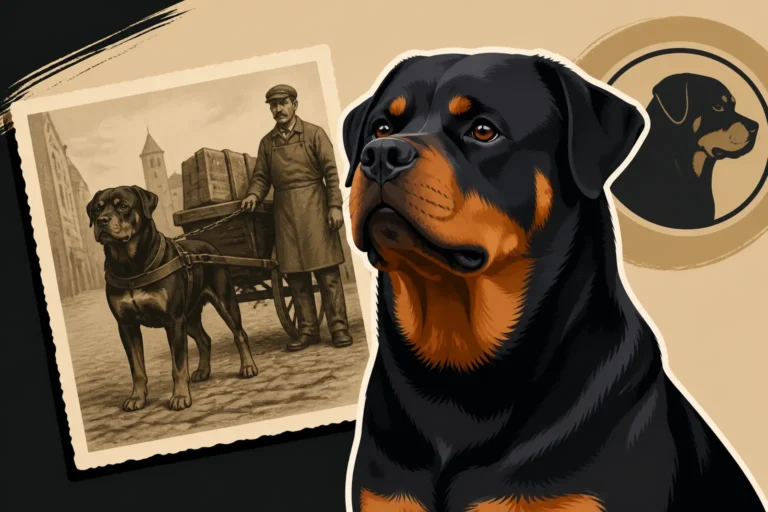
Imagine Roman legions marching across Europe, their armies supplied by vast herds of cattle. These herds didn't just move themselves; they were driven by powerful, intelligent dogs, the ancestors of our modern Rottweilers. These were dogs bred for strength, endurance, and an innate ability to manage large, stubborn livestock. They needed to be assertive enough to move cattle, but also discerning enough not to harm them unnecessarily. This is the bedrock of the Rottweiler's working drive and presence.
Fast forward centuries, and these dogs found their true calling in the German town of Rottweil, hence their name. Here, they became known as "Metzgerhunds," or "Butcher's Dogs." Their job was multifaceted and crucial to the livelihoods of the butchers they served. They drove cattle to market, protected the butcher's hard-earned money by carrying it in secure pouches around their necks, and guarded their property and families. This required a dog with an unwavering sense of loyalty, formidable protective instincts, and a calm, confident demeanor. They weren't bred to be indiscriminate attackers; they were bred to be reliable, responsible guardians. Their physical prowess was a tool for their work, not an instrument of unprovoked aggression. The historical account of their duties makes it clear: these were valued working partners, not mindless brutes. What Rottweil Made the Metzgerhund Do gives you a glimpse into their demanding daily life.
Loyalty, Intelligence, and a Protective Instinct
The traits that made a successful Metzgerhund are precisely what define the well-bred Rottweiler today: immense loyalty to their family, a sharp intelligence that craves purpose, and a strong, inherent protective instinct. They are deeply bonded dogs, thriving on close companionship and often described as "velcro dogs" by those who know them well. This intense bond translates into a natural desire to keep their loved ones safe.
Their protective nature isn't about aggression; it's about observation and discernment. A Rottweiler will typically assess a new situation or stranger with a quiet, watchful calm. They don't rush into friendships; they evaluate. This "wait-and-see" approach, often observed as Rottweiler Aloofness and Why It Reads as Cold, is a hallmark of the breed's self-assured temperament. They are not prone to nervous yappiness or frantic displays. Instead, they project a quiet confidence, always aware of their surroundings and their family's safety. This calm, steady presence is a far cry from the image of an out-of-control, unpredictable beast.
The Perception Problem: How Media and Misunderstanding Skewed the Narrative
Despite their noble history and intrinsic qualities, Rottweilers often find themselves at the center of a storm of negative perception. This isn't accidental; it's a product of several factors that have unfortunately painted a distorted picture for the general public.
Sensationalism and the "Dangerous Dog" Label
The media, both news and entertainment, has played a significant role in shaping the Rottweiler's notorious reputation. A story about a dog bite, especially involving a large, powerful breed, often sells more papers or garners more clicks than a story about a family's loyal, well-behaved pet. When incidents occur, the breed is often sensationalized, frequently accompanied by fear-mongering language and images that reinforce negative stereotypes. These isolated incidents, tragic as they may be, are often portrayed as representative of the entire breed, rather than as specific outcomes of individual circumstances, neglect, or irresponsible ownership.
This constant bombardment of negative portrayal creates a public consciousness where the Rottweiler is automatically associated with danger. It makes it harder for responsible owners to be seen simply as dog lovers, as they often face immediate judgment and apprehension from others. This fear can lead to real-world consequences, like increased scrutiny or even avoidance in public spaces. The very presence of a Rottweiler, regardless of its actual behavior, can trigger ingrained fears, making the "reputation" a tangible burden for the dogs and their families.
The Impact of Irresponsible Breeding and Lack of Training
While media sensationalism is a huge factor, it's also crucial to acknowledge the role of irresponsible breeding practices and a lack of proper training. When a breed becomes popular, some unscrupulous individuals, often called "backyard breeders," prioritize profit over health and temperament. They breed dogs without regard for health clearances or stable temperaments, often resulting in puppies with genetic predispositions to anxiety, fear, or aggression. These dogs, if not properly socialized and trained, can indeed present behavioral challenges.
A Rottweiler is a powerful dog, physically and mentally. This means that consistent, firm, and positive training is absolutely non-negotiable from the moment they enter your home. Training a Rottweiler Before It Outweighs You isn't just a suggestion, it's a critical safety measure. A well-bred Rottweiler from responsible parents still needs careful Socializing a Rottweiler Puppy Properly and ongoing training throughout its life. Without this foundation, any large, powerful breed can become difficult to manage, and a Rottweiler's sheer size and strength can amplify the consequences of poor training. Unfortunately, when these poorly managed dogs exhibit undesirable behavior, the entire breed bears the brunt of the blame, further entrenching the negative stereotypes.
The Heart of the Rottweiler: Understanding Their True Temperament
If you ask any dedicated Rottweiler owner, they'll paint a picture that often directly contradicts the prevailing public narrative. The reality of living with a well-bred, well-trained Rottweiler is one of profound joy, companionship, and a deep appreciation for their unique qualities.
Calm, Confident, and Devoted Family Members
The true Rottweiler is typically described as calm, confident, and utterly devoted to their family. They thrive on being part of the household, often following their people from room to room. Their protective instinct manifests as a watchful gaze and a readiness to act if a genuine threat arises, but not as unprovoked aggression. They are "gentle giants" with their families, often surprisingly patient with children they've been raised with, understanding their role as guardians. Rottweilers With Children in the Home can be a beautiful thing, provided the necessary precautions and training are in place from the start.
They possess a playful side, often displaying a goofy sense of humor, especially with those they trust implicitly. You'll see them leaning their heavy bodies against you for comfort, a classic Rottweiler trait that speaks volumes about their desire for closeness. They are intelligent and eager to please, making them highly trainable for those willing to put in the time and effort. This combination of loyalty, intelligence, and a stable temperament is what makes them such exceptional companions for experienced owners.
The "Wait-and-See" Mentality: Not Aggression, But Assessment
One of the most frequently misunderstood aspects of Rottweiler temperament is their characteristic "wait-and-see" attitude towards strangers or new situations. Unlike some breeds that might greet everyone with exuberant tail wags, a Rottweiler tends to observe quietly, processing information before deciding how to react. This isn't aloofness born of disinterest or aggression; it's a careful assessment, a deep-seated part of their guarding nature. Why a Rottweiler Does Not Make Friends Quickly is often because they are performing a threat assessment, not because they are inherently unfriendly.
When a Rottweiler appears still and calm, it might be Reading a Calm Rottweiler That Is Actually Alert, taking in every detail. They are discerning, choosing to bestow their affection and trust selectively. Once you've earned that trust, however, it's unwavering. This discerning nature is actually a positive trait for a guardian breed, allowing them to differentiate between a friend and a genuine threat. It's a testament to their self-assured confidence rather than any insecurity or aggression.
| Trait | Public Perception (Myth) | Reality (Well-Bred/Trained) |
|---|---|---|
| Temperament | Aggressive, vicious, unpredictable | Calm, confident, self-assured, discerning |
| Interaction with Strangers | Immediately hostile | Reserved, watchful, "wait-and-see" |
| Loyalty | Only to one master, detached | Profoundly loyal, devoted to entire family |
| Intelligence | Stubborn, difficult to train | Highly intelligent, eager to please, trainable |
| Protective Instinct | Uncontrolled aggression | Discriminatory guardian, watchful defender |
| Suitability for Families | Dangerous around children | Patient, tolerant with their children if socialized |
| Playfulness | Solemn, humorless | Playful, goofy, enjoys interaction with family |
Moving Forward: Rebuilding the Rottweiler's Image Through Responsible Ownership
The chasm between the Rottweiler's true self and its public image is wide, but it's not insurmountable. Responsible owners have the power to chip away at these misconceptions, one positive interaction at a time. It requires dedication, education, and a commitment to showcasing the breed's best qualities.
The Power of Education and Advocacy
One of the most powerful tools we have is education. As Rottweiler owners, we are ambassadors for the breed. This means being prepared to politely and calmly address misconceptions when they arise. It means sharing stories and images of well-behaved, well-adjusted Rottweilers participating in everyday life – at the park, with children, performing therapy work, or simply enjoying a quiet moment at home. Highlight their intelligence and versatility; many excel in obedience, tracking, agility, and even as service dogs.
Supporting responsible breeders who prioritize health, temperament, and adherence to The Temperament Clause in the Rottweiler Standard is crucial. These breeders screen their dogs for genetic health issues and ensure their puppies are well-socialized from birth. By choosing a puppy from such a background, you are setting yourself and your future companion up for success and contributing to the positive reputation of the breed. Furthermore, educating new owners about the specific needs of the breed, from Rottweiler Puppy Training Through the First Year to lifelong socialization, helps ensure more well-adjusted dogs enter the world.
Mitigating Risk and Challenging Legislation
Breed-specific legislation (BSL), which targets breeds like the Rottweiler based on appearance rather than individual behavior, is a direct result of the divergent reputation. Many cities and counties have enacted bans or severe restrictions, penalizing responsible owners and often leading to healthy, well-behaved dogs being unfairly seized or euthanized. Why Breed-Specific Laws Keep Naming the Rottweiler is a constant source of frustration for owners.
Responsible ownership means being proactive in mitigating potential risks. This includes providing appropriate training, socialization, secure containment, and always supervising your dog, especially around children or unfamiliar people. It also means advocating against BSL by contacting local legislators, sharing factual information about canine behavior, and highlighting the ineffectiveness of such laws in improving public safety. Demonstrating that a Rottweiler is a predictable, trustworthy member of the community is the best way to challenge these unfair restrictions. Participating in Canine Good Citizen (CGC) programs or therapy dog work can provide tangible proof of your dog's excellent temperament and training, which can sometimes even help with The Rottweiler Reputation That Reaches Insurers.
The reality of the Rottweiler is that of a loyal, intelligent, and confident guardian whose deep devotion to family makes them truly exceptional companions. Their reputation, unfortunately, has often been unfairly colored by sensationalism and the actions of irresponsible individuals. By understanding their history, embracing their true temperament, and committing to responsible ownership, we can slowly but surely bridge this gap, allowing the reality of this magnificent breed to shine through.
Disclaimer
This article is for general informational purposes only and does not constitute professional advice. Laws, prices and regulations vary by location and change over time. Consult a qualified professional for guidance on your specific situation.