The Month to Switch a Rottweiler to Adult Food
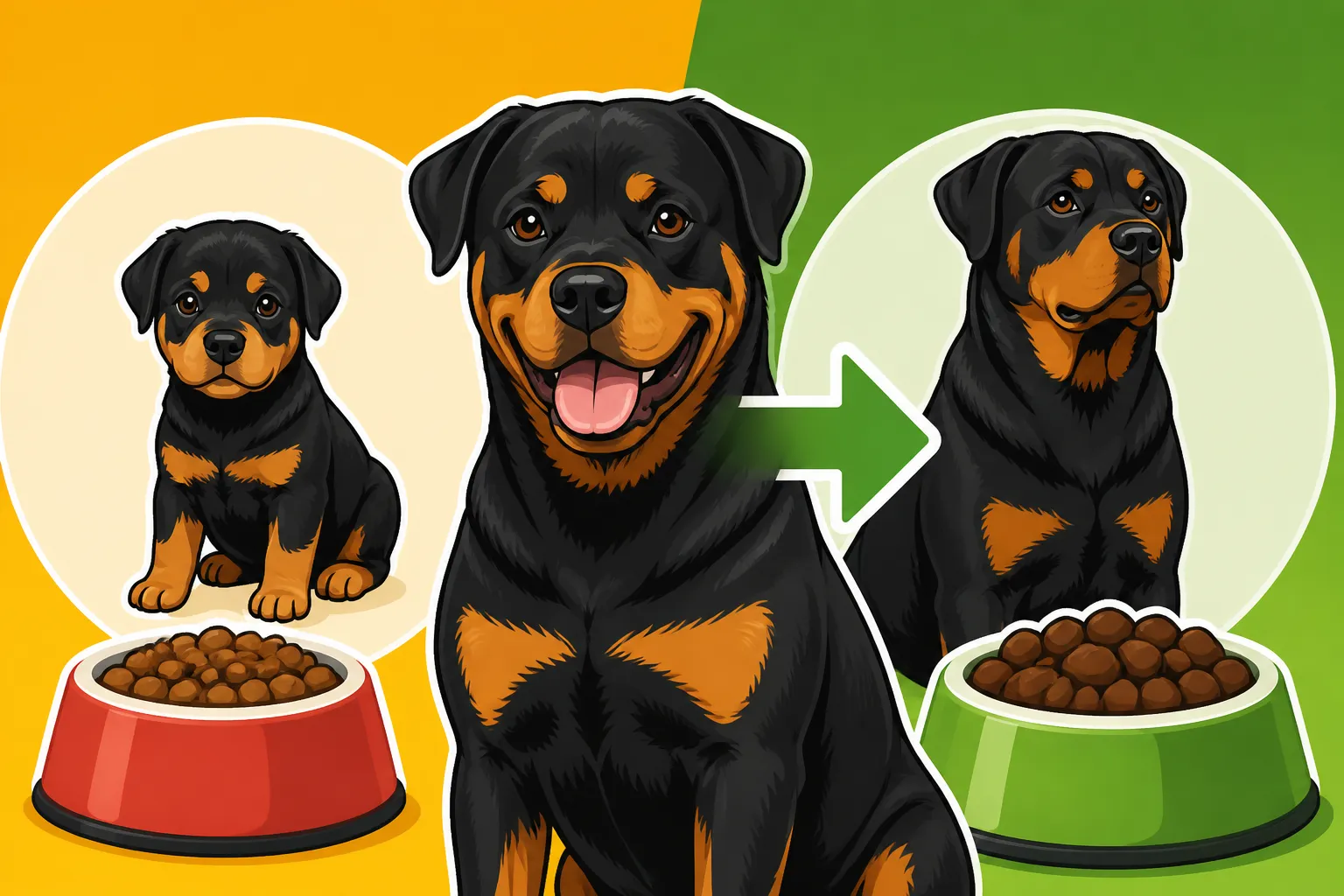
It's a common dilemma for Rottweiler owners: you know your giant puppy needs special nutrition, but when exactly do you make the big switch to adult food? Unlike smaller breeds that transition much earlier, Rottweilers have a prolonged growth period, and getting this timing wrong can have significant implications for their long-term health. This guide will help you understand the perfect window to transition your Rottweiler from puppy to adult food, ensuring they get the tailored nutrition they need at every stage.
Understanding Your Rottweiler's Unique Growth Timeline
The journey from a tiny Rottweiler puppy to a majestic adult is nothing short of incredible, but it's also a surprisingly long one. Many new Rottweiler parents are caught off guard by just how long these dogs continue to grow and develop, especially when compared to smaller breeds that might be considered "adult" by six to nine months of age. This extended growth period is absolutely crucial to understand because it dictates their nutritional needs.
Rottweilers, being a large to giant breed, don't reach their full physical maturity until they are often between 18 and 24 months old, sometimes even a bit later for very large males. This isn't just about gaining height and weight; it's primarily about the development of their bones, joints, and musculature. Their growth plates, the soft areas at the ends of long bones where growth occurs, remain open and vulnerable for much longer than in smaller dogs. Rottweiler Growth Plates and Why They Close So Late goes into this in more detail, but the key takeaway is that these delicate structures need the right kind of support, and too much of certain nutrients, or too little, can lead to serious orthopedic problems.
During this entire time, a Rottweiler puppy requires a carefully balanced diet designed for large breed puppies. These specialized formulas are crafted to support steady, controlled growth, rather than rapid growth, which can stress developing joints. They contain specific calcium and phosphorus ratios, and typically a slightly lower calorie density than regular puppy food, to prevent them from growing too quickly. Why a Rottweiler Puppy Needs Large Breed Formula elaborates on these nutritional nuances. Feeding an adult food too early might seem economical or harmless, but it can actually deprive your growing Rottie of essential nutrients or provide an imbalance that contributes to conditions like hip and elbow dysplasia or osteochondrosis. On the flip side, keeping them on puppy food for too long, past their developmental needs, can lead to unwanted weight gain, stressing those very same joints and setting them up for obesity later in life, which you can read more about in Rottweiler Obesity and the Load It Adds.
Signs Your Rottweiler is Ready for the Switch
Determining the exact "month" to switch a Rottweiler to adult food isn't a hard and fast rule set in stone, but rather a flexible guideline based on their individual development. While 18 to 24 months is a general range, your Rottweiler will give you clues that they're ready. Paying attention to these physical and behavioral signals is far more reliable than just looking at a calendar.
One of the most telling physical signs is when they've largely finished growing in height. While they might still fill out and gain muscle mass, the rapid upward growth typically slows down significantly around 18 months for many Rottweilers. You'll notice they've settled into their adult stature, and their body proportions look more mature. They won't have that gangly, awkward adolescent look anymore. Another key indicator is their weight. While a Keeping a Rottweiler Puppy Lean on Purpose is important for joint health, once they are approaching their projected adult weight, and their calorie needs aren't skyrocketing for growth anymore, it's time to consider the switch. You should still be able to easily feel their ribs without seeing them, and they should have a discernible waist when viewed from above.
Beyond physical growth, behavioral and energy level changes can also signal readiness. A younger puppy is often a whirlwind of energy, constantly exploring and burning calories. As they approach maturity, while still active, their energy levels might become a bit more consistent rather than explosive. They might settle more easily indoors and require less frantic exercise. Their appetite, while still robust, might also stabilize, rather than constantly seeming insatiable. If you've been feeding them according to guidelines in Rottweiler Puppy Calories From Fourteen Hundred Up and notice they're consistently leaving a little food behind, or seem less ravenous than before, it might be a subtle sign that their intense growth phase is winding down. Ultimately, a conversation with your veterinarian, who can assess your specific dog's development and body condition score, is the best way to confirm the timing. They can help you evaluate if their growth plates are likely closed and if their overall physical development suggests they are ready for the change.
The Step-by-Step Guide to a Smooth Food Transition
Once you've determined your Rottweiler is ready for adult food, the transition itself needs to be handled with care and patience. A sudden change in diet can lead to digestive upset, including diarrhea, vomiting, and loss of appetite, which no one wants to deal with, especially with a big dog. A gradual approach allows your Rottweiler's digestive system to slowly adjust to the new ingredients and nutritional profile.
The golden rule for transitioning dog food is to do it slowly, typically over seven to ten days, sometimes even longer for particularly sensitive stomachs. Start by mixing a small amount of the new adult food with their current puppy food. For instance, on day one and two, use about 25% new food and 75% old food. Days three and four could see you moving to a 50/50 mix. By days five and six, you'd be at 75% new food and 25% old food, finally transitioning to 100% new food by day seven or eight. Monitor your Rottweiler closely during this period for any signs of digestive distress. If you notice soft stools, gas, or stomach upset, slow down the process, perhaps staying at a particular ratio for an extra day or two. Remember that even small changes can impact a sensitive gut, and taking your time here prevents bigger problems.
Consider not just the food itself, but also the feeding schedule and portion sizes. Many Rottweiler puppies are fed three, or sometimes even four, meals a day to accommodate their rapid growth and prevent bloat. As they mature and transition to adult food, you can typically shift to two larger meals a day. Splitting a Rottweiler's Ration Across the Day is an excellent strategy for adults to help manage their appetite and further reduce bloat risk. When calculating portion sizes for the new adult food, always refer to the feeding guidelines on the specific food bag. These guidelines are usually based on your dog's current weight and activity level. Since adult foods are often more calorie-dense than large breed puppy formulas, you might find your Rottweiler actually eats less volume of the adult food to maintain a healthy weight. Always aim to keep your Rottweiler lean to protect those valuable joints. If you're looking for where to purchase your new food, online retailers like Chewy or Amazon often have a wide selection, making it easy to compare different large breed adult formulas and have them delivered right to your door.
Here’s a sample transition schedule:
| Day | Old Puppy Food Ratio | New Adult Food Ratio | Observation |
|---|---|---|---|
| 1-2 | 75% | 25% | Monitor for soft stools or gas. |
| 3-4 | 50% | 50% | Continue monitoring. Stool should remain firm. |
| 5-6 | 25% | 75% | Slight changes might occur, but should be minimal. |
| 7-10 | 0% | 100% | Full transition. Watch for sustained digestive comfort. |
Remember to extend each stage if your Rottweiler shows any digestive sensitivity.
Choosing the Right Adult Food for Your Robust Rottweiler
Once your Rottweiler has successfully transitioned to adult food, the next crucial step is selecting the right formula to support their large, powerful physique through their adult years. Just like with puppy food, not all adult dog foods are created equal, and choosing wisely can have a profound impact on their overall health and longevity. Your goal is to find a food that provides balanced nutrition, maintains a healthy weight, and supports their joint health.
When scrutinizing labels, look for formulas specifically designed for "large breeds" or "large breed adults." These foods generally account for the unique metabolic rate and structural needs of dogs like Rottweilers. While the strict calcium and phosphorus ratios are less critical than for puppies, a high-quality protein source, such as chicken, beef, or lamb, should be the first ingredient. Beyond protein, look for a balanced blend of healthy fats for energy and coat health, and complex carbohydrates for sustained energy. Many large breed adult formulas also include joint-supporting ingredients like glucosamine and chondroitin, which can be beneficial for a breed prone to hip and elbow issues. You can explore a variety of brands and formulas from reputable sources like Chewy or even consider fresh food options from services like Ollie, if that aligns with your budget and lifestyle. Just ensure any fresh food option is nutritionally complete and balanced for large breed adults.
Maintaining a healthy weight is paramount for your adult Rottweiler, as extra pounds put immense strain on their joints, potentially worsening conditions like Rottweiler Hip Dysplasia and the OFA Grade or Cruciate Tears in a Heavy Rottweiler. Regular assessment of your dog's body condition is vital. You should be able to easily feel their ribs under a thin layer of fat and see a distinct waistline when looking down at them. Portioning an Adult Rottweiler by Body Condition is a skill every Rottweiler owner needs. Be honest with yourself about treats and table scraps; those extra calories add up quickly for a dog the size of a Rottweiler. Remember that their Daily Calories for a Hundred Twenty Pound Rottweiler can vary greatly depending on their activity level, so adjust their food intake as their lifestyle changes. Investing in a high-quality food from the start, and diligently managing their weight, are two of the most impactful ways you can contribute to your Rottweiler's long, healthy, and happy life, allowing you to enjoy many years of companionship and even explore activities like those discussed in Building Adult Rottweiler Fitness Safely.
Disclaimer
This article is for general informational purposes only and does not constitute professional advice. Laws, prices and regulations vary by location and change over time. Consult a qualified professional for guidance on your specific situation.