Rottweilers in Apartments and Small Yards
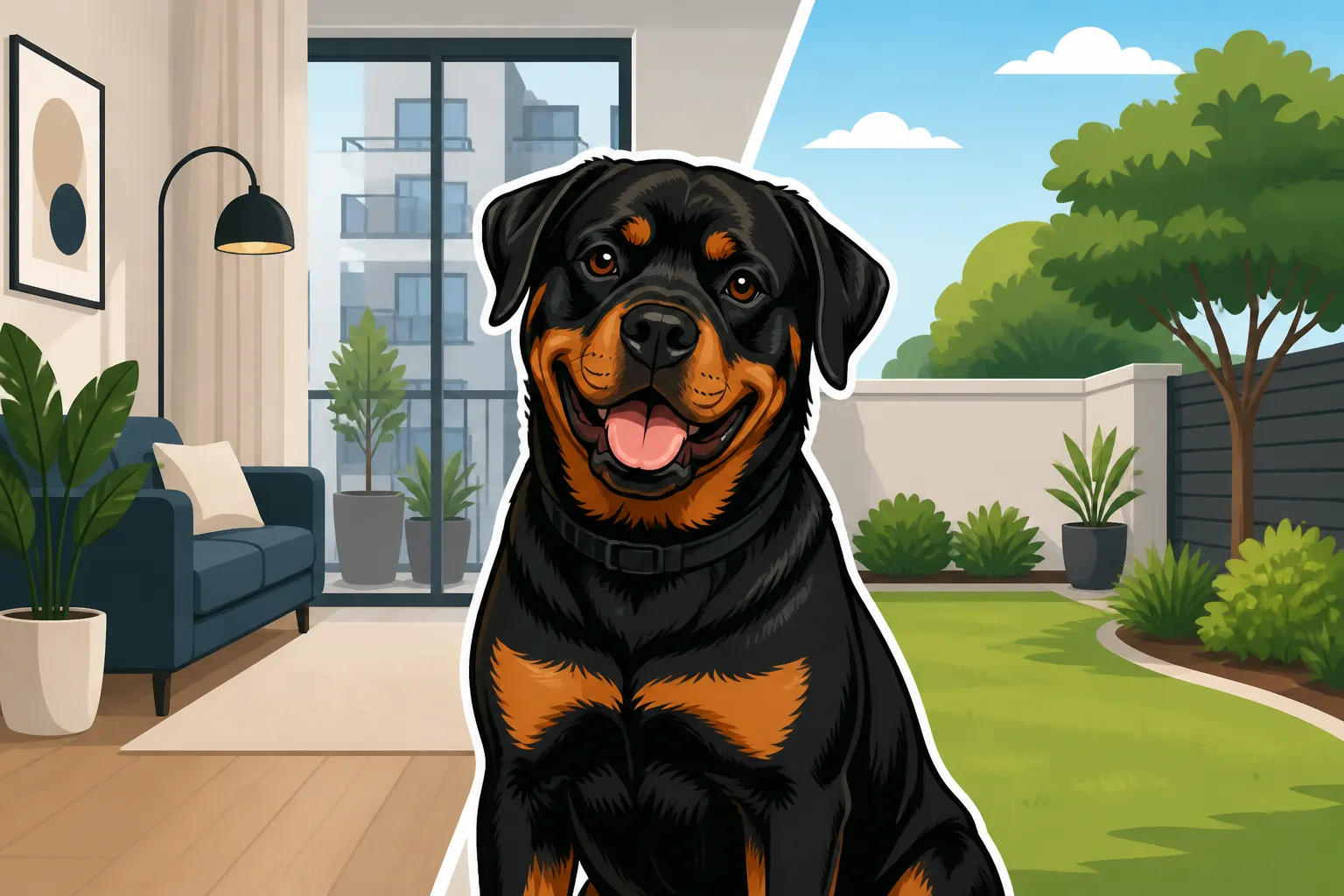
One of the biggest concerns I hear from prospective Rottweiler owners, especially those who live in urban or suburban areas, is whether these magnificent, powerful dogs can truly thrive in an apartment or a home with only a small yard. There’s this pervasive idea that a dog as substantial as a Rottweiler needs acres to roam, or at the very least, a massive fenced property. The truth is, while a big yard certainly isn’t a bad thing, it's often misunderstood as the primary factor for a Rottweiler's well-being. This guide aims to clear up those misconceptions and show you how a Rottweiler can absolutely flourish in smaller living spaces, provided their actual needs are met with dedication and understanding.
Rethinking the "Space" Requirement for Rottweilers
It's easy to look at a majestic, solidly built Rottweiler and immediately think "farm dog" or "estate guardian." After all, their history is rooted in cattle droving and guarding. However, what often gets lost in translation is that their historical "work" wasn't about endless, undirected running. It was about purposeful movement, watchful presence, and a deep connection to their human. This distinction is crucial when we talk about space.
The Myth of the Backyard Rottweiler
Let's be brutally honest: a large yard, by itself, does not fulfill a Rottweiler’s needs. I’ve seen countless big dogs with huge yards who are bored, destructive, or even anxious because their humans think simply having space is enough. A Rottweiler isn't going to self-exercise for hours on end just because there's room. They'll probably just patrol the fence line for a bit, maybe sniff around, and then settle down on the back patio. Without engagement, a large yard can become just another big, empty cage. They might even develop problem behaviors like excessive barking or digging out of sheer boredom. A sprawling lawn isn't a substitute for real interaction, consistent training, or dedicated exercise with their person. In fact, many Rottweilers who live purely outdoors with minimal human interaction become disconnected and even difficult to manage.
Understanding a Rottweiler's True Needs
What a Rottweiler truly needs isn't necessarily square footage but engagement. They are deeply loyal, intelligent, and people-oriented dogs. They thrive on being part of the family, involved in daily activities, and having a "job" to do, even if that job is just being a well-behaved companion. Their ancestral role as guardians means they are naturally observant and prefer to be near their people. This is why a well-exercised and mentally stimulated Rottweiler can often be quite content curled up on a dog bed in a cozy apartment living room, while a neglected one in a mansion might be miserable. The quality of interaction far outweighs the quantity of land. Think about it: a small child in a playground needs a parent's attention and interaction more than they need the vastness of the park itself. It's similar for a Rottweiler.
Dispelling the Energy Level Misconception
While Rottweilers are strong and powerful, they aren't typically "hyper" dogs that need to run constantly like some working breeds such as Malinois or Border Collies. Their energy is more a deep reserve that needs to be tapped purposefully. A healthy adult Rottweiler often enjoys a good brisk walk, some focused playtime, and then a long nap. They’re not usually the type to bounce off the walls for hours. Of course, individual personalities vary, and puppies definitely have more boundless energy, but a well-bred Rottweiler generally has a calm, confident demeanor. The key is to channel that energy effectively and then allow them to rest. Many people assume their large size means they need non-stop activity, but what they really need is a consistent routine that includes both physical exertion and mental challenges, followed by plenty of downtime near their family. Over-exercising a young Rottweiler can even be detrimental to their developing joints, as their Rottweiler Growth Plates and Why They Close So Late.
Meeting Exercise Needs in Limited Spaces
Living in an apartment or a smaller home certainly requires a more structured approach to exercise. You can't just open the back door and hope for the best. Instead, you become the active participant in ensuring your Rottweiler gets the physical activity they need. This often leads to a more engaged and better-behaved dog overall.
Structured Walks and Leash Training
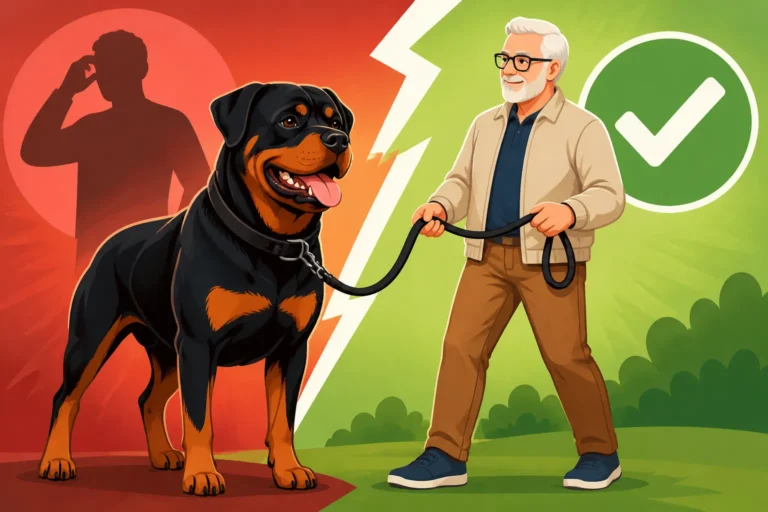
Regular, structured walks are paramount. This isn't just about letting your Rottweiler potty; it's about a purposeful excursion. For an adult Rottweiler, aim for at least two solid walks a day, each lasting 30-60 minutes, depending on their age and fitness level. These walks should be consistent, even in bad weather. Invest in good quality gear – a sturdy harness or a head halter can make a huge difference in managing a Rottweiler Leash Pulling at Adult Weight. Practice loose-leash walking, changing directions, and heel work. These walks aren't just physical; they're also mental stimulation as your dog experiences new sights, sounds, and smells. Vary your routes to keep things interesting. Explore different parks, neighborhoods, or even urban trails. Remember, the world is your Rottweiler's backyard when you live in a smaller space, so make sure they learn to navigate it politely and confidently.
High-Intensity, Short-Burst Activities
Beyond walks, incorporating short bursts of higher-intensity exercise can be incredibly effective. Think about quick games of fetch in a local fenced park (if allowed), or even a vigorous session with a flirt pole. These activities tap into their prey drive and provide a fantastic physical outlet without requiring hours of continuous running. Tug-of-war is another excellent option that builds muscle and allows them to expend energy, but always ensure it's played with rules (e.g., they drop the toy on command). Some dog parks might be an option, but be cautious with a Rottweiler's size and breed perception; careful supervision and knowing your dog's play style are essential. A safe, secure dog run or a friend's fenced yard can be a great place for these shorter, more intense play sessions.
Indoor Exercise Solutions for Rainy Days
What about those days when the weather just isn't cooperating, or you're stuck inside? This is where creativity comes in. Hallways can become mini-fetch zones for soft toys. Practicing obedience commands like "sit," "stay," "down," and "come" in rapid succession, or incorporating tricks, uses both their body and their brain. Stair climbing (if your Rottweiler is fully grown and vet-approved for it) can be a great workout. Hide-and-seek with toys or treats is another fantastic indoor game. You can even set up a mini-agility course using household items like cushions or broomsticks. Indoor play sessions don't have to be long, but they should be engaging and structured to burn off some of that pent-up energy. Many retailers, including Chewy, offer a wide array of durable indoor toys and puzzle feeders perfect for keeping your Rottweiler active when outdoor adventures are on hold.
| Exercise Type | Description | Apartment Suitability | Benefits |
|---|---|---|---|
| Structured Walks | 30-60 min brisk walks, varied routes, leash manners practice. | High | Physical, mental, socialization. |
| Fetch/Tug | Short, intense play sessions in parks or large indoor areas. | Medium (needs space) | High-energy burn, impulse control. |
| Obedience/Tricks | Rapid-fire command practice, learning new tricks. | High | Mental stimulation, bond building, low impact. |
| Hide-and-Seek | Hiding toys/treats around the home for the dog to find. | High | Scent work, problem-solving, engagement. |
| Flirt Pole Play | Chasing a lure on a stick in a safe, open area. | Medium (needs space) | High-intensity, natural chase drive fulfillment. |
| Stair Climbing | Controlled ascents and descents (for adult dogs with healthy joints). | High (if stairs exist) | Strength building, cardiovascular. |
Mental Stimulation is Key, Not Just Physical
For a Rottweiler, burning off physical energy is only half the battle. These are intelligent dogs with a history of critical thinking and decision-making in their working roles. Neglecting their mental needs can lead to frustration, boredom, and ultimately, destructive behaviors, no matter how much physical exercise they get.
The Power of Training and Brain Games
Consistent, positive reinforcement training is not just for puppies; it’s an ongoing necessity for a Rottweiler, especially in an apartment. Daily training sessions, even just 10-15 minutes, can be incredibly tiring for their minds. Work on advanced obedience cues, practice new tricks, or delve into canine sports like scent work or rally obedience, which can be adapted for smaller spaces or local classes. Think about enrolling in a "Canine Good Citizen" class; it's a fantastic way to solidify manners and build confidence in various environments. Brain games, like teaching them to identify specific toys by name or playing "find the treat" under overturned cups, are wonderful ways to challenge their intellect. A tired mind is just as important as a tired body for a calm, well-adjusted Rottweiler. Training a Rottweiler Before It Outweighs You is not just a suggestion, it's a blueprint for success, especially in close quarters.
Enrichment Toys and Puzzle Feeders
Puzzle feeders are your best friend when you have an intelligent dog in a small space. Instead of simply dumping their meal into a bowl, make them work for it. There are countless options available, from slow-feeder bowls that make them eat more deliberately, to complex toys that dispense kibble only after a series of manipulations. These not only extend mealtime, which can be a form of enrichment in itself, but they also engage their problem-solving skills. Look for durable toys from brands like Kong or others available at retailers like Chewy that can withstand a strong Rottweiler jaw. Treat-dispensing balls, snuffle mats, and interactive feeders provide valuable mental engagement when you can't actively play with them. This "work-to-eat" approach satisfies a primal instinct and prevents boredom.
Consistent Routine and Predictability
Dogs, and especially Rottweilers, thrive on routine. When living in an apartment or a smaller home, a predictable schedule can significantly reduce anxiety and help them understand what to expect throughout the day. Establish consistent times for waking up, walks, meals, training sessions, and bedtime. This structure creates a sense of security and reduces the likelihood of unwanted behaviors stemming from uncertainty. For example, if your Rottweiler knows that after their morning walk and breakfast, they have a designated quiet time in their crate with a puzzle toy, they are less likely to bark incessantly or chew inappropriate items. Predictability allows them to relax and settle, knowing that their needs will be met. This is particularly important for preventing issues like Rottweiler Separation Anxiety in the First Month.
Managing the Rottweiler Presence in Small Homes
Having a large dog in a smaller living space means being extra mindful of their physical presence and how they interact with their environment. It’s not just about fitting them in, but making sure they are comfortable and that your home remains functional.
Crate Training for Peace and Sanctuary
Crate training is an invaluable tool for any dog owner, but it becomes even more essential when living in an apartment or small home. A crate is not a punishment; it's a den, a safe, personal space where your Rottweiler can relax undisturbed. It helps with house training, can prevent destructive chewing when you can't supervise, and provides a quiet retreat from the hustle and bustle of a busy home or apartment complex. For a Rottweiler, you'll need a large, sturdy crate that allows them to stand, turn around, and lie down comfortably. This ensures they have their own dedicated area, which can be especially calming for a guardian breed that might otherwise feel compelled to "monitor" the entire home constantly. Make sure to get one large enough, as The Crate Size a Hundred Twenty Pound Rottweiler Needs is substantial.
Designated Spaces and "Place" Command
Beyond the crate, teaching your Rottweiler to go to a designated "place" – a specific dog bed, mat, or spot – on command is incredibly useful in a smaller home. This command allows you to manage their presence discreetly and politely. For example, if you have guests over and want your Rottweiler to settle calmly, you can send them to their "place." If you’re cooking in a small kitchen, asking them to go to their mat outside the doorway keeps them out from underfoot. This helps prevent tripping hazards and teaches them impulse control, reinforcing the idea that they don't need to be in the middle of every activity. It helps delineate boundaries within a smaller space, making living together much smoother.
Keeping Your Home Clean and Organized
Let's face it: a Rottweiler means more hair, more drool (sometimes!), and more mess. In a smaller space, this can feel amplified. Regular grooming, especially during shedding seasons, is crucial. Invest in good vacuum cleaners and lint rollers. Establish a routine for wiping down paws after walks. Having designated spots for their toys, beds, and food bowls helps keep clutter to a minimum. A Rottweiler’s short, dense coat sheds more than most people expect, so regular brushing with an undercoat rake (you can find great options on Chewy) will save your furniture and floors. A tidy home helps everyone, human and canine, feel more comfortable and less overwhelmed in a more compact environment.
Socialization and Public Perception in Urban Settings
Rottweilers, unfortunately, carry a reputation that sometimes precedes them, largely due to irresponsible ownership or media portrayals. This makes diligent socialization and mindful public behavior even more critical when living in an urban environment where you're constantly interacting with others.
Early and Ongoing Socialization Efforts
From the moment you bring your Rottweiler puppy home, socialization must be a top priority. This means safely exposing them to a wide variety of sights, sounds, people, and well-behaved dogs in a positive and controlled manner. Think about different environments: busy streets, quiet parks, bustling cafes (from a distance), children playing, people on bikes, skateboards, and wheelchairs. This isn't about forcing interactions but about creating positive associations. A well-socialized Rottweiler is confident, calm, and less likely to react negatively to novel situations, which is invaluable when navigating crowded sidewalks or dog parks. Remember, socialization isn't a one-time event; it's an ongoing process throughout their life. Take advantage of puppy classes that accept large breeds; these are excellent for Socializing a Rottweiler Puppy Properly.
Navigating Public Spaces with Confidence
When you’re out with your Rottweiler in public, remember that you are their ambassador. A well-mannered Rottweiler on a loose leash, walking calmly by your side, does wonders for their image. Maintain control, be aware of your surroundings, and respect other people's space, especially those who might be nervous around large dogs. Teach a solid "leave it" command to prevent them from investigating discarded food or greeting every stranger or dog they see. Carrying high-value treats and rewarding calm behavior in public will reinforce positive associations. If your dog is anxious or reactive, seek professional help. A calm and confident Rottweiler is a joy to be around, and it helps chip away at negative stereotypes.
Addressing Landlord and Neighbor Concerns
Living in an apartment with a Rottweiler often means navigating landlord policies and neighborly perceptions. Many apartment complexes and rental properties have breed restrictions. Before you even start looking for a Rottweiler, make sure you understand the rules of your current or prospective living situation. Be prepared to provide references, proof of training, and perhaps even a letter from your vet attesting to your dog's good health and temperament. For neighbors, a friendly greeting and a well-behaved dog can go a long way. Be proactive: if your dog tends to bark, work on it. Clean up after your dog immediately. Consider giving a "meet and greet" with your neighbors so they can see firsthand how well-behaved your Rottweiler is. Proactive communication and responsible ownership are your best tools in these situations. Understanding Landlord Breed Clauses That Name Rottweilers can save a lot of headaches.
Making Your Apartment a Rottweiler Haven
Even in a smaller space, you can create an environment where your Rottweiler feels safe, comfortable, and truly at home. It’s all about intentional choices and thoughtful considerations for their specific needs as a large, powerful breed.
Choosing the Right Gear for Apartment Living
Having the right equipment can make all the difference. For sleeping, a durable, supportive dog bed is a must, especially as your Rottweiler ages to protect their joints. Look for orthopedic or memory foam beds. As mentioned earlier, a sturdy crate is essential. For walks, a strong leash and a comfortable, secure harness (or head halter) are vital for control and comfort. Consider a hands-free leash if you need to manage packages or children. Durable chew toys are non-negotiable for mental and dental health. And don’t forget collapsible water bowls for walks, making sure your dog stays hydrated. Remember, a bigger dog needs proportionally bigger, stronger gear. When shopping for gear, whether it's an orthopedic bed or tough chew toys, platforms like Chewy offer a fantastic selection that caters to large breeds like Rottweilers.
Soundproofing and Neighborly Etiquette
Noise can be a significant issue in apartment living, both for your dog and your neighbors. While a Rottweiler isn't known for being an excessive barker, any barking can travel. Work on training your dog to "speak" and "quiet" on command. Use white noise machines or calm music to mask outside sounds that might trigger barking. Heavy curtains or rugs can also help absorb sound. If your dog tends to "thump" when they lie down or walk, consider placing extra mats or rugs in their favorite spots. Being mindful of noise levels, especially during quiet hours, is a sign of a good neighbor. If you know your dog is going to be home alone for an extended period, ensure they've had plenty of exercise and mental stimulation beforehand to encourage quiet rest.
Safety and Security for Your Urban Rottweiler
Living in an apartment or smaller home means you need to be particularly vigilant about security. Ensure your windows and doors are secure, especially if they lead to shared common areas or ground-floor patios. A visible "Beware of Dog" sign (tastefully done, of course) might deter unwanted visitors, but don't rely solely on it. When walking, always be aware of your surroundings, especially if you’re out during off-peak hours. Since your Rottweiler will spend more time outdoors on walks, ensure they have proper identification tags and are microchipped. In the event they ever slip away, this significantly increases the chances of a safe return. Never leave your Rottweiler unattended on a patio or balcony, even if fenced, as they could be stolen or potentially injured. Your Rottweiler is a part of your family, and their safety in an urban environment requires extra consideration.
Ultimately, a Rottweiler's well-being is not defined by the size of your property, but by the size of your commitment and understanding. With proper training, consistent exercise, ample mental stimulation, and dedicated care, your Rottweiler can be a perfectly happy and well-adjusted companion in any home, big or small.
Disclaimer
This article is for general informational purposes only and does not constitute professional advice. Laws, prices and regulations vary by location and change over time. Consult a qualified professional for guidance on your specific situation.